
Introducing solid foods is a major milestone, but it often comes with spilled purees and overturned dishes. A reliable suction bowl can significantly reduce mealtime messes while supporting your baby’s developmental progress. Because a baby’s motor skills and appetite change rapidly during the first year, the bowl that works perfectly at six months may not be suitable for a toddler. Selecting the right suction bowl requires matching specific design elements—such as base diameter, wall curvature, material composition, and capacity—to your child’s current physical abilities and feeding style. By aligning these features with your baby’s age and weaning stage, you can create a supportive environment that fosters self-feeding confidence while keeping cleanup manageable.
Why Suction Bowls Matter During Weaning
During the early phases of weaning, a baby’s movements are often uncoordinated and exploratory. Sweeping arm gestures, sudden grabs, and experimental drops are natural parts of how infants learn about gravity and spatial relationships. Without a secure base, a standard bowl of puree can easily become airborne, resulting in significant food waste and extensive cleanup. A suction bowl anchors the dish firmly to the highchair tray or dining table, creating a stable environment where meals remain within reach. This stability is crucial for reducing caregiver stress, allowing you to focus on encouraging your baby’s relationship with food rather than constantly guarding the dish.
Beyond mess prevention, a stationary bowl plays a vital role in developing essential motor skills. When babies begin learning to use a spoon or pick up finger foods, they require a stable target. If the bowl slides away every time a spoon or finger makes contact, the child can quickly become frustrated and lose interest in self-feeding. A suction bowl keeps the dish stationary, allowing your baby to practice hand-eye coordination, grasp food, and navigate the spoon against the inner walls of the bowl. This physical stability builds confidence, encouraging independent eating habits that are foundational to their developmental progress.
Products mentioned in this guide
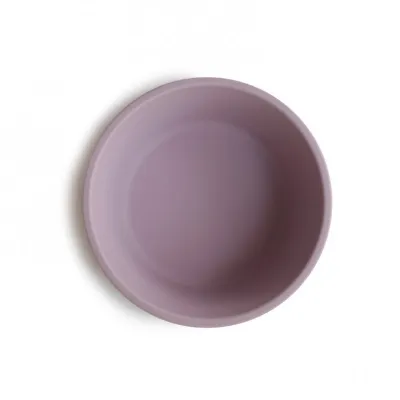
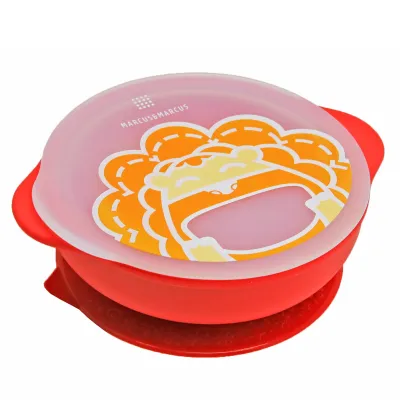
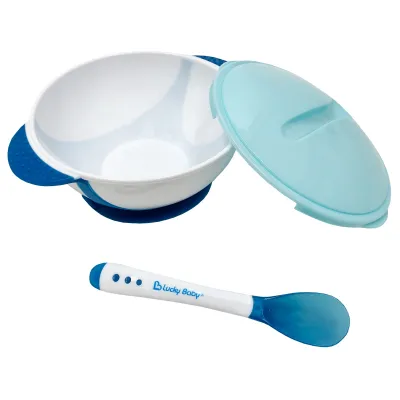
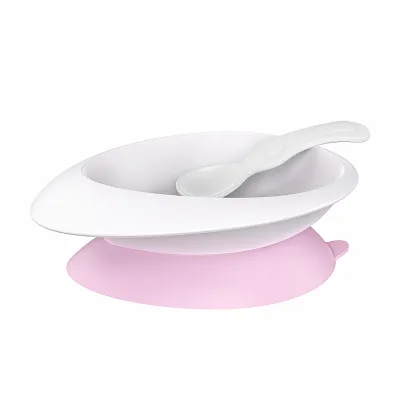
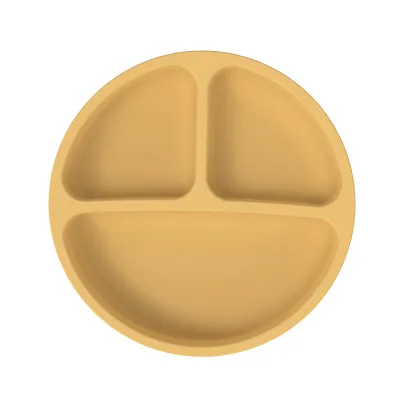
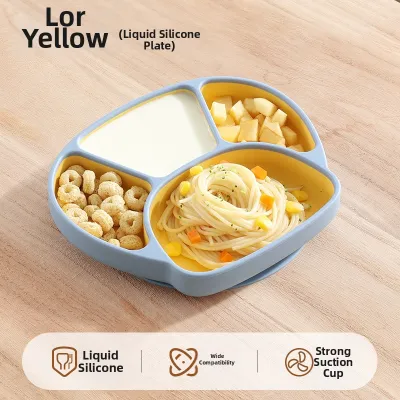
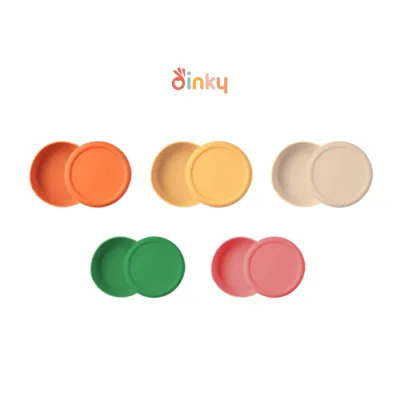
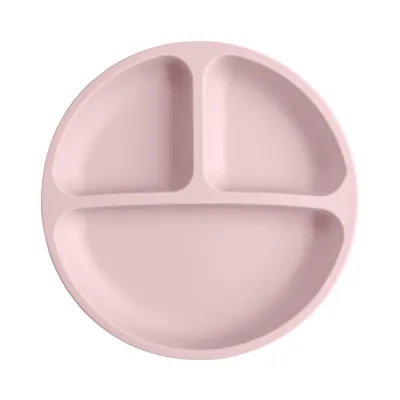
Prices are valid at publication and may change. Please refer to the product page for the latest price.
Key Features to Evaluate Before Buying
Before purchasing any suction bowl, it is essential to evaluate several core design and material attributes to ensure they meet your household’s practical needs. The first and most critical feature is the suction mechanism itself. Look for a wide, integrated suction base that creates a strong vacuum seal on flat surfaces. High-quality suction bases often feature a quick-release tab designed specifically for adults. This tab allows you to break the vacuum seal easily when mealtime is over, preventing the dramatic upward pull that can send leftover food flying.

Material safety is another paramount consideration. Because these bowls will hold warm food and come into direct contact with your baby’s mouth, you must verify the manufacturer’s material safety claims. Look for products clearly labeled as food-grade silicone, high-quality plastic, or natural bamboo with a food-safe finish. Always check the packaging or manufacturer’s documentation to confirm that the materials are free from BPA, phthalates, and other potentially harmful chemical additives. Additionally, verify the manufacturer’s age recommendations to ensure the bowl’s size and design are appropriate for your child’s developmental stage.
The physical shape of the bowl also dictates how easily your baby can navigate meals. A bowl with a curved, inward-sloping upper lip helps guide food onto a spoon, preventing it from spilling over the edge during scooping attempts. Deep bowls are excellent for keeping liquid-based foods contained, while shallower designs provide easier access for tiny hands exploring finger foods. Finally, consider the ease of cleaning. Weaning is a busy period, so choosing bowls that are compatible with your preferred sterilization methods—whether that involves boiling water, steam sterilizers, or top-rack dishwasher cycles—will save valuable time and ensure high hygiene standards.
Matching Suction Bowl Features to Your Baby's Weaning Stage
As your baby grows, their relationship with food transitions from passive tasting to active, independent eating. A single bowl style is rarely sufficient to cover this entire developmental journey. By understanding how your baby’s physical capabilities and nutritional needs evolve, you can select suction bowls with features tailored to each distinct phase of the weaning process.
Stage 1: Starting Solids (Around 6 Months)
At approximately six months of age, most babies begin their weaning journey with smooth purees, mashed foods, or soft starter pieces. At this initial stage, portion sizes are incredibly small, often consisting of just a few spoonfuls per meal. A suction bowl for this stage should have a small capacity and a shallow depth. A compact bowl prevents food from spreading out too thinly, making it easier for you to scoop up the puree with a soft weaning spoon. It also takes up minimal space on a small highchair tray, leaving room for cups or other feeding accessories.
During these early weeks, your baby’s motor skills are highly exploratory, characterized by involuntary arm sweeps and enthusiastic table-banging. Therefore, the bowl must possess an exceptionally strong and reliable suction base that can withstand sudden, accidental impacts. Because you will likely be doing most of the feeding at this stage, the suction is primarily there to prevent the bowl from being swiped off the tray by a curious hand.
Additionally, look for heat-resistant materials if you plan to warm purees directly in the feeding dish. Many food-grade silicone bowls can safely withstand warming processes, but you must always verify the manufacturer’s specific temperature limits before exposing the bowl to heat. Ensuring the material can handle gentle warming without warping or releasing odors is key to maintaining a safe and convenient feeding routine.
Stage 2: Exploring Textures and Self-Feeding (7–9 Months)
Between seven and nine months, babies typically begin exploring thicker textures, mashed combinations, and soft finger foods. This is also the stage where many infants show an active interest in holding the spoon themselves or grabbing food directly with their fingers. To support this transition, look for a medium-sized suction bowl with divided sections. Divided bowls allow you to offer different food groups or textures side-by-side without them mixing. This separation helps your baby identify individual flavors, colors, and textures, which can prevent selective eating habits later on.
As self-feeding attempts become more frequent, the physical design of the bowl’s interior walls becomes highly important. Look for bowls featuring curved inner edges or an angled, contoured design. These curved walls act as a built-in guide; when your baby pushes food against the side of the bowl with a spoon or finger, the curve helps scoop the food upward and onto the utensil. This simple design feature significantly reduces frustration and helps your baby master the mechanics of scooping.
Furthermore, consider bowls with easy-grip outer edges or integrated handles. Even though the suction base keeps the bowl firmly anchored to the highchair tray, babies at this stage often like to touch, hold, or stabilize the edges of the dish with their non-dominant hand. Textured rims or small, integrated handles provide a tactile surface for your baby to grip, helping them feel more secure and balanced as they coordinate their movements during mealtime.
Stage 3: Independent Eating and Toddlerhood (10+ Months)
By ten months and beyond, older babies and toddlers are developing refined motor skills, such as the pincer grasp, and are consuming larger, more varied meals. Their appetites require a transition to larger capacity suction bowls that can accommodate multi-component meals, such as grains, proteins, and vegetables served together. A larger bowl provides ample space for active mixing and self-feeding without food spilling over the sides onto the table.
At this stage, toddlers also possess significantly more physical strength and problem-solving ability. They may actively try to pull, twist, or pry the suction bowl off the table as a game or out of frustration. To counter this, look for advanced suction bases designed to resist strong, vertical pulling forces. The suction mechanism should be robust, yet feature a highly discreet, low-profile release tab. This tab should be positioned away from the child’s direct line of sight or require a specific pinching motion that is easy for an adult to execute but difficult for a toddler’s developing fine motor skills to figure out.
Durability is another critical factor for toddler tableware. As meals begin to transition away from the highchair tray to the family dining table, the risk of high-altitude drops increases. Choose bowls constructed from highly durable, drop-resistant materials like thick food-grade silicone or reinforced bamboo. These materials can withstand repeated impacts on hard tile or wooden floors without cracking, chipping, or shattering, ensuring the bowl remains safe for long-term use.
Safety Checks and Maintenance for Suction Bowls
To ensure your baby’s suction bowls remain hygienic and functional, establish a regular routine for inspection and maintenance. Before every single meal, take a moment to inspect the suction base. Look closely for any signs of wear, such as small tears in the silicone, warping of the suction rim, or a persistent loss of grip. A damaged suction base not only fails to keep the bowl secure but can also harbor food particles or moisture in tiny crevices, leading to bacterial growth. If you notice any structural compromise, it is best to stop using the suction feature.
Cleaning and sanitizing methods must always align with the manufacturer’s explicit guidelines. While many modern suction bowls are marketed as dishwasher and microwave safe, you should always verify these claims directly on the product packaging, label, or instruction manual. Some materials, particularly those combining bamboo with silicone bases, require hand-washing and air-drying to prevent the natural wood from cracking. If using a dishwasher, placing silicone bowls on the top rack is generally recommended to keep them away from the high-heat drying elements at the bottom, which can warp the suction base over time.
Knowing when to retire a feeding bowl is essential for maintaining high hygiene standards. Over time, repeated scraping with metal or plastic utensils can create deep scratches on the bowl’s inner surface. These scratches can become breeding grounds for bacteria that are difficult to eliminate through standard washing. Additionally, if the material begins to feel sticky, shows persistent discoloration, emits a strong soapy odor from dishwashing detergents, or no longer adheres to surfaces, it is time to replace the bowl.
Finally, remember that no suction bowl is a substitute for active caregiver supervision. While a strong suction base prevents spills and keeps meals organized, babies should never be left unattended with any feeding equipment. Constant supervision ensures you can respond immediately if a baby chokes, attempts to chew on a compromised part of the bowl, or manages to release the suction and tip hot food onto themselves. Keeping a close eye on your child during meals is the single most effective way to ensure a safe and positive weaning experience.
Building Your Suction Bowl Shortlist
When you are ready to purchase, focus on building a practical shortlist tailored to your baby’s immediate needs rather than stockpiling multiple bowls for future stages. It is usually best to prioritize one or two high-quality bowls that match your baby’s current weaning phase. Because developmental needs change quickly, buying too far in advance may leave you with unused items that do not suit your child’s eventual feeding preferences or your highchair setup.
Before finalizing your choice, carefully check the compatibility of the suction base with your specific highchair tray or dining table. Suction mechanisms rely on creating a tight vacuum seal, which requires a completely smooth, flat, and non-porous surface. If your highchair tray has a textured finish, deep scratches, or a matte surface, most suction bowls will struggle to stick. Measure the flat surface area of your tray and compare it to the diameter of the bowl’s suction base to ensure a proper fit.
Reading verified user reviews can provide valuable insights into how a bowl performs in real-world conditions over time. Look for feedback specifically mentioning suction longevity, resistance to food staining (especially from bright foods like carrots or pumpkin), and how well the material holds up after multiple sterilization cycles. This practical feedback can help you avoid products that lose their suction grip after only a few washes.
Lastly, set a realistic budget for your feeding gear. High-quality suction bowls in Singapore typically range from S$15 to S$35 depending on the material, brand, and included accessories like matching spoons or lids. Since a single weaning stage generally lasts only a few months, consider whether a premium option is worth the investment or if a mid-range, durable silicone bowl offers better overall value for your household’s daily routine.
Frequently Asked Questions (FAQ)
Can I use a suction bowl in the microwave or dishwasher?
Whether you can safely use a suction bowl in the microwave or dishwasher depends entirely on the specific materials used and the manufacturer’s instructions. Many pure food-grade silicone bowls are highly heat-resistant and can safely go into both appliances, but you must always check the product label for the official microwave and dishwasher symbols. Bowls made of bamboo, wood, or those with integrated electronic components should never be microwaved or placed in a dishwasher, as the high heat and moisture will cause them to warp, crack, or degrade. Always avoid heating empty bowls and adhere strictly to the stated temperature limits to prevent material damage.
Why is my baby's suction bowl not sticking to the highchair tray?
If your baby’s suction bowl is failing to stick, the issue is usually related to the surface texture or cleanliness of either the tray or the suction base. Suction bases require a completely clean, smooth, dry, and non-porous surface to establish a proper vacuum seal. Textured highchair trays, matte finishes, deep scratches, or a thin layer of dust or grease will allow air to seep under the edge, breaking the seal. To troubleshoot, thoroughly clean and dry both the tray and the suction cup. If it still does not stick, test the bowl on a glass table or a polished countertop; if it holds firmly there, the issue is the texture of your highchair tray rather than a defect in the bowl’s suction base.
Community discussion
Share your experience or ask a question. Comments are reviewed before publication.