
Quick Answer: Which Cup is Best for Your Weaning Baby?
Choosing the right kids drinking cup for weaning is a pivotal milestone in your child’s developmental journey. There is no single “best” cup that fits every child at every stage. Instead, the ideal choice depends on your child’s current weaning phase, their emerging oral motor skills, and your practical daily priorities, such as spill prevention and ease of cleaning.
As a general rule, spout cups serve as an early, comforting transition tool from bottle or breast. Straw cups help develop advanced oral motor coordination and muscle strength. Meanwhile, 360-degree cups mimic open-cup drinking to promote a mature swallowing pattern. Before purchasing any cup, always check the manufacturer’s age guidelines on the product label and consult your pediatric dentist for a personalized timeline tailored to your child’s oral development.
Understanding Weaning Stages and Oral Motor Skills
The transition from breast or bottle to a kids drinking cup represents a major shift in how a child uses their mouth, tongue, and jaw. In infancy, babies rely on an instinctive suckle pattern, where the tongue moves forward and backward to draw milk. As they grow and begin eating solid foods, they must transition to a mature swallowing pattern. This mature pattern requires the tongue to elevate and press against the roof of the mouth rather than thrusting forward.
Products mentioned in this guide
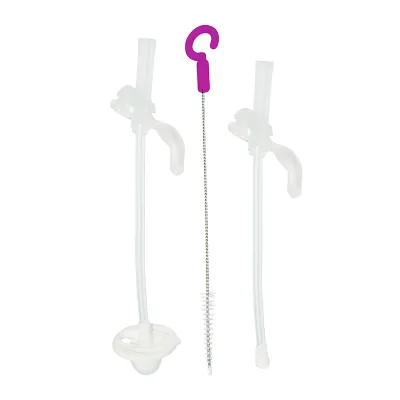
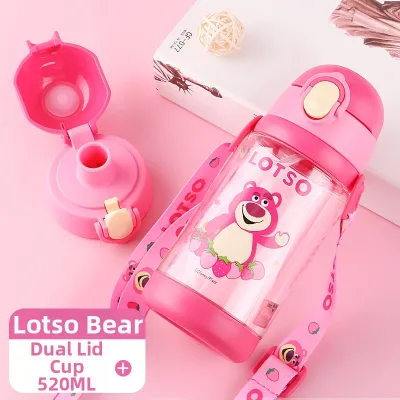
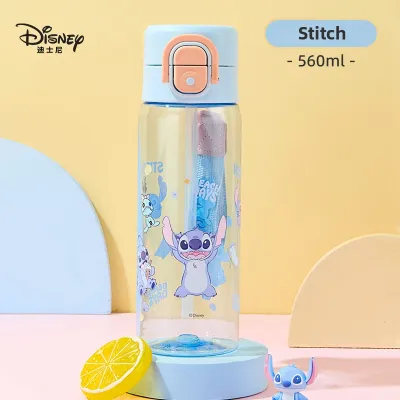
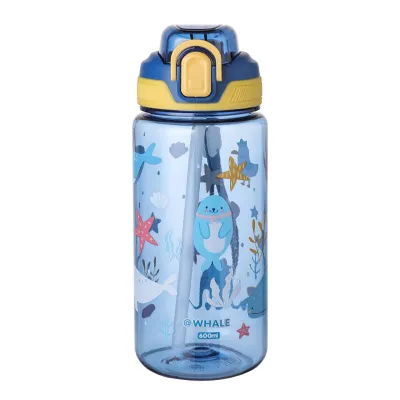
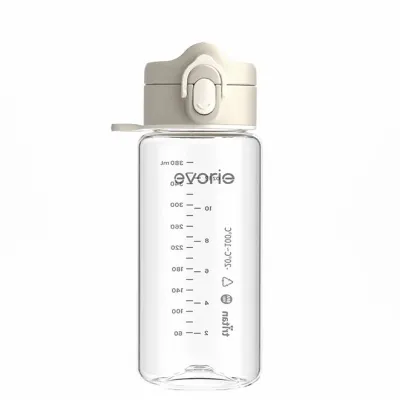
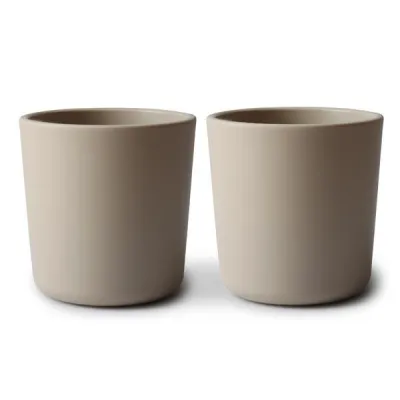

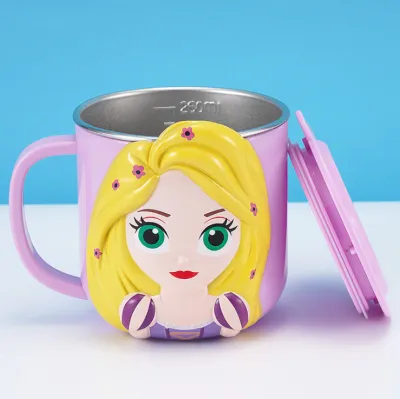
Prices are valid at publication and may change. Please refer to the product page for the latest price.

Different cup designs interact with these emerging oral motor skills in distinct ways. For instance, a cup that requires a simple bite-and-suck motion does not challenge the tongue in the same way as one requiring active lip sealing and tongue retraction. Developing these muscles is not just about drinking; it also lays the foundation for proper jaw alignment, facial muscle development, and future speech clarity.
Pediatric dentists and speech-language pathologists generally recommend transitioning away from prolonged infant suckle patterns as early as developmentally appropriate. Continuing to use a bottle or a highly restrictive nipple-like spout for too long can reinforce an immature tongue thrust. This habit may eventually impact the alignment of erupting primary teeth or affect speech sound production.
However, developmental milestones are highly individual. Some children adapt to new drinking mechanisms within days, while others require weeks of patient introduction. Caregivers should closely observe their child’s physical readiness—such as their ability to sit upright independently, hold objects, and show interest in family meals—rather than relying strictly on rigid, unsourced age thresholds. If you notice persistent coughing, sputtering, or resistance during cup transitions, seeking professional advice from a pediatrician or pediatric dentist is always the safest path.
Spout Cups: Easing the Early Transition
Spout cups are often the first step caregivers take when moving away from bottles. Because the physical shape of a spout resembles a nipple, it offers a sense of familiarity that can ease the psychological transition for a hesitant baby.
Soft vs. Hard Spouts
When exploring spout cups, you will generally encounter two variations: soft spouts and hard spouts. Soft silicone spouts are gentle on sensitive, teething gums and closely mimic the pliable texture of a bottle nipple, making them highly acceptable to younger infants. Hard plastic spouts, on the other hand, are much more durable and resistant to sharp baby teeth, though they require different bite control and offer less sensory familiarity.
The primary benefit of a spout cup is its simplicity. It utilizes a sucking motion very similar to bottle-feeding, meaning your baby does not have to learn an entirely new oral mechanic while adjusting to the taste and flow of water. This familiarity can reduce frustration during the initial weeks of weaning, allowing the child to focus on holding the handles and tipping the cup.
Despite their convenience, spout cups have notable developmental drawbacks. Prolonged use of spout cups past the early transitional phase can interfere with natural teeth alignment and proper tongue resting posture. Because the spout sits flat on the tongue, it prevents the tongue from elevating to the roof of the mouth during a swallow.
Additionally, practical maintenance is a critical factor for caregivers. The internal valves that make these cups spill-proof are notorious for trapping moisture. In warm, humid environments like Singapore, mold can develop rapidly inside tiny crevices. It is essential to disassemble the cup completely after every use, inspect the valves closely for any dark spots, and wash them with hot, soapy water or run them through a sterilizer if permitted by the manufacturer’s care instructions.
Straw Cups: Developing Advanced Oral Motor Skills
Straw cups are highly recommended by pediatric experts because they actively promote advanced oral motor development. Unlike a spout, drinking through a straw requires a completely different set of physical mechanics that challenge and strengthen the facial muscles.
To drink from a straw, a child must achieve a tight lip seal around the tube, retract their tongue into the mouth, and stabilize their jaw. This action prevents the tongue from thrusting forward, helping to retire the infant suckle reflex in favor of a mature swallow. The muscle coordination required to create suction also strengthens the cheeks and lips, which are vital components for speech development.
From a practical standpoint, straw cups are incredibly versatile and popular for active families. Many modern designs feature weighted straws that follow the liquid, allowing your child to drink from almost any angle, whether they are sitting upright in a high chair or slightly reclined in a stroller. Many models also incorporate one-way valves that prevent liquid from flowing backward, making them highly leak-resistant during travel.
However, the very features that make straw cups spill-proof can make them challenging to clean. The long, narrow tube of a straw is a prime breeding ground for bacteria if not cleaned properly. Caregivers must use specialized, ultra-thin straw brushes to scrub the interior of the tube manually. It is also important to inspect the straw regularly for signs of wear, especially if your toddler has a habit of chewing on the silicone, and replace the straw elements immediately if you detect any tears or structural degradation.
360-Degree Cups: Mimicking an Open Cup Experience
A 360-degree cup features a unique rim design that allows a child to drink from any side, just like a standard adult cup, but with a clever silicone valve that prevents major spills.
The mechanism relies on the child applying gentle lip pressure to the edge of the silicone seal while tilting the cup. This action releases the seal and allows a controlled flow of liquid. Because there is no central spout or straw to hold the tongue down, the child must use their upper and lower lips to seal against the rim, encouraging the tongue to rest in its natural, elevated position against the roof of the mouth.
Dentists frequently praise 360-degree cups because they support natural dental alignment and healthy oral posture. By encouraging a mature swallowing pattern from the start, these cups ease the eventual transition to standard open cups. They help children learn the physical sensation of tilting a cup to drink without the high risk of a sudden flood of liquid soaking their clothes.
That said, there is a distinct learning curve associated with 360-degree cups. Some babies struggle to grasp the coordination required to bite or press down on the valve while simultaneously tilting and sipping. It may take several attempts, and some initial frustration, before a child understands how to release the liquid.
Caregivers should also understand the difference between “spill-resistant” and “100% spill-proof” designs. While a 360-degree cup will not leak if tipped over on a high chair or dropped gently onto the floor, it can release liquid if dropped from a significant height, thrown forcefully, or squeezed tightly in a diaper bag. Managing these expectations will help you avoid unexpected messes during outings.
Comparing Key Features: Spout vs. Straw vs. 360-Degree
To help you evaluate the best kids drinking cup for your home, it is helpful to compare these three popular styles across key developmental and practical dimensions.
| Cup Type | Best For (Developmental Goal) | Oral Motor Benefit | Spill Resistance Level | Cleaning Effort |
|---|---|---|---|---|
| Spout Cup | Early weaning transition from bottle/breast | High familiarity; minimal initial learning curve | High (with built-in valves) | Moderate (requires detailed valve cleaning) |
| Straw Cup | Developing lip, cheek, and tongue strength | Promotes tongue retraction and active lip sealing | High (with weighted straws/valves) | High (requires specialized straw brushes) |
| 360-Degree Cup | Preparing for standard open-cup drinking | Supports mature swallowing and natural tongue posture | Moderate to High (spills if dropped hard) | Low to Moderate (few parts, easy to disassemble) |
Before making a purchase, always read the product label carefully to verify key safety and maintenance specifications. Look for cups clearly labeled as BPA-free to ensure material safety. Check the packaging for dishwasher compatibility, as some silicone valves or printed designs may require hand-washing to preserve their integrity. Finally, always cross-reference the manufacturer’s stated age recommendations with your child’s physical development, and inspect the product packaging for any specific assembly or sterilization warnings.
Decision Guide: Choosing the Right Kids Drinking Cup
Selecting the perfect cup does not have to be a guessing game. By matching your child’s current developmental stage and your daily lifestyle needs to the right cup type, you can make an informed choice.
Choose a Spout Cup if:
- Your baby is in the very early stages of weaning (typically around 6 months) and needs a highly familiar, nipple-like texture to accept liquids other than milk.
- You need a simple, intuitive cup that allows a baby who is just learning to sit upright to drink without complex oral coordination.
Choose a Straw Cup if:
- Your child has mastered basic swallowing and you want to actively promote advanced tongue coordination, lip strength, and jaw stability.
- You frequently travel, go on stroller walks, or need a highly portable, leak-resistant cup that works at multiple angles.
Choose a 360-Degree Cup if:
- Your primary goal is to prepare your child for standard open cups while keeping mealtime messes to a minimum.
- You want a dentist-recommended design that supports natural dental alignment, healthy tongue posture, and is relatively easy to disassemble and wash.
Verify first if:
- Your child exhibits any specific oral motor delays, speech concerns, or dental issues. In these situations, avoid making a unilateral decision and consult a pediatric speech therapist or pediatric dentist. They can provide professional, tailored guidance on which cup mechanics will best support your child's unique developmental therapy plan.
Frequently Asked Questions (FAQ)
When should I stop using a spout cup?
Most pediatric experts and dental professionals suggest transitioning away from spout cups by twelve months of age, or as soon as your child has developed the coordination to use a straw or a 360-degree cup. Prolonged use of spouts can reinforce immature sucking habits that may affect dental alignment. Keep an eye out for signs of readiness, such as your child showing curiosity about your own open cups or successfully sipping from a straw during meals. For personalized guidance on your child’s dental health, consult your pediatric dentist.
Are weighted straws necessary for toddlers?
Weighted straws are highly beneficial for infants and young toddlers who are just learning to use a straw, as the weight ensures the straw remains submerged in liquid even when the cup is tilted. This design prevents them from sucking in air, which can cause gas or frustration. However, they are not strictly mandatory. Once your child is older and understands that they must keep the cup upright to drink through a straw, you can easily transition to a standard, non-weighted straw cup which is often much easier to clean and maintain.
Community discussion
Share your experience or ask a question. Comments are reviewed before publication.