
When your baby transitions from tummy time to active crawling, protecting their knees from friction on hard indoor surfaces becomes a common priority. In Singapore homes, where smooth ceramic tiles, polished marble, or vinyl flooring are standard, active crawlers can easily slide or experience mild friction. Choosing between strap-on and slip-on baby knee pads depends primarily on your baby’s unique leg shape and movement style rather than one design being universally effective. Slip-on designs rely on the natural elasticity of a fabric sleeve to grip the leg, making them highly effective for babies with fuller thighs and calves. Conversely, strap-on designs utilize adjustable fasteners to customize the tension, which often provides a more secure fit for babies with slender legs or those in transitional growth phases.
To ensure your baby remains comfortable and unrestricted, the choice must balance secure placement with skin safety. A knee pad that constantly slides down to the ankle fails to protect the joint, while one that is fastened too tightly can restrict circulation or cause skin irritation. By understanding how these two distinct attachment mechanisms interact with your baby’s anatomy, you can select a protective accessory that stays firmly in place during their daily explorations.
How Strap-On and Slip-On Designs Affect Fit
The fundamental difference between strap-on and slip-on baby knee pads lies in their mechanical approach to securing the protective padding over the kneecap. Slip-on knee pads are constructed as continuous, stretchy fabric tubes, resembling small, footless socks. They rely entirely on the radial tension of the woven elastic fibers to hug the leg. This design distributes pressure relatively evenly across the entire surface area of the sleeve, minimizing localized pressure points and offering a smooth, low-profile fit under or over clothing.
Products mentioned in this guide
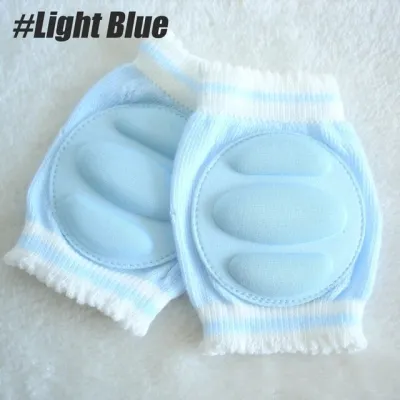
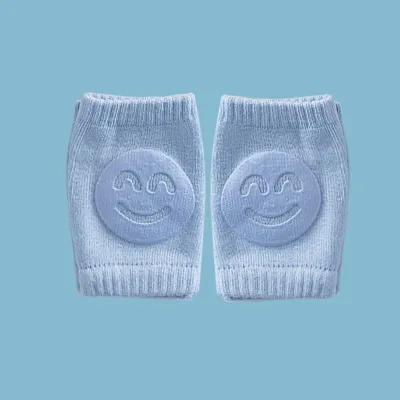
![[Cartoon] Baby Infant Cartoon Breathable Mesh Crawling Knee Pads ChildrenS Sponge Knee Pads Crawling Toddler Anti-Fall And Anti-Knock Safety Protector](https://img.lazcdn.com/g/p/5878e1c05587773fbf70460696c9a554.jpg_400x400q80.jpg_.webp)
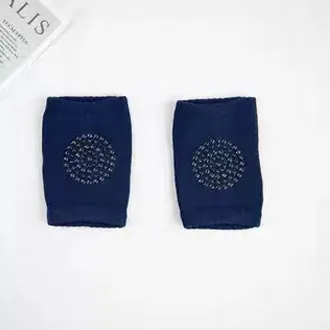
![[SG Ready Stock] SOC006A Baby Boy Girl Crawling Pad Baby Knee Elbow Guard Socks Embroidered details [Little Gems] Breathable Durable Cute unisex bear bunny](https://img.lazcdn.com/g/p/f6a792cb08a79aee3ce62be42a716c7c.jpg_400x400q80.jpg_.webp)
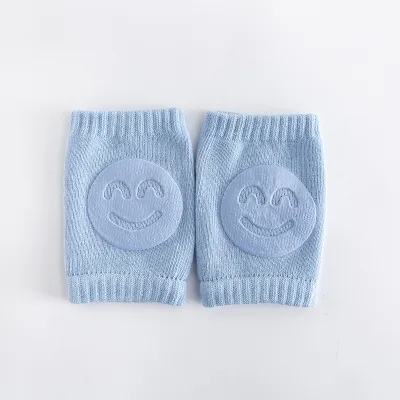
![[𝐒𝐆 𝐒𝐞𝐥𝐥𝐞𝐫] BabySPA Baby Knee Protection Pads for Edge Corner Anti-Fall Soft Shock Absorbent Pads for Kids](https://img.lazcdn.com/g/p/5115ec69f06507970a0905efa056fcb5.jpg_400x400q80.jpg_.webp)
Prices are valid at publication and may change. Please refer to the product page for the latest price.
Strap-on knee pads, on the other hand, feature an open-backed or semi-open design secured by adjustable straps, typically utilizing hook-and-loop fasteners. This structural mechanism allows caregivers to control the exact circumference of the upper and lower bands independently. Because the tension is concentrated directly along the narrow paths of the straps rather than distributed across a wide fabric sleeve, strap-on designs require careful adjustment to prevent localized pressure.
How these designs interact with a baby’s leg during active crawling depends heavily on joint movement. As a baby flexes and extends their knee to crawl, the skin and muscle tissue around the joint expand and contract. Slip-on sleeves expand dynamically with this movement, but they can bunch up behind the knee if the fabric is too loose or lacks sufficient elastic recovery. Strap-on designs leave the back of the knee relatively open, which reduces fabric bunching but may cause the straps to shift or dig into the skin if the baby transitions rapidly between crawling, sitting, and standing.
Ultimately, securing a proper fit is not about finding a universally effective style, but rather matching the physical mechanism of the pad to your baby’s specific proportions. A design that stays securely in place on one infant may slide off another within minutes of active play. Understanding these mechanical differences allows you to evaluate how each style will perform on your baby’s legs.
Matching the Attachment Style to Your Baby's Leg Shape
A baby’s physical development is highly individual, with leg volume and shape changing rapidly. Slip-on knee pads are generally well-suited for babies with fuller, rounder legs. The natural volume of a chubbier leg provides the necessary surface tension to stretch the elastic sleeve slightly, creating a secure, non-slip grip without excessive tightness. On these babies, the elastic cuffs rest comfortably against the skin, utilizing friction to prevent the pad from sliding down during vigorous forward movement.

For babies with more slender legs, slip-on designs often present challenges. If the baby’s thigh and calf circumferences are smaller than the relaxed diameter of the sleeve, the knee pad will lack the friction required to stay up. During active crawling, floor friction will easily drag a loose sleeve down to the ankle. In these instances, or during transitional growth phases where a baby is between standard sizes, strap-on knee pads offer a practical alternative.
Strap-on designs allow you to customize the tightness of the bands to accommodate slender limbs. Because you can pull the straps to a precise tension, you can eliminate the gaps that typically cause slip-on sleeves to slide. This adjustability is also beneficial when your baby wears thicker clothing, as the straps can be loosened to fit over leggings or trousers, and then tightened when worn directly on bare skin.
To avoid fit issues, caregivers should always consult the manufacturer’s specific sizing guidelines before purchasing. Rather than relying on generic age recommendations, look for packaging details that specify weight ranges or thigh-circumference measurements. Measuring your baby’s thigh and calf with a soft measuring tape before shopping provides a reliable baseline, helping you determine whether a fixed-diameter slip-on or an adjustable strap-on is more likely to provide a secure fit.
Evaluating Comfort and Skin Sensitivity Risks
Because a baby’s skin is exceptionally thin and delicate, the friction and pressure exerted by knee pads can lead to irritation. Slip-on designs, while generally soft, carry a risk of elastic dig-in or rolling. If the elastic bands at the openings of the sleeve are too tight, or if the fabric rolls inward, it can restrict localized circulation or leave deep indentations. This risk is particularly relevant during prolonged crawling sessions in warm, humid environments, where sweat can accumulate under synthetic fibers, increasing the likelihood of heat rash or friction rubs.
Strap-on designs present a different set of skin sensitivity risks. The edges of hook-and-loop fasteners can be stiff or sharp; if the strap is misaligned, these rough edges can rub directly against the baby’s skin, causing scratches or localized redness. Additionally, any hard plastic buckles or thick seams can create uneven pressure points when the baby presses their leg against the floor or sits back on their heels.
To minimize these risks, caregivers must actively inspect the construction of any knee pad before use. Look for strap-on models that feature wide, padded bands that shield the skin from the fastening mechanism, and ensure that hook-and-loop sections are fully covered when fastened. For slip-on styles, prioritize breathable, moisture-wicking fabrics with flat-lock seams that lie flat against the skin without bunching.
Regardless of the design you choose, it is essential to monitor your baby’s skin closely. Remove the knee pads immediately after each crawling session and inspect the legs. Mild, temporary pinkness that fades within a few minutes is normal, but deep red marks, persistent indentations, or chafed skin indicate that the fit is incorrect or the material is too abrasive. If these signs appear, stop using the product and consider adjusting the tension, switching styles, or consulting a professional if skin irritation persists.
Comparing Key Fit, Security, and Comfort Factors
To help you weigh the practical trade-offs between these two designs, the following comparison outlines how each style typically performs across key usability and comfort dimensions.
| Feature / Dimension | Slip-On Knee Pads | Strap-On Knee Pads |
|---|---|---|
| Adjustability | Fixed elastic tension; cannot be adjusted manually. | Highly adjustable; customizable strap tension. |
| Ease of Application | Pulled on like a sock; quick but requires lifting the leg. | Wrapped around the leg; easy to put on without removing shoes. |
| Fit on Slender Legs | High risk of sliding down if leg volume is low. | Low risk; straps can be tightened to fit thin limbs. |
| Skin Friction Points | Potential rolling of elastic bands; sweat accumulation. | Exposed hook-and-loop edges; localized strap pressure. |
| Versatility Over Clothing | Limited; best worn on bare skin or very thin leggings. | High; easily adjusted to fit over various clothing thicknesses. |
Please note that specific performance factors, such as how well the elastic retains its shape over multiple washes or the exact softness of the fasteners, are variable parameters. Caregivers should verify these details by examining the product labels, checking the material composition (such as cotton-to-elastane ratios), and observing the physical recovery of the elastic after stretching.
How to Verify the Right Fit and Know When to Stop Use
Ensuring a safe and secure fit requires active verification both before and during your baby’s play sessions. Once the knee pads are applied, perform a physical gap check to ensure they are not restricting circulation. A reliable method is the finger rule: you should be able to slide one finger comfortably flat beneath the elastic band or strap without having to force it. If the band grips your finger tightly or leaves a deep impression on your skin, the knee pad is too tight and must be loosened or replaced with a larger size.
Next, observe your baby’s movement as they begin to crawl. The primary protective pad must remain centered directly over the kneecap. If the pad consistently shifts to the side, slides down to the shin, or bunches up behind the joint, it will fail to provide protection and may cause the baby to trip or alter their natural crawling gait. Watch for any signs of restricted movement; if your baby struggles to bend their knees, hesitates to crawl, or attempts to pull the pads off, the accessory may be impeding their natural joint articulation.
Caregivers must establish clear stop-use conditions to protect their baby’s physical well-being. Discontinue use immediately if you observe deep red marks, skin indentations that persist for more than a few minutes after removal, or any signs of skin chafing or rash. Furthermore, if the knee pads consistently slide off despite adjustments, or if your baby shows clear signs of distress or frustration, it is best to stop using them. Remember that knee pads are optional accessories; if a proper fit cannot be achieved, allowing your baby to crawl bare-legged on clean, safe surfaces is often the most practical course of action.
Final Decision Framework for Active Crawlers
When deciding between strap-on and slip-on baby knee pads, your choice should be guided by your baby’s physical build, skin sensitivity, and your daily routine.
You should generally choose slip-on knee pads if:
- Your baby has fuller, rounder legs that can naturally hold the elastic sleeve in place.
- Your baby has highly sensitive skin that is easily irritated by rough strap edges or localized pressure points.
- You prefer a quick, seamless application process that mimics putting on socks.
You should generally choose strap-on knee pads if:
- Your baby has slender legs or is currently between standard slip-on sizes.
- You need the flexibility to adjust the fit over different types of clothing, from bare skin to thicker trousers.
- You require precise control over the tension to prevent the pads from sliding down during high-energy crawling.
It is important to recognize that neither style may be suitable if your baby actively resists wearing items on their legs, or if the pads consistently interfere with their natural crawling, sitting, or standing postures. Before purchasing, always verify that the product label provides clear sizing measurements, detailed material composition, and care instructions. If your baby has an existing skin condition, such as eczema, or if you have concerns about their joint development, consult a qualified pediatrician or healthcare professional before introducing knee pads into their daily routine.
Community discussion
Share your experience or ask a question. Comments are reviewed before publication.