
Selecting the right child lock for your doors depends entirely on the door’s physical design, its opening mechanism, and your household’s daily traffic patterns. While strap locks offer exceptional flexibility for sliding panels and lever handles, magnetic locks provide a completely hidden security solution for standard hinged doors, and knob covers offer a tool-free option for classic round doorknobs. No single lock type fits every scenario, meaning a thoughtful assessment of your home’s entryways is the first step toward creating a secure environment for your growing child.
When childproofing a home, caregivers often face a dizzying array of safety hardware. Choosing the wrong mechanism can lead to damaged door frames, bypassed locks, or daily frustration for adults trying to navigate their own living spaces. By understanding the mechanical strengths and physical limitations of strap locks, magnetic locks, and knob covers, you can match each door in your home with a lock that balances reliable childproofing with practical adult access.
Strap Locks: Flexibility for Sliding Doors and Lever Handles
Strap locks consist of a flexible band—usually made of plastic, silicone, or woven fabric—anchored by two adhesive mounts. This design makes them incredibly versatile, as they can bend around corners, span wide gaps, and secure doors that do not sit flush with their frames. If your home features sliding patio doors, French doors, or modern lever-handle doors, strap locks are often the most adaptable option available.
Products mentioned in this guide
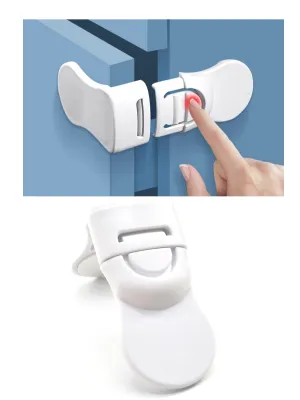
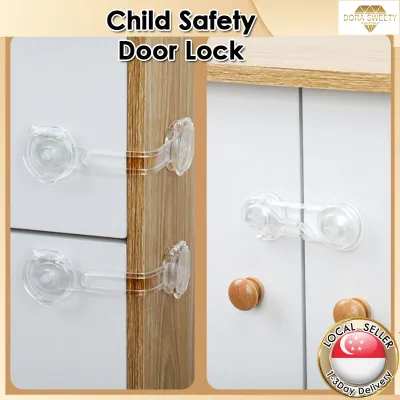
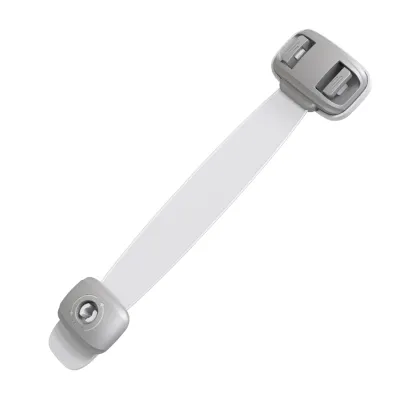
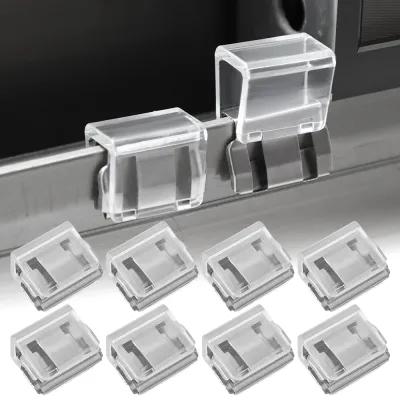
![[SG Local Stock] Baby Safety Lock Childrens Anti-pinch Safety Lock Catch Anti-collision Premium Safety Locks Self-adhesive Baby Safety Buckle For Cabinet Drawer Fridge Door Wardrobe Children Day Gifts](https://img.lazcdn.com/g/p/638abdf5a97199a85681991ebc624026.jpg_400x400q80.jpg_.webp)
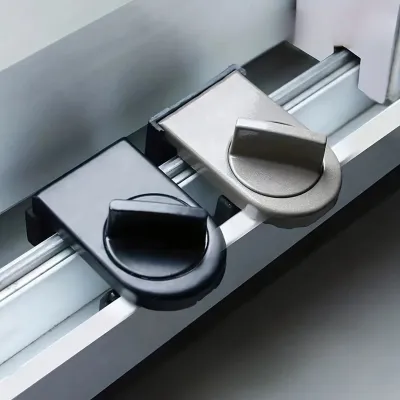
Prices are valid at publication and may change. Please refer to the product page for the latest price.
Before purchasing, it is essential to check your door’s surface material and finish to ensure adhesive compatibility. Smooth, non-porous surfaces like glass, metal, and finished PVC provide the strongest bond for heavy-duty adhesives. Conversely, textured wood, matte paint, or unfinished surfaces may prevent the adhesive from curing properly, which can lead to the lock peeling off under moderate pressure.
You must also evaluate the strap length and the specific locking mechanism type. Some strap locks feature adjustable bands that can be trimmed to size, while others have fixed lengths. A strap that is too loose will allow a door to open slightly, potentially creating a gap wide enough to pinch small fingers. Look for mechanisms that require a dual-action press or a sliding latch, which are difficult for toddlers to coordinate but manageable for adults.
Finally, consider the visual impact and the daily steps required for adult access. Because strap locks must be mounted on the exterior of the door, they are highly visible. If you are installing them on high-traffic doors, such as a main hallway closet or a utility room, ensure that the unfastening process is simple enough to perform with one hand while carrying a child or laundry basket.
Magnetic Locks: Discreet Security for Standard Hinged Doors
Magnetic locks are designed to remain completely invisible from the outside of the door, preserving the aesthetic of your home. They operate using a spring-loaded latch installed on the inside of the door frame, which only disengages when a specialized magnetic key is placed against the exterior surface. This makes them an excellent choice for standard hinged doors where visible plastic hardware is undesirable.

To ensure a proper fit, you must verify the door frame and door edge clearance before installation. Because the lock body and the magnetic catch must align precisely inside the door jamb, a tight-fitting door with minimal clearance may rub against the hardware or prevent the door from closing fully. Measuring the internal gap between the door and the frame is a critical step before committing to this style.
Installation requirements also vary significantly between models. While many magnetic locks offer heavy-duty adhesive tape for a tool-free setup, heavier solid-wood doors may require optional screw mounting to withstand the force of a determined toddler pulling on the handle. If you choose adhesive mounting, the surface must be thoroughly cleaned and allowed to cure according to the manufacturer’s instructions to prevent premature failure.
A key consideration for daily use is establishing a strict household routine for the magnetic key. Because the lock cannot be opened without the key, losing it can result in being locked out of a room. Caregivers should place magnetic key docks high on the wall or on a nearby metal surface, ensuring they are always out of reach of children but easily accessible to adults. Keeping a spare key in a designated, secure location is highly recommended.
Knob Covers: Quick Solutions for Round Doorknobs
Knob covers are hollow plastic shells that snap directly over standard round doorknobs. They work by spinning loosely around the knob when a child tries to turn it, preventing the latch from retracting. To open the door, an adult must insert their fingers through specific holes in the cover to grip the actual metal knob underneath, or squeeze designated pressure points on the cover’s sides.
To ensure the cover works effectively, you must measure your doorknob’s diameter and shape. Most covers are designed for standard, spherical brass or stainless steel knobs. If your home has oval, oversized, or highly decorative doorknobs, the cover may fit too tightly, preventing it from spinning freely, or it may fail to snap shut around the neck of the knob. A loose or improperly fitted cover can easily be pulled off by a persistent child.
Another physical factor to check is the clearance between the doorknob and the door frame. Because knob covers add significant bulk to the handle, they can scrape against the door jamb or trim when the door is opened or closed. Ensure there is at least a few millimeters of clearance around the entire circumference of the knob to prevent the plastic cover from catching on the frame.
Lastly, evaluate the grip strength and manual dexterity required to operate the cover. While designed to be simple for adults, some models require a firm squeeze that can be difficult for elderly family members, guests, or anyone with limited hand strength. In an emergency, adults must be able to operate the cover instantly, so testing the mechanism yourself before installing it throughout the home is a wise safety measure.
Comparing Installation, Daily Use, and Surface Impact
When comparing these three lock types, the long-term impact on your home’s surfaces is a major deciding factor. Adhesive-based strap locks and magnetic locks carry a risk of leaving sticky residue or pulling off paint and wood veneer when they are eventually removed. Knob covers, on the other hand, require no adhesives or screws, making them completely non-damaging and ideal for preserving delicate finishes or expensive hardware.
Daily usability also differs greatly in terms of time, effort, and noise. Strap locks require you to manually unlatch and re-latch the strap every time you pass through, often producing a loud clicking sound that can disturb a sleeping baby. Magnetic locks are virtually silent but require you to carry or locate the magnetic key for every single entry. Knob covers allow for quick passage once you master the squeeze-and-turn technique, but they can become physically tiring if installed on doors you open dozens of times a day.
Structural modifications and door warranties must also be weighed. Drilling holes to mount magnetic locks or heavy-duty strap locks provides the most secure hold, but it permanently alters the door. This can void manufacturer warranties on high-end doors and may violate rental agreements. Peel-and-stick options avoid structural damage but rely entirely on the quality of the adhesive bond, which can degrade over time.
How to Choose the Right Lock for Your Door Style
To select the most effective child lock, match the mechanism to the specific physical characteristics of your door. If you are dealing with sliding glass doors, French doors, or modern lever handles, strap locks are the most practical choice. Their flexible design allows them to span unusual gaps and secure handles that cannot accommodate traditional covers or internal magnetic latches.
For standard hinged doors where you want to maintain a clean, uncluttered interior design, magnetic locks are the ideal solution. They keep the safety hardware completely hidden from view, making them perfect for pantry doors, hallway closets, or home offices. However, you must ensure your door frame has the necessary internal clearance to house the latch mechanism without obstructing the door’s movement.
If you are looking for a temporary, highly portable, and completely drill-free solution for standard round doorknobs, knob covers are the clear winner. They are exceptionally well-suited for rental properties, visits to grandparents’ homes, or temporary childproofing needs, as they can be snapped on and off in seconds without leaving a trace.
Before making a final decision, always verify the manufacturer’s specifications if your door features unusual dimensions, integrated smart locks, or fragile surface finishes. Smart locks with touch sensors or automatic handles may be incompatible with external strap locks or bulky knob covers, requiring specialized childproofing solutions that do not interfere with the electronic components.
Safety Checks and When to Stop Using a Lock
Regular maintenance is essential to ensure that your child locks remain secure and functional over time. Caregivers should inspect adhesive bonds and mechanical joints at least once a month. In humid environments, such as tropical climates, moisture and warmth can gradually weaken adhesive backings, causing locks to slip or peel off unexpectedly when pulled.
You should immediately stop using any lock and consult the manufacturer if the mechanism begins to jam, slip, or prevent the door from opening smoothly. A malfunctioning lock is not only a safety hazard for a child who might gain access to a restricted area, but it also poses a risk of trapping adults inside a room during an emergency.
Finally, ensure that your chosen child lock does not interfere with the door’s primary safety functions. Locks should never be installed on fire-rated doors or primary emergency exit doors in a way that slows down evacuation. Always prioritize rapid, unhindered egress for adults and emergency personnel over childproofing on critical exit routes.
Frequently Asked Questions (FAQ)
Can I use these child locks on rental properties without damaging the doors?
Yes, you can secure doors in a rental property without causing permanent damage. Knob covers are the safest option for round doorknobs because they snap on without any adhesive or screws. If you must use adhesive-based strap or magnetic locks, look for high-quality damage-free adhesives and use proper removal techniques. When it is time to remove them, apply heat from a hair dryer to soften the adhesive, then gently saw through the foam backing with dental floss before cleaning any remaining residue with a mild adhesive remover.
What should I do if a magnetic lock fails and the door is stuck?
If a magnetic lock fails to disengage, do not attempt to force the door open immediately, as this can damage the frame. First, verify that you are using the correct magnetic key and that it is aligned precisely with the internal latch mechanism. If the latch is stuck, try tapping the door gently near the lock location to help release a bound spring, or use a slightly stronger magnet if you have one available. If the door remains stuck, consult the manufacturer’s troubleshooting guide or contact a professional locksmith to resolve the issue safely.
Community discussion
Share your experience or ask a question. Comments are reviewed before publication.