
When preparing for a new baby, choosing the right bathing equipment and skincare is a top priority for parents in Singapore. Brands like Stokke are highly popular for their innovative designs, such as the folding Stokke Flexi Bath. However, safety-conscious parents often search for reassurance regarding local regulatory approvals, specifically asking if these products are certified by Singapore’s Health Sciences Authority (HSA).
To answer this directly: The HSA does not issue “certifications” or “approvals” for baby bath accessories like plastic tubs, support seats, or toys. These items are classified as general consumer goods and fall under the safety oversight of the Consumer Product Safety Office (CPSO) rather than the HSA. If you are referring to baby bath cosmetic products, such as liquid washes or shampoos, these are regulated by the HSA under cosmetic regulations. However, even these cosmetic items do not receive an official “HSA certification”; instead, they must go through a mandatory notification process submitted by the local importer before they can be legally sold in Singapore.
Understanding this distinction is crucial for navigating baby product safety locally. Rather than looking for an elusive “HSA certified” stamp on a plastic baby tub, parents should learn how to verify the safety standards of physical bath gear and check the notification status of any associated skincare products.
Products mentioned in this guide
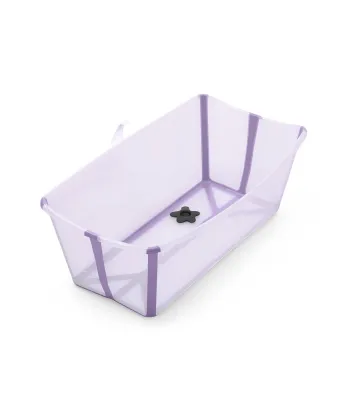
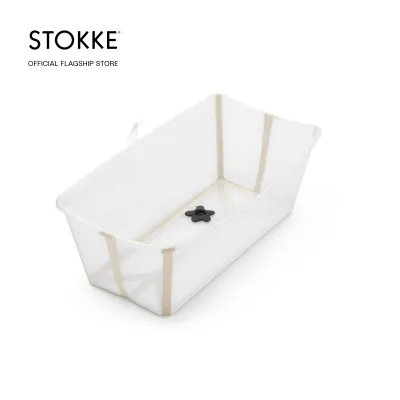
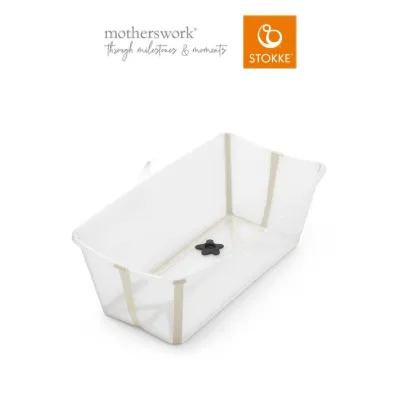
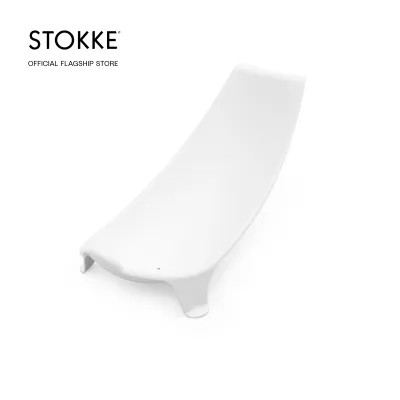
Prices are valid at publication and may change. Please refer to the product page for the latest price.
Understanding Local Safety Regulations for Baby Bath Products
The Health Sciences Authority (HSA) in Singapore regulates health products, including medical devices, therapeutic products, and cosmetics. Baby bath cosmetics—such as washes, shampoos, bubble baths, and lotions—fall under the regulatory category of cosmetic products. These are governed by the ASEAN Cosmetic Directive (ACD), which sets out strict guidelines to ensure product safety. Under this directive, cosmetic products must not contain prohibited ingredients, and restricted ingredients must only be used within specified limits.
Unlike prescription medicines, cosmetic products do not undergo a pre-market evaluation or approval process by the HSA. Instead, the local company responsible for placing the product on the Singapore market must submit a product notification to the HSA before sale. This notification serves to inform the authority of the product’s entry into the market, detailing its ingredients, manufacturing source, and labeling compliance.
The safety of these products is maintained through post-market surveillance. The HSA monitors the market, conducts random product testing, and acts on reports of adverse reactions or safety issues. If a product is found to be unsafe or non-compliant, the HSA has the authority to recall it and issue public alerts. This system balances market access with consumer safety, placing the primary responsibility on manufacturers and importers to ensure their products are safe before distribution.
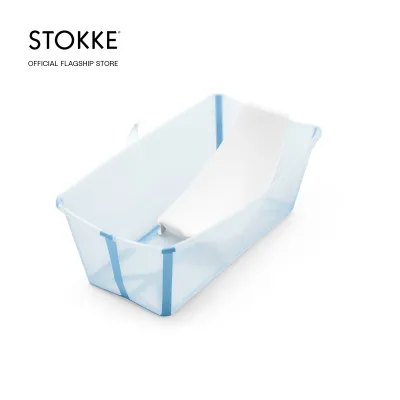
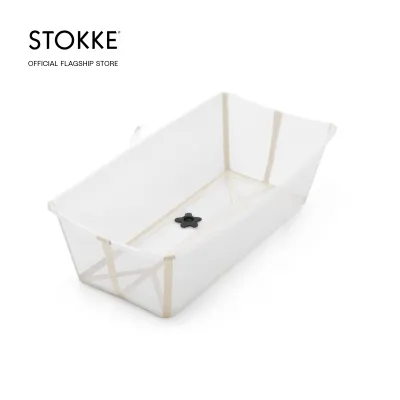
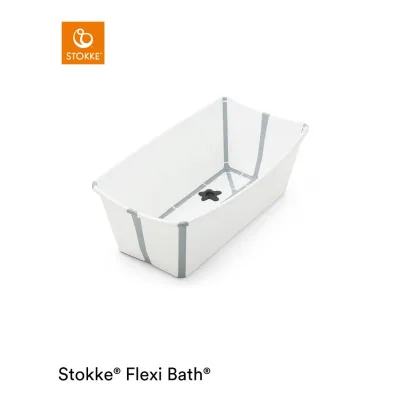
For physical baby bath products, such as the Stokke Flexi Bath tub or the newborn support insert, the regulatory framework is entirely different. These are not health or cosmetic products, so they do not fall under the jurisdiction of the HSA. Instead, they are classified as general consumer goods. In Singapore, general consumer goods are monitored by the Consumer Product Safety Office (CPSO), which ensures that products sold to consumers do not pose safety hazards and comply with international safety standards.
How to Verify Compliance for Stokke Bath Items
Since Stokke is primarily known for its physical bath accessories—specifically the Stokke Flexi Bath and its accompanying newborn support—parents must focus on physical safety standards and official distribution channels. To ensure that the Stokke bath product you are buying complies with local safety expectations, purchase directly from authorized local distributors, official brand stores, or reputable department stores in Singapore. Products sourced through official channels are vetted to ensure they meet local consumer safety guidelines and have legitimate supply chains. Be cautious when buying from unauthorized third-party sellers on online marketplaces, as these items may be parallel imports that do not carry local warranty support or may even be counterfeit.

Next, inspect the product packaging for safety standards. For physical bath accessories like the Stokke Flexi Bath, look for compliance with recognized international safety standards. For instance, European Standard EN 17072 specifies safety requirements and test methods for children’s baths and stand accessories. Legitimate products will often list these standards on their packaging or user manuals, giving you confidence in their structural integrity.
Additionally, check for clear manufacturer labeling. A compliant product should have clear instructions for use, weight limits, age recommendations, and safety warnings printed in English. For the Stokke Flexi Bath, this includes warnings about water levels, drowning hazards, and the proper installation of the newborn support. If you are evaluating any baby skincare or bath cosmetic products associated with the brand, check the packaging for mandatory local labeling. This must include the full ingredient list, the name and address of the local importer in Singapore, the country of manufacture, and a traceable batch number or expiry date.
You can also contact the local distributor or customer service to request safety data sheets or confirmation of the product’s HSA notification status if you have specific concerns about ingredients. Legitimate distributors are typically transparent and willing to provide compliance documentation to reassure parents.
Essential Safety Checks for Baby Bath Time
Regardless of regulatory notifications or brand reputation, parents must perform their own safety checks before and during every baby bath time. For physical bath equipment like the Stokke Flexi Bath, always verify the age and development stage suitability. The Stokke Flexi Bath is designed for babies from birth up to four years, but the newborn support accessory is specifically intended for infants who cannot sit up unaided. Check the manufacturer’s documentation for precise weight limits and stop using the newborn support as soon as your baby reaches the maximum weight limit or begins attempting to sit up independently.
Inspect the physical condition of the tub before every use. Check that the folding mechanism locks securely, the non-slip base is clean and functional, and the drain plug (which may have a heat-sensitive color-changing feature) is tightly sealed and undamaged. A damaged plug or a compromised folding hinge can lead to sudden water leakage or structural collapse during use.
Prioritize caregiver supervision above all else. No safety accessory can replace active adult supervision. Never leave your baby unattended in the bath, even for a split second, and even if using a newborn support seat. Drowning can occur silently and in very shallow water. Keep your hands on your baby at all times and ensure all bath items, towels, and clothing are within arm’s reach before you begin.
For baby bath cosmetic products, examine the ingredient list carefully. Infant skin is thinner and more permeable than adult skin, making it highly sensitive. Many parents choose to avoid potential irritants such as strong synthetic fragrances, artificial colorants, parabens, and harsh foaming agents like sodium lauryl sulfate (SLS). Opt for mild, soap-free, and tear-free formulations that are specifically designed for sensitive infant skin.
Verify the product’s physical integrity. Ensure the seal is intact upon purchase. Check the expiry date and batch number; do not use products that have expired or have been stored in direct sunlight or high humidity, as this can degrade the preservatives and lead to bacterial contamination.
Conduct a patch test. Before using any new bath wash or lotion all over your baby’s body, apply a small dime-sized amount to a patch of healthy skin, such as the inner arm or thigh. Leave it on for 24 hours and observe for any signs of redness, swelling, or dryness. Repeat this for two to three days to rule out delayed allergic contact dermatitis.
Recognizing Reactions and When to Seek Medical Help
Even when using high-quality, notified products, a baby’s sensitive skin can occasionally experience an adverse reaction. Parents must know how to identify these signs and when to take action. Monitor your baby during and after bath time for observable signs of skin irritation or allergic reactions. These include sudden redness, hives (raised, itchy welts), dry or flaky patches, small red bumps, or localized swelling. Behavioral signs, such as unusual crying, fussiness, or scratching at the skin during or after the bath, can also indicate discomfort or itching.
If you suspect a reaction to a bath product, take immediate, low-risk steps. Safely remove your baby from the bath and thoroughly rinse their skin with lukewarm, plain water to wash away any remaining product residue. Gently pat the skin dry with a clean, soft towel—do not rub, as this can worsen irritation. Discontinue the use of the suspected product immediately and avoid applying any other scented lotions or creams to the affected area.
Know when to seek professional medical help. While mild redness may resolve on its own after stopping the product, you should consult a pediatrician or a pediatric dermatologist if the rash does not improve within 24 to 48 hours, if it spreads extensively across the body, or if the skin becomes broken, oozing, or shows signs of infection (such as pus or increased warmth). Seek emergency medical care immediately if the reaction is accompanied by systemic symptoms, such as swelling of the face, lips, or tongue, difficulty breathing, wheezing, or extreme lethargy.
Frequently Asked Questions (FAQ)
Does the health authority test every batch of baby bath products?
No, the Health Sciences Authority (HSA) does not test every batch of baby bath or cosmetic products before they are sold in Singapore. The regulatory framework relies on a post-market surveillance system. Importers must notify the HSA before placing cosmetic products on the market, declaring that the products comply with safety guidelines. The HSA then monitors safety by conducting risk-based sampling, testing products collected from retail shelves, and investigating adverse reaction reports submitted by consumers and healthcare professionals.
What should I do if my baby reacts to a Stokke bath product?
If your baby experiences a skin reaction, stop using the product immediately and rinse the skin with plain water. Take clear photos of the reaction to document its appearance and progression. Keep the product packaging, as the batch number, expiry date, and full ingredient list are critical details for your pediatrician to review. If the reaction is severe or persistent, seek medical attention. You can also report the adverse event to the retailer or the HSA to assist with local safety monitoring.
Community discussion
Share your experience or ask a question. Comments are reviewed before publication.