
When preparing a nursery in Singapore, choosing a safe sleep space is one of the most critical decisions you will make for your newborn. A high-quality baby cot must provide more than just aesthetic appeal; it must serve as a secure, tested environment that protects your infant during unsupervised sleep. If you are considering a stokke baby cot, such as the iconic oval Stokke Sleepi, understanding exactly which safety standards these premium products meet—and how to verify them—is essential before making your investment.
Premium nursery furniture represents a significant financial commitment, with convertible cot systems often ranging from S$800 to over S$1,500 in the local market. Given this investment, parents must look beyond brand reputation and marketing claims to verify physical compliance certifications. This guide outlines the key international safety frameworks that apply to these cots, explains how to locate and verify official certification marks, and details the essential physical safety checks you must perform at home.
Understanding Key Baby Cot Safety Standards (EN, ASTM, and Local Rules)
Before evaluating a specific brand, you must understand what international safety standards actually test. These frameworks are designed to simulate years of wear and tear, ensuring that the cot remains structurally sound and free of hazards throughout your child’s early years. The three most prominent standards recognized globally for baby cots are the European EN 716, the United States ASTM F1169, and the joint Australian/New Zealand AS/NZS 2172.
Products mentioned in this guide
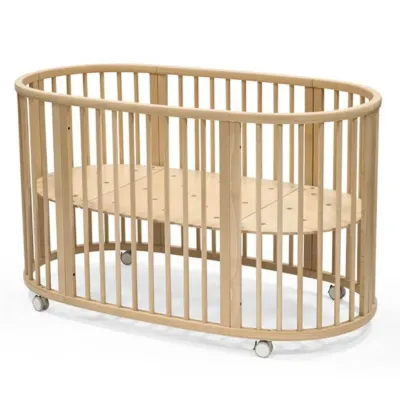
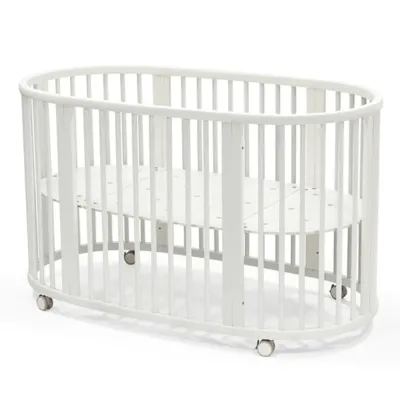
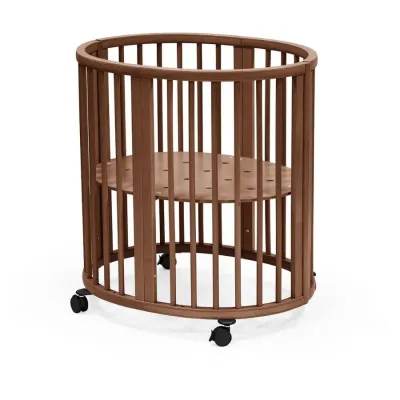
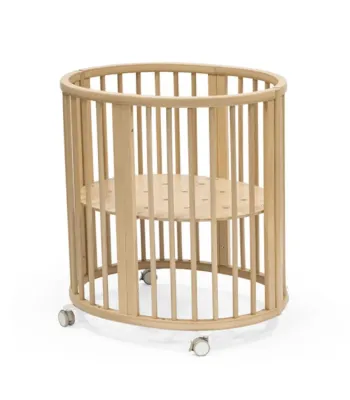
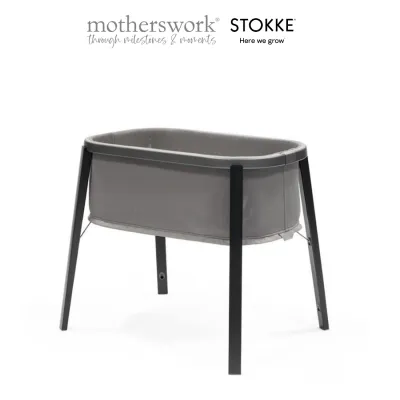
Prices are valid at publication and may change. Please refer to the product page for the latest price.
Each of these standards mandates strict physical dimensions and material limits to prevent accidents. For example, they regulate the distance between the cot slats, which must be kept between 45 mm and 65 mm. This specific range is calculated to prevent a baby’s head, limbs, or torso from slipping through and becoming trapped. Furthermore, these standards dictate the minimum height of the cot sides to prevent falls, and they require rigorous load-bearing tests to ensure the mattress base cannot collapse under a child’s weight.
In Singapore, consumer goods are monitored by Enterprise Singapore under the Consumer Protection (Safety Requirements) Registration Scheme and general safety regulations. Because Singapore does not maintain a separate, isolated domestic manufacturing standard for baby cots, the local market relies heavily on these established international frameworks. When you purchase a cot locally, verifying that it complies with EN 716 or ASTM F1169 is the most reliable way to ensure the product meets stringent safety requirements.
How to Verify Safety Certifications on Your Stokke Baby Cot
To ensure your specific cot is fully certified, you should perform a physical and digital verification process rather than relying solely on retail descriptions. Manufacturers who comply with international standards are required to print or stamp safety information directly onto the product. This ensures that even if the original packaging is discarded, future users can verify the cot’s compliance and origin.

First, inspect the physical frame of your cot. On models like the Stokke Sleepi, you will typically find a permanent tracking label or adhesive safety tag affixed to the inner surface of the lower frame rails or on the underside of the mattress support base. This label contains critical information, including the specific model name, the manufacturing date, the batch production number, and the explicit safety standards the product was manufactured to meet.
Next, cross-reference these details with official documentation. You can download the official user manuals and compliance certificates directly from the global Stokke website or request them from an authorized distributor in Singapore. Matching the batch number and manufacturing date is highly important because safety standards are periodically updated. For instance, older cots manufactured before major regulatory updates may not comply with modern safety protocols, making the production date a vital metric for pre-loved or hand-me-down furniture.
Finally, exercise extreme caution when purchasing from third-party online marketplaces or peer-to-peer reseller platforms. Listings on these platforms often use generic product descriptions that may not reflect the actual condition, model year, or certification status of the specific item being sold. Always insist on seeing photos of the physical safety labels and the original user manual to confirm that the cot has not been modified or compromised.
Essential Physical Safety Checks for Assembly and Daily Use
Even a fully certified cot can become hazardous if it is assembled incorrectly or maintained poorly. Transitioning from paper certifications to practical, in-home safety checks ensures that the cot functions exactly as it was engineered and tested in the laboratory.
The Mattress Fit Test To prevent dangerous entrapment hazards, you must perform the “two-finger rule” across all sides of the mattress. Place the mattress inside the cot and attempt to slide your index and middle fingers between the edge of the mattress and the wooden frame. If you can fit more than two fingers into the gap, the mattress is too small for the frame. A gap larger than 3 cm poses a severe risk where an infant’s head or limbs can become wedged, potentially leading to suffocation.
Hardware and Joint Inspection During the initial assembly, follow the manufacturer’s printed instructions exactly, utilizing only the original screws, brackets, and tools provided in the box. Do not use substitute hardware from a local DIY store. Because Singapore’s tropical climate features high relative humidity, wood can naturally expand and contract over time, which may gradually loosen joint connections. Establish a routine monthly check to tighten all hardware, inspect the locking mechanisms on the wheels, and ensure no wooden components have splintered or cracked.
Safe Sleep Environment Alignment While a cot’s structure may be certified safe, the items you place inside it can introduce severe risks. To align with pediatric safe sleep guidelines, the sleep surface must remain completely flat, firm, and bare. Do not place crib bumpers, pillows, heavy blankets, quilts, or soft toys inside the cot. These items are primary suffocation and strangulation hazards for infants who cannot yet roll over or move away from soft obstructions.
Drop-Side and Adjustable Base Checks If your cot features an adjustable mattress base, you must verify that the supporting brackets are fully locked and level. When adjusting the base height as your baby grows, double-check that all locking pins are completely engaged before placing your child inside. If you are using a model with removable side panels for older children, ensure the remaining structural components are securely fastened according to the manual to prevent the frame from flexing or warping.
When to Stop Using or Transition the Baby Cot
As your child develops, their physical capabilities will eventually outgrow the protective design of a standard cot. Recognizing these developmental milestones is crucial to preventing falls, which are among the most common nursery-related accidents.
- The Pull-to-Stand Milestone: The moment your baby can pull themselves up to a sitting or standing position, you must immediately lower the mattress base to its lowest setting. This maximizes the distance between the top of the mattress and the top rail, preventing the child from shifting their center of gravity over the edge.
- The Climbing Milestone: If your child reaches a height of approximately 89 cm, or if they actively attempt to climb out of the cot regardless of their height, you must stop using the fully enclosed cot configuration immediately. At this stage, the risk of a fall outweighs the containment benefit of the high sides.
- Structural Wear and Tear: Regularly inspect the cot for physical signs of aging. Look for hairline cracks in the curved wooden panels, loose dowels that wiggle when pressed, or peeling lacquer. If any structural component is cracked or compromised, stop using the cot immediately and contact the manufacturer for certified replacement parts.
- Safe Transitioning: When transitioning your child out of the cot, utilize official conversion kits designed specifically for your model. For example, the Stokke Sleepi system offers official toddler bed conversion rails that maintain the structural integrity of the frame. Avoid using improvised or DIY modifications, as these have not undergone safety testing and may fail under load.
Frequently Asked Questions (FAQ)
Are Stokke cots treated with non-toxic finishes?
Yes, premium brands like Stokke typically finish their wooden furniture with water-based, non-toxic lacquers and paints to ensure safety if a teething baby chews on the cot rails. To verify the safety profile of your specific model, check the product documentation for recognized certifications such as Oeko-Tex Standard 100 or compliance with EN 71-3 (the European standard regulating heavy metal migration in toys and children’s products). Never apply aftermarket paints, varnishes, or sealants to the cot, as these can introduce harmful volatile organic compounds (VOCs) and compromise the original non-toxic certification.
Can I use a third-party mattress in a Stokke cot?
Using a third-party mattress in a Stokke cot is highly discouraged and can introduce severe safety risks. This is especially true for the Stokke Sleepi, which features a unique oval shape with highly specific curved dimensions. Standard rectangular mattresses will not fit, and even custom-cut third-party mattresses rarely match the precise tolerances required to pass the two-finger safety test. To maintain the cot’s certified safety profile and eliminate dangerous gap hazards, you should only use the official, manufacturer-specified mattress designed specifically for your exact cot model.
Community discussion
Share your experience or ask a question. Comments are reviewed before publication.