
Massaging your baby is a wonderful way to foster a deep emotional connection while supporting their physical comfort and relaxation. By using a gentle, systematic touch combined with a safe baby massage oil, you can create a soothing routine that helps calm your infant before sleep or after bath time. To perform a baby massage properly, you must prepare a warm, quiet space, select a gentle oil that is compatible with your baby’s skin, and follow a sequence of soft, deliberate strokes that respect your baby’s comfort and cues.
Preparing for a Safe and Relaxing Baby Massage
Creating the right environment is essential for a successful baby massage session. The room should be comfortably warm, ideally around 24°C to 26°C, as babies can lose body heat quickly when undressed. Close any windows or doors to prevent drafts, and dim the lighting to create a serene atmosphere. Soft, low-intensity light prevents harsh glare from shining directly into your baby’s eyes while they are lying on their back. Minimize background noise by turning off televisions, silencing mobile phones, and choosing a quiet corner of your home where you will not be interrupted.
Timing plays a critical role in how your baby responds to a massage. It is best to wait at least 45 minutes after a feeding to prevent spitting up or abdominal discomfort. Avoid massaging your baby when they are overly tired, hungry, or fussy, as they are unlikely to enjoy the experience. A good time to introduce a massage is during a quiet-alert state, which often occurs after a bath or during a calm period in the morning or evening.
Products mentioned in this guide
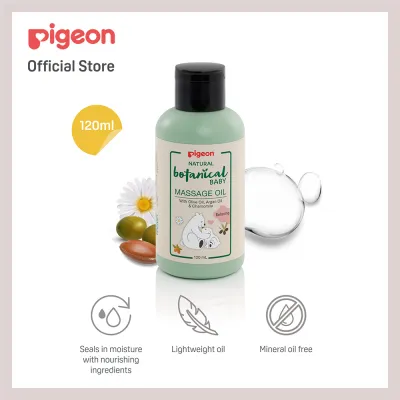




Prices are valid at publication and may change. Please refer to the product page for the latest price.
Before you begin, take a few moments to prepare yourself as the caregiver. Wash your hands thoroughly with warm water and soap to ensure they are clean and warm to the touch. Remove all jewelry, including rings, watches, and bracelets, which could accidentally scratch or irritate your baby’s delicate skin. Ensure your fingernails are trimmed short and filed smooth. Keep all your supplies, including the massage oil, a clean towel, a fresh diaper, and a change of clothes, within arm’s reach so you never have to leave your baby unattended.
Choosing and Testing the Right Baby Massage Oil
Selecting the appropriate oil is a vital step in protecting your baby’s delicate skin barrier. Look for oils specifically formulated for infants, which are typically free from harsh chemicals, synthetic fragrances, parabens, and phthalates. Fragrance-free options are highly recommended, as artificial scents can irritate sensitive skin and overpower the natural scent of the caregiver, which is crucial for bonding. Avoid using oils with strong essential oils or known food allergens, such as peanut oil, which could trigger an allergic reaction or skin sensitivity.

Before applying any new oil to your baby’s body, you must perform a patch test to verify skin compatibility. Apply a single drop of the chosen oil to a small, discreet area of your baby’s skin, such as the inside of their forearm or the side of their thigh. Leave the oil on the skin and monitor the area closely for 24 hours. Check for any signs of irritation, including redness, tiny bumps, swelling, or dry patches. If any reaction occurs, wash the area immediately with mild soap and water, and do not use that product again.
If your baby has a pre-existing skin condition, such as eczema, extremely dry skin, or a compromised skin barrier, consult your pediatrician before introducing any massage oil. Premature babies or infants with highly sensitive skin may require specific medical-grade emollients or may need to avoid oils entirely until their skin barrier matures. Your pediatrician can provide personalized recommendations based on your baby’s unique skin health and developmental stage.
Step-by-Step Baby Massage Technique
The foundation of a safe baby massage lies in gentle, respectful touch and continuous communication. Always begin by warming a small amount of oil between your palms. Rubbing your hands together not only heats the oil to a comfortable temperature but also alerts your baby that the massage is about to start through the soft sound of your hands. Use flat, relaxed hands to apply gentle, consistent pressure. Avoid using your fingertips to poke or prod, as this can feel ticklish or uncomfortable for your baby.
Throughout the session, maintain eye contact and speak or sing softly to your baby. This verbal and non-verbal interaction reinforces their sense of security and helps you monitor their reactions. Pay close attention to your baby’s facial expressions, body language, and vocalizations. If your baby smiles, coos, or relaxes their limbs, they are showing positive cues and are receptive to the massage. If they stiffen, turn away, or begin to fuss, respect their boundaries and pause or end the session immediately.
Massaging the Legs and Feet
Starting the massage with the legs and feet is an excellent way to introduce touch, as these areas are generally less sensitive than the chest or abdomen. Hold one of your baby’s legs gently at the thigh. Using a soft, downward stroking motion, glide your hand from the thigh down to the ankle, mimicking a gentle milking action. Repeat this motion several times on one leg before moving to the other, ensuring your strokes are slow, rhythmic, and continuous.
When massaging the legs, always avoid applying direct pressure to the knee joints or the shinbones. Keep your touch light and supportive around these delicate areas. Once you reach the foot, use your thumbs to gently massage the sole of the foot in small, outward circular motions, starting from the heel and moving toward the toes. Softly stroke each individual toe from the base to the tip, avoiding any pulling or twisting movements. This gentle stimulation helps promote body awareness and relaxation.
Massaging the Tummy and Chest
The torso is a highly sensitive area, so approach it with extra care and gentle movements. For the tummy, place your flat hand just below your baby’s ribcage. Apply very light, clockwise circular strokes around the belly button. Moving in a clockwise direction aligns with the natural path of your baby’s digestive tract, which can help soothe gas and support comfortable digestion. If your baby’s umbilical cord stump has not fully healed or fallen off, completely avoid the abdominal area to prevent irritation or infection.
For the chest, place both of your hands flat on the center of your baby’s chest, near the sternum. Gently stroke outward toward the shoulders, as if you are smoothing the pages of an open book. Bring your hands back down to the center and repeat the outward motion in a continuous, flowing rhythm. Avoid applying any direct pressure to the collarbones or the ribcage, keeping your touch soft and superficial to ensure your baby remains comfortable and relaxed.
Massaging the Arms and Hands
Massaging the upper limbs helps release tension and encourages your baby to relax their hands. Hold your baby’s arm gently at the shoulder. Similar to the leg massage, use a soft, downward stroking motion from the shoulder down to the wrist. Keep your strokes slow and steady, ensuring you support the arm comfortably without pulling on the elbow joint. Repeat this motion on both arms, alternating sides to maintain a balanced rhythm.
When you reach the hands, use your thumbs to gently open your baby’s palm, which is often held in a loose fist. Softly stroke the palm from the wrist toward the fingers. Gently massage each finger from the base to the tip, using a very light rolling motion between your thumb and index finger. Never pull, tug, or apply force to the delicate finger joints, and allow your baby to grasp your finger if they naturally choose to do so during the process.
Massaging the Face and Back
Concluding the massage with the face and back helps transition your baby into a deeply relaxed state. For the face, use your fingertips to apply incredibly light, feather-like strokes. Gently trace across your baby’s forehead, outward from the center to the temples. You can also stroke down the bridge of the nose and across the cheeks toward the ears. Strictly avoid the eyes, nose, mouth, and the fontanelles, which are the soft spots on your baby’s head that must never receive direct pressure.
To massage the back, gently turn your baby onto their tummy, ensuring their arms are positioned comfortably in front of them. If your baby does not enjoy tummy time, you can hold them against your chest or lay them across your lap while supporting their head and neck properly. Use broad, soothing strokes with your flat hand, gliding from the shoulders down to the buttocks. Avoid applying any direct pressure to the spine; instead, keep your strokes on the muscular areas on either side of the backbone to ensure a safe and calming finish.
Recognizing When to Stop and Key Safety Precautions
Understanding your baby’s limits is the most critical aspect of a safe massage routine. Always monitor your baby for signs of distress, overstimulation, or discomfort. If your baby begins to cry, arches their back, stiffens their limbs, turns their head away, or yawns repeatedly, these are clear signals that they have had enough. Do not attempt to force or finish the massage if your baby is showing these signs; instead, stop immediately, wrap them in a warm towel, and comfort them.
There are several health conditions where a massage should be postponed. Never massage your baby if they have a fever, an active skin infection, open wounds, or unexplained rashes. If your baby has recently received vaccinations, wait at least 48 hours before massaging the injection sites, or consult your pediatrician to ensure it is safe to resume. Massaging inflamed or recently vaccinated areas can cause pain and worsen localized swelling or irritation.
Safety must remain your top priority throughout the entire session. Always perform the massage on a stable, low surface, such as a clean mat or blanket on the floor, to eliminate any risk of falls. Because massage oil makes your baby’s skin very slippery, handle them with extreme care and avoid lifting them until the oil has been fully absorbed or wiped away. Store all massage oils securely out of reach of children, and never leave your baby unattended for even a second during the session.
Frequently Asked Questions (FAQ)
Can I use regular adult lotion or cooking oil for baby massage?
Adult lotions and standard cooking oils are not recommended for infant massage. Adult skincare products often contain synthetic fragrances, preservatives, and active ingredients that can easily penetrate and irritate a baby’s thin, developing skin barrier. Similarly, some unrefined cooking oils may contain high levels of oleic acid, which can disrupt the skin barrier and cause dryness or irritation. Always choose a dedicated, fragrance-free baby massage oil and verify the ingredient list to ensure it is safe for infant use.
How often should I massage my baby with oil?
There is no rigid schedule for how often you should massage your baby. You can establish a flexible routine based on your baby’s tolerance, skin condition, and daily schedule. Some parents enjoy a daily massage as part of a bedtime routine, while others may find that two to three times a week is sufficient. If your baby’s skin shows any signs of dryness or irritation, reduce the frequency and consult a pediatrician to ensure the oil and routine are suitable for their skin type.
Community discussion
Share your experience or ask a question. Comments are reviewed before publication.