
Quick Answer: Which Baby Blender Type Do You Actually Need?
When introducing solid foods to your baby, choosing the right preparation tools can significantly ease your daily routine. The choice between a steam-blend baby blender and a blend-only model depends on your available preparation time, kitchen space, and preferred cooking workflow. If you want a hands-off, all-in-one appliance that cooks and purees raw ingredients in a single jug, a steam-blend model is highly convenient. Conversely, if you prefer cooking ingredients in larger batches on your stove or already own steaming tools, a compact, blend-only model offers specialized pureeing power without unnecessary bulk.
Core Differences: How Steam-Blend and Blend-Only Models Work
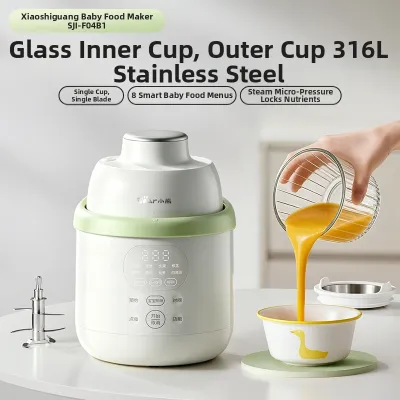
Steam-blend units are integrated, multi-functional appliances designed to streamline the weaning process. These machines feature an onboard water reservoir, a heating element, a steaming basket or chamber, and a motorized blade assembly within a single enclosed jug. To use them, you place raw, chopped ingredients into the basket, fill the water tank, and set a timer. The machine heats the water to generate steam, cooking the food thoroughly. Once the steaming cycle completes, the machine either automatically or via manual control blends the cooked ingredients into a smooth puree. This enclosed system retains the cooking liquids, which can then be incorporated back into the puree to preserve water-soluble nutrients and adjust consistency.

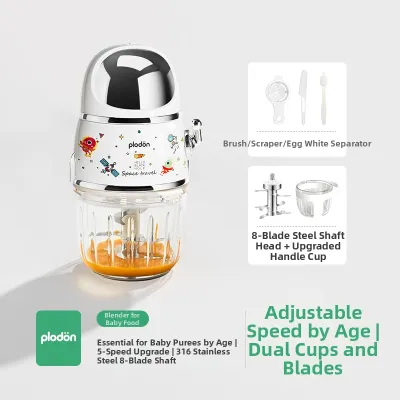
Blend-only models, on the other hand, are dedicated motorized units designed strictly for processing already softened or cooked foods. They do not possess heating elements or water reservoirs. Instead, they focus entirely on motor power, blade geometry, and speed settings to chop, mash, or puree ingredients. Because they rely on external cooking methods—such as boiling on a stovetop, roasting in an oven, or steaming in a microwave—they require you to transfer the cooked food into the blender jug. These models are mechanically simpler, focusing their design on achieving specific textures, from ultra-fine purees to coarser, lumpy blends suitable for older infants.
Products mentioned in this guide
![[SG SELLER] MISUTA 4 in 1 Baby Food Processor Blender and Steamer (SG Local Plug)](https://img.lazcdn.com/g/p/0bb929f86db64c43ec3edea4ec41e195.jpg_400x400q80.jpg_.webp)
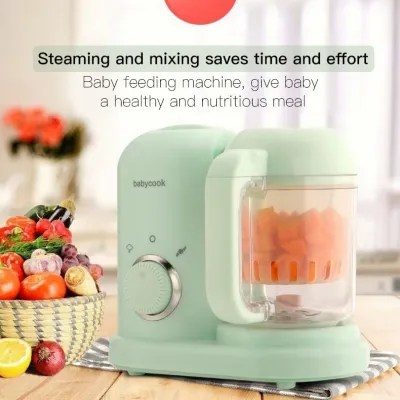
![[NEWLY UPGRADED] TOYOMI NourishMix All-In-One Baby Food Maker BBF 7003](https://img.lazcdn.com/g/p/71065d29f0e3e108344a7919d97f50dc.png_400x400q80.png_.webp)
![[SG Plug] Einmilk Mini Baby Food Blender Cute Small Electric Food Blender Puree Blender Grinder Chopper with 300ml Cup Glass Bowl & 6 Blade](https://img.lazcdn.com/g/p/e9ee7d42b14b3b5fdc5d475c80202df5.jpg_400x400q80.jpg_.webp)
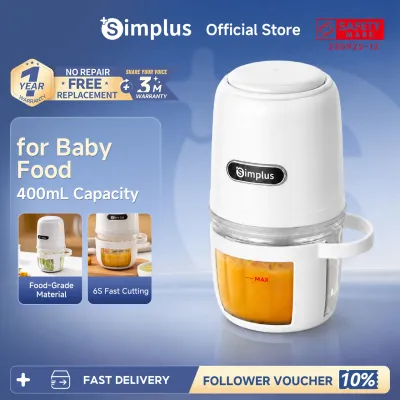
Prices are valid at publication and may change. Please refer to the product page for the latest price.
Key Comparison Dimensions for Your Kitchen
Evaluating which baby blender fits your home requires looking closely at how the appliance integrates into your daily routine. While both types aim to deliver nutritious meals for your infant, they demand very different workflows, physical space, and maintenance routines. To determine the most practical option for your household, you must weigh three primary factors: the time you can invest in meal preparation, the level of texture control needed as your baby grows, and the physical footprint and cleaning demands of the machine in your kitchen.
Prep Time and Batch Cooking
The workflow of a steam-blend model is designed around a “set and forget” philosophy, making it highly attractive for busy caregivers. You chop raw ingredients, place them in the jug, fill the water reservoir, and start the cycle. While the total cycle time is longer—often taking 15 to 30 minutes due to the steaming phase—your active hands-on time is minimal. You do not need to monitor a boiling pot on the stove, allowing you to attend to your baby or manage other household tasks. However, because the jugs are typically small, these machines are generally limited to single- or double-meal batches, requiring daily or highly frequent preparation.
In contrast, blend-only models process food in seconds, but they require you to cook the ingredients beforehand. This two-step process means you must actively monitor a pot, steamer, or oven. Despite this extra step, blend-only models are exceptionally efficient for large-scale batch cooking and freezing. You can steam a large quantity of vegetables on your stovetop in a standard pot, transfer them to the blender in batches, and puree a week’s worth of food in a single session. If your goal is to spend one afternoon preparing and freezing multiple portions of baby food, the rapid processing speed of a blend-only model, combined with standard kitchen cookware, often proves more efficient than running multiple small cycles in a steam-blend machine.
Texture Control and Feeding Stages
As your baby progresses from smooth first foods to textured, lumpy meals, the mechanical capabilities of your blender become increasingly important. Blend-only models are typically engineered with powerful motors and highly responsive controls, such as variable speed dials or manual pulse buttons. This design gives you precise control over the blade’s rotation, allowing you to easily transition from a silky-smooth puree for a six-month-old to a textured, finely chopped mash for an older infant. Many blend-only models also feature specialized blade configurations that can handle dry or low-moisture ingredients without needing excessive liquid.
Steam-blend models, while excellent at producing highly uniform, smooth purees, can sometimes struggle with texture versatility as your baby grows. Because these machines are optimized for cooking and blending in an enclosed environment, they often require a minimum volume of liquid and food to blend effectively. If you attempt to process very small batches or try to achieve a coarse, chunky texture, the blades may spin without catching the food, or they may over-process the ingredients into a paste. Before purchasing a steam-blend model, it is crucial to check the manufacturer’s specifications regarding minimum fill lines and texture settings to ensure the appliance can support your baby’s changing developmental needs beyond the initial weeks of weaning.
Cleanup, Footprint, and Daily Use
Countertop space and cleaning convenience are major considerations, particularly in compact kitchen environments like Singapore’s HDB flats. Steam-blend units tend to have a larger physical footprint because they must accommodate a water reservoir, heating elements, and safety housing alongside the blending jug. Additionally, their maintenance routine is more complex. The water tank must be regularly descaled using food-safe agents, such as citric acid or white vinegar, to prevent mineral scale buildup and potential bacterial growth. Caregivers must also carefully clean the steam pathways, baskets, and blade seals, as trapped moisture in these enclosed areas can lead to mold if not dried thoroughly.
Blend-only models offer a much simpler physical profile. The motorized bases are generally compact and easy to tuck away in a cupboard when not in use. Cleaning is usually straightforward, as most blend-only jugs, lids, and blade assemblies are dishwasher-safe and free of complex internal steam vents. However, you must factor in the total cleanup required for your entire cooking process. While the blender itself is quick to wash, you will also have to clean the pots, pans, or steamer baskets used on the stove to cook the food. If you prefer washing a single appliance rather than a collection of cookware, the steam-blend model’s self-contained design may outweigh its more demanding descaling requirements.
Matching the Blender to Your Cooking Routine
Selecting the right baby blender is not about finding the most advanced machine, but rather identifying the one that aligns with your lifestyle, budget, and cooking habits. In Singapore, steam-blend models typically sit in a higher price band, often ranging from S$120 to S$300 or more, reflecting their complex dual-function mechanics. Blend-only models are generally more budget-friendly, with many reliable options available in the S$50 to S$150 range. The ideal choice depends on how much time you want to spend in the kitchen, whether you prefer fresh daily preparation or batch freezing, and what equipment you already own. By matching the appliance’s strengths to your routine, you can make meal preparation a seamless part of your day.
Choose a Steam-Blend Model If…
A steam-blend baby blender is the ideal choice if you prioritize a highly convenient, hands-off cooking process that minimizes kitchen clutter. This model is perfect for caregivers who want to prepare fresh, single-portion meals daily directly from raw ingredients without managing multiple pots and pans on the stove. If you have limited stovetop space or find it challenging to supervise cooking food while caring for an active infant, the “set and forget” nature of an all-in-one steamer and blender provides peace of mind.
This type of appliance is highly beneficial during the early weaning stage, typically around six months of age, when babies consume very small quantities of ultra-smooth purees. It allows you to steam a single floret of broccoli and a small slice of apple, blend them together in the same container, and serve them immediately. If your daily routine benefits from minimizing active cooking steps and you prefer the simplicity of a single, dedicated appliance that handles the entire process from raw to ready-to-serve, investing in a steam-blend model is highly practical.
Choose a Blend-Only Model If…
A blend-only model is the superior option if you prefer to prepare baby food in large batches to freeze for later use. Because these models are not restricted by the slow heating cycles of built-in steam chambers, you can cook substantial quantities of ingredients on your stove, blend them rapidly in large batches, and store them in the freezer. This approach is highly efficient for busy parents who prefer to dedicate a single afternoon to meal prep rather than cooking daily.
Additionally, a blend-only blender is highly suitable if you plan to transition your baby quickly to modified versions of your family’s meals. You can easily take a portion of the soft, cooked vegetables or grains you have prepared for the household and blend them to the appropriate texture. It is also the most sensible choice if you already own reliable stovetop steamer baskets, a microwave steamer, or other cooking appliances, as it prevents you from paying a premium for heating technology you do not need. If you value precise control over food textures as your baby transitions to lumpy foods, a blend-only model’s variable speeds and pulsing options offer excellent flexibility.
When Neither Might Be the Best Fit
Before purchasing any specialized baby food appliance, it is worth evaluating whether you actually need a dedicated baby blender at all. If your kitchen is already equipped with a high-quality standard household blender, a powerful food processor, or an immersion hand blender, these tools may already meet your needs. Many standard kitchen blenders are fully capable of pureeing fruits, vegetables, and meats to a safe, smooth consistency suitable for infant feeding.
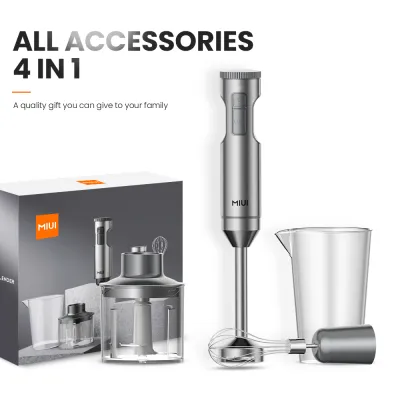
However, you must verify whether your existing appliances can handle the very small batches required during the initial stages of weaning. Standard, full-sized blenders often require a minimum volume of ingredients to submerge the blades properly; attempting to blend a single carrot may result in the food spinning around the jar without being pureed, leaving dangerous, unblended chunks. If your current household blender struggles with small quantities, you might consider using an immersion blender in a narrow cup, or simply mashing very soft, cooked foods with a fork or a manual baby food mill, which can save both money and valuable kitchen storage space.
Safety, Maintenance, and What to Verify Before Buying
When purchasing any baby food preparation appliance, safety and material integrity must be your primary considerations. Always inspect the product specifications and labels to verify that all components that come into direct contact with food or steam are constructed from high-quality, food-grade materials that are entirely free of Bisphenol A (BPA), phthalates, and other potentially harmful chemicals. Because these machines handle hot food and active steam, material stability under high temperatures is critical to prevent chemical leaching.
For steam-blend models, you must verify the appliance’s safety features before operating. Look for models equipped with automatic shutoff mechanisms that trigger when the water reservoir runs dry, preventing overheating and potential fire hazards. It is also important to check the manufacturer’s manual for specific instructions on descaling the water tank. Regular descaling—typically using a mixture of water and food-safe citric acid or white vinegar—is essential to prevent mineral buildup, which can degrade heating efficiency and harbor bacteria. Never use harsh chemical cleaners or abrasive scrubbers inside the water reservoir, and always ensure the unit is unplugged and fully cooled before cleaning.
For blend-only models, prioritize checking the security of the blade locking mechanism and the integrity of the rubber seals. A compromised seal can lead to hot liquids leaking onto the motor base, causing electrical damage or severe burns. Always ensure the blade assembly is securely tightened and locked into the jug before adding any ingredients. When processing hot, cooked foods, always allow the steam to dissipate slightly before sealing the lid, as pressure can quickly build up inside an enclosed blending jug, causing the lid to pop off violently and spray hot liquid.
Regardless of the model you choose, always follow universal safety practices. Never leave a running appliance unattended, especially when children are nearby. If the manufacturer’s care instructions conflict with general cleaning tips, always defer to the official manual. If you notice any signs of wear, such as cracked plastic, frayed power cords, or leaking seals, stop using the appliance immediately and contact the manufacturer or a qualified professional for replacement parts or service.
Frequently Asked Questions (FAQ)
Choosing the right tool for baby food preparation often brings up practical questions about kitchen alternatives and nutritional outcomes. Below are answers to common queries caregivers have when evaluating their options.
Can I use a regular kitchen blender instead of a baby blender?
Yes, you can use a standard household kitchen blender to prepare baby food, provided it is thoroughly cleaned and capable of processing food to an extremely smooth, lump-free consistency. The primary challenge with standard blenders is their size; they are designed for larger volumes and may struggle to blend the tiny, single-serving portions needed during the early stages of weaning. If you use a regular blender, you will likely need to prepare larger batches and freeze the excess in silicone trays. Additionally, ensure the blender is meticulously washed to prevent cross-contamination from strong spices, garlic, or raw meats previously processed in the machine.
Do steam-blend baby food makers preserve more nutrients than stovetop boiling?
Steaming generally preserves more water-soluble vitamins, such as vitamin C and B vitamins, compared to boiling ingredients directly submerged in water, where nutrients can leach into the cooking liquid. However, this nutritional advantage is a result of the steaming method itself, not the specific appliance. You can achieve the exact same level of nutrient retention by steaming ingredients in a standard stovetop steamer basket or a microwave-safe steaming dish before processing them in a blend-only baby blender. If you use a steam-blend machine, any condensation or cooking liquid that collects at the bottom of the jug can be blended back into the puree, ensuring no nutrients are lost.
Community discussion
Share your experience or ask a question. Comments are reviewed before publication.