
Preparing fresh, nutritious meals for your baby becomes significantly more manageable with an all-in-one steam-and-blend baby food maker. These specialized kitchen appliances combine cooking and pureeing functions in a single unit, eliminating the need to transfer hot ingredients between a steamer basket and a separate blender. In Singapore, parents can find several prominent brands offering these dual-function units, including Philips Avent, Béaba, Babymoov, and various regional brands available through major department stores and online marketplaces. Choosing the right model depends on understanding how different designs handle capacity, automation, and maintenance.
Why Choose a Steam-and-Blend Baby Food Maker?
An all-in-one steam-and-blend baby food maker is designed to simplify the weaning journey by consolidating meal preparation into a single container. In a traditional cooking setup, you must steam or boil ingredients in a pot, transfer the hot food into a separate blender or food processor, and then clean multiple utensils. This process not only takes more time but also increases the risk of accidental spills or burns when handling hot ingredients. An all-in-one unit eliminates the transfer step entirely, allowing you to steam the food and blend it within the same jug.
This single-jug design significantly reduces the number of appliances and utensils you need to wash after each meal prep session. For busy parents managing tight schedules, saving even fifteen minutes of cleanup time can make a substantial difference in their daily routine. Additionally, keeping all preparation within one machine helps maintain a tidier kitchen counter, which is especially beneficial in smaller living spaces.
Products mentioned in this guide
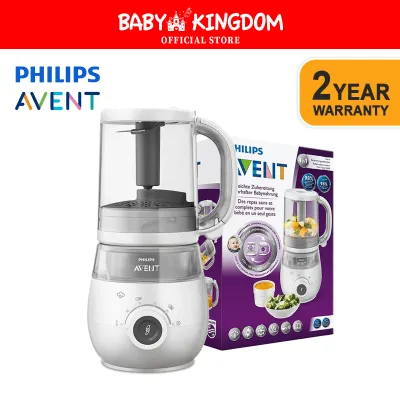
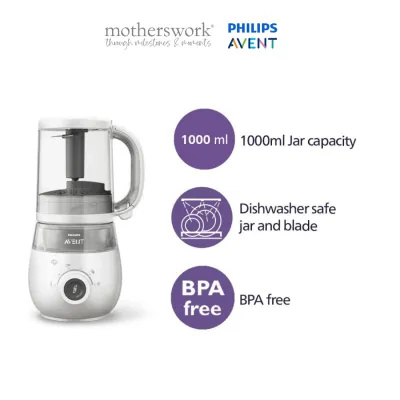
![[SAFETY MARK] Einmilk Baby Food Maker 4-in-1 Multifunctional Baby Food Maker Blends Steam Warm Defrost Food](https://img.lazcdn.com/g/p/0ba46ba074e1803f0999d0e19de98318.jpg_400x400q80.jpg_.webp)
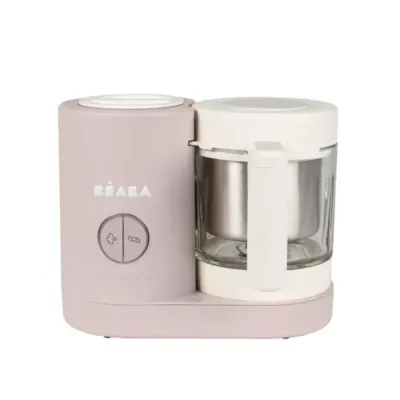
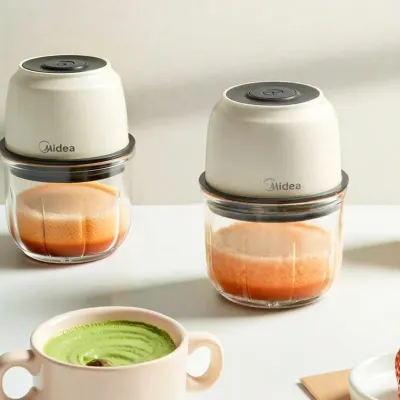
Prices are valid at publication and may change. Please refer to the product page for the latest price.
Many manufacturers highlight nutrient retention as a key benefit of using a steam-and-blend baby food maker. Steaming is widely recognized as a gentle cooking method that helps preserve water-soluble vitamins and minerals that might otherwise leach out during boiling. However, because cooking efficiency and temperature control vary between models, you should always verify specific nutrient retention claims and cooking guidelines against the manufacturer’s product documentation and user manual.
Key Specifications to Compare Before Buying
When evaluating different steam-and-blend baby food makers, several practical specifications will determine how well the appliance fits into your daily routine. The first major consideration is the jug capacity and maximum batch size. If you plan to prepare large batches of food to freeze in silicone trays for the week, you will need a model with a larger jug capacity, typically around 800ml to 1200ml. Conversely, if you prefer preparing fresh, single-portion meals for your baby each day, a smaller capacity of 400ml to 600ml will be more than adequate and easier to handle.

The design of the water tank is another critical factor that directly impacts hygiene and ease of maintenance. Some models feature a removable water tank, which allows you to easily fill it under the tap, empty out residual water, and thoroughly clean the interior. Other models utilize a fixed water tank integrated into the main base of the unit. Fixed tanks require you to carry the entire appliance to the sink or use a separate cup to fill them, and they can be more challenging to descale and dry completely, increasing the risk of mineral buildup or mold over time.
Blade design and blending control are essential for adapting the appliance as your baby grows and transitions through different feeding stages. Look for high-quality, durable stainless steel blades that can handle a variety of ingredients, from soft fruits to tougher meats and root vegetables. Some machines offer simple, single-speed blending, while others provide variable speed settings or a manual pulse function. A pulse function is particularly useful for transitioning your baby from ultra-smooth Stage 1 purees to chunkier, textured meals in Stage 2 and Stage 3 weaning.
Finally, consider the physical footprint, cord storage, and noise levels of the appliance. Kitchen counter space is often limited in Singaporean apartments, so a compact unit with integrated cord storage can help keep your workspace organized. Additionally, because you may often prepare baby food while your child is sleeping, checking user reviews or manufacturer specifications regarding operating noise levels can help you choose a quieter model that will not disrupt nap times.
Comparing All-in-One Baby Food Makers by Design and Feature Tier
To narrow down your options, it is helpful to categorize steam-and-blend baby food makers into two primary design tiers: high-capacity multi-function models and compact single-jug options. Each tier caters to different meal preparation philosophies, household sizes, and kitchen layouts.
As you explore these categories, remember to cross-reference these general design tiers with current retailer stock and specific model manuals. This ensures that the model you choose possesses the exact features, safety certifications, and voltage compatibility required for safe operation in your home.
High-Capacity and Multi-Function Models
High-capacity multi-function models are designed for parents who want maximum versatility and efficiency. These premium units often feature larger jugs, multiple steaming baskets that allow you to cook different ingredients simultaneously without mixing flavors, and advanced digital control panels. Many of these models offer additional functions beyond steaming and blending, such as automatic keep-warm settings, defrosting capabilities, and dedicated self-cleaning cycles that help sanitize the jug and blades after use.
When purchasing a high-capacity model in Singapore, it is crucial to verify the warranty terms and ensure the appliance is compatible with local electrical standards, which typically require a 220V-240V power supply and a compliant plug. Additionally, check the availability of replacement parts, such as extra jugs, sealing rings, and blade assemblies, from local distributors. Because these machines contain more moving parts and electronic components, having easy access to local customer support and spare parts is highly beneficial for long-term use.
It is also important to assess the physical footprint and weight of these multi-function units. Because they are larger and heavier than basic models, they are generally meant to occupy a permanent spot on your kitchen counter rather than being packed away into a cabinet after every use. Ensure you have sufficient counter space that allows for easy access to the control panel and water tank.
Compact and Single-Jug Options
Compact and single-jug options are designed with simplicity, portability, and space-saving in mind. These models typically feature a streamlined design where you steam the ingredients in the jug, and then either flip the jug over or press a single button to initiate the blending cycle. They generally rely on manual water refilling for each use and offer basic, intuitive controls, making them very straightforward to operate even for caregivers or grandparents who prefer simple appliances.
The compact size of these models makes them highly portable, allowing you to easily pack them for family travel, staycations, or visits to relatives’ homes. They are also an excellent fit for smaller kitchens, studio apartments, or secondary food preparation areas where counter space is highly restricted.
However, the primary trade-off with compact models is their limited batch capacity. Because the jugs are smaller, you will need to prepare meals more frequently. If you prefer batch-cooking and freezing meals for several days, a compact model may require you to run multiple consecutive cycles, which involves more frequent emptying, washing, and refilling of the unit.
How to Decide: Matching the Maker to Your Feeding Routine
Choosing the right steam-and-blend baby food maker ultimately comes down to matching the appliance’s capabilities with your family’s feeding routine and kitchen environment. If you prefer to batch-cook and freeze a week’s worth of purees in one go, a high-capacity multi-function model is the most practical choice. Its larger volume and advanced features will save you significant time during weekend meal prep sessions, allowing you to prepare diverse meals efficiently.
On the other hand, if you prefer serving fresh, small-portion meals to your baby daily, or if you are practicing a hybrid feeding approach that combines purees with baby-led weaning, a compact single-jug model is highly efficient. It provides just enough capacity for daily meals without taking up unnecessary space on your counter or requiring complex programming.
Before making your final decision, carefully evaluate your kitchen’s physical layout. Steam-and-blend appliances release hot steam during the cooking cycle, which can damage wooden kitchen cabinets or create excessive moisture on nearby walls. Ensure you have a designated spot on your counter with adequate overhead clearance and ventilation. Additionally, check the length of the power cord to ensure it can safely reach your electrical outlets without creating a tripping hazard or requiring the use of extension cords.
Safety, Cleaning, and Maintenance Guidelines
To ensure the safe operation and longevity of your steam-and-blend baby food maker, establishing a regular cleaning and maintenance routine is essential. Always unplug the appliance from the electrical outlet and allow it to cool down completely before disassembling any parts for cleaning. The blending blades are extremely sharp, so handle them with extreme care when removing them from the jug and washing them. Never submerge the main motor base in water; instead, wipe it down with a damp cloth to remove any food splatters.
Regular descaling of the heating element is crucial for maintaining steam efficiency and preventing mineral buildup. Singapore’s tap water contains minerals that can accumulate on the heating plate over time, forming a white or brown crust. To descale the unit, follow the manufacturer’s instructions, which typically involve filling the water tank with a mixture of water and food-grade white vinegar or citric acid, letting it sit, and then rinsing it thoroughly. Neglecting to descale the unit can lead to reduced steam output, longer cooking times, and potential damage to the heating element.
Finally, perform regular visual inspections of the appliance before each use. Check the power cord for any signs of fraying, inspect the plastic jug for cracks, and ensure the silicone seals are intact and properly seated. If you notice any damage, if the seals begin to leak, or if the motor emits an unusual odor or sound during operation, stop using the appliance immediately. Contact the manufacturer or an authorized service center in Singapore to arrange for professional inspection, repair, or replacement parts.
Frequently Asked Questions (FAQ)
Can I use a steam-and-blend maker to reheat previously frozen baby food?
Yes, many steam-and-blend baby food makers can be used to safely reheat or defrost previously frozen purees. To do this, you should utilize the steam-only function of the appliance, which gently warms the food using steam heat without activating the blending blades. Always consult your specific model’s user manual to verify the correct settings, recommended accessories, and safe reheating times. Before serving the reheated food to your baby, stir it thoroughly to eliminate any hot spots and verify that it has reached a safe, uniform temperature throughout.
Do these machines automatically switch from steaming to blending?
Whether a machine automatically transitions from steaming to blending depends entirely on the specific model and brand. Some advanced, fully automated models allow you to set a program that cooks the food and then automatically blends it to your desired consistency once the steam cycle finishes. Other models require a manual step, such as flipping the jug over after steaming or pressing a separate blend button. Be sure to check the control panel specifications and product descriptions of the model you are considering to ensure its level of automation matches your preferences.
Community discussion
Share your experience or ask a question. Comments are reviewed before publication.