
Choosing the right potty training seat is one of the first major decisions you will face when your toddler shows signs of readiness for toilet training. The choice between a standalone potty seat and a toilet-top seat depends on your toddler’s physical development, your bathroom layout, and your personal preferences regarding cleanup. Neither option is universally superior; rather, each serves a distinct stage of development and home environment. A standalone potty offers immediate, low-to-the-ground security for beginners, while a toilet-top seat helps older toddlers transition directly to using the family toilet.
By understanding how each design impacts your daily routine and your child’s comfort, you can select a tool that minimizes stress and builds confidence. This guide compares both styles across key usability dimensions to help you make an informed decision for your household.
Understanding the Core Differences
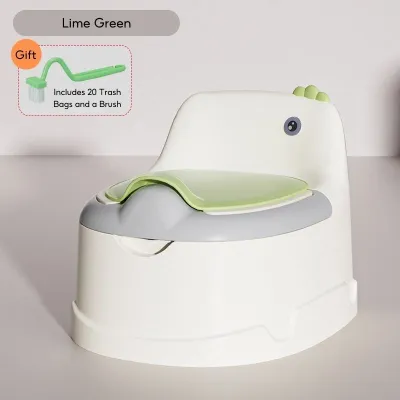
To make an informed choice, it helps to understand the physical design and mechanics of both options. A standalone potty seat is a self-contained, freestanding unit that sits directly on the floor. It features a built-in basin that catches waste, which the caregiver must manually empty into the adult toilet after each use. Because these units are low to the ground, they are highly accessible to small children who are still developing their balance and coordination.
Products mentioned in this guide
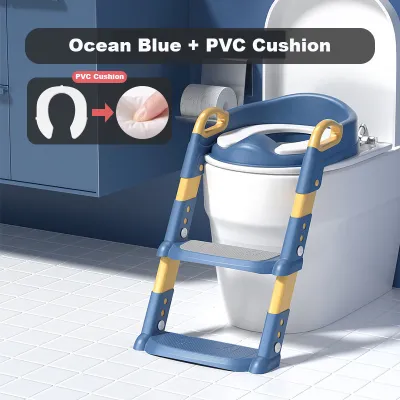
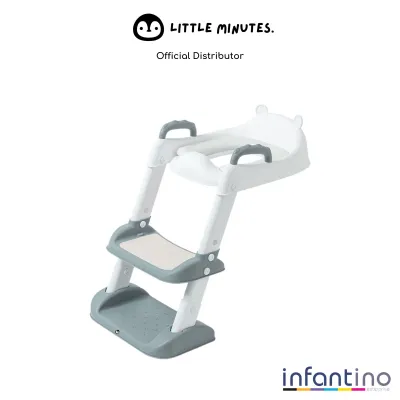
![[SG Stock] Baby Foldable Travel Potty Seat Kids Fodling Toilet Training Seat 12M+](https://img.lazcdn.com/g/p/54298d0cd77fc65e57e532664f2d523b.jpg_400x400q80.jpg_.webp)
Prices are valid at publication and may change. Please refer to the product page for the latest price.
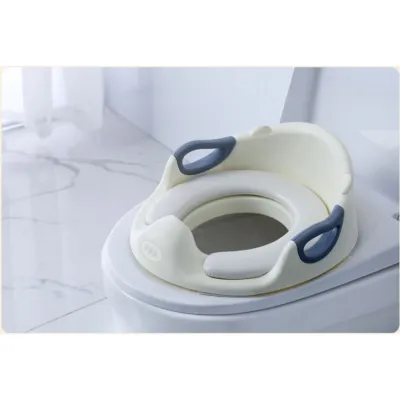
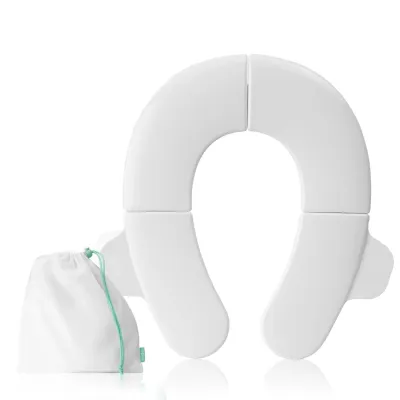
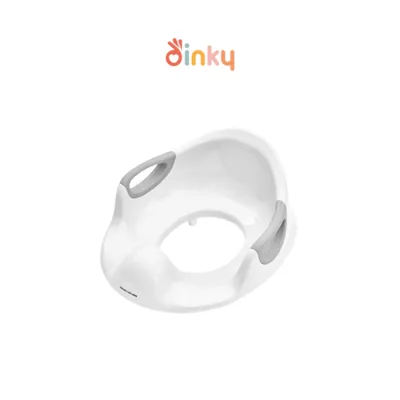
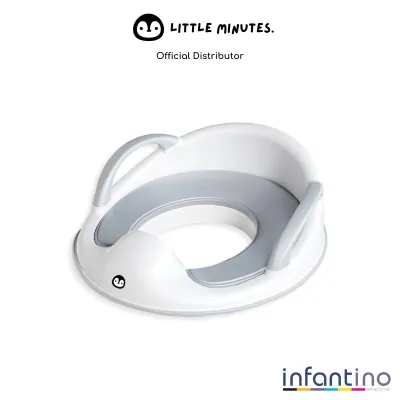
In contrast, a toilet-top seat—often called a reducer ring or insert seat—is an accessory placed directly onto the existing adult toilet bowl. It reduces the size of the opening so that a small child can sit securely without the risk of slipping through. These seats require the child to climb up to the height of the adult toilet, which usually necessitates the use of a step stool.
The fundamental differences lie in height, accessibility, and how your child interacts with the seat. Standalone potties offer a highly stable, low-risk environment where a child’s feet can easily touch the floor. Toilet-top seats elevate the child to the adult level, which can feel more grown-up but requires more physical effort and coordination to access safely.
Key Factors to Consider When Choosing
Selecting the right potty training seat involves balancing your child’s developmental stage with the practical realities of your home. There is no single option that works for every family, as bathroom sizes, daily schedules, and toddler personalities vary widely.

Before making a purchase, you should evaluate three primary decision pillars: physical bathroom space, your child’s physical and psychological readiness, and the amount of daily maintenance you are prepared to handle. Assessing these factors beforehand will help you avoid buying multiple products or encountering resistance from your toddler during the training process.
Bathroom Space and Layout
The physical layout of your bathroom plays a significant role in determining which seat type is more practical. A standalone potty seat requires dedicated floor space. If you have a small bathroom, keeping a standalone unit permanently on the floor can restrict movement and make the space feel cluttered. However, because it is portable, you can easily move it to a bedroom, hallway, or living area where your child spends most of their time.
A toilet-top seat, on the other hand, utilizes the existing footprint of your adult toilet. However, you must consider where the seat will go when an adult needs to use the toilet. Many families use hanging hooks on the side of the toilet tank or nearby walls to keep the reducer ring off the floor when not in use.
Additionally, you must check the clearance around your toilet bowl. A toilet-top seat almost always requires a sturdy step stool so your child can climb up independently. You need to ensure there is adequate clearance in front of and beside the toilet for a step stool to sit flat without wobbling or blocking the bathroom door.
Toddler's Independence and Comfort
Your child’s physical readiness and emotional comfort are critical to a successful potty training experience. A standalone potty is highly supportive of early independence. Because it sits on the floor, a toddler can sit down and stand up without any assistance from a caregiver. This ease of access can boost their confidence and encourage them to use the potty spontaneously.
Climbing onto an adult toilet using a toilet-top seat requires a higher level of motor skills. Toddlers must navigate climbing a step stool, turning around, and sitting down at an elevated height. Caregivers must supervise this process closely to prevent slips and falls, especially in the early stages of training.
Psychological comfort is another key factor. Some toddlers experience a fear of heights or are intimidated by the loud flushing sound and deep water of an adult toilet. For these children, a grounded, floor-level standalone potty provides a safe, secure space. Furthermore, proper posture for elimination requires the child’s feet to be planted firmly on a flat surface. While standalone potties naturally allow this, a toilet-top seat requires a step stool of the correct height to ensure your child’s knees are bent and their feet are fully supported.
Cleaning and Maintenance Effort
Hygiene and maintenance routines differ significantly between the two designs, and caregivers should choose the option that fits their daily capacity. A standalone potty requires manual emptying after every single use. You must dump the contents into the adult toilet, rinse the basin, and wash it with soap or a child-safe disinfectant. This process can be inconvenient, especially if you are managing multiple tasks or traveling between rooms.
A toilet-top seat simplifies the waste disposal process because the child urinates and defecates directly into the adult toilet. You simply flush the waste away, eliminating the need to carry and empty a separate basin. However, you still need to wipe down the reducer ring regularly and clean any splashes that land on the adult toilet seat or rim.
Regardless of the style you choose, always check the manufacturer’s cleaning instructions. Some materials or built-in splash guards can be damaged by harsh chemical cleaners. Ensuring you use the correct cleaning agents will prolong the life of the seat and maintain a hygienic environment for your family.
Feature-by-Feature Comparison
To help you visualize how these two options compare in daily use, the table below outlines their performance across several key practical dimensions. When reviewing these features, consider which aspects are most important for your family’s lifestyle and your child’s current developmental stage.
| Feature | Standalone Potty Seat | Toilet-Top Seat |
|---|---|---|
| Portability | High; easily moved between rooms or taken on trips | Low; designed to remain on a specific adult toilet |
| Setup Time | Instant; ready to use on any flat floor surface | Requires placing the ring on the toilet and positioning a stool |
| Splash Control | Built-in splash guards; effectiveness varies by model | Built-in guards; requires proper alignment on the toilet bowl |
| Storage | Sits on the floor; requires dedicated floor space | Can be hung on a hook or stored upright beside the toilet |
| Transition Ease | Requires a second transition step to the adult toilet | Direct transition; child is already accustomed to the adult toilet |
When interpreting this comparison, remember that product features can vary significantly by brand and model. Some standalone potties feature removable rings that can later be used on adult toilets, offering a hybrid solution. Always verify specific product labels, weight limits, and non-slip features to ensure the model you select meets your safety expectations.
Transitioning Between Potty Stages
Potty training is a developmental journey rather than a single event, and many families find that their needs change as their child grows. A standalone potty is often ideal for the initial stages of training. Its portability allows you to place it in the living room or playroom, reducing the distance your toddler has to travel when they suddenly realize they need to go. It is also highly convenient for nighttime training when placed near the child’s bed.
As your child becomes more confident and physically coordinated, transitioning to a toilet-top seat is a natural next step. This transition eliminates the basin-emptying step for caregivers and helps the child become comfortable using standard toilets outside the home, such as at preschool or in public restrooms.
To determine if your child is ready to transition from a standalone potty to a toilet-top seat, look for specific observable signs. These include your child showing curiosity about the adult toilet, expressing a desire to use the “big potty” like family members, and demonstrating the physical balance required to climb a step stool safely. If your child shows fear or resistance when placed on the adult toilet, it is best to return to the standalone potty and try again after a few weeks.
How to Make Your Final Decision
To make your final decision, assess your current household setup and your child’s unique personality against the following scenarios.
Choose a standalone potty if:
- Your toddler is in the very early stages of training and has limited physical coordination or balance.
- Your child expresses fear of the adult toilet, the flushing sound, or being high off the ground.
- You want the flexibility to move the potty between different rooms or take it with you when traveling.
- Your bathroom is highly active, and you want to avoid constantly removing and replacing a toilet-top ring for adult use.
Choose a toilet-top seat if:
- Your bathroom has limited floor space and cannot comfortably accommodate a freestanding unit.
- Your toddler is highly motivated to mimic adult behavior and wants to use the exact same toilet as the rest of the family.
- You prefer to avoid the daily task of emptying, rinsing, and sanitizing a separate waste basin.
- Your child already possesses the physical coordination to climb a step stool safely with minimal assistance.
Verify first if:
- Before purchasing a toilet-top seat, measure your adult toilet bowl to determine if it is round or elongated, as many seats are designed to fit only one shape.
- Check the manufacturer's specified weight limits and age recommendations for both standalone and toilet-top models.
- Inspect the bottom of any potty seat or step stool for robust, non-slip rubber grips to ensure stability on tiled bathroom floors.
Frequently Asked Questions (FAQ)
Can I use a toilet-top seat on any adult toilet?
No, toilet-top seats are not universally compatible with all adult toilets. Compatibility depends heavily on the shape of your toilet bowl—which is typically either round or elongated—and the design of the toilet seat hinges. Some modern or square-shaped toilet bowls may not accommodate standard reducer rings securely. Always measure your toilet bowl’s length and width, and check the manufacturer’s fit guide on the packaging before making a purchase to ensure a stable, slip-free fit.
Do I need a step stool with a standalone potty?
No, standalone potties are designed to sit directly on the floor, so your child does not need a step stool to access them. The low height allows toddlers to sit down and stand up independently with their feet flat on the floor. However, if you choose a toilet-top seat, a sturdy, non-slip step stool is essential. The stool allows your child to climb up to the adult toilet height safely and provides the necessary foot support to maintain a comfortable, ergonomically correct posture during elimination.
Community discussion
Share your experience or ask a question. Comments are reviewed before publication.