
Quick Answer: Which Potty Type Fits Your Toddler Best?
Deciding between a standalone potty seat and a toilet-top trainer is a major milestone in your toddler’s toilet training journey. The right choice depends heavily on your child’s physical development, their psychological readiness, and your home’s layout.
A standalone potty seat is generally best if your toddler is very young, typically under two years old, or needs the security of having their feet flat on the floor. It is also highly practical if your main living areas are far from the nearest bathroom, keeping a toilet close by during the early days of training.
Conversely, a toilet-top trainer is ideal for older, taller toddlers who show an active interest in using the “grown-up” toilet. This option allows you to bypass the secondary transition phase of moving from a small potty to the main toilet later on.
Products mentioned in this guide
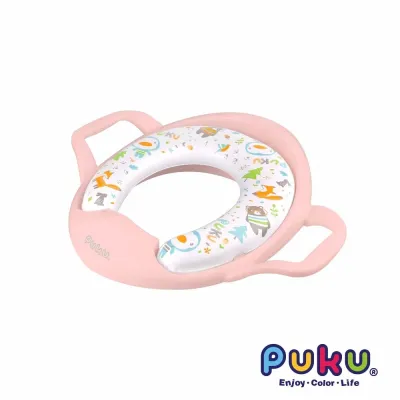
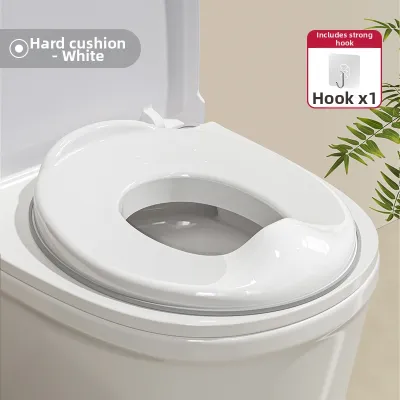
![[Cozy Nest] Premium Baby and Toddler Toilet Seat Gender-Neutral Specialized Kids PVC Seat Cushion Potty Training Solution for Boys and Girls](https://img.lazcdn.com/g/p/873339941a343221f0b25d9fc2da4016.png_400x400q80.png_.webp)
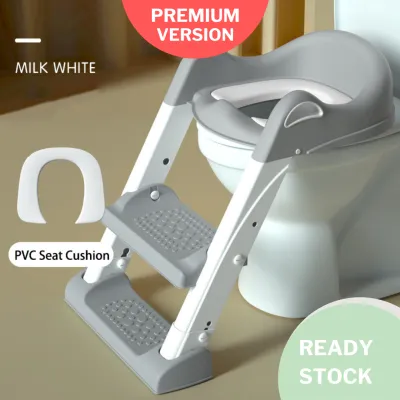
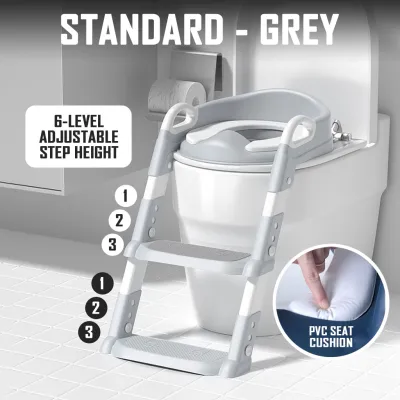
![[SG] Potty Seat Training ✨ Kids Toilet Bowl Baby Toilet Toddlers Toilet Seat Step Stool Ladder](https://img.lazcdn.com/g/p/6b5ac1003ca1b17970f28eaf9850907d.jpg_400x400q80.jpg_.webp)
Prices are valid at publication and may change. Please refer to the product page for the latest price.
Before choosing, verify your bathroom’s layout. Check whether your toilet seat shape is round or elongated, and ensure you have adequate storage space nearby to safely accommodate whichever option you select.
Standalone Potty Seats: Pros, Cons, and Best Use Cases
Standalone potty seats, or floor potties, are self-contained units designed specifically for small children. Because they sit directly on the floor, they offer excellent physical stability. Toddlers can sit down and stand up independently without needing to climb or balance. This low center of gravity reduces the risk of slips or falls, which can frighten early learners and set back their progress. Look for models with smooth edges to prevent skin pinching.

Another major advantage is placement flexibility. During the early stages of potty training, toddlers often give very short notice when they need to go. Having a lightweight, portable potty in the living room, playroom, or bedroom ensures a toilet is always just a few steps away. This proximity is particularly useful in multi-story homes or larger apartments where reaching a bathroom quickly is challenging for a young child.
However, standalone potties require a higher level of daily maintenance from caregivers. Because there is no connection to your home’s plumbing, you must empty the waste basin into your household toilet and thoroughly wash, sanitize, and dry the unit after every single use. In humid climates, such as Singapore, keeping these plastic basins completely dry and odor-free requires consistent effort and proper ventilation to prevent mold or mildew.
Additionally, you must evaluate the physical space requirements of a floor potty. While relatively small, they still occupy valuable floor space. In compact bathroom layouts, a standalone potty can easily become a tripping hazard for adults, especially during late-night bathroom visits. If you choose this route, plan a designated, out-of-the-way spot where the potty can sit safely when not in use.
Toilet-Top Trainers: Pros, Cons, and Best Use Cases
Toilet-top trainers are specialized reducer rings that fit directly onto your existing adult toilet seat, narrowing the opening so a toddler can sit comfortably without fear of slipping through. The most significant benefit of this setup is the streamlined cleaning process. Because your child uses the household toilet directly, waste is flushed away immediately. This eliminates the need to carry, empty, and scrub a separate plastic basin, saving caregivers considerable time and reducing direct contact with waste.
Using a toilet-top trainer also simplifies the long-term learning process. By starting directly on the adult toilet, your toddler becomes familiar with the sights, sounds, and routines of the family bathroom from day one. They learn to associate the flushing mechanism and toilet paper placement with the toilet itself, which often means you can skip the transition phase required when moving a child from a floor potty to the big toilet.
Despite these benefits, safety and accessibility require careful planning. Because adult toilets are elevated, your toddler will need a sturdy step stool to climb up and down safely. Caregivers must ensure that the step stool provides a wide, stable base and features robust, non-slip rubber feet that grip the bathroom floor securely, particularly on wet tiles. Toddlers should always be supervised while climbing to prevent accidental slips.
Compatibility and storage are also key considerations. Not all trainer seats fit every toilet model. You must verify whether your toilet bowl is round, D-shaped, or elongated, and check the trainer’s underside grip mechanism to ensure a tight, wobble-free fit. You will also need a convenient storage solution, like a hanging hook, to store the trainer ring when adults use the toilet.
Comparing Key Factors for Your Bathroom and Lifestyle
When deciding between these two options, comparing how each fits into your daily routine and home environment will help you make a practical choice. The physical footprint of your bathroom is often the deciding factor. In compact homes, floor space is at a premium. A toilet-top trainer paired with a tuck-away step stool keeps the floor clear, whereas a standalone potty must sit permanently on the floor during active training periods.
Portability and travel needs also differ significantly between the two styles. If your family travels frequently, a compact standalone potty can easily be carried in the car boot for emergencies. On the other hand, many toilet-top trainers are designed to fold flat, making them highly portable for public restrooms, though they do require a compatible adult toilet to be functional.
Your child’s psychological readiness and physical comfort should guide your decision. Some toddlers experience anxiety when elevated on a large toilet, even with a secure trainer ring. For these children, the physical security of having their feet flat on the floor while using a standalone potty builds confidence. Conversely, some toddlers are highly motivated by mimicking adult behavior and will reject a floor potty in favor of the “grown-up” toilet-top trainer.
To help you weigh these trade-offs, the table below summarizes the key differences between the two options:
| Feature | Standalone Potty Seat | Toilet-Top Trainer |
|---|---|---|
| Setup Requirements | None; ready to use on any flat floor surface | Requires a compatible adult toilet and a secure step stool |
| Cleaning Effort | High; must empty, wash, and sanitize the basin after every use | Low; waste is flushed directly down the household toilet |
| Portability | High; easy to move between rooms or carry in a vehicle | Moderate; highly portable if foldable, but requires an adult toilet |
| Ideal Toddler Profile | Younger toddlers, shorter children, or those who fear heights | Older toddlers, taller children, or those eager to mimic adults |
| Storage Footprint | Takes up dedicated floor space; can be a tripping hazard | Requires wall hooks or cabinet space when adults use the toilet |
When and How to Transition to the Regular Toilet
Transitioning your toddler to the regular toilet is a gradual process that requires patience and careful observation. To determine if your child is ready to move from a standalone potty to a toilet-top trainer or the adult toilet, look for clear physical and behavioral signals. Physical signs include your toddler’s legs dangling awkwardly or looking cramped on the floor potty. Behavioral cues often manifest as curiosity about how adults use the bathroom, asking to flush the big toilet, or expressing a desire to sit on the larger seat.
When you decide to make the switch, plan the transition steps carefully to keep the experience positive. Start by placing the toilet-top trainer in the bathroom alongside the standalone potty. Allow your toddler to explore the new seat and practice climbing the step stool during low-pressure moments, such as before bath time, when they do not urgently need to go. Let them choose which potty to use, which helps them feel in control of the process.
Safety must remain your top priority during this transitional phase. Before your child climbs up, always verify that the step stool is positioned flat on a dry section of the floor and that the toilet-top trainer is securely locked or suctioned onto the adult seat. A single slip can startle a toddler, causing a fear of the large toilet that stalls progress.
Be prepared to pause the transition if your child shows signs of resistance, fear, or physical instability. If they cling to you anxiously while on the big toilet or refuse to use it entirely, do not force the issue. Simply revert to the standalone potty for a few weeks before trying again. Potty training is not a linear path, and respecting your child’s comfort level will ensure a more successful transition in the long run.
Frequently Asked Questions (FAQ)
Can I use both a standalone potty and a toilet-top trainer at the same time?
Yes, using a hybrid approach is highly effective for many families. You can keep a standalone potty in your main living area or bedroom for quick, easy access during active playtimes when your toddler might wait until the last second to go. Simultaneously, you can install a toilet-top trainer in the main bathroom for structured routines, such as morning visits or before bedtime. This dual setup reduces the pressure on your toddler by providing a convenient option nearby while gradually introducing them to the adult bathroom environment.
How do I know if a toilet-top trainer will fit my toilet?
To ensure a proper fit, you must measure your adult toilet seat before purchasing a trainer. Measure the inner and outer length and width of your toilet bowl, and note whether your toilet seat is round, D-shaped, or elongated. Check the manufacturer’s compatibility guidelines, as many trainers are designed specifically for standard round or elongated shapes. Look for models with adjustable dial guards, non-slip rubber undersides, or universal tension locks that allow you to customize the fit to prevent the trainer from sliding or shifting during use.
What features should I look for in a step stool for a toilet-top trainer?
When selecting a step stool, safety and stability are the most critical factors. Look for a stool with a wide, flared base that resists tipping, and ensure it has robust non-slip rubber feet to grip smooth bathroom tiles, especially in humid or wet environments. The top stepping surface should feature a textured, slip-resistant pattern to give your toddler secure footing. Additionally, choose a stool of the correct height so that when your toddler is seated on the trainer, their knees are slightly higher than their hips, which is the optimal anatomical position for comfortable bowel movements.
Community discussion
Share your experience or ask a question. Comments are reviewed before publication.