
Quick Answer: How to Choose the Right Potty Seat
Choosing the right potty seat for your toddler is not about finding a single, universally perfect product, but rather matching a tool to your child’s developmental stage and your household’s daily flow. Your decision rests on several key variables: your child’s physical readiness, their comfort with heights and toilet sounds, your available bathroom floor space, and your personal tolerance for manual cleanup.
A standalone potty is generally the ideal choice for early beginners, younger toddlers, or children who feel intimidated by the height or loud flushing mechanism of an adult toilet. It provides a stable, low-to-the-ground seat that can be placed in any room, making it highly accessible during the initial stages of training.
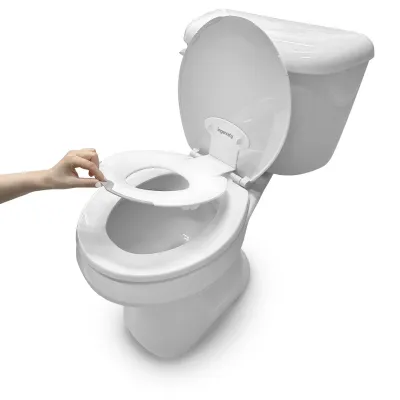
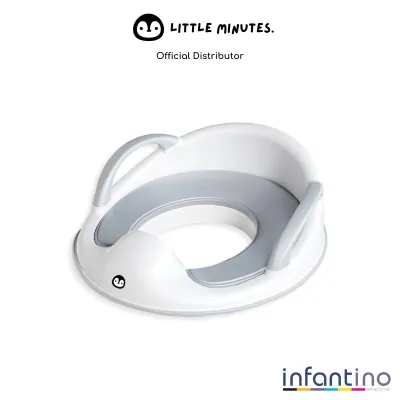
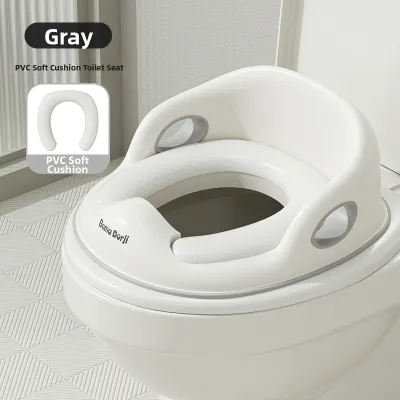
Conversely, a toilet-top reducer is best suited for toddlers who are eager to imitate family members, families living in compact homes with limited bathroom floor space, and parents who wish to skip the intermediate cleaning steps of emptying a manual basin. This option utilizes the existing adult toilet, helping your child build confidence on the actual fixture they will use long-term.
Products mentioned in this guide
![[SG Stock] Baby Foldable Travel Potty Seat Kids Fodling Toilet Training Seat 12M+](https://img.lazcdn.com/g/p/b7242f67fbb9b3f1ec1e2753750fe534.jpg_400x400q80.jpg_.webp)
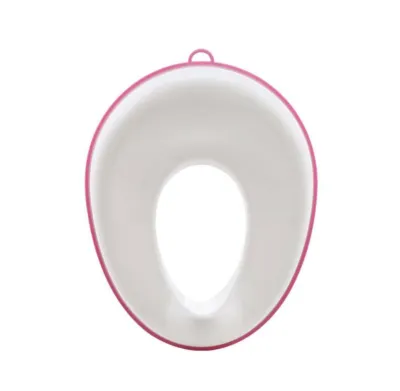
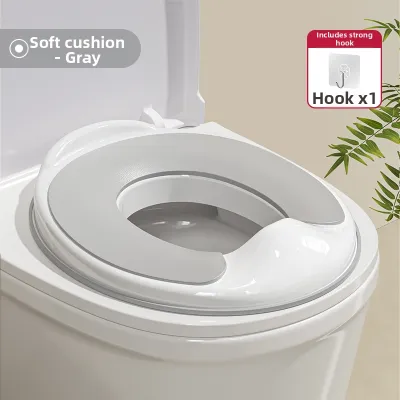
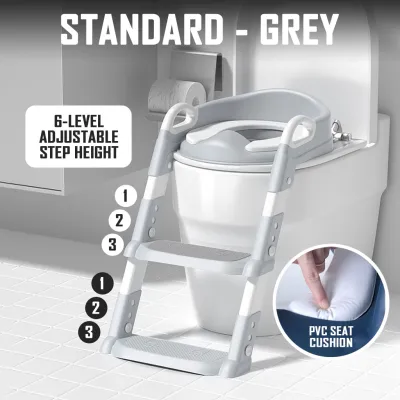
Prices are valid at publication and may change. Please refer to the product page for the latest price.
By evaluating your child’s current developmental signals alongside your home’s physical layout, you can select a path that minimizes resistance and makes potty training a more cooperative experience for everyone involved.
Standalone Potties vs Toilet-Top Reducers: The Basics
Understanding the core differences between standalone potties and toilet-top reducers is the first step in planning your potty training strategy. While both items are designed to help your toddler transition away from diapers, they operate on completely different physical principles and require distinct setups within your home.

A standalone potty is a self-contained, floor-level unit that operates independently of your adult toilet. It features a low seat and a removable basin that collects waste, which must be manually emptied into the adult toilet and cleaned after every use. Because it does not connect to any plumbing, it is fully portable and can be placed in any room where your child spends time.
A toilet-top reducer, often referred to as a potty seat insert, is a contoured ring that fits directly over your existing adult toilet seat. Its primary purpose is to shrink the opening of the adult toilet bowl, ensuring your toddler can sit securely without the fear or risk of slipping through. Unlike standalone units, reducers rely entirely on your home’s existing plumbing system, which means waste is deposited directly into the toilet water.
While both options aim to establish successful toileting habits, they create very different physical experiences for your child. A standalone potty offers immediate, independent access at floor level, whereas a toilet-top reducer requires additional accessories—such as a step stool—to help your child climb up and sit comfortably. These differences in height, stability, and placement will directly influence how your toddler interacts with the training process.
How Standalone Potties and Reducers Compare Across Key Factors
To make an informed choice, it is helpful to analyze how these two options compare across the practical realities of daily life. From your toddler’s psychological comfort to the physical constraints of your living space, each factor plays a significant role in how smoothly the training process unfolds.
Toddler Readiness and Comfort Level
Physical and psychological comfort is often the deciding factor in how quickly a toddler adapts to potty training. Standalone potties excel in this area for very young children or early beginners because they sit low to the ground. This low profile allows toddlers to sit with their feet planted firmly on the floor, which is the anatomically optimal position for bowel movements and provides a strong sense of physical security.
For many toddlers, the adult bathroom can be an intimidating environment filled with loud, sudden flushing noises and high surfaces. A standalone potty removes these sensory triggers, allowing your child to focus entirely on learning their bodily cues without anxiety. The stability of being close to the ground reduces the fear of falling, which can otherwise cause a child to resist training or hold in their bowel movements.
On the other hand, toilet-top reducers leverage a toddler’s natural desire to copy adult behavior. Children often go through a phase where they want to do exactly what their parents or older siblings are doing, and sitting on the “big toilet” can be a powerful motivator. Using a reducer makes them feel grown-up and integrated into the family’s normal routines, which can boost their enthusiasm for the process.
However, using a reducer requires a higher level of physical development and gross motor coordination. Your toddler must have the balance and core strength to sit securely on an elevated surface, as well as the coordination to climb up a step stool. Before purchasing any seat, always check the manufacturer’s guidelines regarding age, weight, and developmental milestones to ensure the product is safe and appropriate for your child’s current physical abilities.
Bathroom Space and Portability
The physical layout of your home is another critical consideration, particularly if you live in a compact apartment or a high-density housing development like an HDB flat in Singapore. Standalone potties require dedicated floor space wherever they are placed. While they have a relatively small footprint, having a plastic potty sitting permanently in the middle of a small bathroom or living area can feel cluttered for some families.
The major advantage of a standalone potty’s physical independence is its portability. During the early days of potty training, toddlers often have very short notice between realizing they need to go and actually releasing. Being able to place the standalone potty in the living room, playroom, or bedroom means your child can reach it within seconds, significantly reducing the likelihood of accidents during playtime.
In contrast, toilet-top reducers are highly efficient space-savers. When not in use, many models can be hung from a hook on the side of the toilet tank or folded away into a corner, leaving your bathroom floor entirely clear. This is highly beneficial for small, shared bathrooms where multiple family members need to use the same space throughout the day.
The trade-off for this space-saving design is that potty training is strictly confined to the bathroom. If your child is playing in a bedroom at the other end of the hallway, they must recognize their need to go early enough to walk all the way to the bathroom and climb up the step stool. For some toddlers, this extra time and effort can lead to more frequent accidents during the initial learning phase.
Cleaning Effort and Hygiene
The daily maintenance routine is a significant factor for parents, as potty training involves constant cleaning and sanitization. Standalone potties require a hands-on cleaning process after every single use. Once your child is finished, you must lift out the removable basin, carry it to the adult toilet to dump the contents, rinse the basin, and sanitize it with child-safe disinfectant before replacing it.
This manual handling can become tedious, especially during the first few weeks when your toddler may use the potty multiple times an hour. Additionally, if you keep the standalone potty in a carpeted living room or bedroom, there is always a minor risk of spills or drips during transport to the bathroom, which adds to the cleaning burden.
Toilet-top reducers offer a much more streamlined and hygienic experience for parents. Because the insert sits directly over the adult toilet bowl, all waste goes straight into the water and is flushed away instantly. This eliminates the need to carry and dump waste, significantly reducing odors in the home and minimizing your direct contact with bodily fluids.
However, reducers are not entirely maintenance-free. Urine splashes can still collect on the underside of the plastic insert or on the adult toilet seat beneath it, requiring regular wiping down. You will also need to clean the accompanying step stool periodically, as little feet can track dirt and moisture onto the steps, creating a potential slip hazard if left unaddressed.
Long-Term Transition to the Adult Toilet
When evaluating potty seats, it is helpful to look ahead to the final goal of potty training: having your child use the standard adult toilet independently without any special equipment. The type of seat you start with can influence how many transitional phases your child must go through to reach this milestone.
Starting with a standalone potty introduces a two-step transition process. First, your child must learn the basic mechanics of using the floor potty. Once they have mastered this, you must eventually transition them to using the adult toilet, which requires overcoming any lingering fears of heights or flushing noises. This secondary transition can sometimes cause a temporary regression, as the child must adapt to a completely new physical setup.
A toilet-top reducer simplifies this progression by combining the steps. Because your child uses the adult toilet from day one, they are already accustomed to the height, the bathroom environment, and the sound of flushing. The final transition simply involves removing the plastic insert once your child is large enough to sit on the standard seat without slipping, and keeping the step stool in place so they can reach the sink and toilet independently.
Parents who want to minimize the number of changes and potential disruptions often prefer the direct path offered by a reducer. However, if your child is highly resistant to the adult toilet initially, forcing the issue can delay progress, making the gentle, two-step approach of a standalone potty a more effective choice in the long run.
Safety and Setup Checklist for Both Options
Regardless of which potty seat type you choose, establishing a safe and secure environment is essential for building your toddler’s confidence and preventing physical injuries. A child who feels unstable or slips during a potty attempt may develop anxiety around the process, which can set back their progress.
For Toilet-Top Reducers:
- Invest in a sturdy, non-slip step stool: The stool must be tall enough so that when your child is seated on the toilet, their feet can rest completely flat on the step surface. Having flat, supported feet provides the necessary physical leverage to help them push during bowel movements and offers psychological security, preventing the feeling of dangling over a void.
- Avoid makeshift steps: Never use unstable household chairs, cardboard boxes, or lightweight plastic stools that do not have rubberized grips on the bottom. The stool must remain completely stable even when your child places all their weight on one side while climbing up.
- Verify compatibility: Ensure the reducer insert fits snugly onto your specific toilet bowl shape (round vs. elongated) and has secure locking mechanisms or non-slip silicone edges to prevent it from shifting when your child sits down.
For Standalone Potties:
- Check the base grips: Ensure the unit is equipped with robust, non-slip rubber grips that prevent the potty from sliding across the floor when your child sits down or stands up quickly.
- Choose the right placement: Always place the standalone potty on a flat, level, and non-carpeted surface, such as tile or vinyl flooring, which is easier to clean and provides better traction for the rubber grips. Avoid placing it near sharp corners, glass fixtures, or electrical cords.
Universal Safety Rules:
- Maintain active adult supervision: Never leave your toddler unattended in the bathroom or on a potty seat, even for a brief moment to grab a clean diaper or towel. Toddlers can easily lose their balance, tip over, or attempt to climb off incorrectly, leading to falls.
- Inspect the equipment regularly: Before letting your child use any potty product, carefully inspect it for smooth, pinch-free hinges, intact plastic parts, and secure attachments. Check the manufacturer's weight limits and structural integrity regularly. If you notice any cracks, loose parts, or worn-out rubber grips, discontinue use immediately and replace the item.
The Decision Framework: Which Potty Seat Fits Your Family?
To help you finalize your decision, consider your specific household dynamics, your child’s personality, and your daily routine. Use the following structured framework to identify which option aligns best with your family’s needs.
Choose a Standalone Potty if:
- Your toddler is under 18 months old or is just beginning to show early signs of interest in potty training.
- Your child expresses fear of the adult toilet, the sound of flushing, or being high off the ground.
- You want the flexibility to move the potty into different rooms, such as a playroom or bedroom, to make quick access easier during active play.
- You have sufficient floor space in your home to accommodate a dedicated training station.
Choose a Toilet-Top Reducer if:
- Your toddler is highly motivated by mimicking adult behavior and wants to use the "big toilet" like the rest of the family.
- You live in a compact apartment where floor space is limited, and you prefer to keep the bathroom clear of extra clutter.
- You want to avoid the secondary transition phase of moving your child from a floor potty to the adult toilet later on.
- You prefer a more hygienic cleanup process where waste is flushed away immediately, eliminating the need to empty and wash a manual basin.
Verify First if:
- Your bathroom layout allows for the safe, stable placement of a step stool next to the toilet without blocking doorways or walkways.
- Your toilet bowl has an unusual shape (such as a square or highly contoured design) that might prevent standard reducer seats from fitting securely.
- Your child has specific physical, sensory, or developmental needs that require specialized seating support. If you are unsure about your child's physical readiness or require tailored advice, consult your pediatrician or a qualified developmental professional before starting.
Ultimately, the right potty seat is the one that minimizes stress and matches your child’s current comfort level. There is no shame in switching methods if your first choice does not resonate with your toddler; flexibility and patience are the true cornerstones of successful potty training.
Frequently Asked Questions (FAQ)
Can I use both a standalone potty and a toilet-top reducer?
Yes, using both types of potty seats simultaneously is a highly common and effective strategy for many families. This hybrid approach offers the best of both worlds: you can keep a standalone potty in your child’s play area or bedroom for immediate, low-stress access during the day, while installing a toilet-top reducer in your main bathroom to encourage routine-based toilet visits, such as before bath time or right after waking up.
If you choose to use both, ensure that you maintain a consistent routine and use similar language across both setups so your child does not become confused. For example, use the same simple terms for bodily functions and follow the same handwashing steps regardless of which potty they use.
When should I switch from a standalone potty to a toilet reducer?
There is no strict chronological age or calendar deadline for transitioning your child from a standalone potty to a toilet-top reducer. Instead, look for clear, observable signals that indicate your child is physically and psychologically ready for the change. These signals include your child showing active interest in the adult toilet, attempting to climb onto the adult toilet seat on their own, or expressing frustration with the small capacity or low height of their floor potty.
Let your child’s physical confidence and natural curiosity drive this transition rather than pressure. Introducing the reducer gradually—perhaps by letting them sit on it with their clothes on first—can help ensure a smooth, positive shift to the adult toilet.
Community discussion
Share your experience or ask a question. Comments are reviewed before publication.