
Quick Answer: Which Potty Type Should You Choose?
Potty training is a significant milestone in your child’s early development, but selecting the right equipment can feel overwhelming. The three primary options—standalone potties, potty seat reducers, and travel potties—each serve distinct developmental needs, home layouts, and family lifestyles. Finding the right fit requires balancing your child’s physical readiness with the practical realities of your daily routine.
Choose a standalone potty if your child is in the very early stages of potty training, needs maximum physical stability, or feels intimidated by the height and loud flushing sounds of an adult toilet. This option sits directly on the floor, allowing your toddler to sit comfortably with their feet flat, which is the optimal ergonomic position for bowel movements.
Choose a potty seat reducer if your child is slightly older, possesses the physical coordination to climb a step stool safely, and is eager to mimic adult bathroom habits. This option is also highly practical for homes with limited floor space, such as compact apartment layouts, as it eliminates the need to manually empty and clean a separate bowl after every use.
Products mentioned in this guide
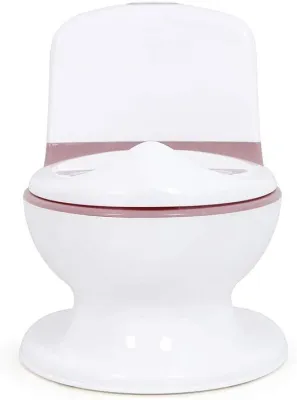
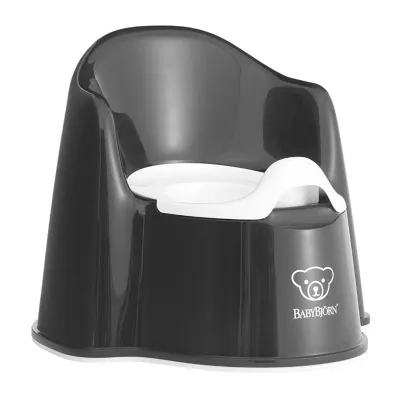
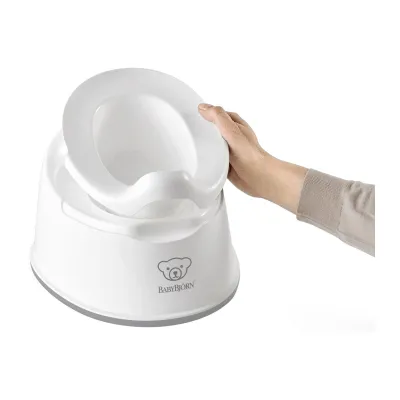
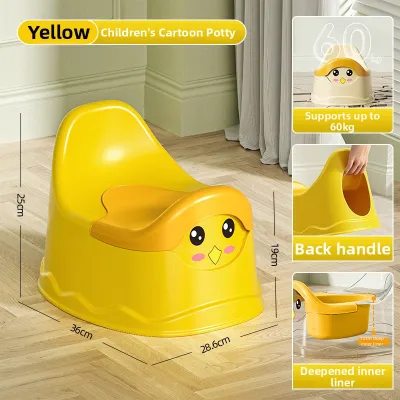
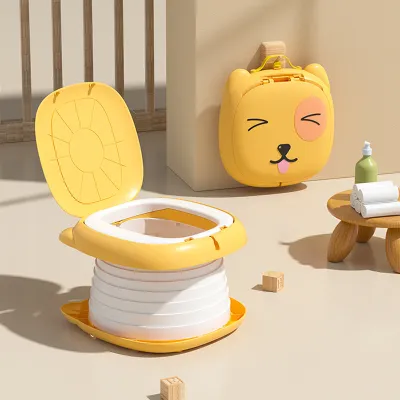
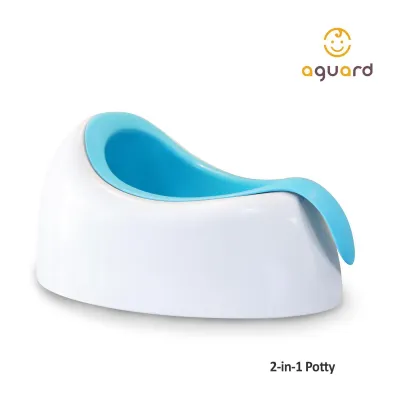
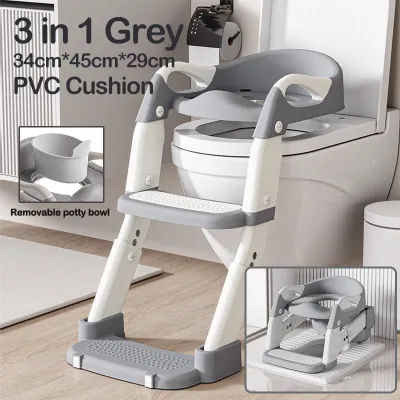
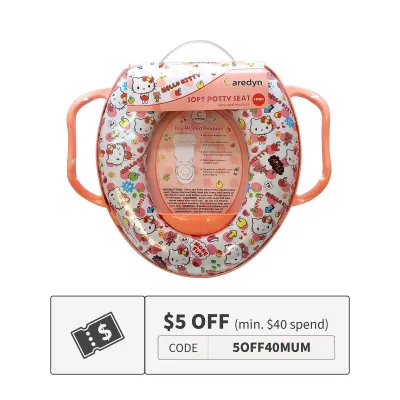
Prices are valid at publication and may change. Please refer to the product page for the latest price.
Choose a travel potty as a secondary, supportive tool if your family is frequently on the go, enjoys outdoor activities, or regularly visits places where child-friendly public restrooms are unavailable. While not typically recommended as the primary training tool due to size and stability limitations, a portable option ensures consistency in your child’s routine when away from home.
Ultimately, there is no single “best” potty for every family. The most successful approach often involves matching the equipment to your child’s current developmental stage and your specific household setup, sometimes combining different types as your child’s confidence and physical abilities grow.
Standalone Potties: Pros, Cons, and Best Use Cases
Standalone potties are self-contained, miniature toilets designed specifically for toddlers. They sit directly on the floor, making them highly accessible and less intimidating for a child who is just beginning to transition away from diapers. For many parents, this is the default starting point for potty training because it is designed entirely around a toddler’s physical proportions.

The Advantages of Standalone Models
The primary benefit of a standalone potty is its exceptional stability and child-friendly ergonomics. Because the potty sits flat on the floor, your child can sit down and stand up completely independently without needing to climb or balance on a high surface. This low height allows your toddler to sit with their knees bent and feet planted firmly on the ground. Physically, this squat-like posture is the most natural and efficient position for elimination, as it relaxes the pelvic floor muscles and prevents straining. Furthermore, having a dedicated, child-sized object in the home can foster a strong sense of ownership and independence, encouraging your toddler to use it of their own accord.
The Practical Drawbacks
Despite their developmental benefits, standalone potties present several practical challenges for caregivers. The most notable drawback is the cleaning routine: because these units are freestanding, you must manually empty the contents into your adult toilet, rinse the bowl, and thoroughly sanitize it after every single use. In a warm, humid climate like Singapore’s, prompt and thorough cleaning is essential to prevent odors and bacterial growth. Additionally, standalone potties occupy dedicated floor space. In compact bathroom layouts, such as those typically found in local HDB flats, a freestanding potty can easily clutter the limited space or become a tripping hazard. Finally, using a standalone potty means you will eventually have to navigate a second transition phase when your child must learn to use the full-sized adult toilet.
When to Choose a Standalone Potty
A standalone potty is highly recommended for the initial stages of potty training, particularly for younger toddlers around 18 to 24 months old who are still developing their gross motor skills and balance. It is also the ideal choice for children who exhibit a strong fear of the adult toilet, whether due to the height, the open water bowl, or the sudden, loud noise of the flush.
Safety and Verification Checklist
Before purchasing a standalone potty, do not rely solely on brand popularity or aesthetic design. You must verify the manufacturer’s stated weight and height limits to ensure it can safely support your child. Look for models featuring a wide, heavy base with robust non-slip rubber grips along the bottom to prevent the unit from sliding or tipping over when your child sits down or stands up. Always maintain close caregiver supervision during use, especially if your child is highly active, to ensure they do not lean back too far or attempt to stand on the seat.
Potty Seat Reducers: Pros, Cons, and Best Use Cases
A potty seat reducer, also known as a toilet insert, is a specially contoured ring that fits directly over your existing adult toilet seat. It reduces the size of the opening so that a small child can sit securely without fear of slipping into the bowl. These are typically paired with a step stool to help the child climb up and support their feet.
The Advantages of Seat Reducers
The most significant advantage of a seat reducer is the sheer convenience it offers to parents. Because the child uses the adult toilet, there is no separate bowl of waste to carry, empty, and scrub; you simply flush the toilet as normal. This streamlined cleaning process saves significant time and effort. From a spatial perspective, seat reducers are incredibly efficient. They take up virtually no floor space when not in use, as many models can be hung from a simple adhesive hook on the side of the toilet tank or bathroom wall—a major benefit for compact bathrooms. Additionally, using a reducer helps normalize the adult toilet from day one, eliminating the need to transition your child from a miniature floor potty to the real toilet later on.
The Drawbacks and Challenges
For a young child, the transition to a seat reducer can be physically and psychologically demanding. The height of an adult toilet can be intimidating, and some children experience anxiety when looking down into a large bowl of water. Splashing can also be an issue, particularly for young boys, requiring a seat with an integrated, well-designed splash guard to prevent messy cleanups. Most importantly, a seat reducer cannot be used safely or comfortably on its own; it absolutely requires a sturdy step stool. Without a stool, your child’s legs will dangle in the air. A dangling posture prevents them from stabilizing their core and makes it physically difficult to exert the abdominal pressure needed for bowel movements, which can lead to straining or stool withholding.
When to Choose a Seat Reducer
A seat reducer is best suited for older toddlers—typically 2.5 to 3 years old and above—who have developed reliable balance, coordination, and the physical strength to climb up and down a step stool. It is also the premier choice for families living in homes with limited bathroom space where a freestanding floor potty is impractical, or for children who are highly motivated to copy the bathroom habits of their parents or older siblings.
Safety and Verification Checklist
When selecting a seat reducer, you must verify its compatibility with your home’s toilet bowl shape, as toilet seats generally come in round or elongated designs. Ensure the reducer features a secure locking mechanism, adjustable brackets, or a highly effective non-slip underside so that it remains completely stationary when your child climbs onto it. Always check the manufacturer’s minimum age and weight guidelines. If your child experiences persistent discomfort, anxiety, or signs of constipation while using a seat reducer, temporarily pause its use and consult a pediatrician or qualified professional for guidance.
Travel Potties: Pros, Cons, and Best Use Cases
Travel potties are lightweight, highly portable toilets designed to ensure your child has a clean, familiar place to relieve themselves when away from home. These models typically feature folding legs and can either be used as a low standalone potty with disposable plastic liners or unfolded flat to serve as a temporary seat reducer on public toilet seats.
The Advantages of Portable Models
The primary benefit of a travel potty is the peace of mind it offers during outings. It provides a hygienic alternative to public restrooms, allowing your child to avoid direct contact with public toilet seats, which may not always be clean. For families who enjoy spending weekends at parks, beaches, or outdoor playgrounds, a travel potty is an invaluable tool for handling sudden emergencies when public facilities are far away. Their compact, folding design allows them to fit easily into a diaper bag, stroller basket, or the trunk of a car. By providing a consistent, familiar seating arrangement, a travel potty can help prevent your child from regressing or holding in their urine when outside their home environment.
The Drawbacks and Limitations
While highly convenient, travel potties are not designed to replace your primary home potty. They generally offer less structural stability than solid standalone models, as their folding legs can sometimes wobble on uneven outdoor surfaces. The seat area is also typically smaller, which may feel less comfortable for older or larger toddlers. Additionally, managing waste on the go requires preparation. You must carry compatible disposable liners (often lined with absorbent pads), wet wipes, and sealable bags, and you must locate appropriate waste disposal bins after use.
When to Choose a Travel Potty
A travel potty is best utilized as a secondary, supportive training tool rather than a primary household potty. It is ideal for active families who travel frequently, take public transport, or spend significant time outdoors. It is also highly useful for children who are highly sensitive to unfamiliar environments and refuse to use public restrooms.
Safety and Verification Checklist
When choosing a travel potty, carefully inspect the folding joints and locking mechanisms to ensure there are no pinch points that could catch your child’s skin or fingers during setup. Verify the structural weight capacity specified by the manufacturer, as lightweight travel models often have lower weight limits than standard home potties. Always use the manufacturer-recommended disposable liners to ensure a secure fit and prevent leaks, and ensure your child is supervised at all times to maintain balance on the portable frame.
Key Comparison Factors for Your Home and Routine
To help you decide which potty type—or combination of types—is right for your family, it is helpful to compare them across the key practical dimensions that will impact your daily routine.
| Comparison Dimension | Standalone Potty | Potty Seat Reducer | Travel Potty |
|---|---|---|---|
| Bathroom Space Footprint | Medium to High; requires dedicated floor space. | Low; can be hung on a wall or stored in a small cabinet. | Very Low; folds flat for compact storage or transport. |
| Cleaning & Maintenance | High; requires manual emptying, rinsing, and sanitizing after every use. | Low; waste is flushed directly down the adult toilet. | Medium; requires managing disposable liners and wiping down joint hinges. |
| Child's Psychological Comfort | High; low to the ground, non-intimidating, and highly stable. | Medium; can be intimidating due to height and flushing sounds. | Medium; familiar seat but may feel less stable on uneven surfaces. |
| Portability & Versatility | Low; bulky to move outside the house, though easy to move room-to-room. | Very Low; fixed to the home toilet (unless designed as a 2-in-1 hybrid). | High; designed specifically for travel, transit, and outdoor use. |
| Required Accessories | None; fully self-contained. | Must be paired with a sturdy, non-slip step stool. | Requires compatible disposable liners and wet bags. |
When evaluating these factors, consider your specific home environment. For instance, if you live in a home with multiple stories or a single small bathroom, a standalone potty can easily be kept in a bedroom or play area during the early weeks of training to provide quick access. Conversely, if you prioritize a clutter-free bathroom and want to minimize cleanup, a seat reducer is the logical choice.
Regardless of the type you choose, always check the product labels and packaging for material safety claims, ensuring the plastic is BPA-free and easy to wipe clean. Avoid relying on generic marketing terms like “ergonomic” or “pediatrician-approved” without verifying the actual dimensions, weight limits, and care instructions provided by the manufacturer.
Transitioning and Combining Potty Types
Many parents find that potty training is not a linear process that relies on just one product. Instead, a highly effective strategy is to use a combination of potty types to match your child’s growing confidence and changing physical needs over time.
A common and successful progression is to start your child on a standalone potty in a highly visible, easily accessible area of the home, such as the living room or play space. This low-pressure setup allows your toddler to sit on the potty with their clothes on to build familiarity, gradually transitioning to bare-bottom sits. Because the standalone potty is entirely at their level, it helps build the initial cognitive link between the urge to go and the physical act of sitting down.
Once your child has mastered the basic concept and has grown tall enough to comfortably climb a step stool, you can introduce the potty seat reducer on your main bathroom toilet. This step helps bridge the gap to full independence, allowing them to use the same toilet as the rest of the family while still feeling secure. During this transition, keeping the standalone potty nearby can provide a comforting backup if the child temporarily feels overwhelmed by the larger toilet.
Throughout this entire journey, a travel potty serves as a vital bridge to the outside world. By bringing a familiar seat along on family outings, you maintain routine consistency, which is crucial for preventing accidents and building long-term confidence.
Always follow your child’s individual developmental cues rather than forcing a transition based on age. Maintain close caregiver supervision during every stage, and if your child shows persistent resistance, fear, or anxiety, step back to the previous stage for a few weeks to keep the experience positive and stress-free.
Frequently Asked Questions (FAQ)
At what age should I introduce a potty seat reducer instead of a standalone potty?
There is no single correct age to introduce a potty seat reducer, as readiness depends heavily on your child’s physical and psychological milestones. Generally, children are physically ready between 2 and 3 years of age, when they have developed the balance, coordination, and strength required to climb a step stool safely and sit upright without support. Before making the switch, check the specific manufacturer’s minimum weight and age guidelines for the seat reducer, as these specifications vary widely by product design.
Do I need a step stool if I use a potty seat reducer?
Yes, a step stool is absolutely essential when using a potty seat reducer. Without a stool, your child’s legs will dangle, which prevents them from stabilizing their core and makes it physically difficult to align the pelvis for comfortable, strain-free bowel movements. A sturdy, non-slip step stool allows your child to plant their feet flat, supporting a natural squatting posture. Always verify the weight capacity of the step stool and ensure it matches the height of your adult toilet.
Community discussion
Share your experience or ask a question. Comments are reviewed before publication.