
Deciding between a standalone potty chair and a toilet seat reducer is one of the first major choices you will make when your toddler is ready to transition out of diapers. There is no single “correct” option that works for every household. Instead, the ideal choice depends on your child’s physical size, emotional confidence, and your daily household routine.
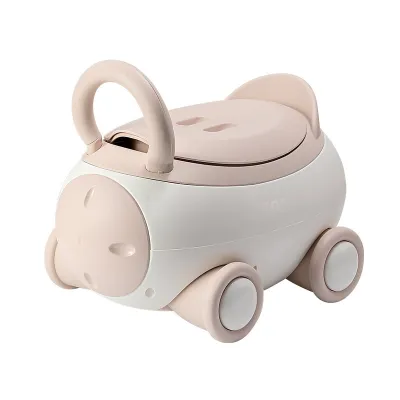
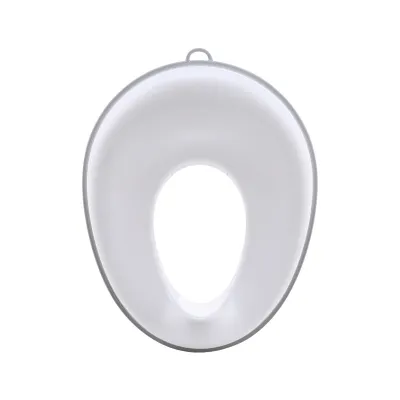
A standalone potty chair is a small, portable, floor-level toilet designed specifically for toddlers. A toilet seat reducer is a specialized ring that fits securely over your existing adult toilet bowl to make the opening smaller and safer for a little body. Both designs serve as a kid toilet bowl, but they offer completely different experiences for your child and require different levels of involvement from you.
To make the right choice, you must evaluate your toddler’s current developmental stage, their comfort level with heights, and the physical layout of your bathroom.
Products mentioned in this guide
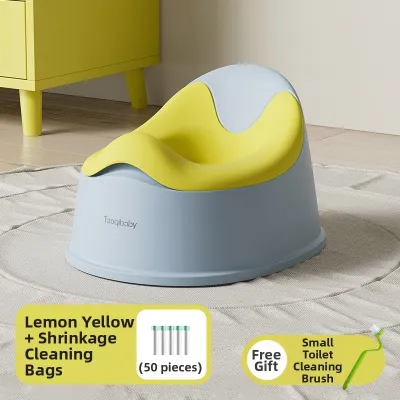
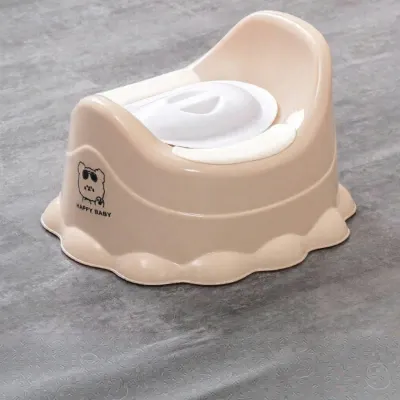
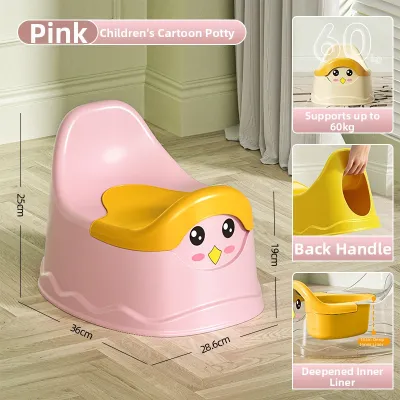

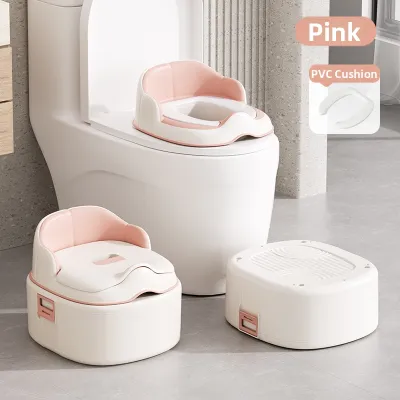
Prices are valid at publication and may change. Please refer to the product page for the latest price.
Is Your Toddler Ready for a Kid Toilet Bowl?
Before you purchase any potty training equipment, it is essential to determine whether your child is developmentally ready to begin this transition. Introducing a kid toilet bowl too early can lead to intense resistance and power struggles, regardless of how appealing or expensive the equipment is. Potty training is not merely a matter of age; it requires physical, cognitive, and emotional readiness.
You can identify readiness by observing several clear physical and behavioral signals in your toddler’s daily routine:
- Extended Dry Periods: Your child's diaper remains dry for at least two consecutive hours during the day, indicating increased bladder capacity and control.
- Bathroom Curiosity: They show a distinct interest in watching family members use the toilet, ask questions, or express a desire to wear "big kid" underwear.
- Clear Communication: Your toddler can tell you, either through words, gestures, or facial expressions, that they need to go or have just gone.
- Motor Skill Milestones: They possess the physical coordination to walk to the bathroom, sit down on a low seat, and make a reasonable attempt to pull their pants up and down.
If your child does not display these signs, forcing the issue is rarely productive. Waiting until they are physically and emotionally prepared will make the transition smoother. Furthermore, if you have any concerns about your child’s physical development, or if they experience extreme distress regarding bathroom habits, always consult a pediatrician or qualified healthcare professional.
Standalone Potty Chair vs. Toilet Seat Reducer: Matching the Tool to Your Child
Selecting the right kid toilet bowl requires matching the specific features of the equipment to your toddler’s physical stature and psychological comfort. A standalone potty chair is a completely self-contained, low-to-the-ground seat that can be placed anywhere in your home. In contrast, a toilet seat reducer is an insert that sits directly on top of your standard adult toilet, bridging the gap between toddlerhood and adult bathroom habits.

The best choice for your family depends entirely on your child’s current height, confidence level, and desire to mimic adults.
Choose a Standalone Potty Chair If…
A standalone potty chair is highly suitable for younger or physically smaller toddlers who are just beginning their potty training journey. For many children, the standard adult toilet is an intimidating object. The high seat, the sudden and loud sound of rushing water during a flush, and the deep, open bowl of water can trigger genuine anxiety. A floor-level potty chair eliminates these fears completely, offering a non-threatening, child-sized alternative.
When choosing a standalone model, always verify the manufacturer’s age and weight recommendations in the product documentation, as sizes can vary significantly across brands. Never infer suitability solely from a product’s name.
From an anatomical perspective, a standalone potty chair provides excellent ergonomic support. When a child sits on a low, floor-level chair, their knees are naturally positioned slightly higher than their hips, and their feet rest flat on the ground. This squatting posture is the most natural and efficient position for elimination, as it relaxes the pelvic floor muscles and allows the child to pass stool without straining.
Autonomy is another major benefit of the standalone design. Because the chair is low to the floor, your toddler can sit down and stand up completely on their own without needing an adult to lift them. This immediate accessibility fosters early autonomy, encouraging them to use the potty whenever they feel the urge.
However, parents must consider the practical trade-offs. A standalone potty chair does not connect to your home’s plumbing. This means you must manually empty the contents into your adult toilet, rinse the bowl, and thoroughly wash and sanitize the unit after every single use.
Choose a Toilet Seat Reducer If…
A toilet seat reducer is often the preferred choice for older, taller toddlers who are eager to copy their parents and use the “big kid” toilet. By choosing a reducer, you satisfy their desire for adult mimicry while ensuring they do not accidentally slip into the large toilet bowl opening. This option also allows you to bypass the secondary transition of moving from a small plastic chair to the adult toilet later on.
If you choose a seat reducer, you must address a critical safety and ergonomic requirement: you must pair the reducer with a sturdy, non-slip step stool. A toddler sitting on a standard toilet with their legs dangling cannot stabilize their body. The step stool is absolutely necessary so the child can climb up safely and rest their feet flat to support proper posture. Before purchasing, verify the manufacturer’s installation instructions and weight limits to ensure the reducer fits your specific toilet securely, and always maintain close caregiver supervision to prevent slips or falls.
The primary advantage for parents is sheer convenience. Because the reducer sits directly on your existing toilet, all waste goes straight into your home’s plumbing system. You simply flush the toilet, eliminating the need to carry, empty, and scrub a separate plastic bowl.
Before purchasing, check the specific shape of your home’s toilet bowl. Adult toilets generally come in round or elongated shapes, and not every reducer fits every toilet securely. A loose or shifting reducer can frighten a toddler. You must also prepare for potential urine splashes around the rim, which will require regular wiping to maintain hygiene.
Factoring in Bathroom Space and Daily Cleaning
When deciding between these two options, you must look beyond your child’s preferences and evaluate the practical layout of your home. In Singapore, where many families live in HDB flats or apartments with compact bathroom layouts, floor space is a premium resource. A standalone potty chair requires a dedicated, permanent or semi-permanent floor footprint, which can restrict movement in a small layout and make regular bathroom cleaning more cumbersome.
Alternatively, if you choose a toilet seat reducer, you must consider where the reducer and the necessary step stool will live when they are not in use. If family members share a single main bathroom, the reducer ring must be removed and stored every time an adult needs to use the toilet. If your bathroom is very tight, storing a bulky step stool and a separate seat ring can create visual clutter and physical obstacles in a high-traffic space.
The daily cleaning routine is another factor that directly impacts your lifestyle. Cleaning a standalone potty chair involves carrying the soiled inner bowl to the adult toilet, dumping the contents, and scrubbing the bowl with soap or a child-safe disinfectant. With a seat reducer, the cleaning is integrated into your standard bathroom maintenance, but you will still need to wipe down the splash guard and manage potential splashes around the rim. Before making your purchase, measure your bathroom layout and consider your own tolerance for these daily cleaning chores.
Can You Use Both? Transitioning as Your Child Grows
Potty training is a developmental progression that can span several months. Because of this, many families find that the most successful strategy is not choosing one tool over the other, but rather using both in a structured, phased approach. This “stepping stone” method allows you to adapt to your child’s growing skills and changing confidence levels over time.
In the initial stages of potty training, you can place a lightweight, standalone potty chair in your child’s play area or living room. This low-pressure setup allows them to get comfortable sitting on the potty with their clothes on, learning the basic concept of elimination without the pressure of the bathroom environment. Once your child is confident, you can move the potty into the bathroom, and eventually transition to a toilet seat reducer on the main toilet.
Using both tools simultaneously also offers excellent practical flexibility. You can use a standalone potty for travel, visiting relatives, or keeping in a secondary bathroom, while using the reducer in the primary household bathroom. Reassure yourself that buying a basic, inexpensive standalone potty first is a low-risk way to test your child’s readiness before investing in a premium reducer and step stool setup.
Quick Diagnostic Checklist Before You Buy
To help you make the final decision for your household, review this quick diagnostic checklist to map child traits and household conditions to the right product:
- Choose a Standalone Potty Chair if:
- Your child is under two years old or is physically small for their age.
- Your toddler expresses fear of the adult toilet, loud flushing sounds, or heights.
- You want to foster complete independence, allowing your child to sit down and stand up without any adult assistance.
- You want a portable option that can be moved from room to room or taken on family trips.
- You do not mind manually emptying and scrubbing a plastic bowl after each use.
- Choose a Toilet Seat Reducer if:
- Your child is older, taller, and highly motivated to mimic adult bathroom habits.
- Your toddler has the balance and coordination to safely climb a step stool with supervision.
- Your bathroom floor space is extremely limited, and you prefer not to have a potty chair sitting permanently on the floor.
- You want to avoid the step of manually emptying waste and prefer flushing it directly down the toilet.
- You have verified that the reducer model fits your specific toilet bowl shape securely.
Ultimately, flexibility and following your child’s lead are the most important factors in successful potty training.
Frequently Asked Questions (FAQ)
Is a splash guard necessary for boys?
A built-in or attachable splash guard is highly recommended for boys to help direct urine downward into the bowl and prevent messy overflows. When shopping, check the manufacturer’s product specifications to ensure the splash guard is high enough to be effective but designed with smooth, rounded edges. A splash guard that is too tall or has sharp plastic seams can cause physical discomfort when your child sits down or climbs off, which may discourage them from using the potty altogether.
What if my toddler refuses the toilet seat reducer?
If your toddler refuses to use the seat reducer, do not force them, as this can create a negative association with the bathroom and delay progress. Instead, temporarily pause the transition and try placing the reducer ring on the floor during playtime so they can explore it in a non-threatening way. You can also use children’s books, potty training songs, or gentle modeling to build comfort. If the fear of heights persists, revert to a low standalone potty chair to rebuild their confidence before attempting the seat reducer again.
Community discussion
Share your experience or ask a question. Comments are reviewed before publication.