
Selecting the right bottle rack is a key decision for maintaining a clean, organized feeding station. The ideal material depends on your daily cleaning routine, kitchen space, and how much time you can dedicate to maintenance. While stainless steel stands out for its long-term durability and resistance to wear, plastic offers lightweight convenience at an accessible price point. Meanwhile, bamboo provides an organic aesthetic but demands meticulous care to prevent moisture-related issues.
To make an informed choice, caregivers must weigh these materials against their household’s specific environment. In Singapore’s humid tropical climate, for instance, moisture control is a primary concern, making the drying speed and mold resistance of your rack critical. By understanding the distinct characteristics, care requirements, and safety checks associated with each material, you can select a bottle rack that keeps your baby’s feeding accessories clean, dry, and ready for use.
Key Factors for Evaluating Bottle Rack Materials
When evaluating bottle rack options, hygiene and cleaning routines should be your top priority. A rack that is difficult to clean can quickly become a breeding ground for bacteria and mold. Consider whether the material can withstand high-temperature sanitization or if it is compatible with your home dishwasher. Fast-drying designs with adequate airflow help prevent standing water, which is essential for keeping bottle nipples, collars, and valves hygienic.
Products mentioned in this guide
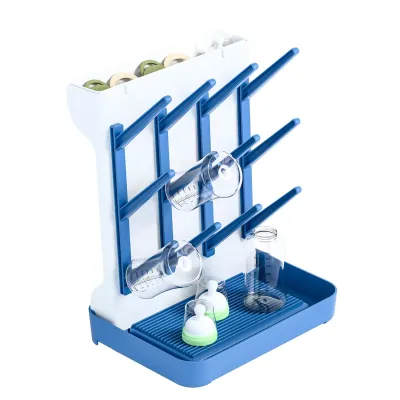
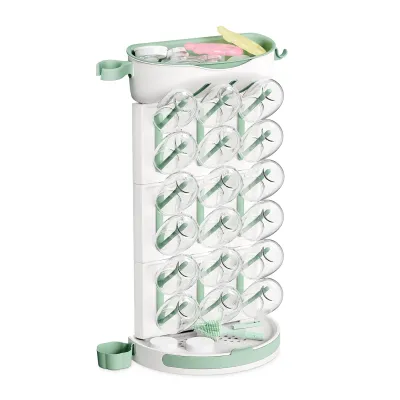

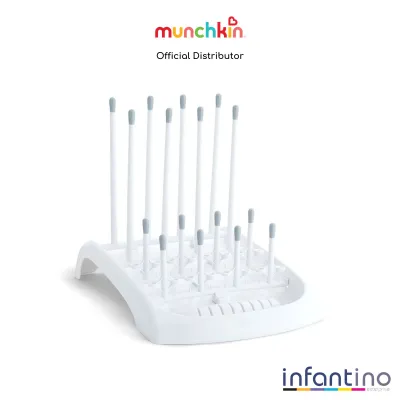
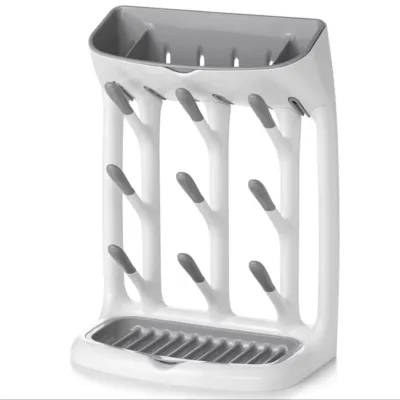
Prices are valid at publication and may change. Please refer to the product page for the latest price.
Structural stability and durability are equally important, especially when loading the rack with multiple heavy items. Glass baby bottles, breast pump parts, and heavy silicone training cups require a sturdy base that will not tip over under uneven weight distribution. A reliable rack must feature a well-balanced footprint and robust prongs that remain upright even when fully loaded.
Safety checks are vital to protect both the caregiver and the feeding equipment. You should regularly inspect any potential rack for sharp edges, rough weld points, or signs of material degradation over time. Peeling coatings or rusting joints can contaminate clean bottles, while sharp plastic or metal edges can scratch delicate silicone nipples or glass surfaces.
Finally, consider your kitchen’s physical layout and countertop space. In compact living environments with limited kitchen space, a bulky rack can clutter your food preparation area. Look for compact, modular, or foldable designs that fit comfortably next to your sink without obstructing daily tasks. The rack should also feature an efficient drainage system, such as a removable drip tray, to keep water from pooling on your countertops.
Stainless Steel Bottle Racks: Durability and Hygiene
Stainless steel bottle racks are highly valued for their exceptional durability and hygienic properties. This material is naturally non-porous, meaning it does not absorb odors, stains, or moisture, making it highly resistant to bacterial growth. For families looking for a long-term investment that can transition from baby bottles to toddler cups, stainless steel is an excellent candidate.

When shopping for a metal rack, always verify the specific steel grade printed on the product label. Look for high-quality, food-grade options such as 304 stainless steel or 18/8 stainless steel, which contain chromium and nickel to provide superior rust resistance in wet kitchen environments. Lower-grade metals may corrode quickly when exposed to constant moisture and frequent washing.
While many stainless steel racks are dishwasher-safe, you must check the manufacturer’s instructions to confirm compatibility. To prevent water spots and mineral buildup from hard water, establish a routine of wiping the rack down with a soft microfiber cloth. If mineral deposits do form, they can usually be removed with a mild vinegar solution, but always avoid abrasive scrubbing pads that can scratch the metal’s protective finish.
Carefully inspect the weld points and the tips of the prongs before use. High-quality stainless steel racks feature smooth, rounded tips—often capped with food-grade silicone—to prevent scratching the interior of your baby bottles. Rough weld joints can snag on cleaning cloths or scratch plastic bottles, creating tiny crevices where bacteria can hide.
Keep in mind that stainless steel is heavier than plastic and can be noisy when glass bottles are placed on the prongs. If you use glass baby bottles, look for a stainless steel rack that incorporates silicone sleeves or protective caps on the prongs. This cushioning minimizes the risk of chipping or cracking your glassware during busy feeding prep.
Plastic Bottle Racks: Lightweight and Budget-Friendly
Plastic bottle racks are popular due to their lightweight construction, versatile designs, and budget-friendly pricing. They are widely available in various shapes, colors, and configurations, often featuring clever folding mechanisms or adjustable prongs that accommodate different bottle sizes. This versatility makes them highly convenient for families who need a flexible, easy-to-move drying solution.
Safety is the paramount concern when selecting a plastic rack. Always look for clear product labels indicating that the plastic is free from harmful chemicals, specifically verifying that it is BPA-free, PVC-free, and phthalate-free. Because these racks hold items that go directly into your baby’s mouth, ensuring the material is food-safe and non-toxic is a critical step.
Over time, plastic is susceptible to material degradation from constant exposure to water, UV light, and cleaning agents. Regularly inspect your plastic rack for signs of wear, such as cloudiness, brittleness, deep scratches, or a chalky texture. Deep scratches in plastic are particularly problematic because they can trap moisture and organic residue, creating a harbor for mold and bacterial colonies that are difficult to sanitize.
Because plastic is lightweight, verify the rack’s maximum weight capacity and base design to prevent tipping when fully loaded. Look for models with wide, weighted bases or non-slip rubber feet. To maintain your plastic rack, strictly follow the manufacturer’s guidelines regarding heat exposure and cleaning agents. While some plastic racks are dishwasher-safe, hand-washing with warm, soapy water and a soft sponge is often the safest way to prevent warping or melting.
Bamboo Bottle Racks: Aesthetics and Natural Appeal
Bamboo bottle racks offer a warm, organic aesthetic that appeals to parents looking to minimize synthetic materials in their homes. As a fast-growing, renewable resource, bamboo is an environmentally conscious choice that blends beautifully with modern kitchen decor. However, utilizing a natural wood product in a wet environment requires a clear understanding of its unique maintenance needs.
Before purchasing a bamboo rack, check the manufacturer’s specifications regarding the protective seal and finish. The rack must be treated with a food-safe, water-resistant coating to prevent water from soaking into the porous wood fibers. An unfinished or poorly sealed bamboo rack will absorb moisture rapidly, leading to swelling, warping, and structural failure.
In humid climates, bamboo racks require strict air-drying and ventilation routines. Without adequate airflow, damp wood becomes highly susceptible to mold and mildew buildup. To prevent this, place the rack in a well-ventilated area near a window or under a fan, and never allow wet bottles to sit on the rack for extended periods after they have dried.
Regularly inspect your bamboo rack for splinters, loose joints, or cracking along the grain, which can occur due to repeated exposure to moisture. Splinters can damage delicate silicone bottle nipples, while loose joints compromise stability. Cleaning a bamboo rack requires a gentle touch; avoid submerging it in water or using harsh chemical cleaners unless explicitly approved by the maker. Instead, wipe the surface with a damp cloth and mild dish soap, then dry it immediately with a clean towel.
How to Match the Right Material to Your Daily Routine
Choosing the right bottle rack material ultimately comes down to matching the product’s characteristics with your household’s daily routine and lifestyle. If your family relies heavily on a dishwasher and prefers a low-maintenance, “set-and-forget” cleaning routine, a high-quality stainless steel rack is likely your best match. Its ability to withstand high heat and resist rust makes it highly compatible with busy, high-frequency washing schedules.
For families with limited countertop space or those who travel frequently, a lightweight, foldable plastic rack offers the practical flexibility you need. These options can be easily collapsed and stored in a drawer when not in use, keeping your kitchen countertops clear. They are also highly portable, making them convenient to pack in a travel bag for weekend trips or visits to relatives.
If you prefer natural materials and are willing to commit to a dedicated hand-washing and air-drying routine, a bamboo rack can be a beautiful addition to your home. However, if daily sterilization, immediate wiping, and ensuring perfect ventilation feel overwhelming during the demanding newborn stage, a low-maintenance plastic or stainless steel option may be more practical. Before finalizing your purchase, create a shortlist of candidates and verify key practical details. Whether you are budgeting under S$30 for a basic setup or investing in a premium system, check the manufacturer’s return policies, physical stability, and prong spacing to ensure compatibility with your specific bottle brand.
Frequently Asked Questions (FAQ)
Can I put a bamboo bottle rack in the dishwasher?
No, you should not put a bamboo bottle rack in the dishwasher. The high heat, intense water pressure, and prolonged exposure to moisture inside a dishwasher will rapidly degrade natural bamboo fibers. This harsh environment can strip away food-safe water-resistant coatings, cause the wood to warp or crack, and weaken the adhesive joints holding the rack together. Always refer to the manufacturer’s care label for definitive cleaning instructions, which typically recommend wiping the rack with a damp cloth and mild soap, followed by immediate air-drying in a well-ventilated space.
How often should I replace a plastic bottle drying rack?
A plastic bottle drying rack should be replaced as soon as you observe physical signs of wear or material degradation. Perform regular visual and tactile checks, looking for deep scratches, cloudiness, discoloration, or a chalky, brittle texture. If the plastic becomes warped, loses its structural stability, or develops persistent mold spots in hard-to-reach crevices, it can no longer be cleaned effectively and should be replaced immediately. Under normal daily use, many high-quality plastic racks last through a baby’s first year, but any compromise in cleanliness or stability warrants a prompt replacement to protect your feeding equipment.
Community discussion
Share your experience or ask a question. Comments are reviewed before publication.