
Choosing the right stainless steel kids bowl is not a one-size-fits-all decision; the ideal choice depends entirely on your child’s developmental stage and your family’s daily routine. For early weaning, a lightweight, small-capacity bowl designed for parent-led feeding works best. As your child transitions to self-feeding, a bowl with a reliable suction base and curved inner walls becomes essential to minimize spills and support scooping. For older toddlers, divided bowls with larger capacities help organize diverse food groups and encourage independence. By matching the bowl’s physical features—such as insulation, lid security, and suction strength—to your child’s current feeding milestone, you can create a safer, less messy, and more encouraging dining experience.
Quick Selection Framework for Stainless Steel Kids Bowls
Selecting the right tableware requires balancing your child’s motor skills with your household’s daily routine. Stainless steel is favored for its durability, hygiene, and shatter resistance, but different designs serve distinct purposes. Understanding these variations helps you avoid buying multiple unnecessary products.
There are four primary categories of stainless steel kids bowls available:
Products mentioned in this guide
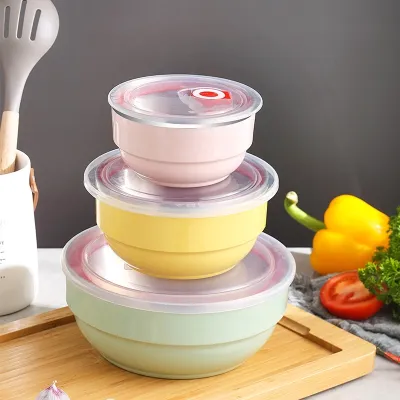
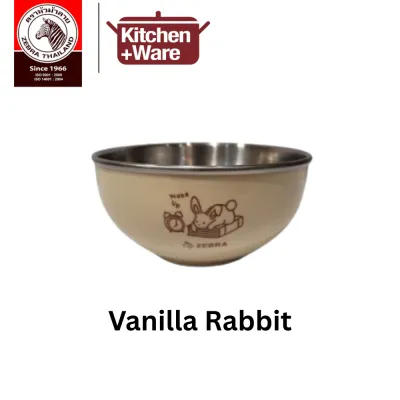
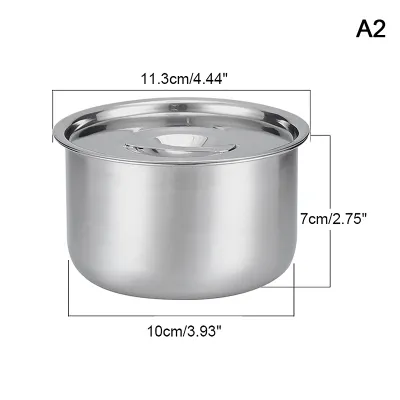
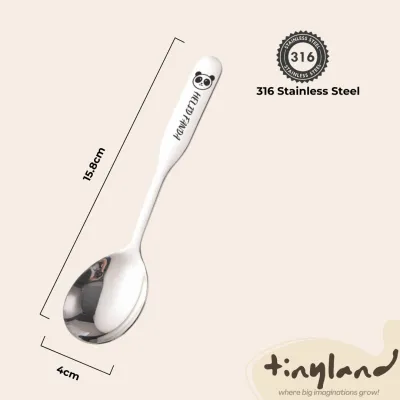
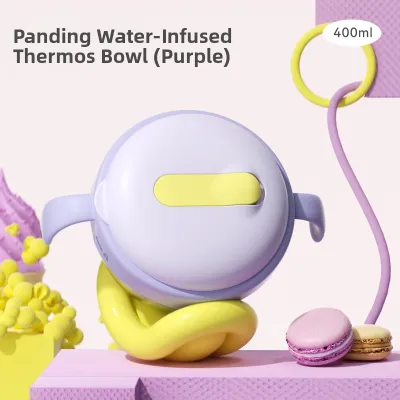
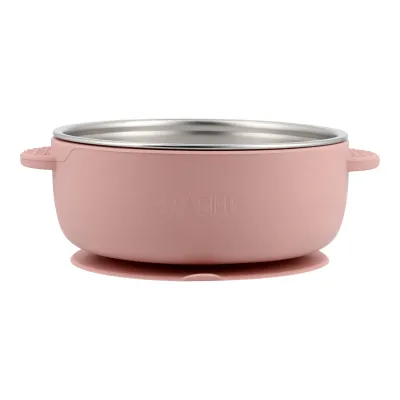
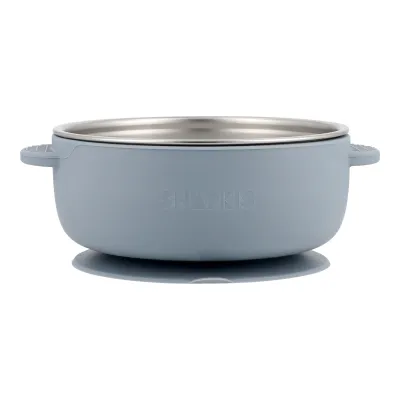
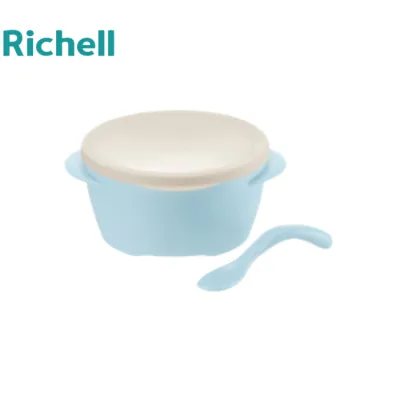
Prices are valid at publication and may change. Please refer to the product page for the latest price.
- Basic Single-Wall Bowls: These are lightweight, highly durable, and easy to stack. They are excellent for serving room-temperature snacks or for parent-led feeding where the bowl remains out of the child's reach. However, they transfer heat quickly, meaning hot foods can make the exterior uncomfortable to hold.
- Suction-Base Bowls: These feature a removable or integrated silicone suction ring at the bottom. They are designed specifically for the self-feeding stage to prevent the bowl from being tipped over or thrown off the highchair.
- Divided Bowls and Platters: These options feature multiple compartments to keep different food groups separate. They are ideal for older toddlers who prefer distinct food items and are learning to navigate varied textures.
- Insulated Bowls: Built with double-wall construction, these bowls keep food warm or cold for longer periods while keeping the exterior cool to the touch, protecting sensitive hands.
To determine the best option for your current situation, consider your primary feeding challenges. If your main struggle is mealtime cleanup, prioritize suction stability. If you frequently prepare meals in advance or eat outdoors, focus on temperature retention and leak-proof lids.
Use this quick conditional checklist to guide your purchase:
- For starting purees: Choose a small, single-wall bowl with an ergonomic rim that fits comfortably in your hand.
- For active self-feeding: Opt for a wide bowl with a food-grade silicone suction base and curved inner walls.
- For meals on-the-go: Select an insulated bowl equipped with a secure, snap-locking lid.
- For picky eaters: Choose a divided stainless steel plate or deep tray with a non-slip silicone bottom.
Matching Bowl Features to Weaning Stages
Children develop rapidly during their first two years, and their feeding tools must evolve alongside their physical capabilities. Matching the specific design features of a stainless steel bowl to your child’s developmental milestone ensures a smoother transition to solid foods.

Starting Solids (Early Weaning)
During the initial stage of weaning, which typically begins around six months, feeding is primarily parent-led. Your baby is learning to swallow smooth purees and mashed foods, meaning the bowl remains entirely in your hands.
At this stage, large capacities and heavy suction bases are unnecessary. Instead, look for a bowl with a small capacity, typically between 150ml and 200ml. A smaller volume prevents small portions of purees from spreading out too thin, which causes them to cool down rapidly.
Lightweight designs are highly beneficial here. Look for bowls with wide, ergonomic rims or integrated handles that allow you to hold the bowl securely with one hand while operating a spoon with the other. Single-wall stainless steel bowls, often paired with a removable outer plastic or silicone sleeve, are excellent choices because they are easy to maneuver and hold during long feeding sessions.
Practicing Self-Feeding (Mid Weaning)
As babies reach nine to twelve months, they begin showing a strong desire to feed themselves, using their fingers or attempting to handle a spoon. This stage is characterized by exploration, which inevitably leads to spills, drops, and flipped dishes.
To support this developmental milestone, stability is your highest priority. A high-quality suction base is essential to keep the bowl firmly anchored to the highchair tray or dining table. The suction mechanism should be wide and made of flexible, food-grade silicone that creates a strong vacuum seal.
In addition to stability, pay close attention to the inner shape of the bowl. Look for designs featuring curved, slightly overhanging inner walls. These contours act as a physical guide, allowing your child to push food against the side of the bowl to load their spoon successfully. This simple design feature significantly reduces frustration and encourages your child to keep practicing their motor skills.
Toddler Independence (Late Weaning and Beyond)
By the time children reach toddlerhood, their motor skills are more refined, and their dietary variety increases. They no longer require aggressive suction bases, but they do need tableware that accommodates larger portions and diverse food presentations.
Divided stainless steel bowls or platters are highly effective for toddlers. Many young children go through a phase where they prefer their foods not to touch. Compartmentalized designs allow you to serve proteins, grains, and vegetables separately, which can make meals look more appealing and less overwhelming to a picky eater.
Capacities should expand to 300ml or more to match their growing appetites. Look for wider, low-profile bowls with non-slip silicone rings on the bottom rather than full suction cups. These provide just enough friction to prevent accidental sliding while allowing your toddler to lift and move their dish as they learn proper table manners.
Evaluating Design and Safety for Daily Feeding Needs
Beyond developmental stages, your family’s lifestyle and dining environment dictate which bowl features will provide the most practical value. Assessing these functional designs ensures your purchase fits seamlessly into your daily routine.
Travel and On-the-Go
If your family frequently dines out, visits relatives, or enjoys outdoor activities in Singapore’s parks, portability is a key factor. A travel-friendly kids bowl must be lightweight, durable, and completely secure.
The most critical feature for travel is a reliable, leak-proof lid. Avoid simple press-on plastic covers, which can easily warp over time or pop off when bumped inside a diaper bag. Instead, look for lids equipped with food-grade silicone gaskets and secure snap-locking clips on the sides. These features ensure that semi-liquid foods like yogurts, stews, or fruit purees remain safely contained.
Additionally, consider how well the bowls stack. Compact, nestable designs save valuable space in your diaper bag or kitchen cabinets. If you plan to carry multiple meals, look for sets that fit neatly inside one another when empty.
Temperature Control
Maintaining the temperature of your child’s food is important for both safety and enjoyment. Double-wall vacuum insulation is the standard for temperature control in stainless steel tableware.
These bowls feature an inner and outer wall of steel with a sealed vacuum space in between. This construction prevents heat transfer, keeping warm foods warm and cold foods chilled for extended periods. This is particularly useful in warm climates, where keeping fresh fruits or dairy cool during outings is essential to prevent spoilage.
However, double-wall insulation comes with trade-offs. These bowls are naturally heavier and bulkier than single-wall alternatives, and they offer less internal food capacity relative to their exterior size. If portability is your main concern, you may prefer a single-wall bowl with a removable silicone sleeve, which offers moderate heat protection without the added weight.
Suction and Stability
A suction bowl is only useful if it actually sticks to your dining surface. Before purchasing, evaluate the material of your home dining table or highchair tray.
Silicone suction bases rely on a smooth, non-porous surface to maintain a vacuum seal. They perform exceptionally well on glass, polished stone, laminate, and smooth plastic highchair trays. However, they struggle to adhere to textured wood, matte finishes, or surfaces with deep grain, as air can easily seep under the seal and release the suction.
To ensure convenience for parents, look for suction bases that feature an integrated easy-release tab. This small tab allows you to break the vacuum seal effortlessly with one finger when mealtime is over, preventing the sudden upward jerk that often causes leftover food to spill everywhere.
How to Verify Material Safety and Quality
Because your child’s food comes into direct contact with their tableware, verifying the safety and quality of the materials is paramount. Taking a few deliberate steps before buying protects your child and ensures your investment lasts for years.
First, always check the specific grade of stainless steel used in the bowl’s construction. High-quality children’s tableware should be made from food-grade 304 stainless steel (often marked as 18/8, representing 18% chromium and 8% nickel) or medical-grade 316 stainless steel (18/10). These alloys are highly resistant to rust, corrosion, and chemical leaching, ensuring they remain safe even when exposed to acidic foods like tomatoes or citrus. Avoid products that are simply labeled “stainless steel” without a specific grade, as these may contain lower-quality metals prone to rusting.
Second, look for clear evidence of safety testing and certifications. Reputable manufacturers will openly state compliance with international food safety standards, such as those set by the US Food and Drug Administration (FDA) or the European LFGB. Any plastic, silicone, or rubber components—such as lids, suction bases, or outer sleeves—must be explicitly certified as free from BPA, BPS, phthalates, and lead.
Finally, learn to spot common red flags in product listings, especially when shopping on online marketplaces. Be skeptical of products that make grand claims of being “100% safe” or “organic metal” without providing concrete material specifications. If a listing does not clearly state the steel grade or the composition of the outer plastic shell, it is best to look elsewhere. Additionally, inspect the exterior finish; if the bowl features painted designs, ensure the manufacturer specifies that the paint is non-toxic, lead-free, and resistant to chipping, as peeling paint can pose a serious ingestion hazard for curious toddlers.
Care, Cleaning, and Longevity
Proper maintenance is key to keeping your stainless steel kids bowls hygienic, safe, and in excellent condition for years. Establishing a simple, low-risk cleaning routine prevents damage and ensures the materials remain pristine.
Always consult the manufacturer’s care instructions before washing. While stainless steel itself is incredibly durable and typically dishwasher-safe, other components may require gentler care. Removable silicone suction bases, plastic outer shells, and painted exteriors can warp, degrade, or lose their vibrant colors when exposed to the intense heat and harsh detergents of a dishwasher. For these parts, hand-washing with mild dish soap and a soft sponge is highly recommended. Avoid using abrasive scrubbing pads, steel wool, or harsh chemical cleaners, which can scratch the polished steel surface and create microscopic crevices where bacteria can thrive.
To prevent cosmetic issues like water spots or mineral buildup—which are common in areas with hard water—dry the bowls immediately after washing rather than letting them air-dry. If you notice dull spots or mineral film forming, you can easily restore the steel’s natural shine by wiping it with a soft cloth dampened with a mild solution of warm water and white vinegar, followed by a thorough rinse.
Proper storage is equally important for maintaining hygiene. Always disassemble removable parts, such as silicone sealing rings inside lids or detachable suction bases, before washing and drying. Allow all components to dry completely in a well-ventilated area before reassembling or storing them in closed cabinets. Trapping moisture inside these tight spaces creates an ideal environment for mold and mildew to grow, which can compromise the cleanliness of your child’s next meal.
Frequently Asked Questions (FAQ)
Can stainless steel kids bowls be used in the microwave?
No, standard stainless steel kids bowls should never be used in a microwave. Metal reflects microwave radiation, which can cause electrical sparking, damage your appliance, and create a serious fire hazard. Furthermore, the metal barrier prevents the microwave energy from reaching the food, resulting in uneven heating or cold spots. If you need to reheat your child’s meal, always transfer the food to a microwave-safe glass, ceramic, or silicone container first. Once heated to a safe temperature and stirred thoroughly to eliminate any hot spots, you can safely transfer the food back into the stainless steel bowl for serving.
How do I safely remove stubborn stains or odors from stainless steel?
Before applying any cleaning remedies, check the manufacturer’s specific care guidelines to ensure you do not damage any protective coatings or finishes. For stubborn food stains, grease films, or lingering odors, you can use a simple, non-toxic household solution. Create a thick paste by mixing baking soda with a small amount of warm water. Apply this paste directly to the stain or the interior of the bowl using a soft, non-abrasive sponge. Gently rub the area in circular motions, then let the paste sit for ten to fifteen minutes to absorb the odors and lift the residue. Rinse the bowl thoroughly with warm water and dry it immediately with a soft towel to prevent water spots.
Community discussion
Share your experience or ask a question. Comments are reviewed before publication.