
Finding the right spectra s1 accessories is essential for maintaining the efficiency, hygiene, and comfort of your breast pump. Whether you are looking to replace worn-out parts or customize your setup with different bottles and flanges, understanding the compatibility landscape of the Spectra S1 is crucial. This comprehensive guide outlines how to identify, verify, and safely use both official and third-party accessories to ensure your pumping sessions remain hygienic, comfortable, and highly productive.
Understanding the Spectra S1 Closed System and Compatibility Rules
The Spectra S1 is engineered with a closed-system architecture, which is a foundational design feature that directly impacts how you select and use accessories. In a closed-system pump, a physical barrier separates the milk collection kit from the pump motor. This barrier ensures that air flow and expressed milk never share the same pathway, preventing bodily fluids from entering the internal motor components.
This physical separation is achieved through the backflow protector, a small plastic and silicone assembly that sits between the flange and the tubing. When the pump motor creates a vacuum, it pulls air through the tubing, which in turn stretches the silicone membrane inside the backflow protector. This movement creates a secondary vacuum on the bottle side, drawing milk from the breast without allowing any air or liquid from the bottle side to cross over into the tubing.
Products mentioned in this guide
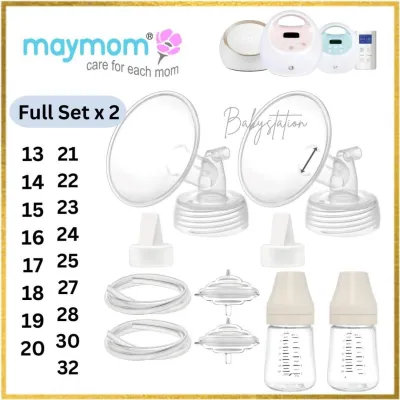
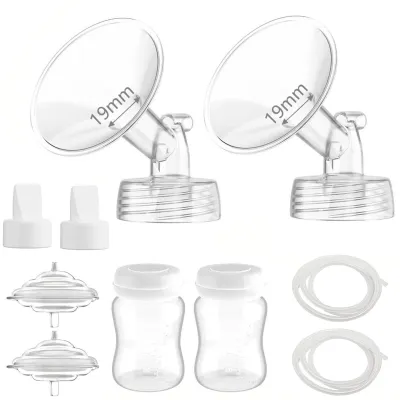
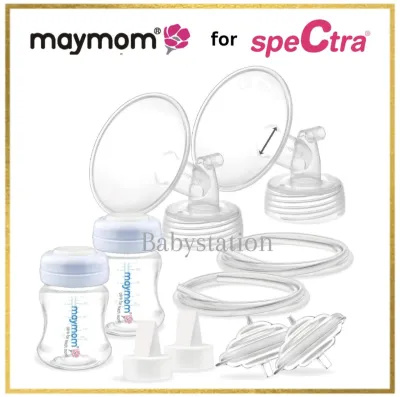
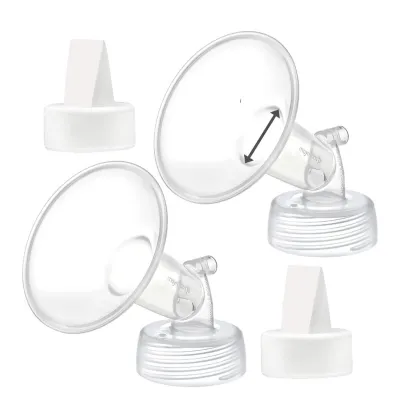
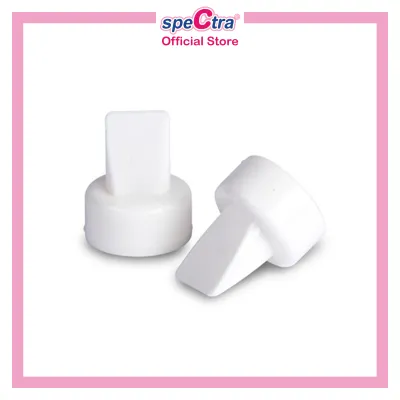
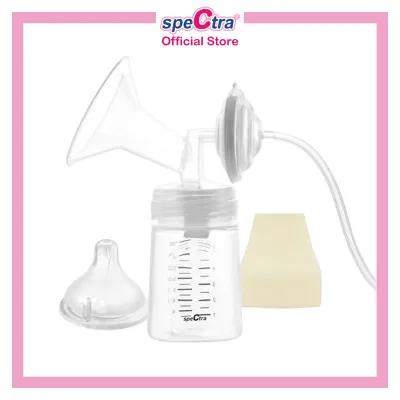
Prices are valid at publication and may change. Please refer to the product page for the latest price.
Understanding this mechanism is critical because using incompatible or poorly fitted parts can compromise the entire system. If a third-party backflow protector does not seal perfectly, the vacuum pressure will drop instantly. This loss of suction forces the motor to work harder to achieve the same vacuum level, which can lead to premature motor wear, overheating, and a noticeable decrease in milk expression.
Furthermore, a compromised barrier poses significant hygiene risks. If moisture or milk vapor bypasses the backflow protector and enters the tubing, it can settle inside the pump motor. Because the interior of a breast pump motor cannot be cleaned or sterilized, trapped moisture creates an ideal breeding ground for mold and bacteria. In humid climates, such as in Singapore, this risk is heightened, making a perfectly functioning closed system absolutely vital for your baby’s safety.
When purchasing replacement parts or additional accessories, you must establish a clear hierarchy of compatibility. For internal components that directly regulate vacuum pressure and safety—specifically the backflow protector membranes, duckbill valves, and tubing—prioritizing official Spectra parts is highly recommended. For external components like bottles, storage bags, and flanges, you can safely explore a wider range of third-party options and adapters, provided you verify the thread sizes and connection points before use.
Compatible Bottles, Adapters, and Milk Storage Solutions
One of the most practical aspects of the Spectra S1 is its compatibility with a variety of bottle brands, allowing you to pump directly into the containers you use for feeding or storage. The standard Spectra flange features a wide-neck thread design, which has an outer diameter of approximately 50mm. This design choice opens up several direct-fit and adapter-based options for parents.

Wide-neck bottles Spectra’s official wide-neck bottles are designed to screw directly onto the flanges with a secure, leak-proof seal. Fortunately, several other popular wide-neck bottle brands share a highly similar thread pitch and diameter. For example, Philips Avent Natural and Classic bottles, as well as Mam bottles, can typically be screwed directly onto Spectra flanges without the need for any additional hardware. However, because minor manufacturing tolerances exist between brands, always perform a quick manual check to ensure the bottle is fully threaded and does not slip under the weight of expressed milk.
Narrow-neck bottles If your baby prefers narrow-neck bottles, such as those from Medela, Dr. Brown’s (narrow), or Pigeon (narrow), you cannot attach them directly to the wide-neck Spectra flanges. To bridge this gap, you will need a wide-to-narrow bottle adapter. These adapters are lightweight, rigid plastic rings that screw onto the bottom of the Spectra flange, converting the 50mm wide-neck thread into a 30mm narrow-neck thread. When using these adapters, it is vital to ensure that the silicone sealing ring inside the adapter (if present) is seated flat to prevent air leaks that can degrade pump suction.
Milk storage bags Pumping directly into breast milk storage bags is an excellent way to save time and reduce the number of bottles you need to wash. To connect standard storage bags to your Spectra S1 flanges, you can use specialized bag adapters. These accessories typically feature a wide-neck threaded top that screws into the flange and a spring-loaded metal or plastic clip at the bottom. The clip clamps securely onto the top of the storage bag, holding it open directly beneath the flange tunnel. Alternatively, some brands manufacture storage bags with pre-threaded wide-neck tops that screw directly onto the flange without an adapter.
Verification steps To prevent accidental spills and loss of precious breast milk, always follow a strict verification routine before starting your pump:
- Inspect the plastic threads on both the flange and the bottle for any signs of stripping, cracks, or warping.
- Screw the bottle or adapter onto the flange slowly, ensuring it aligns straight. Avoid cross-threading, which can permanently damage the plastic.
- Tighten the connection until it is snug, but do not over-tighten, as excessive force can deform the silicone seals or crack the collar.
- Gently hold the flange and wiggle the bottle to confirm the connection is stable and can support the weight of a full bottle.
Essential Replacement Parts: Valves, Membranes, and Tubing
While the Spectra S1 motor is built to last, the consumable parts of the pump kit undergo constant physical stress and must be replaced regularly to maintain optimal performance. These parts include the duckbill valves, backflow protector membranes, and tubing. Understanding how these parts wear out and how to maintain them is key to successful long-term pumping.
Duckbill valves and membranes The duckbill valve is a single piece of molded silicone that regulates the flow of milk into the bottle while maintaining the vacuum seal. Spectra also offers an alternative valve assembly consisting of a plastic valve head and a small silicone membrane. Both styles rely on the precise elasticity of silicone to function. As the pump cycles, the silicone stretches and contracts. Over time, the material loses its resilience, develops micro-tears, or becomes stretched out, which directly reduces the vacuum pressure. If you notice that you need to turn up the vacuum level on your S1 to achieve the same results, worn-out valves are the most likely culprit.
Tubing Spectra tubing is made of medical-grade silicone designed to transfer air pressure from the motor to the backflow protector. Because the S1 is a closed system, air only moves back and forth within the tubing; milk should never enter it. The tubing is proprietary in its inner diameter, wall thickness, and length. Avoid using generic, hardware-store tubing or cutting your tubing to a shorter length, as this can alter the volume of air shifted during each cycle, potentially damaging the pump’s calibrated suction levels.
Backflow protectors The backflow protector consists of three parts: a large outer casing, a small inner casing, and a flexible silicone membrane suspended between them. This membrane is the heart of the closed system. If the membrane develops even a microscopic pinhole, air and moisture can pass through, compromising hygiene and dropping suction pressure. Ensure that any replacement backflow protectors you purchase are genuine Spectra parts or certified third-party alternatives that match the S1 specifications exactly.
Maintenance and inspection To keep your consumable parts functioning safely, establish a routine inspection and replacement schedule based on your pumping frequency. For exclusive pumpers (pumping 5 to 8 times a day), duckbill valves should be replaced every 4 to 6 weeks, while backflow membranes should be replaced every 3 months. If you pump less frequently (1 to 2 times a day), valves can last up to 3 months, and membranes up to 6 months.
When cleaning these parts, always check the manufacturer’s care instructions first. Wash silicone valves and membranes gently in warm, soapy water using your fingers; never use harsh bottle brushes or toothpicks, which can easily tear the delicate silicone. Tubing should never be washed or sterilized unless milk has bypassed the backflow protector. If moisture does get inside the tubing, hang it up to air dry completely before reconnecting it, or replace it immediately to prevent mold growth.
Flanges and Breast Shields: Sizing and Third-Party Integration
Finding the correct flange size is one of the most critical steps in your breastfeeding journey. The flange, or breast shield, is the funnel-shaped piece that contacts your breast. An improperly fitted flange not only causes physical discomfort and nipple damage but also significantly reduces the amount of milk you can express.
Official Spectra flanges Spectra S1 pumps typically ship with a standard flange size (often 24mm or 28mm). However, Spectra manufactures a range of official sizes, including 20mm, 24mm, 28mm, and 32mm. These flanges are designed as a single, solid plastic piece that connects directly to the backflow protector and the wide-neck bottle.
Third-party and silicone flanges Many parents prefer the comfort of soft silicone flanges or uniquely angled shields from third-party brands like Pumpin’ Pal, Maymom, or Lacteck. Integrating these aftermarket parts with your Spectra S1 requires careful attention to the connection points. Some third-party flanges are designed to fit directly into the Spectra backflow protector nozzle, while others require a specialized connector or stem adapter. Always verify that the connection is airtight and does not slip off during a pumping cycle.
Signs of poor fit Monitor your comfort and output closely during each session. Signs that your flange size or connection is incorrect include:
- Your nipple rubs against the sides of the flange tunnel, causing redness, chafing, or blistering.
- A large portion of your areola is pulled into the tunnel during suction, which can block milk ducts and cause swelling.
- You hear a whistling or sucking sound of escaping air, indicating an incomplete vacuum seal.
- Your breasts do not feel soft or empty after a standard 15-to-20-minute pumping session.
Measurement reminder Never assume that the default flange included in the box is the correct size for you. To find your correct size, measure the diameter of your nipple base (excluding the areola) in millimeters using a ruler or a dedicated nipple measuring tool. Perform this measurement before pumping, or immediately after a session when the nipple is slightly stimulated. Add 2mm to 3mm to your measurement to determine your starting flange size. For example, if your nipple base measures 21mm, a 24mm flange is generally the most appropriate starting point.
Hands-Free Bras and Travel Accessories for the Spectra S1
The Spectra S1 is highly valued for its portability, thanks to its built-in rechargeable battery. To maximize this mobility, many parents invest in hands-free pumping bras and travel accessories designed to accommodate the pump’s unique physical profile.
Hands-Free pumping bras Because the Spectra flange and bottle assembly is relatively long and heavy when filled with milk, you need a highly supportive hands-free pumping bra. Look for bras with a reinforced “X” opening or a layered design that can stretch securely over the wide-neck flange. The bra material must be firm enough to hold the bottles upright and flush against your breasts, preventing gravity from pulling the flange away and breaking the vacuum seal as the bottles fill.
Travel and cooler bags The Spectra S1 has a distinct, rounded shape with an integrated carry handle and a built-in nightlight. It measures approximately 19cm in diameter and weighs about 1.1kg. When choosing a travel bag, ensure the main compartment is large enough to house the pump unit without compressing the dials or buttons. Many specialized pump bags feature a dual-compartment design: a padded upper section for the pump motor and an insulated lower section designed to hold wide-neck bottles and contoured ice packs, keeping your expressed milk cold during commutes.
Power adapters and car chargers To keep your S1 charged while on the move, you must verify the electrical specifications of any replacement chargers or car adapters. The S1 features a built-in lithium-polymer battery.
- Voltage: Most Spectra S1 models require a 12V DC, 2A output power adapter. Always check the sticker on the underside of your specific pump unit to confirm its voltage requirements, as older models or regional variants may differ.
- Input Compatibility: In Singapore, the standard residential voltage is 230V AC at 50Hz, utilizing Type G electrical plugs. Ensure any wall charger you purchase is rated for 100-240V input to ensure safe operation locally and during international travel.
- Car Chargers: If charging in a vehicle, use a high-quality 12V car adapter designed specifically for breast pumps to prevent electrical surges from damaging the pump's internal battery or motherboard.
Sourcing Safely: How to Verify Third-Party and Replacement Parts
With numerous third-party replacement parts available on various e-commerce platforms and online marketplaces, parents must exercise caution to ensure they are buying safe, high-quality accessories that will not compromise their pump or their baby’s health.
Red flags for counterfeits When browsing online marketplaces, look out for warning signs of counterfeit or low-quality parts. Extremely low prices, generic packaging without brand markings, misspelled product descriptions, and a lack of clear manufacturer contact information are strong indicators of sub-standard goods. Counterfeit silicone parts may degrade rapidly, lose elasticity within days, or fail to create a proper vacuum seal.
Material safety Any part that comes into direct contact with your breast milk must be verified as food-grade and free of harmful chemicals. Ensure that all plastic flanges, connectors, and bottles are certified BPA-free and DEHP-free. Silicone parts, such as valves and membranes, should be made of 100% food-grade silicone. Check product listings for compliance with international standards, such as US FDA regulations or European food contact safety certifications, to guarantee no harmful substances leach into your baby’s milk.
Warranty and support boundaries Using non-original accessories does not automatically void your Spectra S1 warranty. However, if a third-party accessory directly causes damage to the pump motor—such as a torn third-party backflow membrane allowing milk to flood the motor, or an incorrect voltage adapter shorting the motherboard—the manufacturer will likely deny warranty coverage. If you experience any unusual motor noise, erratic suction, or physical damage while using a third-party accessory, stop using it immediately, consult the product’s instruction manual, and revert to official Spectra parts to protect your investment.
Frequently Asked Questions (FAQ)
Can I use bottles from other major brands directly with the Spectra S1?
Yes, you can use several major wide-neck bottle brands directly with your Spectra S1 flanges. Brands like Philips Avent Natural, Philips Avent Classic, and Mam share a highly similar 50mm thread diameter and pitch, allowing them to screw directly onto the flange. For narrow-neck bottles, such as Medela or Dr. Brown’s, you will need to purchase a wide-to-narrow thread adapter to ensure a secure, leak-proof connection during your pumping sessions.
What should I do if milk or condensation enters the tubing?
Because the Spectra S1 is a closed-system pump, moisture should never enter the tubing. If you see condensation or milk inside the tube, it indicates that your backflow protector membrane is torn, warped, or incorrectly assembled. Immediately turn off the pump and disconnect the tubing. Inspect the silicone membrane for damage and replace it if necessary. Wash the contaminated tubing in warm, soapy water, rinse it thoroughly, and hang it up to air dry completely before using it again, or replace it with a new, dry tube to prevent mold.
Are third-party replacement valves safe if official parts are unavailable?
High-quality, food-grade third-party silicone valves are generally safe to use, provided they are explicitly designed and sized for the Spectra S1. Many reputable aftermarket brands manufacture excellent replacement parts that perform similarly to official accessories. However, you must verify that the materials used are BPA-free and 100% food-grade silicone. Be aware that lower-quality third-party valves may have inconsistent silicone thickness, which can lead to rapid loss of suction and less efficient milk expression.
Community discussion
Share your experience or ask a question. Comments are reviewed before publication.