
When your Spectra breast pump experiences a sudden drop in suction, leaks milk, or makes unusual sounds, the issue is almost always a worn-out or improperly assembled wearable part rather than a failing motor. Because these devices rely on a closed, airtight vacuum system to express milk efficiently, even a microscopic tear in a silicone valve or a slightly warped backflow protector can disrupt the entire pressure cycle.
Pinpointing the exact Spectra pump part that needs replacement requires a systematic troubleshooting approach based on the specific symptoms your machine is displaying. By identifying whether the issue stems from the valves, tubing, backflow protectors, or breast shields, you can quickly restore your pump’s performance and maintain your breastfeeding routine without unnecessary downtime.
Perform These Assembly and Cleaning Checks First
Before purchasing any new components, it is essential to rule out simple assembly errors or temporary blockages that can easily mimic a broken part. Start by disassembling the entire collection kit and examining how each piece fits together. When reassembling, verify that all silicone duckbill valves or valve membranes are seated completely flat and pushed tightly onto the plastic connectors. Even a tiny gap where the valve meets the breast shield can prevent the pump from building a proper vacuum.
Products mentioned in this guide
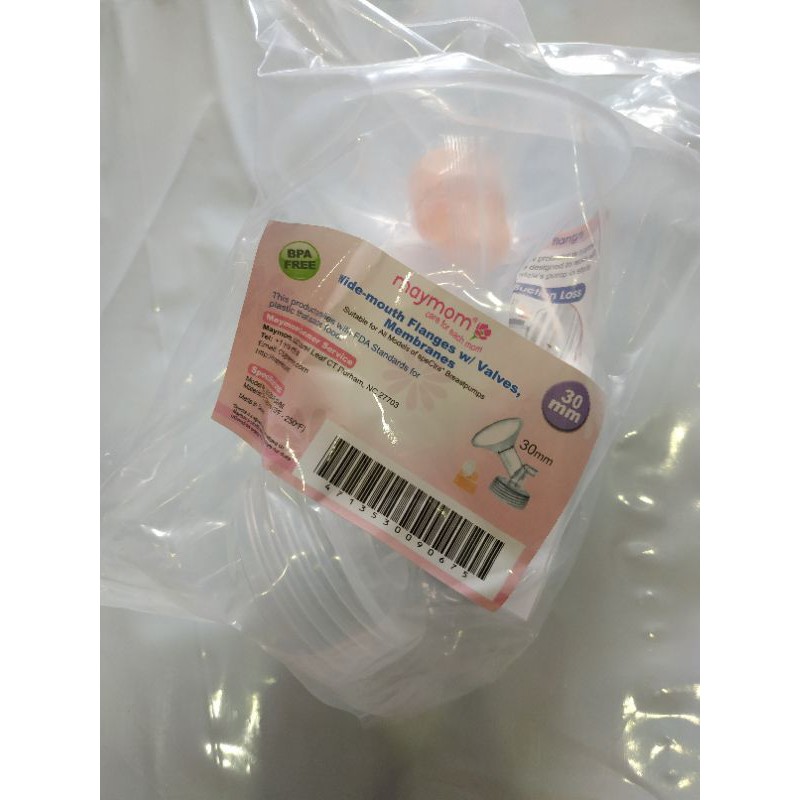
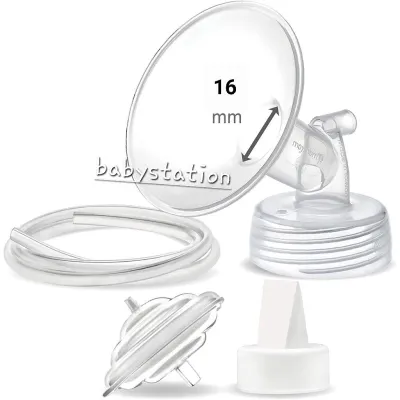
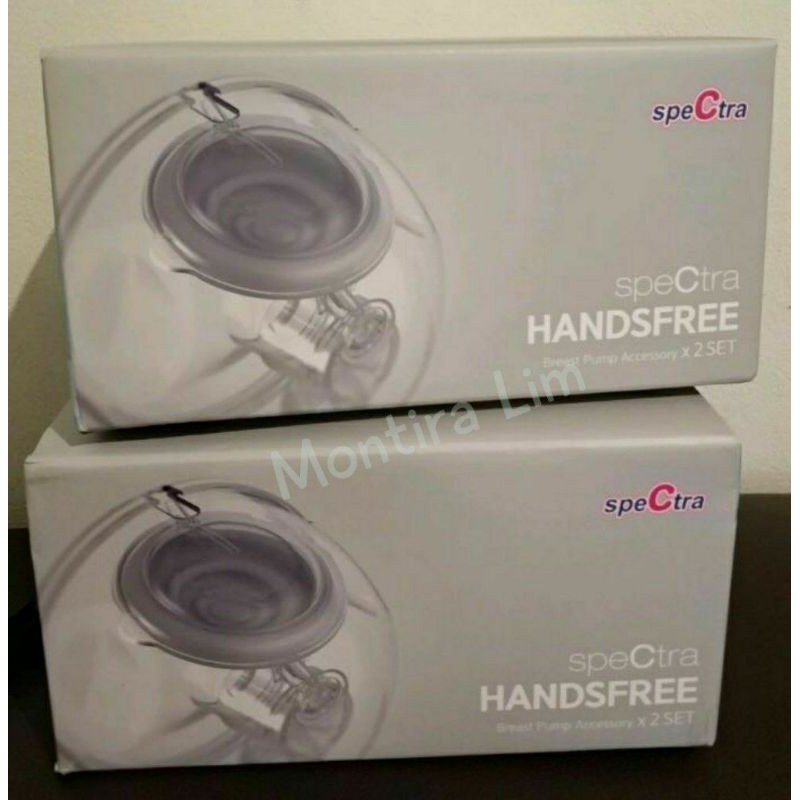
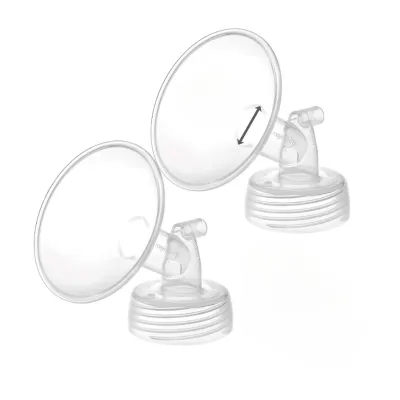
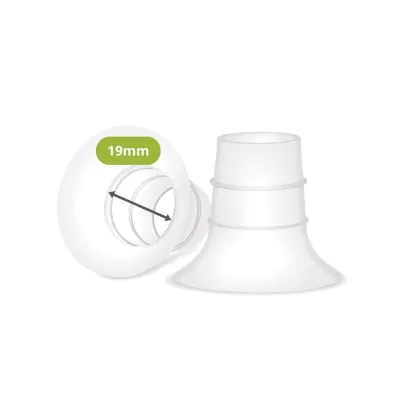
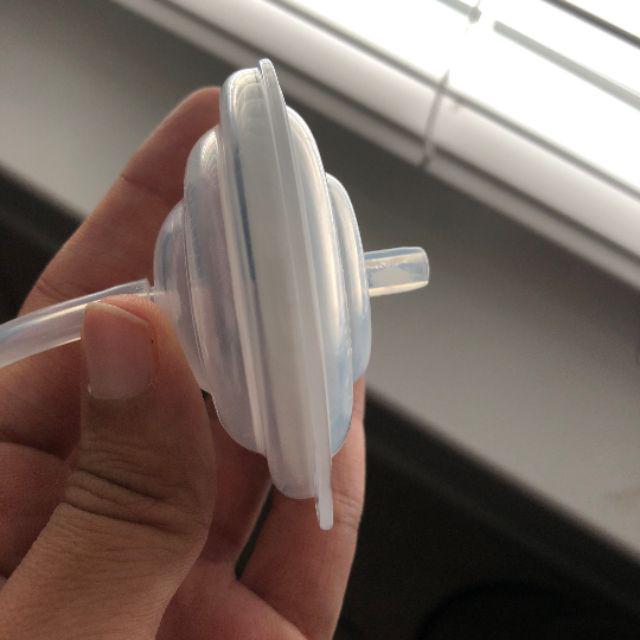
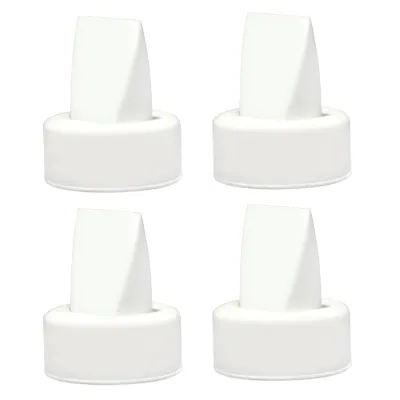
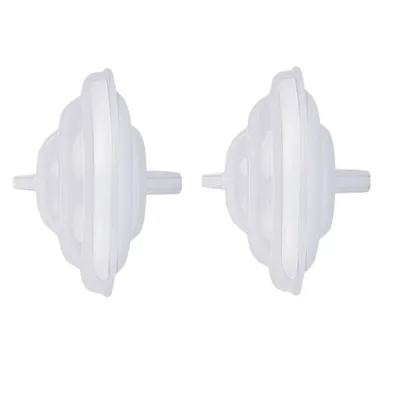
Prices are valid at publication and may change. Please refer to the product page for the latest price.
Next, inspect the air tubing for any signs of condensation, moisture droplets, or milk residue. Moisture inside the tubing not only poses a hygiene risk but also creates physical resistance to the airflow, which directly reduces suction power. If you spot any liquid, disconnect the tubing immediately. You should never wash or sterilize Spectra tubing, as it is designed to remain completely dry in a closed system; if moisture has entered, the tubing must be thoroughly dried or replaced.
Finally, check all physical connections between the breast shield, the backflow protector, and the collection bottle. Ensure that the bottle threads are aligned correctly and fully tightened onto the flange without cross-threading, which can let air escape. A loose connection at any of these junction points will cause a subtle air leak, leading to a noticeable drop in suction that might be mistaken for a mechanical failure.
Troubleshooting Weak Suction or Reduced Milk Flow
If your assembly is perfect but the suction remains weak or your milk expression has slowed down, the primary culprits are the wearable silicone parts that stretch and degrade over time. The most common part requiring frequent replacement is the duckbill valve or the valve membrane. Inspect these components closely under a bright light, gently pinching them to check for micro-tears, hairline splits, or a loss of elasticity. Over time, the constant stretching from the vacuum cycle causes the silicone to warp, meaning the valve no longer closes fully between cycles, resulting in a weak vacuum.

The tubing itself can also be a source of suction loss. Examine the entire length of the tubing for any sharp kinks, bends, or internal blockages that might restrict air displacement. Over months of regular use, the ends of the tubing that stretch over the pump ports and backflow protectors can become loose or stretched out. If the tubing slips off easily or feels loose at the connection points, it will allow air to bleed out, severely compromising the pump’s suction capacity.
Because Spectra manufactures several different pump models, the exact shape, size, and configuration of these suction-generating parts can vary. It is highly recommended to consult your specific Spectra model’s user manual to identify the exact name and part number of your wearable components. Using the correct terminology ensures you order the precise replacement parts designed to fit your specific device’s vacuum port configuration.
Identifying the Source of Milk Leaks or Backflow
When milk begins to escape the collection system or travel up toward the tubing, the issue lies directly with the backflow prevention system. Spectra pumps utilize a closed system design, which relies on a physical barrier to keep milk separate from the pump motor. Inspect the silicone diaphragm inside the backflow protector casing. Look for any warping, residue buildup, or a loss of elasticity in the silicone membrane. If this diaphragm is torn or stretched, it can allow milk to bypass the barrier, creating a serious hygiene hazard and potentially damaging the internal motor.
Another common source of leaks is a compromised seal at the bottle connection or a damaged breast shield flange. Inspect the plastic threads on both the bottle and the flange for hairline cracks that might have developed from accidental drops or high-temperature sterilization. Even a minor crack can allow milk to seep out during a pumping session. Additionally, ensure that your breast shield is sized correctly; an improperly fitting flange can cause friction, leading to milk pooling incorrectly and leaking down the sides rather than flowing smoothly into the bottle.
Replacing any component that shows visible deformation, discoloration, or a failure to create an airtight seal is crucial for maintaining a hygienic pumping environment. If you notice that the backflow protector parts do not snap together tightly, or if the silicone membrane appears stretched out of shape, do not attempt to patch or continue using them. Replacing these parts promptly ensures that your milk remains safe and your pump’s motor is protected from liquid damage.
Addressing Unusual Noises, Rattling, or Motor Strain
A change in the sound of your breast pump can be alarming, but it does not always mean the motor is failing. Often, unusual noises are caused by moisture trapped inside the tubing or the backflow protector. When air passes through wet tubing, it can create a distinct sputtering, bubbling, or whistling sound. If you hear these noises, turn off the pump, disconnect the tubing, and check for any signs of liquid. Clearing the moisture or replacing the affected tubing will usually resolve the sound immediately.
Vibrations and rattling noises are frequently caused by loose external fittings or the pump vibrating against a hard surface. Ensure that the backflow protectors are pushed firmly into the pump ports and that the tubing is securely attached. If you pump with the device resting on a hard table, the natural vibration of the motor can cause a loud rattling sound; placing the pump on a soft mat or towel can help absorb this vibration and quiet the operation.
However, it is vital to distinguish between external vibrations and internal mechanical issues. If you hear internal motor grinding, screeching, or if you detect a burning smell or see electrical sparking, you must immediately stop using the device. These symptoms indicate a serious internal hardware failure or electrical fault. In such cases, disconnect the power adapter, do not attempt to open the pump casing yourself, and contact Spectra customer support or an authorized repair center in Singapore to assess the unit safely.
Verifying Compatibility and Sourcing Authentic Replacements
When you are ready to purchase a replacement Spectra pump part, the first step is to verify your pump’s exact model. Locate the product label on the base of your device, which displays the precise model number and manufacturing details. Cross-reference this information with the official Spectra parts list to ensure you select components that are fully compatible with your specific machine, as parts for a portable model may not fit a heavy-duty hospital-grade model.
To guarantee the safety of your infant feeding equipment, always purchase replacement parts directly from the brand’s official website, authorized physical retailers, or verified official online storefronts. Authentic parts are manufactured to meet strict food-grade and BPA-free standards, ensuring that no harmful chemicals leach into your expressed milk. Sourcing from authorized channels also ensures that the parts will fit your pump perfectly, maintaining the correct vacuum pressure and protecting your warranty.
While unverified third-party or counterfeit silicone parts may appear cheaper, they carry significant risks. These imitation parts often suffer from poor quality control, leading to improper fit, air leaks, and rapid material degradation. Furthermore, they may lack the necessary material safety certifications, potentially exposing your milk to untested plastics or chemical additives. Investing in genuine replacements protects both your pump’s performance and your baby’s health.
Preventive Care and Part Inspection Routines
Establishing a regular inspection routine is the best way to prevent sudden part failures that can disrupt your pumping schedule. Before every session, take a few seconds to visually inspect your silicone parts, especially the duckbill valves and backflow membranes, for any signs of wear, thinning, or tearing. Catching a tiny tear early allows you to replace the part proactively, rather than finding yourself with a non-functional pump in the middle of the night.
Proper cleaning and maintenance are also key to extending the lifespan of your wearable components. Always wash, dry, and sterilize your pump parts strictly according to the manufacturer’s instructions. Avoid using harsh chemical cleaners or abrasive brushes on delicate silicone, as these can cause micro-scratches that harbor bacteria and accelerate material breakdown. Allow all parts to air dry completely on a clean rack before reassembling them.
Finally, keep track of your usage time to anticipate when parts will need to be replaced. Wearable silicone components naturally lose their elasticity over time, even with perfect care. If you pump multiple times a day, these parts will wear out much faster than if you only pump occasionally. Keeping a spare set of valves, tubing, and backflow membranes on hand ensures that you are always prepared and never have to miss a session due to a worn-out component.
Frequently Asked Questions (FAQ)
How often should I replace the silicone valves and membranes?
The frequency of replacing your silicone valves and membranes depends heavily on your daily pumping volume, cleaning habits, and sterilization methods. For parents who pump exclusively or multiple times a day, these delicate silicone parts may need to be replaced every one to three months, as constant stretching weakens the material. If you pump less frequently, they may last longer. Always refer to the specific replacement schedule outlined in your Spectra user manual, and replace any part immediately if you observe visible damage, stiffness, or a drop in suction.
Can I use generic or third-party replacement parts for my Spectra pump?
While generic or third-party replacement parts are widely available, using them carries notable risks. Non-OEM parts often suffer from minor sizing discrepancies, which can lead to air leaks, reduced suction, and poor pump performance. Additionally, unverified third-party parts may not carry the same food-grade, BPA-free material certifications as genuine Spectra components, posing potential safety risks for your milk. To maintain your pump’s performance, protect your warranty, and ensure material safety, it is highly recommended to stick to official or authorized compatible parts.
What should I do if my pump still has weak suction after replacing all wearable parts?
If you have replaced all wearable silicone parts and the suction remains weak, first re-evaluate your breast shield flange size. An improper flange fit can prevent a proper seal against your skin, mimicking a mechanical suction loss. Next, check your power adapter and battery (if using a portable model) to ensure the motor is receiving adequate voltage; a failing power cord can cause the motor to run weakly. If these checks do not resolve the issue, contact Spectra’s warranty support or an authorized service center in Singapore for professional diagnostics on the internal motor.

Community discussion
Share your experience or ask a question. Comments are reviewed before publication.