
Finding the perfect baby changing table for a compact Singapore apartment—whether a cozy three-room HDB flat or a modern condominium unit—is a balancing act between spatial efficiency and daily functionality. When floor space is at a premium, a bulky, single-purpose piece of furniture can quickly make a room feel cramped and disrupt the flow of your home. However, you do not have to sacrifice safety, ergonomic comfort, or storage capacity to keep your nursery layout open and breathable.
The ideal solution depends on how you plan to use the area, the architectural layout of your home, and your long-term plans for the nursery. From dual-purpose dresser combos that grow with your child to zero-footprint wall-mounted units and ultra-flexible portable toppers, the modern market offers several clever designs engineered specifically for tight quarters. To make an informed decision, parents must evaluate not only the physical dimensions of the furniture but also the practical dynamics of daily use, such as caregiver posture, reachability of supplies, and essential structural safety checks.
How to Measure Your Nursery Space for a Changing Table
Before browsing online marketplaces or visiting local showrooms in Singapore, taking precise measurements of your designated nursery area is the most critical step. In compact apartments, even a few centimeters can mean the difference between a functional layout and a blocked walkway.
Products mentioned in this guide
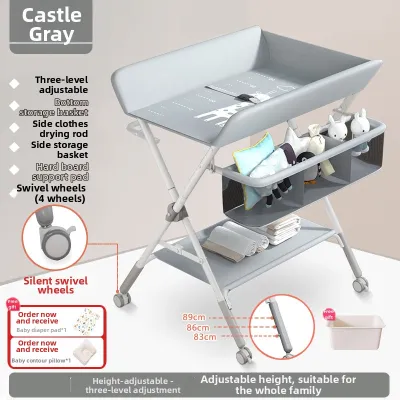
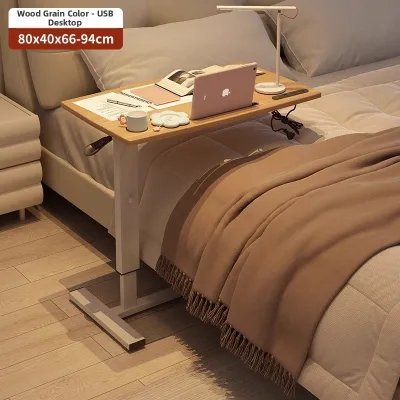
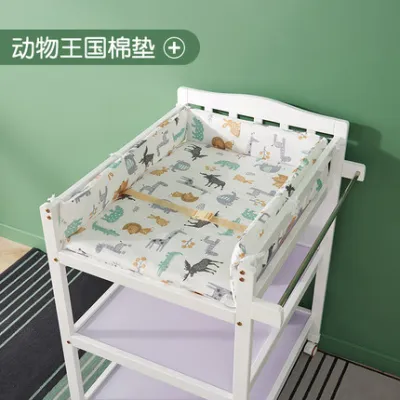
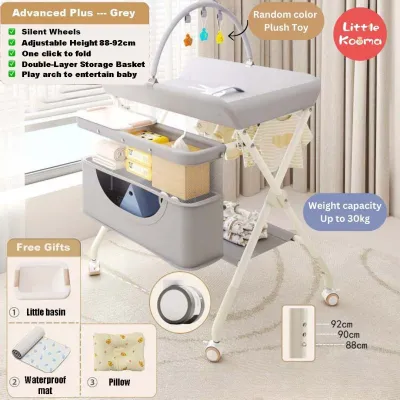
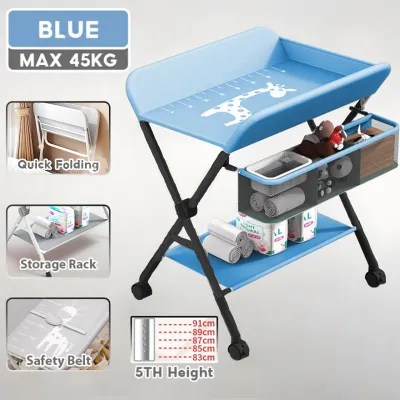
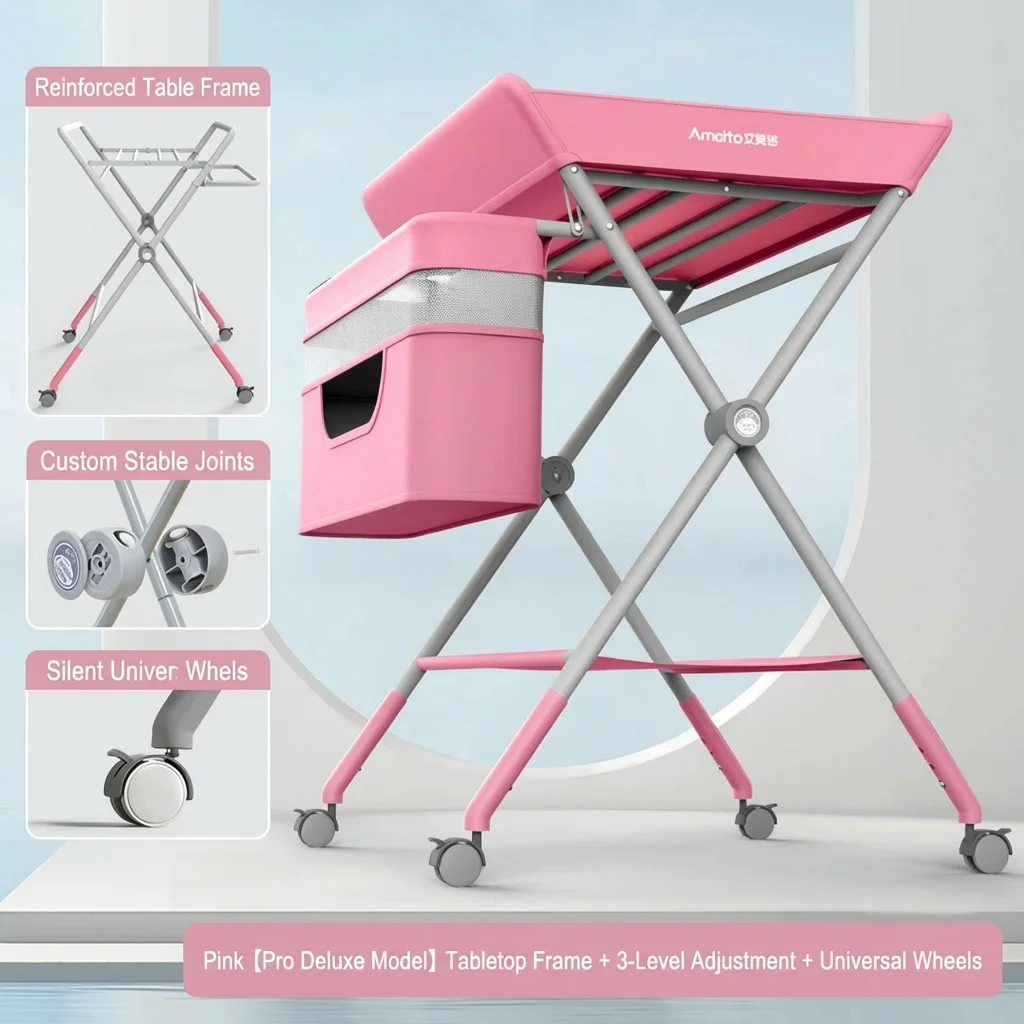
![[Three Colors] [SG STOCK] Multifunctional Diaper Changing Table Foldable Strong Load Bearing Baby Care Table Baby Diaper Changing Table Massage Touch Bath Table](https://img.lazcdn.com/g/p/a84244d8c8d4139f7d675c82cc9ebfd2.jpg_400x400q80.jpg_.webp)
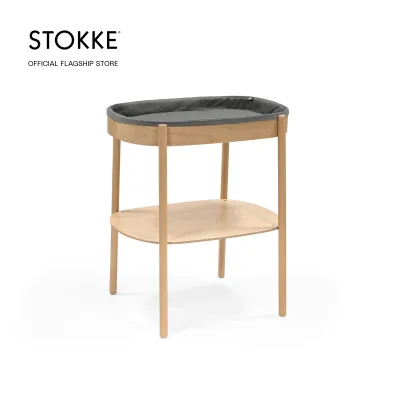
Prices are valid at publication and may change. Please refer to the product page for the latest price.
Begin by measuring the exact floor area where you plan to place the changing table. Do not rely solely on wall-to-wall measurements; you must account for skirting boards, baseboards, and any protruding electrical outlets or light switches that might prevent the furniture from sitting flush against the wall. If you are placing the table next to built-in wardrobes, measure the depth of the wardrobe frame to ensure the changing table does not stick out past it and create an awkward corner.
A common oversight is failing to account for the swing radius of doors. Measure the clearance required for bedroom doors, built-in wardrobe doors, and even nearby window panes. If a wardrobe door cannot open fully because it hits the corner of the changing table, it will cause daily frustration and potentially damage both pieces of furniture. Use painter’s tape on the floor to map out the exact dimensions of the prospective changing table to visually verify that all doors can swing open at least 90 degrees without obstruction.
A changing table’s physical footprint is only half the equation; you also need to factor in the space you will occupy while using it. Ensure there is at least 60 to 70 centimeters of unobstructed floor space directly in front of the unit. This space allows you to stand comfortably, bend slightly, and move your arms freely without bumping into cots, walls, or other furniture. If the space is too tight, you may find yourself standing at an awkward angle, which can lead to chronic back strain over months of multiple daily diaper changes.
If you are considering a tall storage combination, a wall-mounted unit, or a table with overhead shelving, look upward. Note the position of wall-mounted air conditioning units, ceiling fans, and hanging light fixtures. You must ensure that a wall-mounted table, when folded up or down, does not interfere with these fixtures, and that there is no risk of the baby reaching or hitting overhead objects during a change.
Top Space-Saving Baby Changing Table Designs
Maximizing space in a small Singapore home requires a strategic approach to nursery furniture. The right design for your home depends on whether you require integrated storage, want to preserve every square inch of floor space, or prefer a highly flexible, temporary setup. Fortunately, manufacturers have developed innovative configurations that prove space-saving does not mean compromising on structural safety, stability, or the daily convenience of having your baby’s essentials close at hand.

When exploring these designs, consider your family’s daily routine and how the furniture might transition as your baby grows. Some designs serve a single purpose exceptionally well for a short period, while others adapt to changing household needs over several years.
Dresser and Changing Table Combos
For parents who want to maximize the utility of every piece of furniture, a dresser and changing table combo is an exceptionally efficient choice. These units utilize vertical space by stacking a secure changing surface directly on top of a chest of drawers. Instead of buying a separate wardrobe, diaper cart, and changing table, you consolidate your storage and changing station into a single, compact footprint.
One of the greatest advantages of a quality dresser combo is its long-term versatility. Many models feature a removable changing topper or border. Once your child outgrows diapers—typically around two years of age, though you should always verify the manufacturer’s specific weight and age limits—you can simply remove the topper to transform the unit into a standard dresser. This extension of the furniture’s lifespan makes it a highly cost-effective and sustainable investment for small homes.
When selecting a combo unit, always check the structural specifications. Verify the maximum weight capacity of both the changing surface and the individual drawers. Ensure the drawers feature smooth, safety-stop runners to prevent them from being pulled out completely by an active toddler. Because dresser combos are top-heavy—especially when drawers are extended or a baby is on top—it is an absolute safety necessity to anchor the unit securely to the wall using heavy-duty anti-tip straps.
Wall-Mounted and Fold-Down Changing Stations
If floor space is virtually non-existent or you are setting up a changing area in a multi-purpose room, wall-mounted, fold-down changing stations offer an ingenious, zero-footprint solution. These units mount directly to the wall and fold flat when not in use, looking like a slim cabinet. When it is time for a diaper change, the front panel folds down to reveal a secure changing platform, often complete with small built-in shelves for wipes and diapers.
The primary benefit of a fold-down table is the complete preservation of floor space, allowing for easy cleaning and unobstructed movement through the room when the table is closed. However, installing these units requires strict adherence to safety protocols. You must verify your wall type before purchase and installation. Solid concrete walls, common in HDB bomb shelters or external structural walls, can securely support these units when paired with high-quality masonry anchors. Conversely, lightweight drywall or hollow partition walls are generally unsafe for supporting the dynamic, downward force of a baby and a caregiver leaning on the platform, unless they are anchored directly into internal timber or metal studs.
Additionally, carefully measure the projection of the unit. When closed, it should not protrude into narrow walkways or active walking paths where family members might bump into its corners. When open, ensure the platform does not obstruct nearby bedroom doors or prevent access to essential items in the room.
Portable Changing Pads and Contour Toppers
For families who prefer not to dedicate any permanent floor or wall space to a changing station, portable contoured changing pads and cot-top toppers offer ultimate flexibility. A contoured changing pad features raised sides and a non-slip bottom, allowing you to turn almost any flat, stable surface—such as a sturdy chest of drawers, a low shelving unit, or a dining table—into a temporary changing area.
Alternatively, cot-top changing boards are designed to slide securely over the rails of your baby’s existing cot. This utilizes the footprint of the cot itself, making it an incredibly smart solution for micro-nurseries. When choosing a portable pad or topper, look for features like heavy-duty safety straps that anchor the pad to the underlying furniture, a high-friction anti-slip base, and completely waterproof, wipeable materials that are easy to sanitize.
While highly convenient, portable setups demand strict safety discipline. Because these pads are not mechanically locked into a heavy, permanent frame, the risk of shifting exists. It is a critical safety rule never to leave your baby unattended for even a single second on an elevated surface. Always keep one hand on your baby, and ensure all diapering supplies are fully prepared and within arm’s reach before you place your baby on the pad.
Key Features to Look for in Compact Changing Tables
When space is limited, every feature of your baby changing table must work harder to deliver safety, convenience, and durability. To find a model that excels in a compact apartment, look for these essential design elements:
- Safety Rails and Protective Barriers: To prevent accidental rolls and falls, prioritize changing tables or toppers that feature raised safety rails on at least three sides. If you must push the changing table flush against a wall to save space, a sturdy barrier on the open sides is vital. The rails should be high enough to contain an active, rolling baby, typically at least 5 to 10 centimeters above the top of the changing pad.
- Integrated Storage Efficiency: In a small room, you cannot afford to have separate storage carts cluttering the floor. Look for changing tables designed with smart, integrated storage solutions. Open shelving directly beneath the changing surface allows for quick, one-handed access to baskets filled with diapers, wipes, and change clothes. Some compact models feature side-mounted accessory trays or hanging caddies, which keep small items like diaper creams and sanitizers organized without taking up valuable shelf space.
- Moisture-Resistant and Easy-to-Clean Materials: Singapore's warm, humid climate means that furniture materials must resist moisture build-up, mold, and mildew. Avoid porous, untreated woods or fabrics that can trap humidity and spills. Instead, look for solid wood with non-toxic, water-resistant sealants, high-quality MDF with durable laminates, or metal frames with wipeable plastic trays. The changing pad itself should have a seamless, waterproof cover that can be easily sanitized with a gentle disinfectant wipe after every use.
- Stability, Weight Distribution, and Wall Anchoring: A compact changing table often has a narrower base, which can make it more susceptible to tipping if a child attempts to climb it. Check that the unit has a wide, stable leg stance or comes equipped with dedicated wall-anchoring hardware. Verify that the manufacturer's weight limit is clearly stated and matches your baby's growth trajectory. Most standard changing tables support babies up to 11 to 15 kilograms, but you must always consult the specific product documentation to verify safety limits.
Common Sizing and Placement Mistakes to Avoid
Designing a nursery in a tight apartment layout often involves compromise, but certain placement mistakes can compromise safety or make daily diaper changes incredibly frustrating.
Positioning Near Air Conditioning Vents and Ceiling Fans: In Singapore, air conditioning and ceiling fans are essential for keeping homes comfortable. However, placing a changing table directly under an AC vent or a high-speed ceiling fan can expose your baby to cold drafts during changes. When babies are undressed, they lose body heat rapidly, which can make them fussy and uncomfortable. Position the table in a well-ventilated area that is shielded from direct, cold airflows.
Placement Under Low Windows and Near Blind Cords: Placing a changing table directly under a window might seem like a great way to utilize natural light, but it poses serious safety risks. Low windows can be drafty, and as your baby grows into a curious toddler, they may attempt to climb the changing table to reach the window sill. Furthermore, window blind cords or curtain pull strings represent a severe strangulation hazard; the changing table must be placed far out of reach of any dangling cords.
Ignoring the “Arm’s Reach” Rule for Supplies: The golden rule of diaper changing is to never take your eyes or hands off your baby. A common mistake in small rooms is placing the changing table in one corner and storing the diapers, wipes, and clothes in a wardrobe on the other side of the room. This forces the caregiver to stretch awkwardly or step away from the table. Before finalizing your layout, physically stand at the changing station and ensure you can comfortably reach all daily essentials without turning your back or taking your hands off the changing surface.
Overlooking Total Depth and Protruding Hardware: When measuring your room, do not just look at the manufacturer’s basic width and depth specifications. Often, these measurements do not include protruding drawer handles, overhanging changing pad borders, or the extra space required for wall-tethering straps. In a narrow walkway, a handle that sticks out by just three centimeters can catch on clothing or cause painful bumps. Opt for recessed handles or sleek, push-to-open drawers to maintain a completely smooth, safe profile in tight spaces.
Frequently Asked Questions (FAQ)
Can I use a regular dresser as a changing table?
Yes, repurposing a regular dresser is an excellent, space-saving way to avoid buying single-use nursery furniture, provided it meets strict safety criteria. First, the dresser must be structurally sturdy, flat, and at an ergonomic height—typically between 85 and 105 centimeters—to prevent back strain during changes. Second, the top surface must be deep and wide enough to fully accommodate a contoured changing pad without any overhang. To ensure safety, you must use a non-slip pad or securely screw a changing topper frame into the back of the dresser. Finally, because dressers can easily tip over when multiple drawers are opened or when a child climbs them, you must anchor the dresser securely to the wall using heavy-duty anti-tip furniture straps.
Are wall-mounted changing tables safe for HDB walls?
Wall-mounted changing tables can be exceptionally safe, but their safety depends entirely on the material of the wall and the quality of the installation. Most HDB flats feature solid concrete structural walls or internal brick walls, which are excellent for supporting heavy, dynamic loads. When mounting a changing station to concrete or brick, you must use high-quality masonry wall plugs and heavy-duty lag screws. However, if you are mounting the unit to a lightweight drywall partition or a hollow plasterboard wall, standard anchors will not suffice. These walls generally cannot support the downward leverage of a changing table and a growing baby. In such cases, you must locate the internal timber or metal studs to secure the mounting brackets, or consult a qualified professional contractor to ensure a secure, load-tested installation. Always refer to the manufacturer’s installation manual for specific weight ratings and fastener requirements.
Community discussion
Share your experience or ask a question. Comments are reviewed before publication.