
Setting up a nursery in a compact Singapore apartment, such as a modern HDB flat or condominium, requires a strategic approach to space planning. A baby changing table is one of the most frequently used pieces of furniture during your child’s first year, yet its footprint can easily overwhelm a small room. To find the right balance, you must prioritize multifunctional designs, precise physical measurements, and strict safety verifications. By focusing on adaptable configurations and verifying manufacturer specifications, you can create a highly functional changing station that keeps your baby secure without compromising your home’s flow.
Assessing Your Nursery Space and Layout Needs
Before browsing online marketplaces or local furniture showrooms, you must thoroughly evaluate the physical limits of your designated nursery area. Start by measuring the exact floor space where you plan to position the changing station. It is essential to account for door swings, wardrobe drawers, and the pathways you will walk daily. A changing table that fits perfectly when closed or unused might block a critical walkway when fully extended or when you are standing in front of it.
In compact Singapore homes, rooms often serve multiple purposes. Your baby’s changing area might need to share space with a home office, a guest bedroom, or your own sleeping quarters. Look for multi-use zones where a changing setup can overlap with existing furniture. For instance, a corner of a bedroom or a section of a hallway might accommodate a temporary setup, provided you maintain clear boundaries between adult living spaces and the baby’s care zone.
Products mentioned in this guide
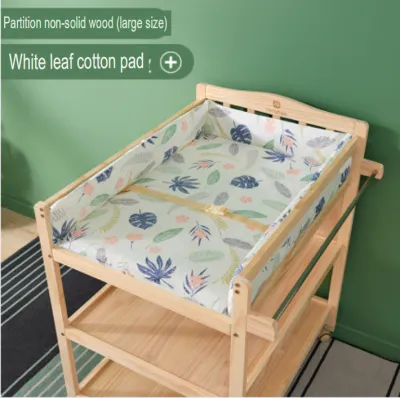
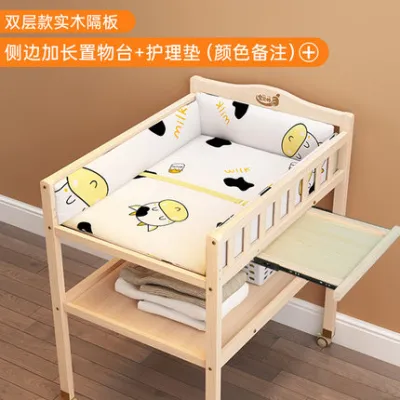
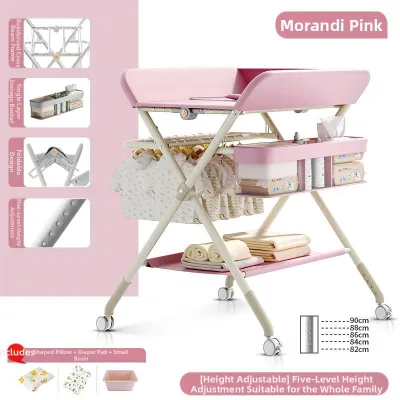

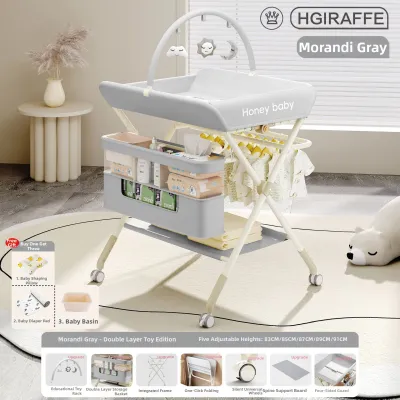
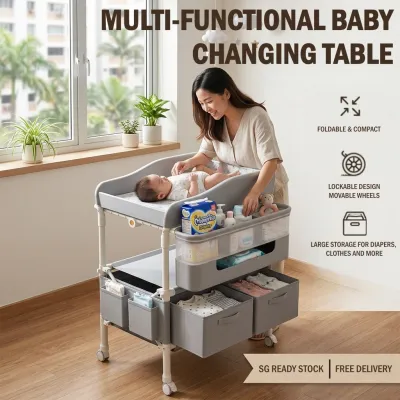
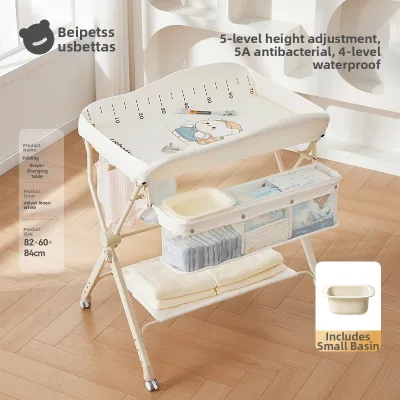
Prices are valid at publication and may change. Please refer to the product page for the latest price.
If you are considering a wall-mounted or fold-down changing table to save floor space, you must inspect the structural integrity of your walls. Many HDB flats feature concrete structural walls or lightweight partition walls. Mounting heavy, load-bearing furniture onto drywall or hollow blocks requires specialized anchors and precise alignment with wall studs. You must verify the wall material and consult a qualified professional or structural specialist to ensure the wall can safely support both the weight of the unit and your growing baby.
Types of Space-Efficient Changing Tables
Several design categories cater specifically to compact living, each offering distinct advantages and requiring specific safety checks. Wall-mounted and fold-down units are highly effective for tight corners because they fold flat against the wall when not in use. However, these models demand the most rigorous installation checks. You must verify that the mounting hardware supplied by the manufacturer is compatible with your specific wall type and that the unit’s hinges and latching mechanisms are robust enough for daily, repetitive motion.

Dresser-top combinations are an excellent way to utilize existing storage furniture without adding another large item to the room. By placing a contoured changing pad securely on top of a standard chest of drawers, you combine storage and changing functions into a single footprint. When evaluating this option, you must check that the dresser’s top surface is deep and wide enough to fully support the changing pad without any overhang. The height of the dresser must also align comfortably with your posture to prevent physical strain.
Portable or foldable freestanding models offer the flexibility to move the changing station between rooms, which is highly convenient in open-plan apartments. These units typically feature lightweight frames that fold down for storage behind a door or in a closet. When choosing a portable model, you must carefully inspect the frame’s stability, the locking mechanisms that prevent accidental folding, and the quality of the wheel brakes. The wheels must lock securely to ensure the table remains completely stationary during use.
Key Dimensions and Clearance Requirements
To ensure a changing table is practical for daily use, you must compare the product’s stated dimensions against your measured nursery zone. Do not rely solely on visual estimates from product photos. Check the manufacturer’s specifications for the fully assembled width, depth, and height. Ensure that these dimensions allow for comfortable movement around the table, leaving at least several centimeters of clearance from nearby walls, cribs, or doors.
Caregiver ergonomics and operational clearance are just as important as the physical footprint of the furniture. You will need adequate space directly in front of and to the sides of the table to stand comfortably, bend over, and reach essential supplies like diapers, wipes, and fresh clothing. If you are squeezed into a tight corner, you may find yourself adopting awkward postures that lead to physical discomfort over time.
The height of the changing surface must align with the primary caregiver’s height to prevent back strain. A surface that is too low forces you to bend excessively, while a surface that is too high makes it difficult to lift and secure your baby safely. Before purchasing, test different heights by standing next to existing tables or countertops in your home to determine the most comfortable working height for your posture.
Safety Checks and Manufacturer Guidelines
Safety must remain your primary consideration when selecting and installing any baby changing table. For all freestanding or tall units, you must verify the inclusion of anti-tip hardware. Securing the furniture directly to the wall is an absolute requirement to prevent accidental tipping, especially as your baby becomes more active and begins to pull themselves up on furniture.
When examining a changing table or pad, check for the presence and condition of safety straps and raised guardrails. Guardrails should surround the changing surface on all sides to provide a physical barrier. If you are using a folding or portable model, inspect the locking pins and hinges to ensure they engage fully and cannot be dislodged by your baby’s movements. Always verify that the safety straps are routed correctly according to the manufacturer’s instructions.
Finally, you must review the manufacturer’s stated weight, age, and developmental limits in the product manual. These limits dictate the exact conditions under which you must stop using the changing table. Never assume a table is suitable based on its appearance or name alone. As soon as your baby reaches the maximum weight limit or begins to sit up, roll over, or attempt to climb, you must transition to changing them on a secure floor-level surface to prevent falls.
Frequently Asked Questions (FAQ)
Can I use a regular dresser as a baby changing table?
Yes, you can use a regular dresser as a changing table, provided it meets specific safety and dimensional criteria. You must verify that the dresser is completely stable, does not wobble, and is securely anchored to the wall with anti-tip hardware. The top surface must be large enough to accommodate a contoured changing pad with no overhang, and the pad itself must be secured directly to the dresser frame using the manufacturer’s supplied straps or brackets to prevent sliding.
When should I stop using a wall-mounted changing table?
You must stop using a wall-mounted changing table immediately when your baby reaches the manufacturer’s specified weight or age limit, or when they hit key developmental milestones. If your baby can roll over, sit up, or pull themselves up on the guardrails, the risk of falls increases significantly. Additionally, you must discontinue use immediately if you observe any loosening of the mounting hardware, cracks in the wall, or instability in the unit’s hinges.
Community discussion
Share your experience or ask a question. Comments are reviewed before publication.