
Quick Answer: Which Cooler Type Should You Choose?
Selecting the right breast milk cooler is a critical decision for working mothers returning to office routines. In a fast-paced environment like Singapore, where daily commutes involve transitioning between air-conditioned offices, humid outdoor walkways, and crowded transit systems, your choice of gear must align with your daily logistics. The optimal cooler type depends entirely on your specific transit methods, office storage arrangements, and personal comfort preferences.
Soft-sided breast milk coolers are generally the most practical choice for mothers who rely on public transportation, such as the MRT or public buses. Their lightweight construction, flexible exterior materials, and versatile carrying straps make them easy to carry through crowded train stations and stow in tight spaces. These coolers can compress slightly when not fully packed, reducing bulk during peak-hour commutes.
Hard-sided breast milk coolers are better suited for mothers who drive to work, require maximum physical protection for glass storage bottles, or have dedicated, spacious storage areas at their workplace. The rigid structure of these coolers prevents accidental crushing and provides highly stable thermal insulation, but they lack the physical flexibility needed for comfortable public transit commuting.
Products mentioned in this guide
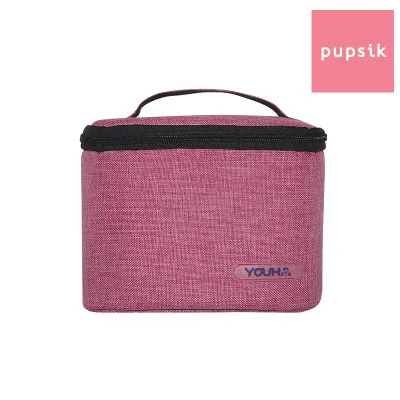
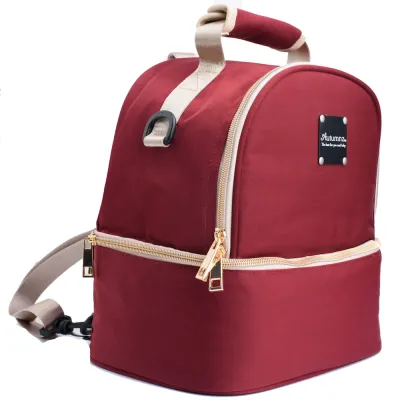
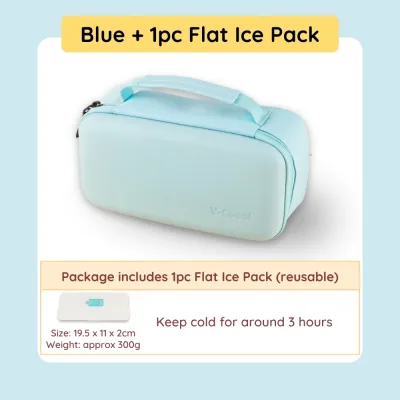
![[Free 2x Ice Packs] V-Coool Insulated Cooler Bag For Breastmilk Baby Food Waterproof Tote Bag Backpack Mummy Bag Diaper Bag Portable Lightweight Double Deck Breast Pump Accessories Breast Milk Keep Fresh Cold For Working Traveling Outing by 8miles](https://img.lazcdn.com/g/p/4fe02b0c0549c1688ec9ac2b9e6c6a97.jpg_400x400q80.jpg_.webp)
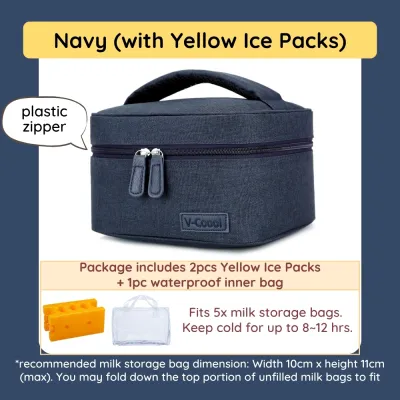
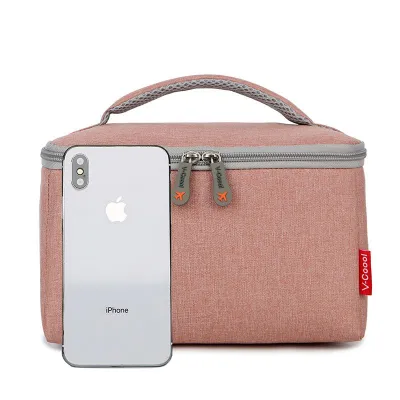
![[SG Stock] Baby Infant Insulated Milk Bottle Holder Carrier Warmer Cooler with Strap [Little Gems] Breastmilk Pouch Thermal black Grey Cats](https://img.lazcdn.com/g/p/249f1474fad987a05020011eb2de0b37.jpg_400x400q80.jpg_.webp)
Prices are valid at publication and may change. Please refer to the product page for the latest price.
Regardless of the style you choose, safety remains the highest priority. You must always verify the manufacturer’s thermal retention specifications, use appropriate cooling elements, and follow established clinical guidelines for safe breast milk storage. Monitoring the internal temperature of your cooler is essential to ensure that your expressed milk remains safe for your infant throughout the day.
Portability and Commute: Navigating Daily Transit
The physical demands of a daily commute in Singapore require a cooler that is easy to carry without causing physical strain. For mothers navigating the MRT network during peak hours, space is at a premium. A soft-sided breast milk cooler offers significant weight advantages, as the fabric exterior adds minimal empty weight to your overall load. This flexibility allows you to squeeze the cooler into a larger commuter tote or carry it comfortably alongside a laptop bag and a breast pump.

Carrying configurations are a major benefit of soft-sided designs. Many models feature adjustable, padded shoulder straps, crossbody straps, or backpack-style designs. These options allow you to distribute weight evenly across your shoulders, keeping your hands free to tap your transit card, hold handrails on moving buses, or navigate a stroller. The pliable fabric also conforms to your body, making it less likely to bump into other passengers in crowded train carriages.
In contrast, hard-sided coolers feature a rigid, non-negotiable shape. While they often include sturdy, ergonomic top handles, they generally lack shoulder straps or backpack conversions. Carrying a rigid plastic box by hand over long distances can quickly become tiring, especially when walking from an MRT station to a distant office building. However, if your primary commute involves driving, a hard-sided cooler can sit securely on a car seat or floorboard without tipping over, making the lack of carrying straps less of an issue.
Singapore’s hot and humid tropical climate adds another layer of difficulty to the daily commute. Walking outdoors in high humidity causes rapid physical fatigue, and carrying heavy, awkward items increases discomfort. A lightweight, soft-sided cooler minimizes physical exertion during outdoor walks. If you must walk significant distances between transit stops and your workplace, minimizing the physical weight of your gear is highly beneficial for your daily comfort.
Before purchasing any cooler, it is wise to verify its empty weight, strap padding thickness, and handle dimensions. Checking these specifications ensures that the physical design of the cooler matches your body frame and commuting habits. If you plan to carry your cooler for more than fifteen minutes at a time, prioritize models with breathable mesh backing and wide, padded straps to minimize heat buildup and shoulder strain.
Office Storage and Discretion: Fitting Into Your Workspace
Once you arrive at your workplace, storing your expressed milk securely and discreetly becomes the next priority. Soft-sided coolers excel in offices with limited storage space. Because the fabric walls are flexible, these coolers can be squeezed into tight spaces, such as personal lockers, deep desk drawers, or crowded shared pantry refrigerators. They adapt to the surrounding items rather than demanding a fixed, clear footprint.
Discretion is another key advantage of soft-sided designs. Many modern soft-sided breast milk coolers are designed to look like standard lunch totes, stylish handbags, or professional laptop cases. This neutral appearance allows you to carry your pumping gear through open-plan offices and shared spaces without drawing unwanted attention. This subtle design provides privacy and peace of mind for mothers who prefer to keep their pumping journey private.
Hard-sided coolers, on the other hand, require a fixed, rigid footprint. They cannot be compressed or squeezed into tight spaces, which can make them difficult to store in small, shared office refrigerators where shelf space is highly contested. If your workplace pantry fridge is consistently packed with lunchboxes, a hard-sided cooler may not fit, forcing you to store your milk in individual bags directly on the fridge shelves, which compromises privacy.
However, if you have access to a dedicated office refrigerator with ample space, or if you have your own personal mini-fridge at your desk, a hard-sided cooler offers excellent organizational benefits. The flat, rigid top and bottom surfaces of hard-sided models allow them to stack neatly on shelves or under desks. They will not tip over or spill, even when placed on wire refrigerator racks or uneven surfaces.
To avoid storage issues, measure the available space in your office pantry refrigerator or desk drawers before making a purchase. Knowing the height between refrigerator shelves or the depth of your locker will help you choose a cooler that fits perfectly. If your office fridge space is highly limited, a compact soft-sided cooler that can be stored at your desk with high-quality ice packs may be a more practical solution than relying on shared appliances.
Cooling Performance and Capacity: Keeping Milk Safe
Maintaining a safe temperature is the most critical function of any breast milk cooler. Hard-sided coolers typically feature thick, rigid insulation walls made of dense polyurethane foam. This structural design provides highly stable temperature retention, creating a robust barrier against external heat. However, because the walls are rigid, the internal capacity is strictly fixed and cannot expand to accommodate extra bottles or larger ice packs.
Soft-sided coolers utilize flexible insulation materials, such as closed-cell foam lined with reflective foil. The insulation performance of soft-sided models varies widely depending on the brand, construction quality, and price point. While some high-end soft-sided coolers offer excellent thermal retention, budget-friendly fabric bags may have thinner insulation layers that are more vulnerable to Singapore’s high ambient temperatures, especially during extended outdoor exposure.
To ensure your milk remains safe, do not rely on generic cooling duration claims. Always check the manufacturer’s tested ice retention specifications and identify the specific type of ice packs required for optimal performance. Some coolers perform best with contoured gel packs designed to wrap around bottles, while others require specialized phase-change material packs. Following the recommended ice-to-content ratio is essential for maintaining safe temperatures.
Your choice of milk storage containers also influences which cooler type is most suitable. If you use glass bottles to store expressed milk, a hard-sided cooler provides essential crush protection, preventing the bottles from clinking together and breaking during transit. If you prefer space-saving, single-use breast milk storage bags, a soft-sided cooler is highly efficient. The flexible walls of a fabric cooler can conform around irregularly shaped frozen milk bags, allowing you to maximize the internal space.
Always cross-reference your cooler usage with local pediatric and health authority guidelines for safe breast milk storage. In tropical climates, keeping milk at or below the recommended temperature is vital to prevent bacterial growth. If your daily routine involves long periods without access to a refrigerator, prioritize coolers that are specifically designed and certified for medical or breast milk transport.
Durability, Cleaning, and Daily Wear
Daily use puts significant wear and tear on a breast milk cooler, making durability and ease of cleaning important factors for long-term satisfaction. Soft-sided coolers are constructed with fabric exteriors, zippers, and stitched seams. Over time, these components can experience wear. Zippers can catch or split under tension, seams can fray, and the inner waterproof lining can develop small tears if punctured by sharp objects or bottle corners.
Spills are inevitable when handling breast milk, and cleaning a soft-sided cooler requires diligent care. If milk leaks onto a fabric lining, it can seep into the seams or the insulation layer if the liner is not completely sealed. In Singapore’s humid climate, damp fabric and trapped milk residue can quickly lead to sour odors, mold, or mildew growth. To prevent this, look for soft-sided coolers that feature seamless, hot-pressed interior linings that are leak-proof and easy to wipe dry, or models with removable, machine-washable inserts.
Hard-sided coolers offer superior durability against physical impacts, drops, and daily wear. Made from heavy-duty plastics, these coolers resist crushing, punctures, and scratches. They are highly resilient and can withstand being dropped on concrete sidewalks or tossed into the trunk of a car without sustaining structural damage. The simple latch or slide-lock mechanisms on hard-sided models are also less likely to fail compared to fabric zippers.
Cleaning a hard-sided cooler is straightforward and highly efficient. The smooth, non-porous plastic surfaces do not absorb liquids or odors, allowing you to wipe them clean and sanitize them with disinfectant wipes in seconds. There are no fabric seams for mold to hide in, and the entire unit can be washed in the sink with warm, soapy water and air-dried quickly, making daily maintenance painless.
Before using any cleaning agents or sanitizers on your cooler, check the manufacturer’s care instructions. Some interior linings or plastic formulations can degrade when exposed to harsh chemicals, alcohol-based wipes, or boiling water. Following the approved cleaning guidelines preserves the integrity of the insulation materials and ensures your cooler remains hygienic for daily use.
Side-by-Side Feature Comparison
The following table summarizes the key structural and functional differences between soft-sided and hard-sided breast milk coolers to help you evaluate which design aligns with your daily routine.
| Feature | Soft-Sided Coolers | Hard-Sided Coolers |
|---|---|---|
| Commute Portability | Flexible, lightweight, and easy to carry on public transit. | Rigid, heavier, and bulkier to carry over long distances. |
| Office Footprint | Adaptable shape; fits into tight lockers or crowded shared fridges. | Fixed footprint; requires dedicated flat shelf or floor space. |
| Crush Protection | Low to moderate; fabric walls can compress under external pressure. | High; rigid plastic walls protect glass bottles from impact. |
| Cleaning & Maintenance | Requires careful seam cleaning to prevent mold and odors in humid climates. | Easy to wipe down, sanitize, and wash; highly resistant to odors. |
| Ideal Commute Profile | Public transit commuters, walkers, and those carrying multiple bags. | Drivers, car commuters, and those with dedicated office storage. |
Final Verdict: How to Decide Based on Your Routine
To make your final decision, analyze your daily routine using your transit methods and workspace setup as your primary guide. Choosing the right cooler type will minimize daily stress and ensure your breast milk remains safely stored throughout your working hours.
Choose a soft-sided cooler if:
- You commute primarily via public transport, such as the MRT or public buses, and need to minimize physical weight.
- You need a hands-free carrying option, such as a backpack or crossbody strap, to manage other bags or a stroller.
- Your office pantry refrigerator is small or heavily shared, requiring a flexible bag that can squeeze into tight spaces.
- You primarily store expressed milk in flexible, space-saving breast milk storage bags rather than rigid bottles.
Choose a hard-sided cooler if:
- You drive to work and can place the cooler securely on a car seat or in the trunk without worrying about carrying weight.
- You use glass feeding bottles that require maximum physical protection against accidental drops or crushing.
- You have access to a spacious, dedicated refrigerator shelf at your workplace or have a personal mini-fridge at your desk.
- You prioritize quick, low-maintenance cleaning and want a highly durable product that resists mold and odors.
Verify first if:
- Your workplace has specific policies regarding the storage of personal items or coolers in shared pantry refrigerators.
- Your child's pediatrician or caregiver has specific temperature monitoring requirements that might require a cooler with built-in thermometer ports or specific insulation ratings.
- The manufacturer's instructions for your specific breast pump and storage accessories recommend a particular cooling setup to ensure compatibility.
Frequently Asked Questions (FAQ)
Can I bring a breast milk cooler through airport security?
Yes, breast milk and related cooling elements are generally exempt from standard liquid restrictions at airport security checkpoints, but specific rules apply. Most aviation authorities, including the Civil Aviation Authority of Singapore (CAAS) and international transport security agencies, recognize breast milk as an essential liquid. This means you are permitted to carry breast milk in quantities larger than 100ml in your cabin baggage, even if you are traveling without your infant.
However, the cooling elements, such as gel packs, ice packs, or frozen water bottles, are subject to close inspection. Security officers prefer that these cooling elements are completely frozen solid at the time of screening. If the ice packs are partially melted, slushy, or liquid, they may be subject to additional screening or, in some jurisdictions, rejected if they exceed standard liquid limits.
Always declare your breast milk cooler and cooling elements to security officers before the screening process begins. Keep the cooler easily accessible so it can be placed in a separate bin for X-ray examination. Because security enforcement can vary between airports and countries, it is highly recommended to check the official guidelines of your departure airport and your airline well in advance of your travel date.
How do I know if my cooler is keeping milk at a safe temperature?
Visual inspections of your ice packs are not a reliable way to determine if your breast milk is being stored at a safe temperature. An ice pack may still feel cold to the touch or look partially frozen even when the air temperature inside the cooler has risen above the safe threshold for food storage. Relying on guesswork can put the safety of your expressed milk at risk.
To accurately monitor storage conditions, place a small, food-safe digital appliance thermometer inside the cooler, positioning it close to the milk containers. This allows you to read the internal temperature directly without guessing. Ensure that the thermometer is rated for low-temperature monitoring and is kept clean and sanitized.
Additionally, always follow the manufacturer’s instructions for pre-chilling your cooler before placing milk inside. Storing the cooler in a cool room or placing ice packs inside for a few minutes before adding your milk containers helps lower the initial internal temperature. Always maintain the recommended ratio of ice packs to milk volume, and keep the cooler lid or zipper tightly closed to prevent warm air from entering.
Community discussion
Share your experience or ask a question. Comments are reviewed before publication.