
As your baby transitions from crawling to taking their first steps, your home environment suddenly presents a new set of challenges. In Singapore, where modern apartments and HDB flats often feature low-mounted electrical outlets within easy reach of curious hands, securing these power points becomes a top priority. However, choosing the right power plug cover is not a one-size-fits-all decision. Neither simple socket covers nor fully enclosed outlet box covers offer absolute safety on their own. The most reliable solution for your household depends on how frequently you use each socket, the types of plugs connected to them, and your toddler’s current developmental stage.
While physical barriers like socket inserts and box enclosures are excellent tools to help secure your living space, they are designed to supplement, not replace, active caregiver supervision. Toddlers are remarkably observant and persistent; they often learn by watching adults interact with household objects. Understanding the mechanical differences, practical limitations, and installation requirements of each cover type will help you build a practical home safety strategy that keeps pace with your child’s growth.
How Socket Covers and Outlet Box Covers Work
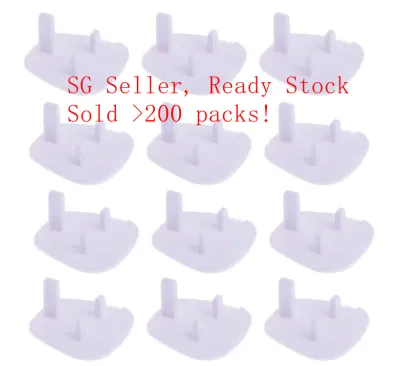
To choose the right protection, it helps to understand how these two primary categories of power plug covers function. Socket covers, often referred to as plug inserts, are small plastic devices with prongs that mimic a standard plug. In Singapore, these are designed to fit the standard Type G three-pin socket. When you push the insert into an unused socket, it physically blocks the individual openings, preventing a child from inserting fingers, toys, or conductive objects like hairpins and keys into the live contacts. Because they sit flush against the outlet faceplate, they are intended to be difficult for tiny fingers to grip and pull out.
Products mentioned in this guide
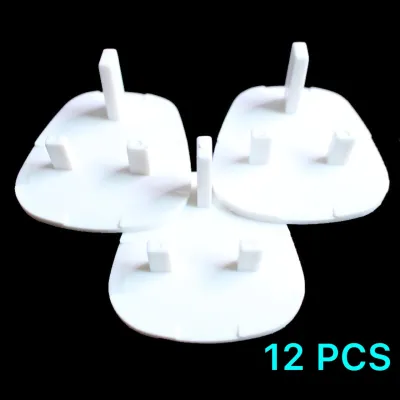
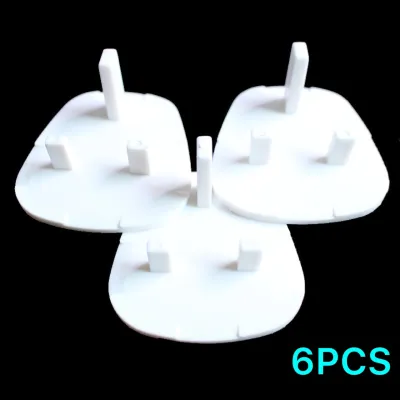
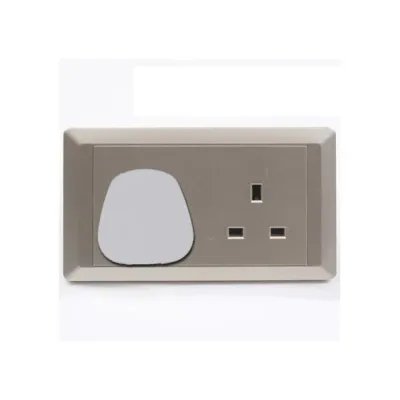
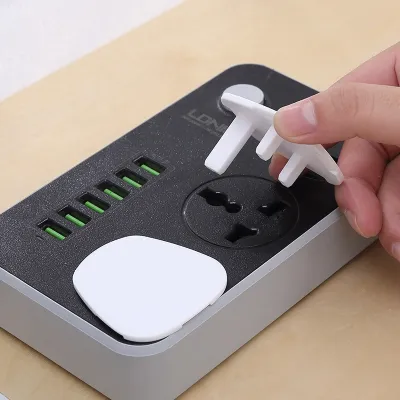
![[SG SELLER] [FREE SHIPPING] Child Baby Safety Socket Cover Plug Cover Protector 🇸🇬SINGAPORE USE🇸🇬](https://img.lazcdn.com/g/p/a1bb8027e643fb1f1a8c9a8404167892.jpg_400x400q80.jpg_.webp)
Prices are valid at publication and may change. Please refer to the product page for the latest price.
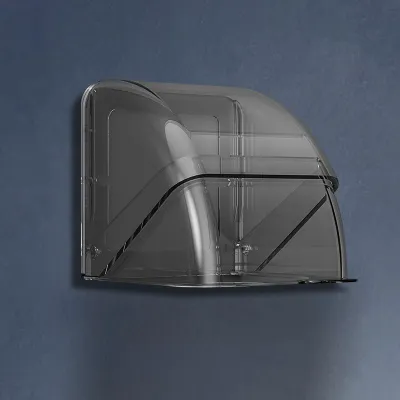
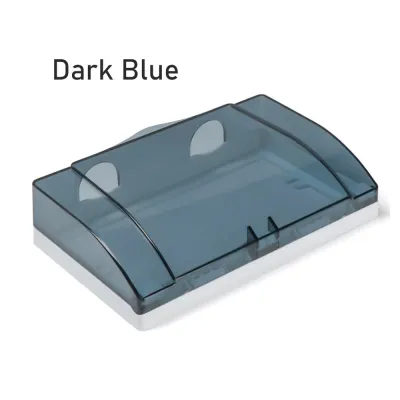
In contrast, outlet box covers function as complete protective enclosures. Instead of blocking individual empty ports, an outlet box cover fits over the entire wall outlet, including any plugs that are currently connected to the socket. These enclosures typically feature a hinged or snap-on lid with a child-resistant latching mechanism. The power cords exit through small, secure openings at the bottom or sides of the box. This design prevents a toddler from not only touching the socket holes but also from pulling out active plugs, switching the outlet on or off, or playing with the exposed prongs of a partially removed plug.
The overall effectiveness of either option relies heavily on correct installation, a secure fit, and matching the specific socket standard used in your home. Because Singapore outlets feature individual on/off switches next to the plug entries, any cover you choose must accommodate these switches without interfering with their operation or causing the cover itself to sit unevenly against the wall.
Comparing Protection, Usability, and Fit
Evaluating the practical trade-offs between socket covers and outlet box covers requires looking closely at daily usability, installation effort, and compatibility with your existing appliances.

For daily usability, socket covers offer high convenience for outlets that are rarely used, but they can become a hassle for frequently accessed points. If you need to plug in a vacuum cleaner or a mobile charger daily, you must repeatedly remove the insert, keep track of it so it does not become a choking hazard itself, and then reinsert it when you are finished. Outlet box covers, while bulkier, allow the appliance to remain plugged in constantly while keeping the connection secure. However, opening the box to unplug a device requires navigating a child-resistant latch, which can sometimes be stiff or require two hands.
When it comes to protection, socket covers only protect empty outlets. They offer no defense if a toddler decides to pull on the cord of an active appliance, such as a fan or a baby bottle warmer. Pulling a live plug out of a socket can expose live metal prongs or cause the appliance to fall. Outlet box covers solve this problem by fully enclosing both the plug and the socket, making them the preferred choice for appliances that stay plugged in continuously.
Compatibility is another critical factor. Standard socket inserts are generally straightforward to fit into empty Type G outlets, but they do not accommodate bulky power adapters, smart plugs, or oversized chargers. Outlet box covers provide a spacious interior, but their compatibility depends entirely on the depth and width of your plugs. If you use large adapters for baby monitors or smart home hubs, you must verify that the internal clearance of the box cover is deep enough to allow the outer lid to close and latch completely.
| Feature | Socket Covers (Inserts) | Outlet Box Covers (Enclosures) |
|---|---|---|
| Primary Function | Blocks empty socket ports | Encloses active plugs and sockets |
| Toddler Protection | Prevents insertion of foreign objects | Prevents cord pulling, plug removal, and switch flipping |
| Daily Usability | Easy to insert; can be tedious to remove frequently | Stays in place; requires navigating a latch to access plugs |
| Compatibility Checks | Verify fit with standard Type G sockets | Check internal clearance for bulky adapters and cord exit paths |
| Installation Effort | Tool-free, instant push-fit | May require adhesive mounting or replacing the faceplate screws |
| Aesthetic Impact | Low profile, blends with the wall | Bulky, protrudes several centimeters from the wall |
How to Choose the Right Power Plug Cover for Your Setup
Selecting the right protective barrier involves mapping out how each outlet in your home is used. A systematic approach ensures you do not overcomplicate your setup while maintaining a practical level of safety.
You should generally choose socket covers if the outlets in question are mostly empty, rarely used, or located in areas where you only occasionally plug in low-profile devices. For example, guest rooms, hallway outlets used occasionally for cleaning appliances, or high-level kitchen counter sockets are ideal candidates for simple inserts. They keep the outlets clean and blocked without adding visual clutter or requiring bulky hardware.
On the other hand, you should choose outlet box covers for outlets that are in constant use, especially those located in high-traffic areas or within easy reach of a crawling child. Typical locations include the living room entertainment unit (where television, router, and gaming console cords congregate), the nursery (for baby monitors and nightlights), and low-lying bedroom outlets next to side tables. These enclosures prevent toddlers from pulling on cords, which could pull heavy appliances down onto them or expose live electrical contacts.
Before purchasing any protective device, verify the physical characteristics of your home’s electrical fittings. If your home uses specialized sockets, integrated USB ports, smart home hubs, or non-standard plug shapes, standard off-the-shelf covers may not fit properly. Additionally, neither type of cover will function safely if the underlying socket faceplate is damaged, loose, or improperly mounted to the wall. If you notice any cracks in the plaster, loose screws, or a faceplate that moves when you plug in a device, do not attempt to cover it up. Instead, contact a qualified electrician to repair or replace the base hardware before installing any childproofing accessories.
Safety Verification and Maintenance Rules
Because childproofing products are subject to wear and tear, maintaining them is just as important as choosing the right type. Always prioritize products that provide clear installation instructions and safety guidance from the manufacturer.
When shopping on online marketplaces or at local baby specialty stores, check product labels and packaging for recognized safety standards and local electrical safety compliance marks rather than relying solely on marketing claims. While childproofing covers themselves are not always subject to the same mandatory registration as active electrical appliances, they must be made of flame-retardant, high-quality plastics that do not degrade easily.
Inspect your installed covers regularly as part of your routine household cleaning. Look for signs of wear, such as hairline cracks, stress whitening on plastic hinges, or a loose fit in the socket. A loose socket insert can easily be pulled out by an inquisitive toddler, turning a safety device into a potential choking hazard. If an insert slides out with minimal effort, or if an outlet box latch becomes weak and easy to open, replace the item immediately.
Furthermore, stop using any cover that requires excessive force to insert or remove. Forcing a tight plastic prong into a Type G socket can damage the internal safety shutters of the outlet itself, leading to permanent hardware damage. If you are unsure about the compatibility of a cover with your specific wall sockets, consult the manufacturer for guidance.
Finally, pay close attention to heat dissipation. When using outlet box covers with high-wattage appliances—such as portable air conditioners, iron stations, or vacuum chargers—ensure the enclosure does not trap excess heat. Singapore’s warm and humid climate can exacerbate heat buildup in enclosed spaces. Always verify the manufacturer’s maximum load specifications and ensure that the cover allows adequate ventilation around active plugs.
Frequently Asked Questions (FAQ)
Can I use socket covers and outlet box covers together?
Using socket covers and outlet box covers together is generally unnecessary and can introduce new risks. An outlet box cover is designed to secure the entire faceplate, meaning any empty ports inside the box are already protected from a child’s reach. Adding socket inserts inside an enclosure can interfere with the proper fit of the box, prevent the outer lid from latching securely, or restrict airflow, which may affect heat dissipation. It is best to follow the manufacturer’s guidelines for each product rather than layering multiple barriers on a single outlet.
What should I do if a power plug cover gets stuck in the socket?
If a plastic socket cover becomes stuck, do not attempt to pry it out using metal tools like screwdrivers, scissors, or tweezers, as this carries a severe risk of electric shock. First, turn off the main power supply to that outlet at your home’s distribution board (breaker box). Once the power is safely cut, try to gently wiggle the cover out using a non-conductive plastic tool or your fingers. If the cover has broken off inside the socket or remains firmly wedged, do not force it. Keep the breaker off for that circuit and contact a qualified electrician to safely remove the obstruction or replace the socket faceplate.
Community discussion
Share your experience or ask a question. Comments are reviewed before publication.