
Finding the right milk warmer for your home in Singapore depends heavily on the baby bottles you already own. While Snowbear, Pigeon, and Philips Avent all offer popular warming solutions, there is no single option that fits every bottle type universally. The most suitable choice for your nursery is the one that matches your bottles’ physical dimensions, material heat tolerances, and your daily feeding routine.
Before purchasing, you must evaluate how your specific bottle collection interacts with each warmer’s heating chamber and technology. Taking a few minutes to compare these factors prevents overheating risks, ensures even warming, and helps you avoid buying extra accessories or entirely new bottle sets.
Checking Your Current Bottles: Material and Size Limits
To ensure your existing bottles are compatible, start by measuring their physical dimensions. Milk warmers feature internal heating chambers with fixed widths and depths, meaning ultra-wide-neck bottles or exceptionally tall designs might not fit comfortably. Compare the outer diameter of your widest bottle, including popular wide-neck options, against the inner chamber diameter specified in the user manual of the Snowbear, Pigeon, or Philips Avent models. If a bottle fits too tightly, it can restrict water circulation or steam flow, leading to uneven heating and potential hot spots.
Products mentioned in this guide
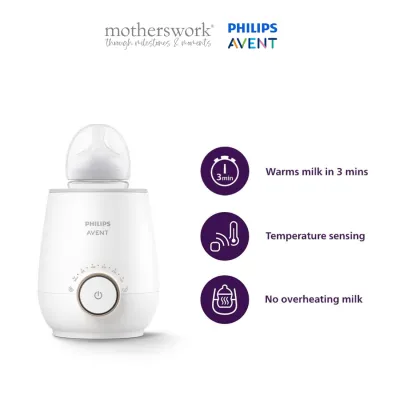
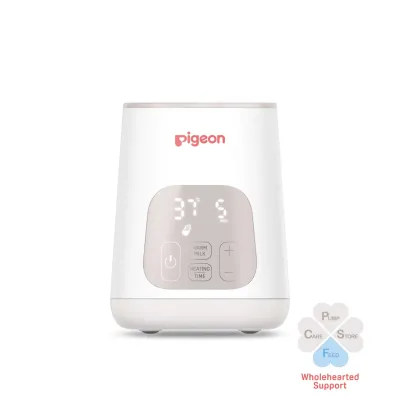
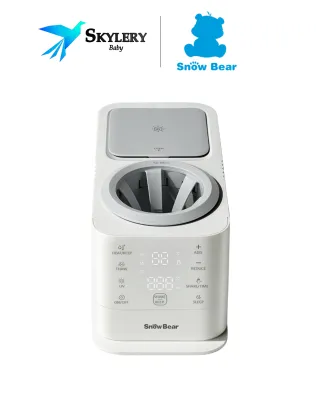
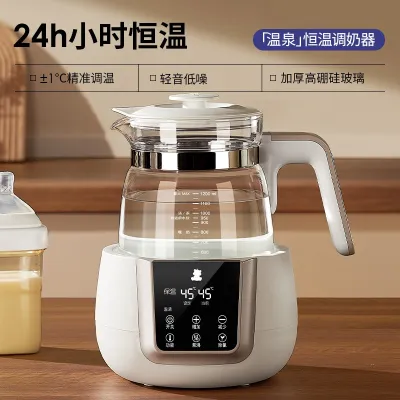
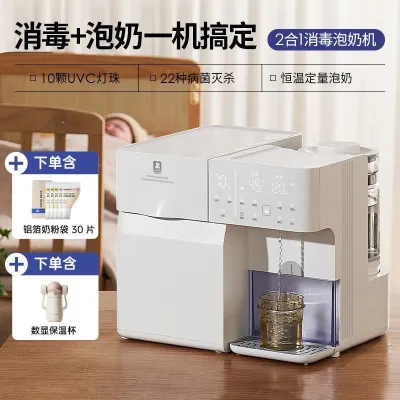
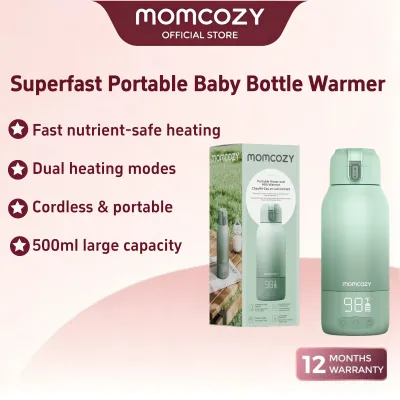
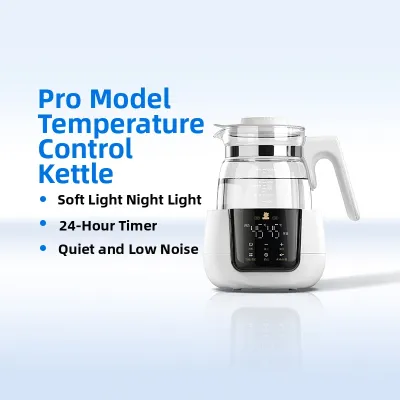
Prices are valid at publication and may change. Please refer to the product page for the latest price.
Furthermore, the neck style of your bottle—whether narrow-neck or wide-neck—affects water displacement inside the warmer. When you place a wide-neck bottle into a water-bath warmer, it displaces more water than a narrow-neck bottle. This displacement can cause the water level to rise too high, potentially spilling over the sides or entering the bottle collar if not carefully managed. Always check the manufacturer’s instructions to see if they provide specific water-fill guidelines for different bottle shapes and sizes.
Bottle material also dictates how safely and efficiently a warmer operates. Glass bottles transfer heat rapidly but are sensitive to thermal shock, meaning sudden temperature changes can cause them to crack. Polypropylene (PP) and polyphenylsulfone (PPSU) plastics heat more slowly but are highly durable and lightweight, making them popular choices for daily use. Silicone bottles, known for their flexible texture, often require longer heating times due to the material’s natural insulating properties. Always check the manufacturer labels on your bottles to verify their maximum heat tolerance limits before placing them in any high-temperature steam or water bath warmer.
Additionally, some bottle shapes require specialized handling. Angled bottles or those with unique ergonomic curves may sit unevenly inside a standard heating chamber, potentially leading to uneven warming or water overflow. When researching Snowbear, Pigeon, or Philips Avent warmers, check if the specific model requires or includes dedicated basket inserts, collar adapters, or lifters to accommodate non-standard bottle shapes safely. These inserts help keep the bottle centered and elevated, ensuring that the heating medium—whether steam or water—circulates evenly around the entire surface of the bottle.
Comparing Heating Methods and Speed Across Brands
Understanding how each brand warms milk is essential for preserving vital nutrients, especially if you are feeding breast milk. Generally, milk warmers utilize either rapid steam heating or a gentle, circulating water bath. Steam heating is typically faster but requires precise timing to prevent hot spots, whereas a gentle water bath heats milk gradually and evenly, reducing the risk of overheating. You should review the official product pages for Snowbear, Pigeon, and Philips Avent to identify which heating technology each specific model employs.

Warming speed is another critical factor, particularly during late-night feeds in compact Singapore apartments where minimizing noise and wait times is a priority. Rather than relying on generic claims, look at the manufacturer’s official warming charts, which usually detail the estimated minutes required to heat specific volumes of milk from refrigerator temperature to body temperature. Keep in mind that these times are estimates and will vary based on whether you are using glass, plastic, or silicone bottles. For instance, a plastic bottle will typically take longer to reach the desired temperature than a glass bottle of the exact same volume.
The volume of milk you regularly prepare also influences how you should evaluate heating speed. Heating a small 60ml newborn feed requires a different level of heat exposure than warming a larger 240ml bottle for an older infant. Some warmers feature smart sensors or volume-based presets that automatically adjust the heating duration, while others rely on manual timers. Reviewing the user manuals for Snowbear, Pigeon, and Philips Avent will help you understand how much manual adjustment is required for different volumes.
If you regularly store breast milk in the freezer, verify whether your preferred warmer model includes a dedicated thawing function. Some basic warmers are designed strictly for refrigerated or room-temperature liquids and may struggle to thaw frozen milk safely without overheating the outer layers. Checking the product specifications for a low-temperature defrost or thawing setting ensures you can safely transition milk from frozen to ready-to-feed without destroying protective antibodies. A dedicated thawing cycle uses lower, controlled temperatures to gently melt ice crystals before transitioning to the standard warming phase.
Temperature Control, Safety, and Ease of Use
Safety and temperature accuracy are paramount when preparing your baby’s milk. When comparing Snowbear, Pigeon, and Philips Avent, look closely at the built-in temperature control mechanisms detailed in their product specifications. Models equipped with precise digital thermostats and automatic shut-off features offer peace of mind by cutting power once the heating cycle completes, preventing dry-heating hazards if the water reservoir empties. Some advanced models also feature real-time temperature displays, allowing you to monitor the warming progress continuously.
Another essential safety feature to look for is dry-boil protection. For sleep-deprived parents managing midnight feedings, it is easy to forget to refill the water reservoir. A warmer with dry-boil protection will automatically shut down if it detects that the water has completely evaporated, preventing damage to the heating element and reducing fire risks. Check the product manuals to confirm whether this feature is integrated into the models you are considering.
Daily maintenance is another practical consideration that affects the lifespan and performance of your warmer. Singapore’s tap water can lead to mineral deposits and limescale buildup over time, which insulates the heating element and slows down warming cycles. Review the user manuals online to see how easy each unit is to clean and descale. Models with wide, open heating plates are generally simpler to wipe down than those with deep, narrow reservoirs. Regular descaling not only maintains heating efficiency but also prevents the buildup of unpleasant odors.
Regardless of the technology, digital displays, or preset indicators on your chosen warmer, caregiver supervision is vital. Always test the temperature of the milk by sprinkling a few drops on the inside of your wrist before offering the bottle to your baby. If the milk feels hot on your skin, let it cool down; never feed milk directly from a warmer without performing this manual check, as sensor errors or incorrect settings can occasionally occur. This simple step is the most reliable way to prevent accidental burns and ensure a comfortable feeding experience.
How to Choose the Right Warmer for Your Setup
To narrow down your decision, align the features of each brand with your specific bottle inventory and household space. If you have limited kitchen counter space in a compact Singapore home, a warmer with a smaller footprint and a simple, intuitive interface may be your most practical option.
Choose a Snowbear model if you prefer digital customization, versatile multi-function presets, and often use wide-neck plastic or PPSU bottles that benefit from structured, timed heating cycles. The digital interface allows you to select specific modes, making it highly adaptable if you transition between different bottle brands or materials over time.
Choose a Pigeon model if you primarily use Pigeon’s own wide-neck or slim-neck bottles, as their warmers are specifically designed to optimize the heating curves of their proprietary bottle shapes and materials. This integration ensures a snug fit and highly predictable heating times, minimizing the guesswork during busy feeding schedules.
Choose a Philips Avent model if you use Avent natural or classic bottles and prefer a gentle, circulating water bath technology that prioritizes even heat distribution and minimizes the risk of localized hot spots. The spacious chamber of Avent warmers is also highly accommodating for various wide-neck bottle designs from other brands.
Verify first if you use a mixed collection of bottle brands, specialized anti-colic bottles with internal venting tubes, or silicone bottles. Internal venting systems can sometimes leak if heated with the collar fully tightened, so you must consult the bottle manufacturer’s instructions regarding warming. Before making your final purchase on any online marketplace or local retail store, measure your tallest bottle, check the local warranty terms offered in Singapore, and download the user manual to confirm the unit fits your daily routine.
Frequently Asked Questions (FAQ)
Can I leave the milk in the warmer overnight?
No, you should not leave milk in a warmer overnight. Most manufacturers limit the use of keep-warm functions to a maximum of one to two hours, as keeping milk at a warm temperature for extended periods creates an ideal environment for rapid bacterial growth. For safety, always discard any warmed milk that has not been consumed within the time frame recommended by your pediatrician or the milk storage guidelines, and prepare fresh bottles as needed.
Do I need to use distilled water in these milk warmers?
While tap water is safe to use, manufacturers often recommend using distilled or pre-boiled water in milk warmers to minimize limescale accumulation. Using distilled water reduces the frequency of descaling and keeps the heating element working efficiently. If you choose to use tap water, consult your specific warmer’s user manual for the recommended descaling schedule, which typically involves a gentle vinegar or citric acid solution.
Community discussion
Share your experience or ask a question. Comments are reviewed before publication.