
Selecting the right baby bottle is one of the most critical decisions parents face during their early caregiving journey. In Singapore, where retail shelves and online marketplaces are filled with domestic and international baby brands, comparing options like Snapkis against other popular manufacturers requires a close look at practical daily usage. Parents must navigate a variety of claims regarding material safety, ergonomic designs, and colic prevention to find a bottle that fits both their lifestyle and their baby’s developmental needs.
While marketing campaigns often highlight proprietary features, the core decision factors for parents always come down to material safety, a baby’s latch acceptance, and daily cleaning convenience. No single bottle can claim absolute superiority because every baby’s feeding patterns and oral anatomy are unique. This comparison evaluates general material types, nipple designs, and long-term value to help you make an informed choice based on your household’s specific routines.
Quick Answer: Which Bottle Type Suits Your Baby Best?
There is no single “best” baby bottle on the market; the ideal choice depends entirely on your baby’s feeding preferences and your daily lifestyle. Infants can be highly particular about nipple textures and flow rates, meaning that a bottle highly praised by one parent might be rejected by another baby. Finding the right fit often involves observing how your baby latches and whether they show signs of feeding discomfort.
Products mentioned in this guide
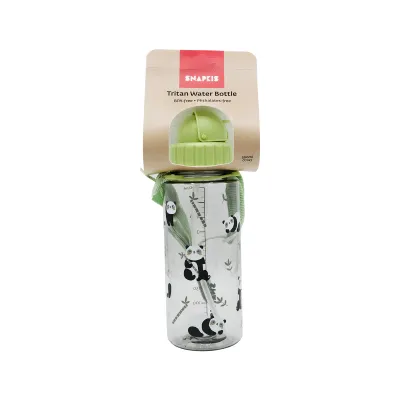
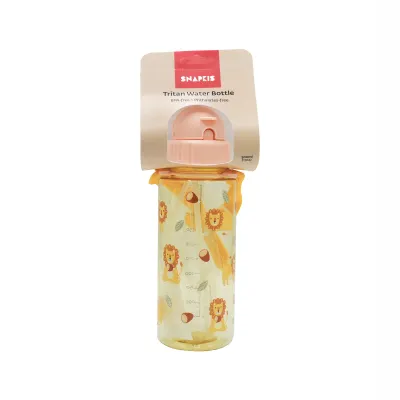
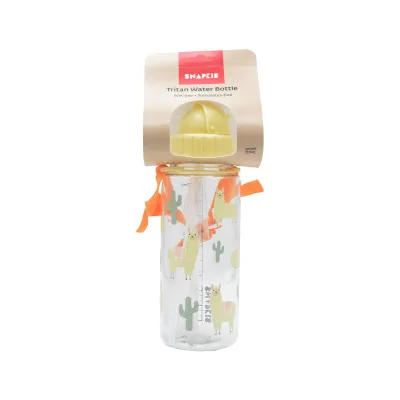
Prices are valid at publication and may change. Please refer to the product page for the latest price.
Modern brands, including Snapkis, frequently focus on wide-neck designs made from advanced plastics like polyphenylsulfone (PPSU) or medical-grade silicone. These materials are lightweight, highly shatterproof, and shaped to ease the transition between breast and bottle. On the other hand, traditional alternatives often prioritize borosilicate glass for its chemical purity and stain resistance, or utilize intricate internal venting systems designed specifically to minimize air ingestion during feeds.
Before purchasing any bottle set, always verify the specific material grade, heat resistance limits, and recommended age range printed on the product packaging. Because manufacturers update their designs and materials periodically, reading the physical label ensures the product matches your sterilization equipment and aligns with your baby’s current developmental stage.
Comparing Bottle Materials: What to Check on the Label
Evaluating baby bottles requires looking past brand names and examining the physical properties of the materials used. The material of the bottle body dictates its overall weight, durability, resistance to high-temperature sterilization, and how easily milk fat residues can be cleaned. Understanding these material characteristics helps parents avoid unverified marketing claims and make choices based on safety and utility.

When shopping, always check the manufacturer’s label or official specifications for the exact material type and its stated thermal limits. This step is particularly important in Singapore, where high-temperature steam sterilizers, boiling water, and ultraviolet (UV) sterilizing cabinets are standard household appliances. Each material reacts differently to these cleaning methods over time.
PPSU and PP (Plastic Options)
Plastic baby bottles are popular due to their lightweight nature and shatterproof durability, making them highly practical for travel and self-feeding. However, not all plastics are created equal, and parents generally choose between Polyphenylsulfone (PPSU) and Polypropylene (PP).
PPSU is a medical-grade, high-performance thermoplastic characterized by its natural honey-colored tint. It offers exceptional durability and a high heat resistance limit, often up to 180°C. This allows PPSU bottles to withstand repeated steam sterilization, boiling, and UV exposure without degrading, cracking, or releasing chemical residues. Its hard surface also resists scratches, reducing the areas where bacteria can hide.
In contrast, PP is a standard, semi-clear plastic that is highly affordable but significantly softer. PP bottles typically have lower heat resistance (usually up to 110°C or 120°C) and are more prone to scratching during cleaning. Over time, repeated sterilization can cause PP to become cloudy, warped, or brittle, meaning these bottles must be replaced much more frequently than PPSU alternatives.
Plastic Bottle Inspection Checklist:
- Verify Certifications: Ensure the packaging explicitly states the bottle is BPA-free and BPS-free.
- Check Heat Limits: Locate the maximum sterilization temperature printed on the base of the bottle or in the user manual.
- Inspect for Wear: Regularly hold bottles up to the light to check for micro-scratches, cloudiness, or a sticky interior texture.
- Replace Timely: Plan to replace PP bottles every 3 to 6 months, while high-quality PPSU bottles can often last up to 12 months with proper care.
Glass and Silicone
For parents who prefer to avoid plastics entirely, glass and medical-grade silicone serve as two distinct alternatives, each offering unique physical benefits and trade-offs.
Glass is highly valued for its absolute chemical inertness, resistance to scratching, and ease of cleaning. High-quality glass bottles do not absorb odors, stain from colored liquids, or degrade under extreme temperatures. However, glass is heavy and fragile. If dropped on hard kitchen tiles, it can shatter, posing a safety hazard. Because of this weight and risk, glass bottles are generally less suitable for older babies who are learning to hold their own bottles during feeds.
Silicone bottles utilize soft, squeezable, food-grade or medical-grade silicone to mimic the natural feel of skin. This pliable texture can provide a comforting sensory experience for breastfed babies. Silicone is also highly durable and shatterproof. The primary trade-off is that silicone is a semi-porous material, meaning it can absorb fats and odors from breast milk or infant formula over time. If not dried thoroughly in Singapore’s humid climate, silicone surfaces can develop a stubborn soapy smell or moisture spots.
Nipple Design and Anti-Colic Mechanisms Explained
A baby’s acceptance of a bottle depends heavily on the nipple design and how effectively the bottle manages air pressure. If a nipple does not suit your baby’s oral anatomy, they may swallow excess air, experience gas, or refuse the bottle entirely. Finding a compatible design is key to a comfortable feeding routine.
Always match the nipple’s flow rate to your baby’s developmental stage rather than relying solely on age estimates. If the flow is too slow, the baby may become frustrated and suck too hard, collapsing the nipple. If the flow is too fast, it can cause choking, coughing, or milk spilling from the corners of the mouth. If feeding difficulties persist, consult a qualified pediatrician or lactation specialist.
Nipple Shape, Size and Flow Rate
Nipple shapes generally fall into two categories: wide-neck and standard-neck. Wide-neck nipples feature a broad, sloping base designed to mimic the natural shape of a mother’s breast. This wide profile encourages a wide-open latch, helping babies transition smoothly between breastfeeding and bottle-feeding. Standard-neck nipples are narrower and longer, which can be easier for babies with smaller mouths or specific latching preferences to grasp.
Nipples are manufactured with specific flow rates, typically categorized as slow, medium, fast, or variable. These rates are controlled by the size of the hole or the shape of the cut (such as a Y-cut or X-cut) in the silicone. As your baby’s jaw strength and swallowing coordination develop, you must upgrade the nipple size to ensure they can feed comfortably without excessive effort.
Anti-Colic Vents and Valves
When a baby drinks from a bottle, a vacuum naturally forms inside the container. If this vacuum is not relieved, the nipple will collapse, forcing the baby to break their seal to let air back in. This interruption often leads to the baby swallowing air, which can contribute to gas, spitting up, and colic symptoms.
To address this, manufacturers design various anti-colic mechanisms to equalize pressure:
- Simple Nipple Skirt Vents: These consist of small, one-way air valves molded directly into the base of the silicone nipple. They allow air to enter the bottle as the baby drinks, preventing vacuum buildup with minimal extra parts to clean.
- Bottom-Venting Valves: Some bottles feature a detachable base with a silicone valve designed to let air enter from the bottom of the bottle, keeping air bubbles away from the liquid.
- Internal Venting Tubes: These systems use a specialized tube that routes air from the nipple collar directly to the bottom of the bottle, bypassing the milk entirely. While highly effective at preventing air bubbles, these multi-part systems require meticulous cleaning with specialized micro-brushes to prevent milk residue and mold growth.
Cleaning, Compatibility and Long-Term Value
While design features are important, the practicalities of daily maintenance and long-term costs play a significant role in overall satisfaction. Parents in Singapore often wash and sterilize five to eight bottles a day, making ease of cleaning a major factor in reducing daily stress.
Wide-neck bottles, such as those from Snapkis, provide a clear advantage during cleaning. Their wide openings allow standard bottle sponges to reach the bottom easily, ensuring that milk fat residues are thoroughly scrubbed away without requiring specialized, narrow brushes. This design also makes it much easier to scoop formula powder into the bottle without spilling.
Ecosystem compatibility is another crucial factor for pumping mothers. If you plan to express breast milk, verify whether the bottle threads can screw directly onto your breast pump flanges (such as Spectra, Medela, or other common brands). Direct pumping minimizes milk transfer steps, reducing the risk of contamination and preserving every drop of milk. If the threads do not match, you will need to purchase proprietary adapters or transfer milk from collection cups to storage bottles.
Finally, evaluate the long-term cost of ownership rather than just the initial purchase price. Silicone nipples degrade naturally from saliva and cleaning, requiring replacement every 2 to 3 months. Before committing to a brand, check the local availability and pricing of replacement nipples in Singapore. A budget-friendly bottle set can become expensive over time if replacement parts are costly or difficult to source locally.
Final Decision Framework: Which Bottle Should You Buy?
To help guide your purchase, use this practical framework based on your household’s specific feeding priorities and lifestyle:
- Choose Snapkis or similar wide-neck PPSU/silicone bottles if: You prioritize lightweight durability, quick and easy cleaning, and a wide-base nipple designed to mimic a natural latch for breastfed babies.
- Choose glass bottles if: You want maximum resistance to staining, clouding, and odors, and primarily feed a younger infant who does not yet hold their own bottle.
- Choose bottles with advanced internal anti-colic vents if: Your baby suffers from severe gas, reflux, or colic, and you are fully prepared to spend extra time cleaning and assembling multiple small internal parts daily.
- Verify first if: The bottle threads are compatible with your existing breast pump system, or if your baby has a known preference for a specific nipple shape or texture before buying a multi-bottle starter pack.
Frequently Asked Questions (FAQ)
Can I mix and match nipples and bottles from different brands?
While some wide-neck bottles from different brands may look similar in size, mixing and matching nipples and collars is generally not recommended. Even minor differences in thread pitch, diameter, or silicone thickness can prevent a tight seal. This mismatch can lead to slow milk leaks, improper functioning of the anti-colic venting valves, or sudden spills during a feed. To ensure safe and consistent milk flow, always use the specific nipple, collar, and cap combinations recommended by the bottle’s manufacturer.
How often should I replace baby bottle nipples?
As a general safety and hygiene guideline, silicone baby bottle nipples should be replaced every 2 to 3 months, even if they appear to be in good condition. Silicone degrades over time due to repeated exposure to infant saliva, milk fats, and high-temperature sterilization. You should inspect nipples daily and replace them immediately if you notice any warning signs of wear, such as stickiness, swelling, discoloration, structural tears, or if the milk flows out in a continuous stream rather than steady drops.
Community discussion
Share your experience or ask a question. Comments are reviewed before publication.