
Selecting a small diaper bag for quick outings with a toddler requires a shift in mindset from the newborn days. When traveling with an infant, parents often carry a massive gear setup containing multiple bottles, changes of clothes, and an endless supply of diapers. Toddlers, however, have different developmental needs; they are highly mobile, require fewer diaper changes, and are more focused on active play. A compact diaper bag streamlines your load, allowing you to remain agile during playground visits, quick errands, or short trips to a local cafe. The ideal bag balances a lightweight footprint with smart hardware and targeted organization, ensuring you have exactly what you need without the physical strain of carrying an oversized backpack.
Why a Compact Setup Works Best for Quick Toddler Trips
As your child transitions from infancy to toddlerhood, their daily routine and gear requirements change significantly. Infants rely on a vast array of feeding, sleeping, and soothing accessories that demand a high-capacity bag. In contrast, a toddler’s outing is centered around movement, exploration, and brief intervals of rest. Carrying a bulky, heavy diaper bag during a short trip to a neighborhood playground or a quick run to the supermarket is often more of a hindrance than a help. It restricts your physical mobility, makes it difficult to navigate crowded spaces, and adds unnecessary physical strain to your shoulders and back.
A compact setup encourages you to pack intentionally, carrying only the essentials required for a specific window of time. For a one- to two-hour outing, you rarely need more than two diapers, a travel pack of wipes, a water bottle, and a couple of simple snacks. By reducing the physical size of your bag, you gain the freedom to move quickly, bend down to assist your child on a climbing frame, or carry them when they get tired. This agility is particularly valuable in warm, humid climates where carrying a large, padded backpack can quickly lead to overheating and discomfort.
Products mentioned in this guide
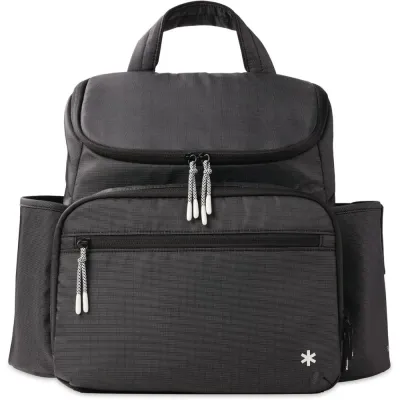
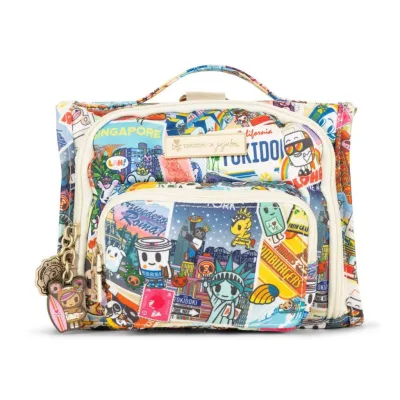
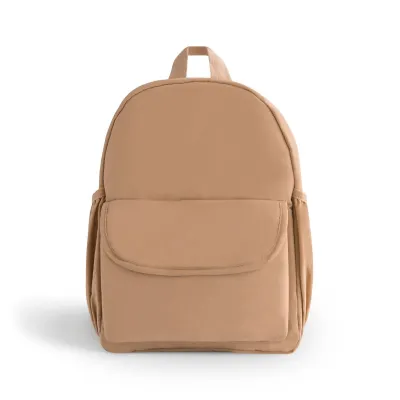
Prices are valid at publication and may change. Please refer to the product page for the latest price.
Furthermore, a smaller bag helps prevent the common habit of hoarding expired snacks, crumpled receipts, and unused toys. It forces a regular cleaning routine, ensuring that your gear remains organized and hygienic. When you are not weighed down by a massive bag, you can focus your energy on supervising and interacting with your active toddler, making short outings much more enjoyable and stress-free for both of you.
Essential Hardware and Material Features for Fast Access
When you are managing an active toddler, you rarely have two hands free to search through a bag. The hardware and external features of a small diaper bag must support rapid, one-handed access. Evaluate the closure mechanisms carefully before making a choice. While zippers offer the most secure closure to prevent items from spilling out, they can be difficult to operate if the zipper track is stiff or lacks a substantial pull tab. Look for bags equipped with smooth, heavy-duty zippers and extended fabric or metal pull tabs that you can easily grab and slide with one hand. Alternatively, magnetic snaps or flap closures provide incredibly fast access, though they may not secure small items as reliably if the bag is tipped upside down.

Strap design is another critical factor for comfort and usability. Because a small bag is designed for quick, active trips, the straps should be easily adjustable so you can quickly transition the bag from a tight, secure fit against your body to a looser carry over different layers of clothing. In warm climates, heavy, dense foam padding can trap heat and sweat. Instead, look for lightweight, breathable mesh straps that distribute weight evenly without adding unnecessary bulk. The straps should also be made of durable, slip-resistant material to prevent the bag from sliding off your shoulder when you bend over to pick up your child.
The exterior material of the bag must be highly durable and easy to maintain. Toddler outings frequently involve exposure to dirt, sand, spilled drinks, and sticky finger marks. Prioritize water-resistant fabrics such as high-density nylon, polyester, or treated canvas. These materials allow you to wipe away dirt and spills with a damp cloth quickly. Before purchasing, always check the manufacturer’s care label to verify the recommended cleaning methods and ensure the fabric does not require specialized, high-maintenance care.
Finally, look for external attachment points that enhance the bag’s utility. Integrated stroller clips or heavy-duty D-rings allow you to hang the bag securely from a stroller handlebar, keeping the under-seat basket free for larger items. An external key leash or a dedicated, easily accessible pocket for your phone and wallet prevents you from having to dig through the main compartment while holding your toddler’s hand in a busy parking lot or transit station.
Evaluating Compartment Layouts for Toddler Essentials
A small diaper bag must utilize its limited space efficiently. Without smart internal organization, a compact bag can quickly become a cluttered mess where finding a single band-aid requires emptying the entire contents. When evaluating compartment layouts, look for features tailored specifically to toddler gear rather than infant accessories. For example, many toddler-focused bags feature a dedicated wipe-dispensing pocket on the exterior. This allows you to pull a wipe directly from the pack without opening the main compartment—a lifesaver when cleaning up sudden spills, sticky hands, or scraped knees. Ensure this pocket is adjustable or sized to fit your preferred brand of travel wipes.
Insulated pockets remain useful during the toddler stage, but their purpose shifts. Instead of holding tall, narrow baby bottles, these compartments should be wide enough to accommodate toddler-sized water cups, juice boxes, or temperature-sensitive snacks like fruit pouches and cheese sticks. Look for insulated zones with wipeable linings that can contain any condensation or minor leaks. If the pocket is too narrow, it will limit your hydration options, so verify the dimensions against your child’s favorite water bottle before buying.
The main compartment should strike a balance between open space and segmented storage. A single, completely open cavity is ideal for bulky, soft items like a spare change of clothes or a light jacket, but it offers no protection for small, delicate items. A well-designed bag features a few elasticized slip pockets or zippered mesh compartments along the interior walls. These pockets keep small essentials—such as sunscreen sticks, hand sanitizer, and basic first-aid items—upright and visible, leaving the center of the bag free for larger items.
The interior lining itself is a frequently overlooked feature. A dark lining makes it incredibly difficult to see small items at the bottom of a compact bag, especially in low-light conditions. Opt for a bag with a light-colored, high-contrast interior lining that reflects light and makes everything immediately visible. Additionally, verify on the product tag that the lining is water-resistant and easy to wipe clean, as crumbs and minor spills are inevitable in any bag carrying toddler snacks.
Choosing the Right Bag Style for Your Outing
The best bag silhouette depends heavily on your personal movement style and the specific activities planned for your outing. Different designs offer distinct trade-offs between hands-free convenience, storage capacity, and ease of access. Understanding these differences allows you to select the right tool for the job.
Crossbody or Sling Bags: These bags are designed for maximum agility and quick, short errands. They sit snugly against your body and can be swung from your back to your chest in a single motion, giving you instant access to the contents without needing to take the bag off. This style is perfect for active playground supervision where you need to keep your hands completely free to assist your child on slides or swings. However, their capacity is highly limited, making them unsuitable for longer trips where you might need to carry bulkier items.
Compact Backpacks: A miniature backpack is the most versatile option for longer walks, playgroups, or trips to the zoo. By distributing the weight evenly across both shoulders, a backpack reduces physical fatigue and keeps your center of gravity stable, which is highly beneficial if you frequently need to pick up and carry your toddler. While they offer more storage space than a sling bag, the primary drawback is that you must remove the backpack entirely to access your gear.
Structured Totes: A small, structured tote with short handles and a removable shoulder strap is ideal for car-centric trips, quick cafe visits, or playdates at a friend’s house. These bags are designed to stand upright on flat surfaces, allowing you to see and reach everything inside with ease. They often feature wide-open tops for rapid access, but they are less practical for active outdoor play where you need to move quickly and keep the bag securely attached to your body.
To help you decide which style best fits your routine, consider the following comparison of common small diaper bag silhouettes:
| Bag Style | Mobility Level | Capacity Limits | Best Use Case |
|---|---|---|---|
| Crossbody / Sling Bag | High (hugs body, swings forward) | Low (fits only absolute essentials) | Playground visits, quick supermarket runs |
| Compact Backpack | Medium-High (even weight distribution) | Medium (fits spare clothes and snacks) | Zoo trips, playgroups, extended walks |
| Structured Tote | Low-Medium (must be set down or carried) | Medium-High (wider opening for bulky items) | Cafe visits, car travel, structured playdates |
Building a Realistic Packing List for a Small Bag
To make a small diaper bag work successfully, you must master the art of minimalist packing. Overstuffing a compact bag not only makes it difficult to find items quickly but also puts undue stress on the zippers and seams, potentially leading to premature wear and tear. Start by establishing a strict “toddler survival kit” that covers only the immediate essentials for a short window of time.
Your core packing list should include two diapers or pull-ups, a travel-sized pack of wipes, a single change of lightweight clothing (rolled tightly to minimize space), a small tube of baby-safe sunscreen, and a few adhesive bandages. For hydration and snacks, choose slim, leak-proof water bottles and stackable, interlocking snack containers that utilize vertical space rather than wide, bulky boxes that force the bag’s seams to stretch. Always check the manufacturer’s weight recommendations and capacity limits to ensure you are not overloading the bag.
The key to maintaining a lightweight setup is the “just-in-case” rule: if an item is not essential for a two-hour window, leave it behind. Items like heavy toys, multiple books, large changing mats, or extensive medical kits do not belong in your active outing bag. Instead, keep a larger, fully stocked primary diaper bag or a storage bin in your car trunk or stroller basket. This “depot” bag serves as your backup supply, allowing you to keep your personal carry bag as light and agile as possible.
Frequently Asked Questions (FAQ)
Can I use a regular small handbag instead of a designated diaper bag?
Yes, you can use a standard small handbag, but it may lack the specialized functionality required for toddler gear. Purpose-built diaper bags are designed with water-resistant, easy-to-clean linings, reinforced stitching to handle heavy loads, and dedicated compartments for bottles and wipes. A regular handbag can work well for very short trips with a potty-trained toddler who only requires a water bottle and a small snack. However, if you need to carry damp clothes, diapers, or sticky food items, a standard handbag is highly vulnerable to permanent stains, odors, and structural wear. If you choose to use a regular handbag, consider using water-resistant organizational pouches to protect the interior from accidental leaks.
How do I clean a small diaper bag after a spill?
To clean your small diaper bag safely, always begin by checking the manufacturer’s care label or instruction manual for specific washing restrictions. For most water-resistant synthetic materials like nylon or polyester, start by emptying all compartments and shaking out any loose crumbs. Spot-clean the affected area using a soft cloth dampened with warm water and a mild, baby-safe detergent. Avoid using harsh chemical cleaners, bleach, or abrasive scrubbing brushes, as these can permanently degrade the water-resistant coatings and damage the interior lining. Once clean, open all zippers and allow the bag to air dry completely in a well-ventilated indoor area away from direct sunlight before packing it for your next outing.
Community discussion
Share your experience or ask a question. Comments are reviewed before publication.