
To keep children safe from electrical hazards, you must evaluate how your household interacts with every single power outlet. The ideal socket protector is not a one-size-fits-all purchase; instead, it depends on your child’s physical coordination, how often you need to plug and unplug appliances, and the specific layout of your rooms. By matching the protector’s mechanical design to your daily routine, you can create a secure environment without causing constant daily frustration.
When deciding on the right safety solution for your home, consider these direct, scenario-based recommendations:
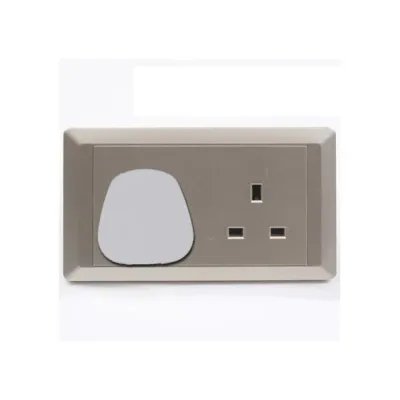
- Choose Sliding Plate Covers if: You want a permanent, visually seamless solution for frequently used sockets. These are excellent for living room outlets where you regularly plug in vacuum cleaners or phone chargers. Because they require replacing the entire wall plate, you should hire a licensed electrician to install them safely.
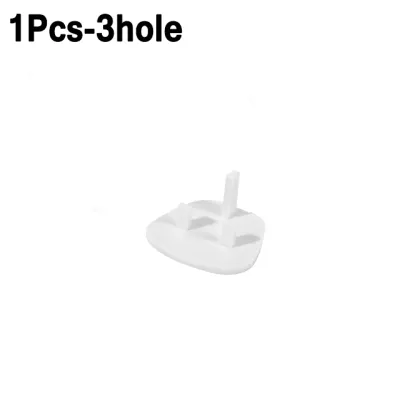
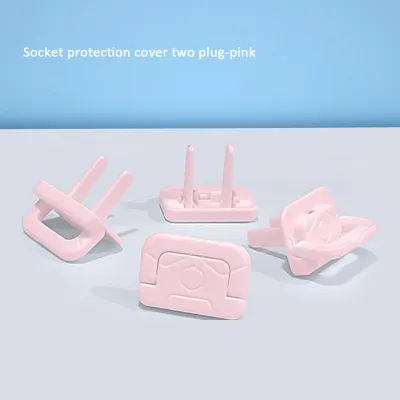
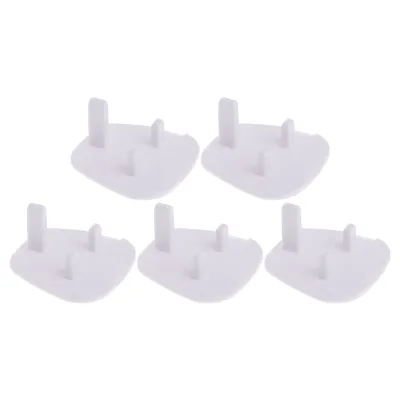
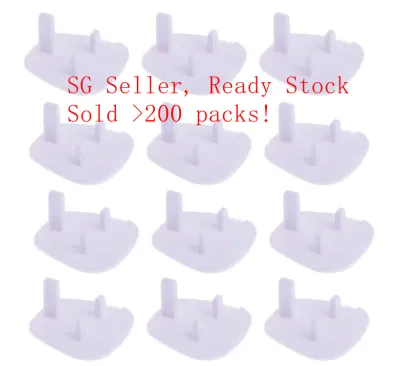
- Choose Plug-in Caps if: You need an immediate, highly affordable, and temporary barrier for completely unused sockets that sit behind heavy furniture. These are only appropriate if your child is still in the early crawling stage and has not yet developed the strength or dexterity to pull them out.
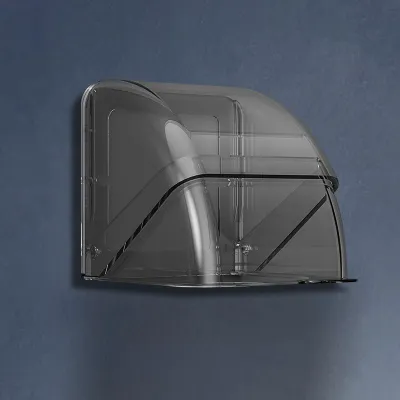
- Choose Outlet Boxes if: You need to secure sockets that host permanently plugged-in appliances, such as air purifiers, fans, or television consoles. These boxes enclose both the outlet and the plug itself, preventing curious toddlers from pulling out active cords or tampering with the switches.
No single safety product can secure an entire home perfectly. A comprehensive childproofing strategy usually combines all three types, placing each where its mechanical advantages best match the room’s daily functions.
Products mentioned in this guide

![[SG SELLER] [FREE SHIPPING] Child Baby Safety Socket Cover Plug Cover Protector 🇸🇬SINGAPORE USE🇸🇬](https://img.lazcdn.com/g/p/a1bb8027e643fb1f1a8c9a8404167892.jpg_400x400q80.jpg_.webp)
Prices are valid at publication and may change. Please refer to the product page for the latest price.
Understanding the Three Main Types of Socket Protectors
To choose the right protective gear, you must first understand how each option physically blocks access to electrical currents. Each type utilizes a distinct mechanism, carries specific installation requirements, and alters the physical profile of your walls in different ways.
Sliding Plate Covers (Built-in Safety Shutters)
Sliding plate covers replace your existing wall faceplates with a spring-loaded mechanical barrier. The faceplate features internal plastic shutters that remain firmly closed over the electrical contacts under normal conditions. They only slide open when you apply equal, simultaneous pressure to the pin entries, which typically happens when you insert a standard plug.
Installing these covers requires working directly with your home’s electrical wiring. Because you must shut off the main power supply and physically unscrew and wire the new plate, you should engage a qualified professional to perform the replacement. Once installed, sliding plate covers offer an incredibly clean aesthetic. They sit completely flush against the wall, looking identical to standard outlets, which helps prevent them from attracting a curious child’s attention in the first place.
Plug-in Caps (Insertable Outlet Plugs)
Plug-in caps are individual plastic inserts featuring two or three prongs that push directly into the open holes of an unused socket. They function as a simple physical plug, blocking any foreign objects from being inserted into the live contacts.
The primary appeal of plug-in caps is their tool-free, instantaneous installation. You simply push them into the outlet by hand. To use the socket, you must pry the cap out, which often requires using a special removal key or finding a small groove to grip with your fingernails. These caps sit relatively flat against the wall, but they still protrude slightly. Because they must be completely removed to use the outlet, they can easily be misplaced or left lying on the floor, creating an entirely new set of hazards.
Outlet Boxes (Full Cover Enclosures)
Outlet boxes are large, protective plastic domes that encase both the wall outlet and any plugs currently inserted into it. They consist of a base plate that mounts around the existing socket and a hinged cover that latches securely shut. The appliance cords exit through a small, protected channel at the bottom of the box.
Installing an outlet box typically does not require any direct electrical work. Most models adhere to the wall using heavy-duty double-sided tape or screw into the existing faceplate mounting holes. The physical profile of these boxes is bulky and highly visible, protruding several centimeters from the wall. However, this design is highly effective for outlets that must remain active, as it prevents children from pulling on live appliance cords.
Key Comparison Dimensions for Child Safety and Convenience
Evaluating these devices requires looking beyond basic electrical safety to examine how they perform under the realities of daily parenting. You must weigh the physical development of your child against the practical demands of your household.

Child's Age and Dexterity (Crawlers vs. Toddlers)
A child’s physical capabilities change rapidly during their first few years, and a socket protector that works for a crawling infant may fail entirely against an active toddler.
- Infants and Early Crawlers: For babies who are just beginning to explore the floor, plug-in caps provide an adequate initial barrier. At this stage, infants lack the pincer grasp and upper-body strength required to pull a tightly fitted plastic cap out of a socket. However, you must remain vigilant, as babies quickly learn by watching adults.
- Older Babies and Toddlers: Once children reach twelve to eighteen months, their fine motor skills and problem-solving abilities improve dramatically. Many toddlers can easily figure out how to pry loose standard plug-in caps. If they succeed, the cap itself immediately becomes a severe choking hazard. For this age group, outlet boxes offer far superior security because their latching mechanisms require multi-step hand movements that toddlers cannot coordinate. High-quality sliding plates also perform exceptionally well here, as they prevent finger or toy insertion even if a toddler repeatedly plays with the outlet's surface.
- Evolving Your Strategy: Because child development is non-linear, you should regularly assess your child's strength and curiosity. The moment you observe your child attempting to claw at or manipulate a plug-in cap, you must upgrade that outlet to a sliding plate cover or an outlet box.
Outlet Usage Frequency (Fixed Appliances vs. Daily Plugging)
The convenience of your home’s electrical layout depends heavily on how easily you can access power when you need it.
- High-Frequency Sockets: Outlets used daily for items like vacuum cleaners, hair dryers, or phone chargers require a solution that does not add friction to your routine. Sliding plate covers are unmatched in this scenario. When you pull a plug out, the spring-loaded shutters instantly snap shut, securing the outlet without requiring any manual intervention from you. Conversely, using plug-in caps on high-frequency outlets is highly impractical, as you will constantly have to pry them out, set them aside, and remember to replace them afterward.
- Fixed and Low-Frequency Sockets: For outlets dedicated to permanent appliances like refrigerators, television sets, or air purifiers, outlet boxes are the ideal choice. They lock the plug into the wall, ensuring that a toddler cannot accidentally unplug a running appliance or play with the exposed prongs. Plug-in caps find their best use in completely abandoned outlets, such as those hidden behind heavy wardrobes or bookshelves where access is rarely required.
Compatibility with Singapore's Type G Switched Sockets
When selecting socket protectors, you must account for the specific physical characteristics of the electrical fittings installed in your home.
- Type G Characteristics: In Singapore, the standard electrical outlet is the Type G socket, which operates at 13 amperes. These outlets feature three rectangular pin slots and are almost always accompanied by an individual rocker switch located directly on the faceplate.
- Switch Obstruction: Many generic plug-in caps designed for international markets do not account for the close proximity of this toggle switch. If a cap is too wide, it can physically block the switch, preventing you from turning the power on or off without removing the cap entirely.
- Sizing for Outlet Boxes: Because Type G plugs are relatively bulky and often feature thick, bottom-exiting cords, generic outlet boxes may not offer enough interior depth. You must verify that any outlet box you purchase is specifically sized to accommodate the larger footprint of a Singaporean plug and its associated switch, ensuring the plastic cover can latch fully without bending or putting dangerous pressure on the power cord.
Side-by-Side Comparison Matrix
To help you quickly evaluate your options, the following table summarizes how the three main types of socket protectors compare across key household dimensions.
| Feature | Sliding Plate Covers | Plug-in Caps | Outlet Boxes |
|---|---|---|---|
| Best For (Usage Scenario) | Frequently used outlets (vacuuming, charging) | Unused, hidden, or hard-to-reach outlets | Outlets with permanently plugged-in appliances |
| Installation Effort | High (Requires wiring and a licensed electrician) | Extremely low (No tools, simple push-in) | Moderate (Adhesive backing or faceplate screws) |
| Toddler-Proof Level | High (Internal shutters cannot be easily bypassed) | Low (Older toddlers can often pry them loose) | Extremely high (Enclosed latch prevents tampering) |
| Aesthetic Impact | Minimal (Sits flush, matches standard wall plates) | Low (Protrudes slightly, highly visible if colored) | High (Bulky box that projects from the wall) |
| Choking Hazard Risk | None (No removable parts) | High (Can be swallowed if pulled out by a child) | None (Securely attached to the wall) |
Safety Boundaries and What to Verify Before Buying
When implementing childproofing measures, you must ensure that your safety solutions do not inadvertently introduce new hazards into your living space.
Choking and Ingestion Risks
The most critical risk associated with basic plug-in caps is their physical size. If a toddler manages to pull a cap out of the wall, their natural instinct is to place the object in their mouth. Because these caps are often made of smooth, hard plastic, they pose an immediate choking hazard that can completely block a child’s airway. If you choose to use plug-in caps, you must regularly inspect them to ensure they fit tightly in the socket. The moment a cap begins to fit loosely, or if your child shows any interest in pulling it out, you must discard it and transition to a sliding plate or an outlet box.
Electrical Compliance and Installation
Modifying the electrical fixtures in your home carries inherent risks of shock, short circuits, and electrical fires. In Singapore, any modification to your home’s fixed electrical wiring—including the replacement of standard wall faceplates with sliding plate covers—must be performed safely.
- Hire a Professional: You should always engage a licensed electrician to install replacement wall plates. This ensures that the wiring is correctly connected, grounded, and compliant with local electrical standards.
- Warranty and Insurance: Attempting to perform DIY electrical work can void your home insurance policy or the warranty of your electrical system. A professional installation protects both your family's physical safety and your financial investments.
Heat and Ventilation Constraints
Outlet boxes create a sealed or semi-sealed chamber around your electrical plugs. While this is perfectly safe for low-power devices, it can become dangerous when used with high-wattage appliances.
- Heat Accumulation: Devices that draw significant electrical current, such as portable air conditioners, high-power fans, or large power adapters, naturally generate heat at the plug interface.
- Fire Risks: Enclosing these plugs inside a plastic outlet box can trap this heat, leading to localized thermal buildup. Over time, this heat can degrade the plastic insulation of the cord or the outlet itself, increasing the risk of a fire. Always read the manufacturer instructions for both your appliances and the outlet boxes to verify compatibility, and avoid enclosing plugs for high-wattage heating or cooling equipment.
Verification Checklist
Before purchasing any socket protector, run through this practical checklist to ensure compatibility and safety:
- Check Certifications: Look for clear safety standards and manufacturing certifications on the product packaging. Avoid unbranded, ultra-cheap items from online marketplaces that lack verifiable quality control.
- Measure Clearance: For outlet boxes, measure the distance your appliance plugs protrude from the wall. Ensure the box has sufficient depth so the cord does not bend sharply at the outlet, which can damage the internal copper wires.
- Test Spring Tension: If purchasing sliding plate covers, verify that the internal shutters are backed by robust, spring-loaded mechanisms rather than flimsy plastic sliders that can easily stick in the open position.
Frequently Asked Questions (FAQ)
Are plug-in caps a choking hazard for babies?
Yes, standard plug-in caps can present a severe choking hazard for babies and toddlers. If a young child develops enough grip strength to pull the cap out of the socket, they are highly likely to put it in their mouth. Because these objects are small enough to be swallowed but large enough to block an infant’s airway, they pose a serious risk. If your child is in the oral exploration phase, or if you notice them playing with or attempting to remove the caps, you should immediately remove them and switch to a more secure alternative, such as a locked outlet box or a sliding plate cover.
Do I need socket protectors if my outlets already have built-in safety shutters?
If your home is equipped with modern, high-quality electrical outlets, they may already feature built-in safety shutters designed to block foreign objects. These shutters are engineered to open only when equal pressure is applied to both the live and neutral pins simultaneously, such as when inserting a standard plug.
If these factory-installed shutters are functioning correctly, additional plug-in caps are generally redundant and unnecessary for basic finger-protection. However, you should still observe your child’s behavior. Highly persistent toddlers may still attempt to jam thin, conductive items into the earth pin slot to bypass the shutter mechanism. If you have a child who shows an active interest in manipulating the wall outlets, installing a physical barrier like a locked outlet box provides an extra layer of security and peace of mind.
Community discussion
Share your experience or ask a question. Comments are reviewed before publication.