
Quick Answer: Which Outlet Cover Is Safer?
When childproofing your home, choosing between sliding outlet covers and traditional plug caps is not a matter of finding a single, universally perfect product. Instead, the safest option depends directly on how often you use the socket and your toddler’s current developmental stage. For frequently used sockets, sliding outlet covers are generally the safer and more practical choice because they remain attached to the wall, eliminating the risk of loose parts becoming choking hazards. Conversely, traditional plug caps offer a highly cost-effective, secure barrier for permanently unused sockets—such as those hidden behind heavy furniture—provided they fit tightly enough to prevent a child from prying them loose and are large enough to avoid being swallowed.
Every child develops fine motor skills, curiosity, and physical strength at a different pace. A crawling infant may ignore wall sockets entirely, while an active two-year-old might actively investigate them. Because no safety device is entirely toddler-proof, your choice of outlet cover should always be paired with active caregiver supervision. Understanding the physical differences between these two protective options will help you build a safer, more practical environment for your family.
Understanding the Mechanisms: Sliding Plates vs. Plug Inserts
To make an informed decision, it is essential to understand how both sliding plates and plug inserts physically secure your home’s electrical points. These two designs approach child safety from completely different engineering perspectives, affecting how they interact with your daily routine and your child’s physical environment.
Products mentioned in this guide
Prices are valid at publication and may change. Please refer to the product page for the latest price.

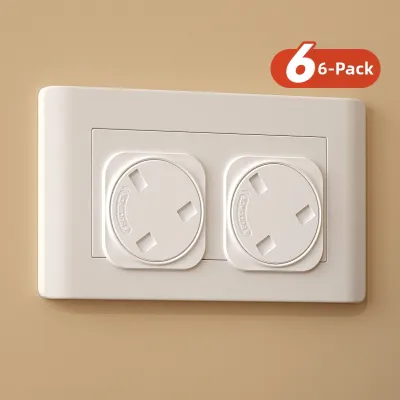
Sliding outlet covers operate via an integrated, spring-loaded mechanism. These devices are available either as complete replacement wall plates or as adhesive, add-on adapters that mount directly over your existing sockets. When you need to plug in an appliance, you place the plug prongs against the faceplate, slide the cover horizontally or vertically to align with the internal socket holes, and push the plug in. The moment you unplug the appliance, the internal spring tension automatically snaps the cover back into its closed position, instantly blocking access to the live terminals.
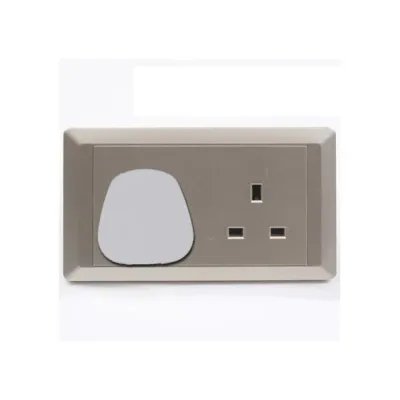
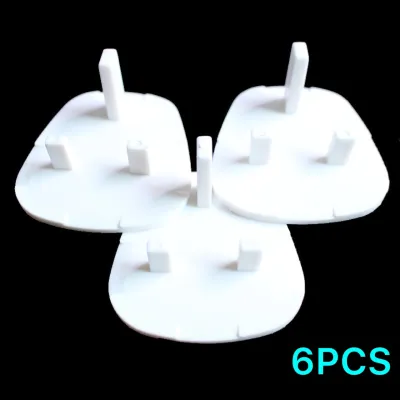
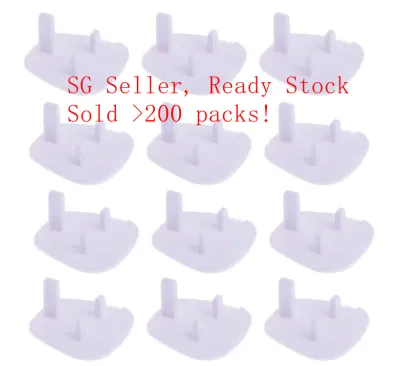
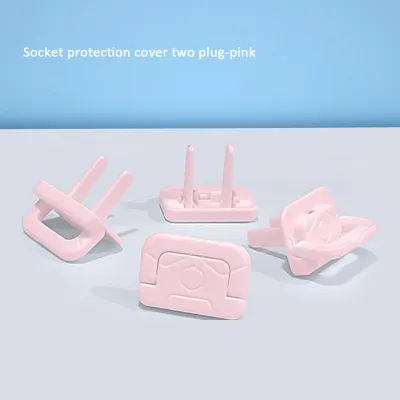
Traditional plug caps, often called plug inserts or outlet protectors, are individual plastic pieces featuring dummy pins that mimic an actual appliance plug. These caps are pushed directly into the socket holes, physically filling the voids and blocking any attempt to insert foreign objects like keys, hairpins, or small toys. To use the socket, an adult must physically pull the plastic cap out of the wall. Because they are completely separate from the socket itself, they become loose items the moment they are removed from the wall.
Evaluating Toddler Safety: Choking Risks, Dexterity, and Convenience
When evaluating childproofing products, we must look beyond basic electrical safety. A product that successfully blocks electrical current can still introduce other serious physical hazards to a toddler’s environment. To choose the right protection, caregivers must balance physical safety risks, a child’s developing motor skills, and the practical realities of daily household management.
Choking Hazards and Physical Risks
The most significant safety drawback of traditional plug caps is the physical choking hazard they present. When an adult removes a plug cap to use a vacuum cleaner, hair dryer, or phone charger, the cap is frequently set aside on a nearby table, counter, or even the floor. In a busy household, these small plastic pieces are easily forgotten. A curious toddler can quickly find a loose cap, put it in their mouth, and risk choking or swallowing it.
Furthermore, if a traditional plug cap is poorly made or becomes brittle over time due to UV exposure or heat, the plastic prongs can snap off inside the socket or break into smaller, sharp pieces. In contrast, sliding outlet covers are permanently attached to the wall plate or securely adhered to the socket face. Because they do not rely on loose, removable parts, they eliminate the risk of choking hazards entirely, making them a structurally safer choice for any socket that is accessed regularly.
Toddler Dexterity and "Hacking" Potential
Toddlers are natural observers who learn by mimicking adult actions. If your child watches you slide an outlet cover open or pull a plug cap out of the wall, they will eventually attempt to do the same. This is where the differences in physical dexterity and “hacking” potential become critical.
Sliding outlet covers require a dual-action motion: you must apply lateral pressure to slide the cover while simultaneously pushing the plug forward. This coordinated physical action is highly challenging for younger toddlers, whose fine motor skills and hand strength are still developing. However, older, highly determined toddlers may eventually figure out the mechanism, especially if the spring tension on the cover is weak.
Traditional plug caps rely purely on friction and grip strength. If a cap fits loosely in the socket, a toddler with developing pincher grasp skills can easily pry it out using their fingernails or a flat toy. High-quality plug caps are designed to fit incredibly flush against the wall, often requiring a dedicated plastic removal key or a flat tool to extract. While this makes them highly secure against toddler tampering, it also means that if you lose the removal key, you may struggle to access your own sockets, or worse, leave the key where a child can find it. Always remember that no childproofing device can replace active caregiver supervision; if you notice your child showing persistent interest in or successfully manipulating any outlet cover, it is time to reassess your setup.
Adult Convenience for Daily Use
The effectiveness of any childproofing system is directly limited by human error. If a safety device introduces too much friction into your daily routine, you are more likely to bypass it, leaving your child unprotected.
Sliding covers offer a high level of convenience because they require no extra steps to secure. When you unplug a device, the cover snaps shut automatically. This “set-and-forget” design ensures the socket is never accidentally left open to a curious child.
Traditional plug caps, on the other hand, require constant manual intervention. Every time you want to use an appliance, you must remove the cap, find a safe place to store it out of your child’s reach, and remember to plug it back in the moment you are finished. In high-traffic areas where appliances are plugged and unplugged multiple times a day, this process quickly becomes tedious. Caregivers often end up leaving the caps off “just for a few hours,” creating a window of vulnerability where an unprotected socket is left exposed to an active toddler.
Compatibility Check: Fitting Outlet Covers to Singapore's Type G Sockets
When selecting childproofing gear in Singapore, you must consider the specific physical and regulatory standards of local electrical systems. Singapore primarily uses Type G wall sockets (complying with the SS 145 standard), which feature three rectangular pins arranged in a triangular pattern. These sockets operate on a 220-240V system, which carries a high risk of severe injury if compromised.
By design, modern Type G sockets already incorporate an internal safety shutter mechanism. The longer, top earth pin of a plug must be inserted first to physically push open the internal shutters that protect the live and neutral terminals below. However, this built-in safety feature is not foolproof. A toddler can still bypass these shutters by pushing a toy or a tool into the top earth hole first, which opens the lower live ports, or the internal shutters can wear out and fail over time in older properties.
If you choose to use traditional plug caps, they must be manufactured to precisely match the exact dimensions, pin spacing, and rectangular shape of Singapore’s Type G sockets. Using cheap, generic caps designed for other international socket types can cause serious issues. If the dummy pins are too thin, the cap will wobble and be easily pulled out by a child. If they are slightly too thick or misaligned, forcing them into the socket can bend or damage the internal brass contacts, leading to poor electrical connections, arcing, and potential fire hazards when you later plug in actual appliances.
Replacing standard wall plates with integrated sliding covers presents its own set of challenges in Singapore. Many integrated sliding plates available on global ecommerce platforms are designed for US-style duplex outlets and will not fit Singapore’s square or rectangular British-standard backboxes. If you wish to install integrated sliding plates, you must verify that they are certified to meet local safety standards and fit standard Singapore backbox depths.
For renters or those unable to modify physical wall plates, adhesive sliding adapters are a popular alternative. These adapters stick directly onto the face of your existing Type G socket. While convenient, they add physical bulk to the wall. This extra thickness can prevent bulky power adapters or right-angle plugs from sitting flush against the socket, which may lead to loose connections. Additionally, on double-gang sockets (two sockets side-by-side), a bulky adhesive cover on one side can physically block or crowd the adjacent socket, rendering it unusable.
The Decision Framework: When to Choose Sliding Covers vs. Plug Caps
To help you design a practical and highly secure childproofing strategy, you can use the following condition-based decision framework. Rather than choosing only one type of cover for your entire home, most families find that a hybrid approach yields the best safety and convenience outcomes.
Choose Sliding Outlet Covers if:
- The socket is in a high-traffic area: This includes living rooms, kitchens, and hallways where you regularly plug in vacuum cleaners, phone chargers, or iron boxes.
- You want to eliminate choking hazards: If you have multiple children of different ages, or if you know you might occasionally forget to put a loose plug cap back in place, sliding covers offer peace of mind by removing loose parts from the environment.
- You own your home or have permission to modify it: Installing integrated plates provides a clean, highly secure, and permanent safety upgrade.
- You have sufficient clearance: You have enough physical space around the outlet to accommodate the added bulk of an adhesive sliding adapter without blocking adjacent switches or furniture.
Choose Traditional Plug Caps if:
- The socket is rarely or never used: Sockets hidden behind heavy TV consoles, wardrobes, refrigerators, or heavy bookshelves are ideal candidates for traditional caps. Because these areas are rarely accessed, the risk of leaving a cap loose on the floor is virtually zero.
- You are renting your home: If your tenancy agreement prohibits you from changing wall plates or applying strong adhesives that might damage paint or plastic, high-quality, removable plug caps are the most practical option.
- You commit to strict safety habits: You are diligent about storing removed caps immediately in a high drawer or a secure container, and you use caps that require a dedicated removal tool to prevent your toddler from prying them out.
Verify First if:
- You live in an older property: Before installing any new safety devices, check your existing wall sockets for physical signs of wear, such as cracking, loose housing, or discoloration.
- You are unsure about electrical modifications: If you are renting or living in an older HDB flat or private condominium with outdated wiring, verify the safety of your electrical system before attempting any DIY wall plate replacements.
- The product lacks safety markings: Always check that any electrical safety accessory you purchase complies with recognized safety guidelines and comes with clear manufacturer instructions regarding age suitability and installation limits.
Installation Safety and Maintenance Boundaries
Implementing childproofing measures should never introduce new safety hazards into your home. When installing, checking, or maintaining outlet covers, it is critical to observe strict electrical safety boundaries to protect both your family and your home’s electrical infrastructure.
If you decide to replace your standard wall plates with integrated sliding covers, you must prioritize electrical safety. Always turn off the main power supply at your home’s distribution board (DB box) before attempting to unscrew or remove any electrical plates. Use a reliable voltage tester to double-check that the socket is completely dead before touching any internal wiring. If you are not entirely comfortable with this process, do not attempt to complete it yourself; instead, hire a licensed electrician to perform the installation safely.
Once installed, all childproofing devices require regular visual and physical inspections to ensure they remain functional and safe:
- Check sliding mechanisms: Periodically test sliding covers to ensure the internal spring snaps back instantly when a plug is removed. If the mechanism becomes sticky, slow, or jams open, replace the device immediately.
- Inspect adhesive strength: In Singapore's hot and highly humid climate, the adhesive backing on stick-on sliding adapters can degrade over time. Check regularly to ensure the adapter is still firmly bonded to the wall plate and cannot be easily peeled off by a curious toddler.
- Examine plastic integrity: Inspect traditional plug caps for signs of stress, discoloration, or cracking. Brittle plastic can break, leaving a pin stuck inside the live socket. If you spot any damage, discard the cap immediately and replace it.
There are specific, high-risk conditions where you must immediately stop any DIY efforts and consult a licensed professional. If any socket feels warm or hot to the touch, shows black or brown scorch marks, emits a faint burning smell, or if you hear a buzzing or crackling sound, do not attempt to cover it or fix it yourself. These are critical warning signs of faulty wiring or a damaged socket. Keep children far away from the area, leave the socket unused, and contact a licensed electrician immediately to diagnose and resolve the underlying issue.
Frequently Asked Questions (FAQ)
Are outlet covers with built-in USB ports safe for toddlers?
While replacement wall plates featuring built-in USB ports and sliding AC covers offer modern convenience, they require careful evaluation. Even if the main AC socket holes are safely blocked by sliding shutters, the exposed USB-A or USB-C ports remain open. Although USB ports operate at a much lower voltage (typically 5V) than standard AC outlets, toddlers can still insert small metal objects like paperclips or keys into them, which can damage the port or cause minor electrical arcs. If you choose these hybrid plates, verify that the product carries recognized safety certifications, check the manufacturer’s age warnings, and ensure the USB ports are positioned out of easy reach or feature physical shutters of their own.
Can I use traditional plug caps on extension cords and power strips?
Yes, traditional plug caps can be used to block unused outlets on extension cords and power strips. However, you must exercise caution. Because power strips are often placed directly on the floor or low-lying areas, they are highly accessible to crawling babies and toddlers. The tight spacing of outlets on many power strips can make it difficult to insert or remove traditional caps, increasing the risk of a caregiver leaving them off out of frustration. Additionally, you should avoid using bulky, adhesive sliding adapters on power strips, as their extra width can block neighboring outlets or obstruct access to the strip’s main power switch, creating a potential safety hazard during an emergency. Always ensure power strips are kept out of reach of children whenever possible.
Community discussion
Share your experience or ask a question. Comments are reviewed before publication.