
When navigating the busy streets of Singapore with a baby in tow, your diaper bag serves as your mobile command center. Choosing between a skip hop backpack and other popular diaper bag brands comes down to a fundamental trade-off: highly structured organization versus open, flexible storage capacity. Skip Hop diaper backpacks are widely recognized for their structured layouts, dedicated parent-focused compartments, and clean, modern aesthetics that blend seamlessly into urban environments. However, competing brands often counter with distinct advantages, such as ultra-lightweight materials that reduce physical strain during long walks, convertible carrying styles that switch from tote to backpack, or highly budget-friendly price points for casual use.
Ultimately, the right diaper backpack is not the one with the most features on paper, but the one whose design philosophy matches your daily carrying habits, your baby’s current developmental stage, and your preferred mode of transport. Whether you are commuting via the MRT, pushing a stroller through a crowded shopping mall, or heading out for a family day at the Singapore Botanic Gardens, understanding how these bags distribute weight and organize gear will help you make a smart, comfortable investment for your family.
Comparing Storage Capacity and Organizational Features
Evaluating a diaper bag based solely on its advertised volume in liters can be highly misleading. A 20-liter bag with a single open compartment behaves very differently from a 20-liter bag divided into ten specialized pockets. When comparing a skip hop backpack to other popular diaper brands, you must look beyond raw capacity and analyze how that space is distributed to meet your daily needs.
Products mentioned in this guide
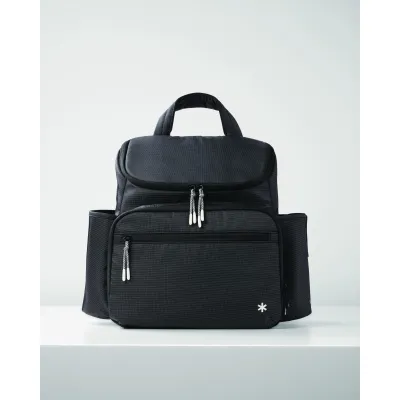
![[2 Yr Local Warranty] Skip Hop Forma Next Nappy Backpack](https://img.lazcdn.com/g/p/fa8751a3e183a531f09586dc0cadccb8.png_400x400q80.png_.webp)
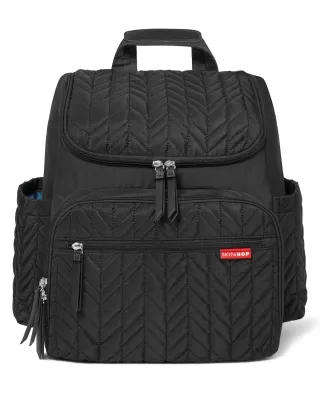
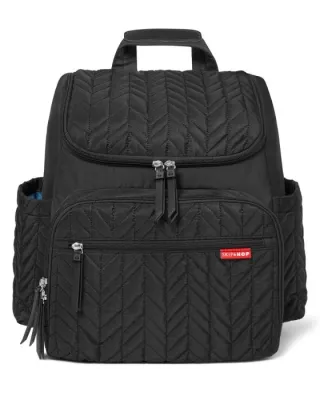
Prices are valid at publication and may change. Please refer to the product page for the latest price.
Your storage needs will evolve dramatically as your child grows. Newborns require a high volume of small items like diapers, wipes, pacifiers, and multiple changes of clothes, while toddlers require larger, bulkier items like snack cups, toys, and water bottles. If you are packing for multiple children, your capacity requirements double, making efficient space management crucial. Before choosing a bag, map out your typical outing duration—whether it is a quick two-hour trip to a local neighborhood clinic or an all-day excursion across the island—to determine how much physical space you actually need to carry comfortably without overpacking.
Main Compartment and Accessibility
The ease with which you can access the depths of your diaper bag during an urgent situation—such as a sudden diaper blowout in a public restroom—is a critical factor to consider. Diaper backpacks generally fall into two design categories: wide-opening clamshell designs that unzip fully to expose the entire interior, and traditional top-zip or drawstring closures that offer a narrower entry point.
Many skip hop backpack models utilize structured frames or wide-mouth zippers that stay open on their own, allowing you to peer inside and grab what you need with one hand while holding your baby with the other. In contrast, some competing brands feature deep, bucket-like compartments that, while spacious, can turn into dark voids where small items easily get lost. When comparing bags, look closely at whether the backpack can stand upright on its own when empty or partially filled; a bag that collapses or tips over when placed on a changing table can be incredibly frustrating. We recommend checking manufacturer product descriptions and verified user feedback to confirm if the main zipper can be smoothly operated with a single hand, and whether the interior lining is light-colored to enhance visibility under low-light conditions.
Dedicated Pockets for Bottles, Wipes, and Tech
A dedicated diaper backpack distinguishes itself from a standard school or travel bag through its specialized pocket layout. Insulated bottle pockets are a prime example of this specialization. When evaluating a skip hop backpack against competitors, check the dimensions of these insulated compartments. While some brands design their bottle pockets to snugly fit standard, narrow infant bottles, other brands accommodate wider, ergonomically shaped toddler bottles or insulated straw cups. If your bottle brand is particularly wide or tall, physically measuring its dimensions and comparing them against the manufacturer’s pocket specifications is a vital step to avoid disappointment.
Another key feature is the exterior wipe pocket. Some diaper bags offer a dedicated side pocket with a slit that allows you to pull out baby wipes without removing the pack from the bag, which is incredibly convenient for quick clean-ups. However, wipe packaging sizes vary, and some thick, high-count wipe packs may not fit these designated slots smoothly.
Furthermore, modern parenting often requires carrying personal tech alongside baby gear. Skip Hop frequently integrates padded tech sleeves or dedicated parent zones to keep your phone, keys, tablet, or wallet safely separated from damp baby items. Some minimalist competitors, on the other hand, prioritize open, flexible space, leaving you to organize your own belongings using separate pouches. Consider whether you prefer the built-in, highly structured organization of a skip hop backpack or the customizable freedom of an open-cavity bag.
Evaluating Material, Comfort, and Durability in Singapore
Singapore’s unique environmental conditions play a massive role in how a diaper bag performs over time. The combination of intense tropical heat, high relative humidity, and sudden, heavy downpours demands careful consideration of materials and carrying comfort. Whether you are walking through outdoor parks, waiting at bus stops, or moving through air-conditioned shopping centers, your bag must be able to withstand the climate without causing you physical discomfort or deteriorating prematurely.

Fabric Quality and Weather Resistance
The outer material of your diaper backpack dictates its durability, weight, and ease of maintenance. Common materials in the market include premium nylon, heavy-duty polyester, and vegan leather (polyurethane). Nylon and polyester are generally lightweight, highly durable, and offer varying degrees of water resistance, making them excellent choices for weathering frequent tropical rain showers. Many skip hop backpack models utilize these synthetic fabrics, which can be easily wiped down when liquid spills or mud splatters occur.
Vegan leather, on the other hand, offers a sophisticated, structured appearance that transitions well from casual outings to professional environments. However, vegan leather is inherently heavier than fabric alternatives and does not allow heat to dissipate easily, which can feel warm against your back in humid weather. It is also important to note that “water-resistant” fabrics are designed to repel light rain or minor spills, but they are not fully waterproof; prolonged exposure to heavy downpours can still result in moisture seeping through seams and zippers.
Always inspect the manufacturer’s care label on the specific bag model before purchasing. Some fabrics are strictly spot-clean only, while others can tolerate gentle hand washing. Avoid using harsh chemical cleaners or bleach, as these can strip away protective water-resistant coatings and compromise the material’s structural integrity.
Strap Design and Carrying Options
Carrying a fully loaded diaper bag for several hours can place significant strain on your shoulders and back, making ergonomic design a top priority. When comparing backpack models, look for wide, heavily padded shoulder straps that distribute weight evenly across your torso. In a warm climate, breathable mesh back panels are particularly valuable, as they promote airflow and reduce sweat accumulation during outdoor walks.
Another critical feature to evaluate is the inclusion of stroller straps or attachment clips. Stroller straps allow you to hang the backpack securely from your stroller’s handlebar, taking the weight off your shoulders entirely. Some skip hop backpack designs feature integrated, built-in stroller straps that are always ready to use, whereas other brands require you to purchase stroller clips separately or rely on general shoulder straps draped over the handlebar.
Safety Warning: Hanging an excessively heavy diaper bag from a stroller handlebar can cause the stroller to tip backward, posing a safety risk to your child. Always consult your stroller’s manufacturer instructions regarding maximum handlebar weight limits, and never leave your child unsupervised in the stroller.
Furthermore, consider whether a convertible design suits your lifestyle. Some diaper bags can be carried as a backpack, a shoulder tote, or a crossbody bag. While backpack-only designs offer the best long-term comfort and hands-free convenience, convertible options provide versatility for different occasions, such as shifting from a casual park playdate to a family dinner.
Assessing Value for Money and Long-Term Versatility
True value for money in a diaper backpack goes far beyond its initial purchase price. A cheap bag that wears out within six months or becomes obsolete as soon as your baby stops using bottles is ultimately a poor investment. Instead, look for a bag that offers long-term versatility, transitioning smoothly into a regular travel backpack, a work bag, or a gym bag once your diaper-bag days are over.
Many skip hop backpack models are styled with neutral colors and clean lines, specifically designed to look like high-quality lifestyle backpacks rather than traditional baby gear. This aesthetic choice ensures that both parents can comfortably carry the bag, and it extends the product’s lifespan by years.
When calculating the total cost of ownership, pay close attention to the accessories included with the bag. A complete diaper bag package often includes a matching, cushioned changing pad, integrated stroller straps, and sometimes even insulated bottle pouches or detachable pacifier pockets. If you choose a competing brand with a lower base price, check whether you need to purchase these essential accessories separately. Buying a separate changing pad, stroller clips, and organizing pouches can quickly add up, making a seemingly premium, all-inclusive bag a more cost-effective choice in the long run.
To ensure you are getting an authentic product with a valid manufacturer’s warranty, always check current listings and product descriptions on official brand websites or authorized local retailers in Singapore. Avoid purchasing from unverified third-party sellers on online marketplaces, as counterfeit goods may lack the safety standards, durable stitching, and non-toxic material certifications of genuine products.
How to Choose the Right Diaper Backpack for Your Family
To help you navigate the decision-making process, we have structured a conditional decision framework based on the key comparison dimensions of storage, comfort, and long-term utility. Use these guidelines to match a diaper backpack to your family’s unique lifestyle:
Choose Skip Hop if:
- You prefer highly structured organization with dedicated, labeled compartments for specific items like wipes, bottles, and parent essentials.
- You value modern, clean aesthetics that coordinate easily with urban wear and look appropriate in both casual and professional settings.
- You want a complete, all-in-one package that typically includes built-in stroller straps and a high-quality, matching changing pad without requiring extra purchases.
Choose Lightweight/Travel-Focused Competitors if:
- Your primary goal is to minimize the empty weight of the bag to reduce physical fatigue during long walking commutes or public transit journeys.
- You prefer a large, flexible, open main compartment that allows you to pack bulky items like baby blankets, winter wear for travel, or multiple changes of clothing for older toddlers.
- You frequently travel or embark on long outdoor excursions where maximum volume and flexible packing arrangements are more critical than highly segmented interior pockets.
Choose Budget-Friendly Alternatives if:
- You only need a diaper bag for short, predictable trips to the local supermarket or nearby playground and do not require heavy-duty durability.
- You plan to use the bag occasionally as a backup option kept in a grandparent's car or at a caregiver's home.
- You prefer to minimize your initial investment and are comfortable using your own existing pouches or packing cubes to organize the bag's interior.
Verify First if:
- You are packing for twins or multiple young children, which requires verifying that the bag's total physical dimensions can accommodate double the diapers, bottles, and clothing.
- You need to transport specialized medical equipment, breast pumps, or large insulated cooler bags, which may require measuring the main compartment's exact width and depth against your equipment's specifications.
- You need the bag to double as a corporate work backpack, in which case you must verify that the laptop sleeve is sufficiently padded and fits your specific laptop size (e.g., 13-inch versus 15-inch models).
Frequently Asked Questions (FAQ)
Can a regular backpack be used instead of a dedicated diaper bag?
Yes, a standard backpack can certainly serve as a diaper bag, offering cost savings and allowing you to utilize a bag you already own. Standard backpacks also have the advantage of a neutral, non-baby appearance that appeals to both parents. However, regular backpacks typically lack specialized features like insulated bottle pockets to keep milk cool, easy-access wipe dispensers, and water-resistant interior linings designed to handle spills. They also rarely include integrated stroller straps, forcing you to carry the weight on your back constantly.
If you choose to use a regular backpack, we highly recommend using a modular packing system. Utilizing color-coded packing cubes, insulated bottle sleeves, and waterproof wet bags can help you simulate the organized layout of a dedicated diaper bag while protecting your standard backpack’s interior fabric from inevitable leaks and stains.
How do I clean and maintain a diaper backpack in humid weather?
Maintaining a diaper backpack in a humid climate is essential to prevent the growth of mold, mildew, and unpleasant odors. Start by completely emptying all pockets and shaking out any crumbs or debris. Wipe down both the interior and exterior surfaces using a clean microfiber cloth dampened with warm water and a mild, gentle soap. Pay special attention to seams and corners where dirt tends to accumulate.
Once wiped down, open all zippers and compartments fully, and allow the bag to air-dry completely in a well-ventilated indoor area away from direct sunlight, which can fade fabrics. Always check the manufacturer’s specific care label inside your bag before attempting any deep cleaning. Never use harsh chemical solvents, bleach, or abrasive brushes, and do not machine wash or tumble dry the bag unless explicitly authorized by the manufacturer, as doing so can permanently damage water-resistant backings and internal structural supports.
Community discussion
Share your experience or ask a question. Comments are reviewed before publication.