
Quick Answer: Which Bottle and Material is Best?
Selecting the ideal baby bottle is rarely a matter of finding a single, universally superior brand. Instead, the right choice depends on your baby’s unique latch, your daily lifestyle, and your specific safety preferences. Skip Hop has carved out a distinct niche in the baby care market, primarily recognized for its design-forward, ergonomic solutions that support transition stages, such as self-feeding. Their bottles often feature intuitive, easy-to-grip handles and streamlined shapes that appeal to modern parents. In contrast, other established brands available in Singapore—such as Pigeon, Philips Avent, Hegen, and Dr. Brown’s—frequently focus on highly specialized, clinically designed anti-colic venting systems and wide-neck nipple shapes designed to mimic breastfeeding.
While brand design influences how easily a baby can hold a bottle or transition to a cup, the bottle’s material—whether glass, plastic, or silicone—ultimately dictates its weight, durability, and daily cleaning routine. For example, a heavy glass bottle might be ideal for hygienic home use during the newborn stage, but highly impractical for a toddler learning self-feeding or for a parent packing a diaper bag for an outing along the East Coast Parkway. Conversely, lightweight plastics or flexible silicones offer shatterproof convenience but come with different thermal tolerances and replacement lifespans. Understanding these material characteristics is the first step toward choosing a feeding system that integrates seamlessly into your household routine.
Baby Bottle Materials Compared: Glass, Plastic, and Silicone
When evaluating baby bottles, looking past marketing aesthetics to examine the physical properties of the material is essential. The material you choose affects how long the bottle lasts, how easily it sanitizes, and whether it is safe for your baby to handle independently. Parents must always look for explicit BPA/BPS-free labels and check the manufacturer’s age recommendations on the packaging before introducing a new bottle.
Products mentioned in this guide
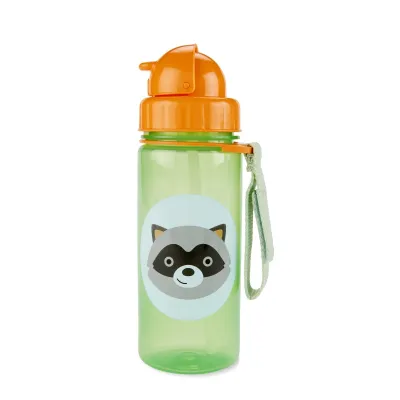
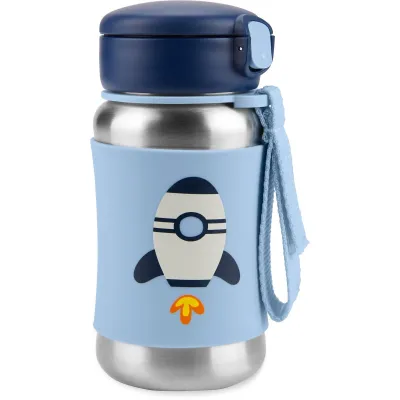
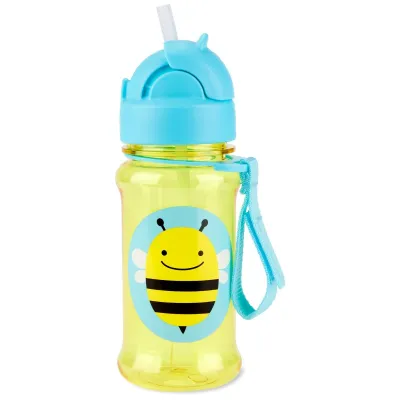
Prices are valid at publication and may change. Please refer to the product page for the latest price.

Each material option presents distinct trade-offs in terms of weight, durability, thermal resistance, and maintenance. While one material may excel in scratch resistance, another might offer superior drop protection or a more natural tactile feel for a breastfeeding baby. Below is a detailed breakdown of the three primary materials used in modern baby bottles to help you evaluate which option aligns with your family’s feeding habits.
Glass Bottles
Glass remains a classic choice for parents who prioritize chemical purity and long-term durability. Because glass is non-porous, it is naturally resistant to scratches, stains, and lingering milk odors. This makes glass bottles exceptionally easy to clean and sanitize repeatedly without the material clouding or degrading over time. They can withstand high-heat sterilization methods, including boiling water and heavy steam cycles, without any risk of material warping.
However, the primary drawback of glass is its physical weight and susceptibility to breaking. Glass bottles are significantly heavier than plastic or silicone alternatives, which can cause hand fatigue for caregivers during long, late-night feeds. Furthermore, because they can shatter upon impact, glass bottles are generally unsuitable for babies who are learning to hold their own bottles or for active travel. If you prefer glass but worry about accidental drops on hard condo tile floors, consider using protective silicone sleeves. Many manufacturers design custom-fit sleeves that absorb impact and improve grip, though you must verify compatibility and ensure the sleeve is removed periodically to check the underlying glass for hairline fractures.
Plastic Bottles (PP, PES, PPSU)
Plastic baby bottles are highly popular due to their lightweight, shatterproof nature, making them a staple for travel, daycare centers, and self-feeding phases. However, not all plastics are created equal. When shopping in Singapore, you will typically encounter three types of medical-grade or food-grade plastics:
- Polypropylene (PP): This is the most common and budget-friendly plastic. It is lightweight and slightly cloudy in appearance. However, PP has a lower heat tolerance (typically up to 110°C) and is more prone to scratching and wear, meaning these bottles require more frequent replacement.
- Polyethersulfone (PES): A step up from PP, PES is highly durable, heat-resistant, and features a natural, slight amber tint. It withstands frequent sterilization better than PP.
- Polyphenylsulfone (PPSU): Often considered the gold standard of plastic bottles, PPSU is a medical-grade plastic with a distinct honey-colored hue. It boasts an exceptionally high heat resistance (up to 180°C) and extreme durability, resisting scratches and structural degradation even after hundreds of sterilization cycles.
Regardless of the specific plastic type, all plastic bottles are susceptible to micro-scratches over time, particularly when cleaned with stiff-bristled brushes. These tiny crevices can harbor microscopic milk residues and bacteria. Therefore, it is critical to inspect plastic bottles regularly and plan to replace them every few months, or immediately if you notice persistent cloudiness, deep scratches, or physical warping.
Silicone Bottles
Silicone is a modern, semi-flexible material that has gained substantial traction in the infant feeding market. Made from food-grade silicone, these bottles are soft, squeezable, and warm to the touch when filled with milk, closely mimicking the natural feel of skin. This tactile quality can be highly beneficial for breastfed babies who refuse rigid plastic or glass bottles, as well as for parents practicing paced feeding, where a gentle squeeze can help manage milk flow.
Despite these benefits, silicone requires specific maintenance. The material has a high friction coefficient, meaning it naturally attracts dust, lint, and pet hair. In Singapore’s humid climate, silicone bottles must be dried thoroughly in a clean environment to prevent a sticky residue from forming on the exterior. Additionally, silicone is porous enough to absorb food odors and soap scents if washed with highly perfumed dishwashing liquids. Caregivers must handle silicone bottles gently, avoiding sharp objects or aggressive scrubbing, and inspect them regularly for signs of stickiness, structural weakening, or tearing around the collar and base.
Skip Hop vs. Other Popular Brands: Key Comparison Dimensions
Comparing Skip Hop to other prominent baby bottle brands requires looking at practical, observable design dimensions rather than abstract performance claims. Because feeding preferences vary wildly from baby to baby, evaluating these physical features will help you determine which brand design fits your daily routine.
Anti-Colic Venting Systems
One of the most significant differences between baby bottle brands is how they handle air pressure and venting to prevent colic, gas, and spit-up.
- Specialized Venting Brands: Brands like Dr. Brown's utilize an intricate, multi-piece internal green vent system that channels air away from the milk directly to the bottom of the bottle, preventing air bubbles from forming. While highly effective for gas-prone infants, these systems require meticulous cleaning of multiple small parts. Other brands, like Philips Avent or Pigeon, integrate anti-colic valves directly into the silicone nipple base, simplifying assembly.
- Skip Hop Venting: Skip Hop typically utilizes streamlined, built-in venting systems integrated directly into the nipple or collar. This design minimizes the number of loose parts you need to wash, dry, and assemble, making it highly convenient for busy parents. However, if your baby suffers from severe, clinically diagnosed colic, a brand with a dedicated, multi-component internal vent path may offer more targeted relief.
Nipple Flow Rates and Shapes
Nipple design directly impacts latch success and feeding pace. Mainstream brands like Pigeon (with their SofTouch line) and Hegen offer highly researched, asymmetrical, or super-soft silicone nipples designed to encourage a natural peristaltic tongue movement, mimicking the breast latch. Philips Avent features a unique “natural response” nipple that only releases milk when the baby actively compresses it.
Skip Hop bottles generally feature wide-neck nipple designs that provide a broad base for latching, which is highly effective for babies who transition back and forth between breast and bottle. However, because specialized brands often offer a wider range of incremental flow rates (from ultra-slow preemie flows to fast Y-cut toddler flows), parents of newborns or premature infants may find more precise flow matching within specialized brand catalogs. Always check the packaging to verify that the flow rate matches your baby’s developmental stage.
Ergonomic Grip and Self-Feeding Transition
This is where Skip Hop shines compared to many traditional brands. Skip Hop specifically designs many of its feeding products with modular, removable, easy-grip handles that slide securely onto the bottle body. This encourages toddlers to develop their fine motor skills and transition toward independent drinking. While you can purchase aftermarket handles for brands like Avent or Pigeon, Skip Hop integrates these ergonomic features directly into their product ecosystems, ensuring a secure fit that will not slip or spin while the baby is drinking.
Local Accessory Availability in Singapore
In Singapore, the ease of sourcing replacement parts is a major practical consideration. Mainstream brands like Pigeon, Philips Avent, and Hegen enjoy widespread retail placement. If you lose a collar or need a faster flow nipple urgently, you can easily walk into physical department stores, mother-and-baby boutiques, or major supermarkets across the island to purchase replacements.
Skip Hop products, while widely appreciated for their design aesthetic, are often distributed through specialized baby boutiques or official online brand stores. If you choose Skip Hop, it is wise to purchase a few spare nipples and collars in advance, as finding immediate, same-day replacements at a neighborhood grocery store may be more challenging. Always check local retail outlets or official brand stores for current stock, exact specifications, and age-grade suitability.
How to Decide: A Practical Framework for Parents
To help you navigate these choices, use this structured framework to match your family’s specific lifestyle, feeding challenges, and baby’s developmental stage to the correct brand and material.
- Choose Skip Hop if your baby is transitioning to self-feeding, prefers integrated ergonomic handles, and you value streamlined, modern designs that minimize the number of loose parts you have to wash and assemble for daily home use.
- Choose specialized anti-colic brands if your baby experiences severe gas, reflux, or colic. In these scenarios, prioritize brands with dedicated, observable internal venting tubes or specialized valve designs, and consult your pediatrician for tailored feeding advice.
- Choose Glass if you prioritize maximum scratch resistance, easy sterilization, and long-term material purity at home, and the baby is primarily fed by an adult caregiver who can safely manage the heavier weight.
- Choose Plastic (PPSU) if you need a lightweight, shatterproof bottle that can withstand high-heat sterilization, making it ideal for daycare centers, travel, or older babies who are beginning to hold their own bottles.
- Choose Silicone if your baby is resistant to rigid bottles, prefers a soft, breast-like feel, and you want a flexible, squeezable bottle to assist with paced feeding techniques.
- Verify first if your baby has specific medical feeding needs, if you plan to mix components across different brands, or if you are unsure about nipple flow compatibility. Always consult a lactation consultant or pediatrician if your baby exhibits persistent feeding difficulties.
Cleaning, Sterilization, and Safety Maintenance
Proper sanitation is critical to protecting your baby’s developing immune system. Regardless of the brand or material you choose, establishing a consistent, safe cleaning routine is essential for maintaining the integrity of your bottles and preventing the growth of harmful bacteria.
Standard Cleaning Steps
Immediately after a feeding session, rinse the bottle, nipple, and collar with cold water. This simple step prevents milk proteins and fats from drying and baking onto the inner surfaces, which makes subsequent cleaning much harder. Wash all components in warm, soapy water using a dedicated baby bottle dishwashing liquid. Use a soft-bristled bottle brush for the bottle body and a smaller, specialized nipple brush for the silicone teat. Avoid using harsh abrasive scouring pads or metal sponges, as these will create micro-scratches on plastic and silicone, creating breeding grounds for bacteria.
Sterilization Methods and Heat Limits
Before sterilizing, you must verify the manufacturer’s maximum heat tolerance on the product label. Different materials react uniquely to heat and light:
- Boiling Water: A traditional, highly effective method. Ensure all parts are fully submerged and do not touch the hot metal bottom of the pot, which can melt plastic or warp silicone.
- Steam Sterilization: Electric steam sterilizers or microwave steam bags provide rapid, high-heat sanitation. Ensure your plastic bottles are rated for at least 110°C (for PP) or higher (for PPSU) before placing them in a steam sterilizer.
- UV Sterilization: UV sterilizers are highly popular in Singapore households due to their convenience and drying capabilities. However, prolonged exposure to UVC light can accelerate the degradation of certain plastics (especially PP) and silicone, causing them to become brittle, yellow, or sticky over time. If you use a UV sterilizer, ensure your bottle materials are explicitly rated as UV-safe by the manufacturer.
Safety Boundaries and Replacement Indicators
Regularly inspect all bottle components under bright light for physical wear. Establish clear boundaries for when to discard and replace items:
- Plastic Bottles: Discard immediately if you detect deep scratches, persistent cloudiness that does not wash away, or any warping of the bottle neck that prevents a tight seal.
- Glass Bottles: Inspect closely for micro-cracks, chips around the rim, or internal clouding. Discard the bottle immediately if any structural defect is found, as micro-cracks can fail catastrophically under thermal stress.
- Silicone Components (Bottles & Nipples): Replace immediately if the material feels sticky to the touch, shows permanent discoloration, or exhibits tiny tears. Perform a pull test on nipples regularly: pull the tip firmly in all directions; if it does not snap back or shows signs of tearing, discard it immediately to prevent a choking hazard.
Frequently Asked Questions (FAQ)
Can I mix bottle nipples from different brands?
It is strongly advised not to mix nipples and bottles from different brands unless the manufacturer explicitly states they are compatible. Even if a nipple appears to fit into another brand’s collar, minor discrepancies in thread design, diameter, or collar height can prevent a proper seal. This mismatch can result in slow leaks, improper venting (which increases air ingestion and colic), or the nipple collapsing. In worst-case scenarios, an insecurely fitted nipple can detach completely during a feed, posing a severe choking hazard.
How often should I replace my baby's bottles?
As a general guideline, standard plastic (PP) bottles should be replaced every 3 to 6 months due to material wear and micro-scratches. High-durability plastics like PPSU, along with glass and silicone bottles, can last significantly longer—often up to a year or more—if they remain completely intact. However, timeframes are secondary to physical condition. You must replace any bottle or nipple immediately if you observe visible wear, persistent cloudiness, scratches, discoloration, or stickiness, regardless of how long you have owned it.
Community discussion
Share your experience or ask a question. Comments are reviewed before publication.