
Choosing the right premium baby bottle is rarely a matter of finding a single, universally ideal option. Instead, the ideal bottle for your household depends heavily on your baby’s unique latch preference, their susceptibility to gas, and the amount of time you can realistically dedicate to daily cleaning. Skip Hop, Dr. Brown’s, and Pigeon represent three distinct approaches to infant feeding, each excelling in different areas. By evaluating how their material construction, nipple designs, and maintenance requirements align with your daily routine, you can select a bottle system that supports comfortable feeding and simplifies your transition stages.
Brand Philosophies: What Defines Skip Hop, Dr. Brown's, and Pigeon
Each of these three brands approaches infant feeding from a different design philosophy, shaping how their bottles look, feel, and function in daily use. Skip Hop focuses on modern, lifestyle-oriented baby gear that prioritizes ergonomic handling and smooth developmental transitions. Their bottle designs often feature intuitive shapes that are easy for both parents and growing babies to hold, facilitating the shift from caregiver-led feeding to independent cup use.
Dr. Brown’s takes a highly functional, clinical approach to bottle design. The brand is widely recognized for its focus on reducing air ingestion during feeding, utilizing a signature internal reservoir system. This design aims to address common feeding challenges like gas, spit-up, and colic by keeping air from mixing with the milk, prioritizing physiological comfort over aesthetic simplicity.
Products mentioned in this guide
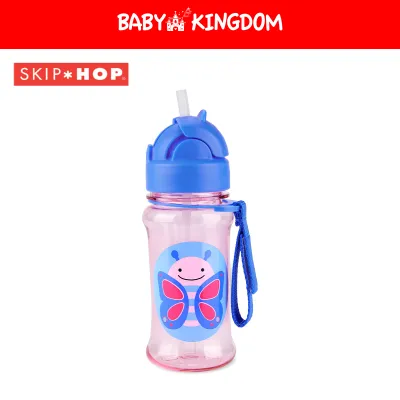
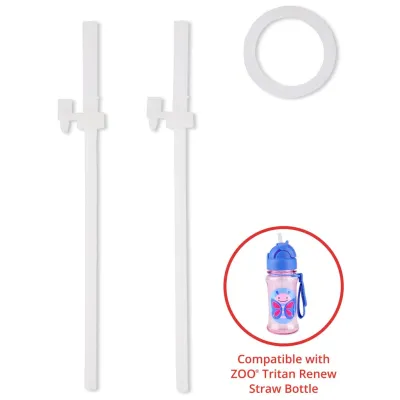
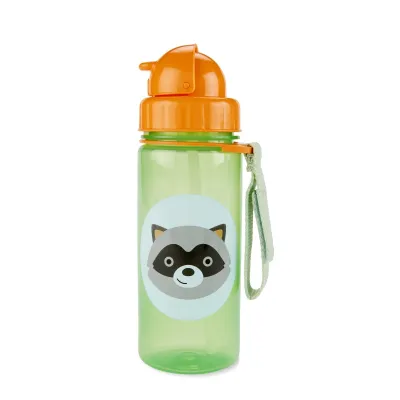
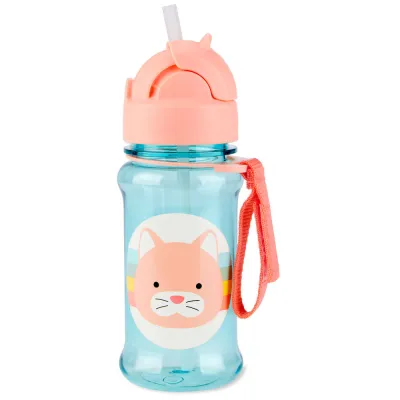
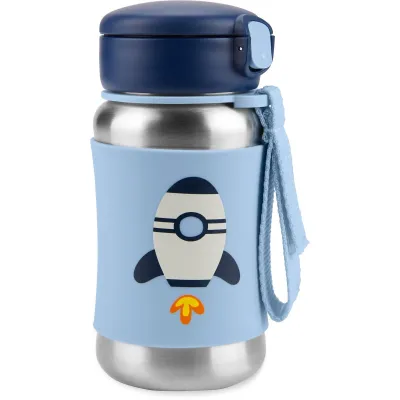
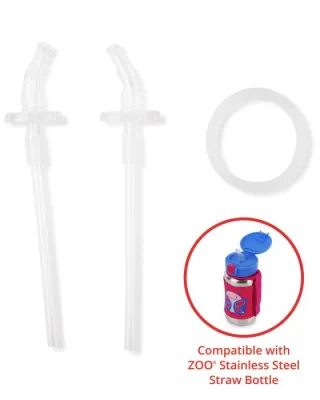
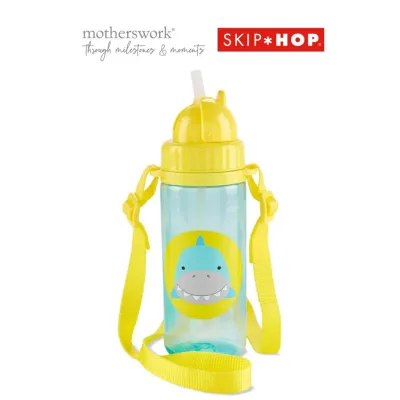
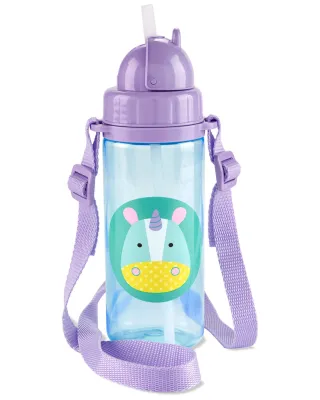
Prices are valid at publication and may change. Please refer to the product page for the latest price.
Pigeon centers its philosophy on research into infant sucking behaviors, aiming to mimic the natural breastfeeding experience as closely as possible. Their bottles, particularly the SofTouch line, are designed to support babies who alternate between breast and bottle. Pigeon emphasizes lightweight construction and highly flexible nipple materials that encourage a natural peristaltic tongue movement during feeding.
Material Trade-Offs: Evaluating Glass, Plastic, and Silicone Options
Baby bottles are available in several distinct materials, each offering specific trade-offs regarding weight, durability, and heat resistance. The most common options you will encounter across these premium brands are polypropylene (PP), polyphenylsulfone (PPSU), borosilicate glass, and food-grade silicone. Understanding these materials helps you choose a bottle that fits your sterilization habits and lifestyle.

Polypropylene (PP) is a lightweight, shatterproof plastic that is highly affordable and widely available. However, PP is more prone to scratching over time, and these micro-scratches can harbor milk residue or bacteria if not cleaned thoroughly. PPSU is a medical-grade plastic that offers the lightweight benefits of PP but with significantly higher durability and heat resistance. PPSU bottles can withstand repeated high-temperature sterilization cycles without degrading, making them a popular premium choice for busy households.
Borosilicate glass is highly durable, scratch-resistant, and completely free of chemical leaching concerns. Glass bottles maintain temperature well and do not retain odors or stains from milk fat. The primary trade-off is weight and fragility; glass bottles are heavy to hold during long feeding sessions and can shatter if dropped on hard tile floors.
Silicone bottles offer a soft, squeezable texture that mimics the feel of skin, which some babies find comforting. Silicone is highly shatter-resistant and lightweight, though it can sometimes absorb odors or feel slightly unstable when placed on uneven surfaces. When purchasing any bottle, always inspect the manufacturer’s packaging to verify BPA-free and BPS-free declarations, and check the specific heat tolerance limits to ensure compatibility with your steam or UV sterilizer.
Nipple Shapes and Flow Rates: Matching Your Baby's Latch
The nipple is the most critical component of any bottle system, as its shape and flow rate directly influence how well your baby latches and swallows. Premium brands design their nipples to encourage specific oral mechanics, and finding the right match is essential for preventing feeding fatigue or milk rejection.
Nipple base shapes generally fall into two categories: wide-neck and narrow-neck. Wide-neck nipples, such as those featured by Pigeon and Skip Hop, mimic the natural contour of a breast, encouraging a wide, deep latch where the baby’s lips flare outward. This shape is often recommended for breastfed babies to prevent nipple confusion. Narrow-neck nipples, frequently utilized in classic Dr. Brown’s designs, are narrower and longer, which can be easier for babies with smaller mouths or specific latch challenges to grasp securely.
Flow rates are typically indicated on the rim or base of the nipple by numbers or letters (e.g., Level 1, Level 2, or Y-cut). These indicators correspond to the size and shape of the opening, controlling how quickly milk flows under suction. Newborns require a slow, controlled flow to prevent choking, while older infants with stronger suction need faster flow rates to prevent frustration and nipple collapse.
You can identify when your baby is ready to transition to a faster flow rate by observing their behavior during feeds. Signs of readiness include sucking hard enough to collapse the nipple, taking unusually long to finish a bottle, or showing signs of frustration and fussiness mid-feed. Conversely, if you notice milk leaking from the corners of their mouth, frequent coughing, or rapid swallowing, the flow rate may be too fast, requiring you to step down a level. Regularly inspect nipples for signs of wear, such as thinning silicone, tears, or a sticky texture, and replace them immediately to maintain safety.
Anti-Colic Vents and Cleaning Effort: Managing Daily Maintenance
Reducing the amount of air your baby swallows during feeding is a primary goal of premium bottle design, but the mechanisms used to achieve this have a direct impact on your daily cleaning routine. Parents must balance the effectiveness of an anti-colic system against the time and effort required to wash and sterilize multiple small parts.
Dr. Brown’s utilizes an internal venting system consisting of a reservoir tube and an insert that channels air from the collar directly to the bottom of the bottle, bypassing the milk entirely. While highly regarded for minimizing air bubbles, this multi-part system requires meticulous cleaning. You must use a specialized, narrow wire brush to clean inside the venting tube and ensure no milk residue remains trapped, which adds extra steps to your dishwashing routine.
In contrast, Skip Hop and Pigeon employ integrated anti-colic valves or venting slits built directly into the silicone nipple or collar. These systems rely on a simple valve that opens during suction to release vacuum pressure, allowing air to enter the bottle without passing through the milk. Because these designs do not use internal tubes, they consist of fewer parts, making them significantly faster to wash, rinse, and sterilize.
Regardless of the system you choose, routine inspection of all venting components is essential. Milk fat can easily clog tiny valves or narrow tubes, leading to a vacuum buildup that causes the nipple to collapse or disrupts the flow of milk. Always check that venting slits are open and clear of residue before assembly, and avoid using abrasive scrubbing pads that could tear the delicate silicone valves.
Decision Framework: Choosing the Right Bottle for Your Baby
To select the right bottle system for your family, consider your baby’s developmental stage, feeding challenges, and your own tolerance for daily maintenance. This structured framework can help guide your decision based on specific household priorities.
Choose Skip Hop if you want an ergonomic, modern bottle that is easy for your baby to hold as they develop motor skills. Their designs are highly suited for families prioritizing baby-led feeding and looking for a streamlined system that transitions smoothly into training cups without requiring an entirely new set of gear.
Choose Dr. Brown’s if your baby experiences frequent gas, spit-up, or colic-like symptoms. The internal venting system is highly effective at preventing air ingestion, making it an excellent choice for sensitive tummies, provided you are comfortable washing the extra internal parts and venting tubes after every feed.
Choose Pigeon if you are primarily breastfeeding and want a lightweight, highly flexible bottle that supports a natural latch. The soft, textured silicone nipples are specifically engineered to mimic the breast, making this brand a reliable option for minimizing nipple confusion during transitions between breast and bottle.
Before finalizing your choice, always consult a pediatrician or lactation consultant if your baby has specific medical conditions, such as severe gastrointestinal reflux or anatomical latch difficulties. Specialized feeding challenges may require professional guidance or clinical-grade feeding tools that go beyond standard retail options.
Frequently Asked Questions (FAQ)
Can I mix nipples and bottles from different premium brands?
It is highly recommended to avoid mixing nipples and bottles from different brands, even if they appear to fit together. Premium bottles are engineered with precise tolerances, and the venting systems, threads, and collars are designed to work as a single cohesive unit. Using a Pigeon nipple on a Skip Hop or Dr. Brown’s bottle can result in improper sealing, leading to persistent leaks, incorrect vacuum pressure, or a complete failure of the anti-colic venting mechanism. To ensure a safe and consistent feeding experience, always stick strictly to manufacturer-matched nipple and bottle combinations.
How often should I replace premium baby bottles and nipples?
Baby bottles and nipples require regular inspection and periodic replacement to maintain hygiene and safety. Plastic bottles made of PP should generally be replaced every four to six months, or sooner if you notice persistent cloudiness, deep scratches, or a lingering sour odor. Premium PPSU and glass bottles can last longer but must be replaced immediately if they show micro-cracks, chips, or structural wear. Nipples degrade much faster due to constant suction, biting, and heat sterilization; you should inspect them daily and replace them every two to three months, or immediately if they become sticky, discolored, torn, or if the flow rate changes unexpectedly.
Community discussion
Share your experience or ask a question. Comments are reviewed before publication.