
Choosing between Skip Hop straw cups and other brands depends on matching your toddler’s developmental stage with specific material properties, spill-proof mechanisms, and cleaning requirements. Skip Hop is widely recognized for its durable stainless steel options and signature playful designs, while alternative brands often focus on lightweight, transparent plastics like Tritan or complex valved systems for leak prevention. Evaluating these differences helps ensure your child transitions smoothly to independent drinking while maintaining high standards of hygiene.
For parents in Singapore, navigating the transition from bottles to straw cups involves balancing daily convenience with practical safety. The local climate, characterized by high humidity, makes ease of cleaning a primary concern to prevent mold growth. By understanding how different materials and designs perform under daily use, you can select a cup that supports your toddler’s motor skills and fits seamlessly into your family’s routine.
Essential Criteria for Evaluating Toddler Straw Cups
When selecting a straw cup for your toddler, material safety is the first baseline standard to verify. Always check product packaging for clear labels indicating the cup is free from bisphenol A (BPA), polyvinyl chloride (PVC), and phthalates. These chemical safety checks are standard across reputable brands, but verifying them on the physical label ensures the specific model meets current safety expectations.
Products mentioned in this guide
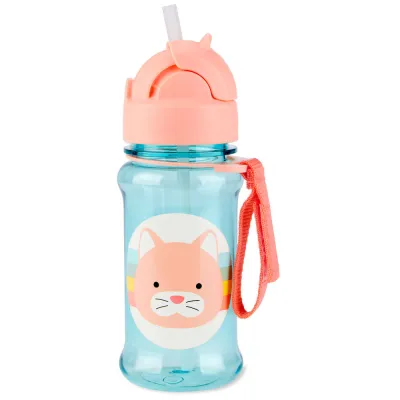
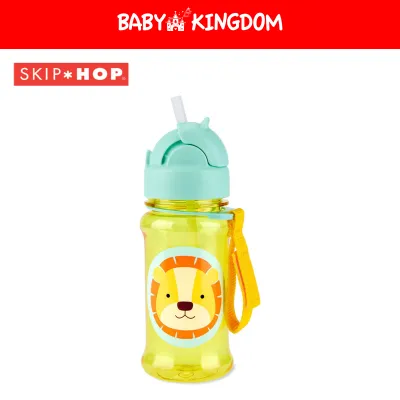
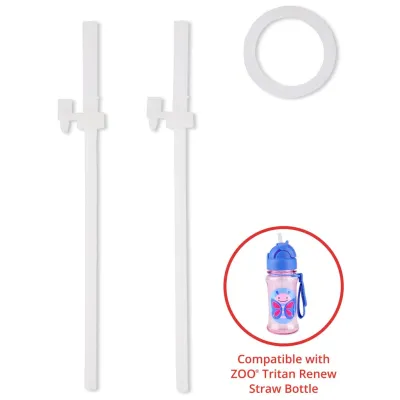
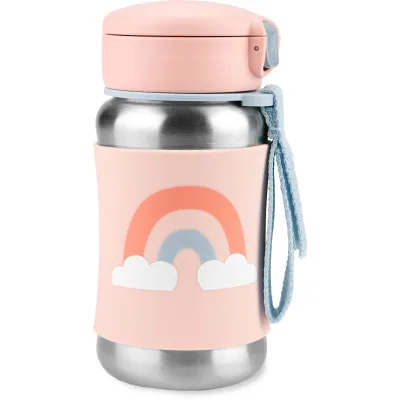
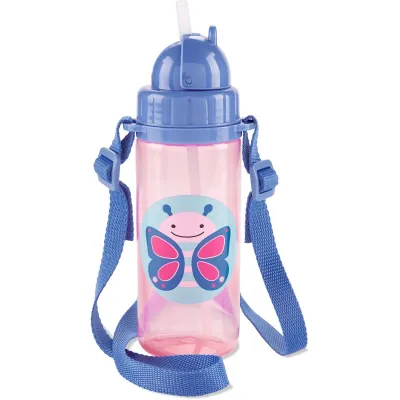
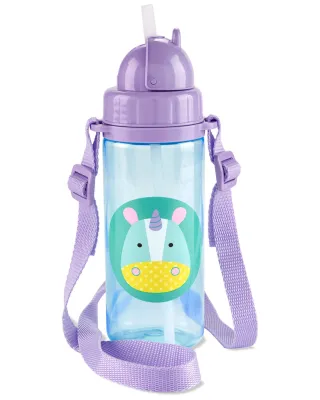
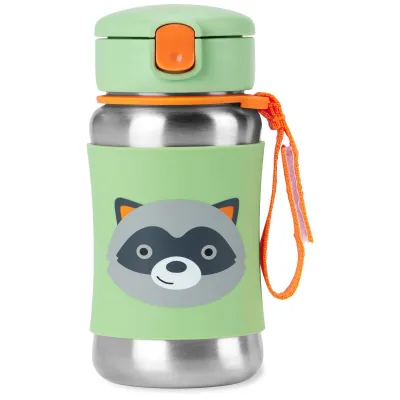
Prices are valid at publication and may change. Please refer to the product page for the latest price.
Material durability is another critical factor, particularly when comparing stainless steel to clear plastics. Stainless steel offers excellent resistance to drops, scratches, and impacts, making it highly durable for active toddlers. Clear plastics, such as Tritan or polypropylene (PP), are lighter and allow you to monitor your child’s fluid intake at a glance, though they may crack or scratch over time with heavy use.
Straw mechanisms significantly influence both leak prevention and oral development. Valved or spill-proof straws require the toddler to bite or apply active suction to release liquid, which minimizes leaks when the cup is tipped or dropped. Open-flow straws allow liquid to flow freely with basic suction, which is often recommended by speech and language professionals for natural oral motor development, though they are more prone to leaking when inverted.
Ergonomic design supports your toddler’s developing motor skills and hand-eye coordination. Look for cups with appropriate grip sizes, lightweight profiles, and stable bases that prevent tipping. If a cup is too heavy or difficult to grasp, your toddler may struggle to lift it independently, leading to frustration and a slower transition away from bottles.
Skip Hop Straw Cups: Material and Design Profile
Skip Hop’s straw cup lineup typically features a combination of insulated stainless steel or lightweight plastic bodies, paired with silicone straws and plastic lids. The stainless steel models are designed with double-wall insulation, which helps maintain liquid temperatures during outdoor outings. This insulation adds some weight to the cup, which is an important consideration for younger toddlers who are still building grip strength.

Signature design elements of Skip Hop cups include their sliding flip-top lids, which protect the silicone straw from dirt and debris when not in use. Many models also feature integrated grab straps or textured grips, allowing toddlers to hold the cup securely or parents to attach it to a stroller. The straws are designed to be removable, simplifying the process of deep cleaning and part replacement.
Before purchasing, always verify the manufacturer-recommended age range and capacity size on the product packaging. Skip Hop cups are commonly designed for toddlers aged 12 months and older, with capacities typically ranging around 12 ounces (approximately 350 milliliters). Ensuring the cup’s size and weight align with your child’s physical capabilities prevents unnecessary strain during feeding times.
Caregiver supervision is essential whenever a toddler is using a straw cup, regardless of the brand’s safety features. Children should remain seated while drinking to prevent injury from the straw if they fall. Regularly reviewing the manufacturer’s safety warnings helps maintain a safe drinking environment as your child learns to navigate independent cup usage.
Comparing Skip Hop to Alternative Straw Cup Brands
Comparing materials highlights distinct trade-offs between Skip Hop and alternative brands on the market. While Skip Hop’s insulated stainless steel designs excel at keeping drinks cool in warm climates, they lack the transparency of Tritan or clear silicone cups offered by competitors. If tracking your toddler’s exact water consumption throughout the day is a priority, a transparent plastic cup may be more practical than an opaque metal one.
Spill-proof performance varies widely depending on the straw’s internal mechanism. Skip Hop cups generally utilize a straightforward, open-flow silicone straw that relies on the sliding lid to prevent leaks when closed. When the lid is open, liquid can escape if the cup is turned upside down. In contrast, many alternative brands feature specialized bite-valves or weighted straws that remain sealed even when the cup is inverted, though these can require more effort for the toddler to drink from.
Cleaning complexity is directly tied to the design of these spill-proof mechanisms. Simple open-flow straws, like those found in Skip Hop designs, are relatively easy to clean with a standard straw brush because they lack internal valves. Complex valved straws or weighted straw systems with metal weights at the bottom require meticulous cleaning and specialized brushes to ensure no liquid residue or mold remains trapped inside the components.
Portability and leak risks in diaper bags depend heavily on the lid’s locking mechanism and seal integrity. A sliding lid is convenient for quick access but can occasionally be pushed open by other items in a packed bag. Some alternative brands offer twist-to-lock lids or click-lock technology that provides a more secure seal for travel, reducing the risk of accidental spills on your belongings.
Decision Framework: Choosing the Right Cup for Your Toddler
To choose the most suitable cup, evaluate your toddler’s specific drinking habits and your daily lifestyle. If you spend a lot of time outdoors and prioritize keeping drinks cool, Skip Hop’s insulated stainless steel models are an excellent choice. Their durable construction also makes them ideal for families seeking a long-lasting cup that can withstand frequent drops on hard surfaces.
Alternative brands may be more suitable if your toddler is in the early stages of transition and requires a lightweight, transparent cup to understand how liquid moves. Additionally, if your child’s pediatrician or speech therapist recommends a specific open-flow or weighted straw to support oral development or feeding therapy, prioritizing those specialized designs over aesthetic appeal is recommended.
Before committing to any brand, verify the local availability of replacement parts in Singapore. Silicone straws and gaskets are wear-and-tear items that toddlers frequently bite or damage. Choosing a brand that offers readily available replacement straws and lids in local retail stores or online marketplaces ensures you can extend the lifespan of the cup without needing to purchase an entirely new unit.
Cleaning, Maintenance, and Safety Boundaries
Maintaining strict hygiene is crucial for any toddler straw cup, especially in humid environments where mold can develop rapidly. Completely disassemble all parts of the cup, including the straw, lid, and silicone gaskets, before washing. Use a dedicated straw brush to clean the inside of the straw and any small crevices in the lid where moisture can accumulate.
Perform regular visual inspections of all cup components to identify wear and tear. Check the silicone straw for bite marks, tears, or thinning material, as damaged silicone can break off and present a choking hazard. If you observe any signs of degradation, cracking, or persistent mold that cannot be cleaned, stop using the cup immediately and replace the affected parts.
Always consult the manufacturer’s care label regarding dishwasher safety limits. While many plastic and silicone components are safe for the top rack of a dishwasher, high heat can warp certain plastics or degrade the vacuum seal of insulated stainless steel bodies over time. Hand washing with warm, soapy water is often the safest method to preserve the integrity and performance of the cup’s materials.
Frequently Asked Questions (FAQ)
When should I transition my toddler from a bottle to a straw cup?
You can begin introducing a straw cup when your toddler exhibits key developmental milestones, such as sitting upright independently, grasping objects firmly, and swallowing liquids without coughing. Most pediatric guidelines suggest introducing a straw or open cup around 6 to 12 months of age, with the goal of phasing out bottles entirely by 12 to 18 months to support healthy oral development.
Every child develops at their own pace, so it is important to follow your toddler’s readiness cues rather than forcing the transition. If your child consistently resists the straw cup, experiences persistent coughing or sputtering while drinking, or struggles with swallowing, temporarily pause the transition. Consult a pediatrician, lactation consultant, or pediatric feeding specialist to address any underlying feeding difficulties safely.
Community discussion
Share your experience or ask a question. Comments are reviewed before publication.