
Finding the right baby bottle in Singapore often comes down to selecting the ideal material for your daily routine rather than choosing a single winning brand. While Skip Hop, Pigeon, and Philips Avent all offer highly regarded feeding systems, the ideal bottle material—whether silicone, glass, or plastic—depends on your baby’s age, your lifestyle, and your sterilization preferences. For instance, a family managing feeding primarily at home in a high-rise apartment might prioritize the purity of glass, while parents sending their infant to infant care may require lightweight, shatterproof plastic or silicone. By understanding how these materials perform under daily use, you can build a feeding toolkit that keeps your baby comfortable and your sterilization routine manageable.
Every baby has unique feeding preferences, and what works for one infant may not work for another. Some babies adapt quickly to any bottle, while others are highly sensitive to the weight of the bottle, the texture of the material, or the flow of the nipple. As a caregiver, your comfort is also a key factor, as you will be holding, cleaning, and sterilizing these bottles multiple times a day. Evaluating the physical properties of each material helps narrow down the choices before you invest in a full set.
Understanding Bottle Materials: Silicone, Glass, and Plastic
Selecting a bottle material requires balancing durability, weight, ease of cleaning, and heat resistance. The three primary materials available on the market each serve different lifestyle needs and developmental stages.
Products mentioned in this guide
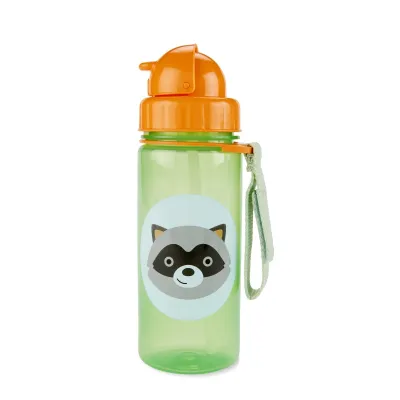
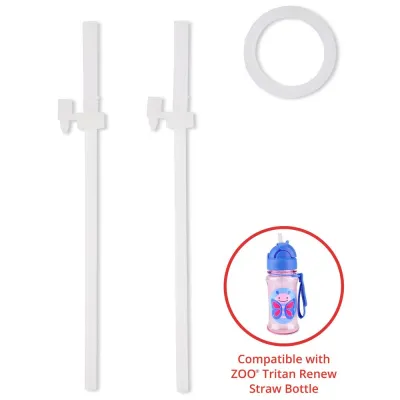
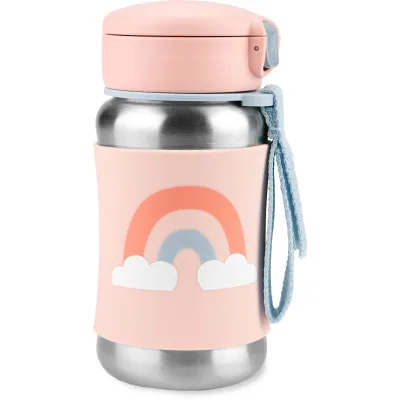
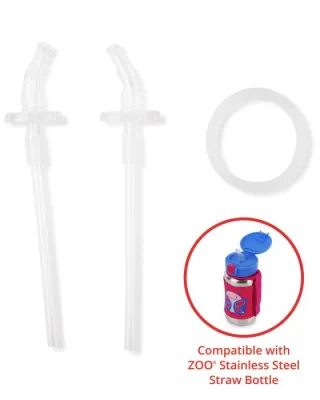
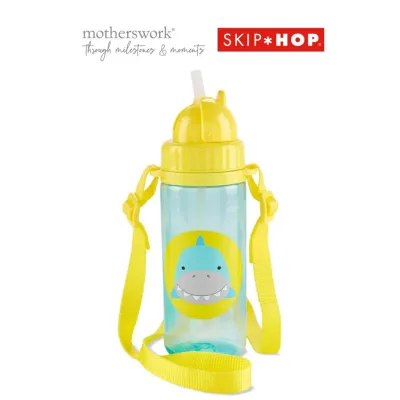
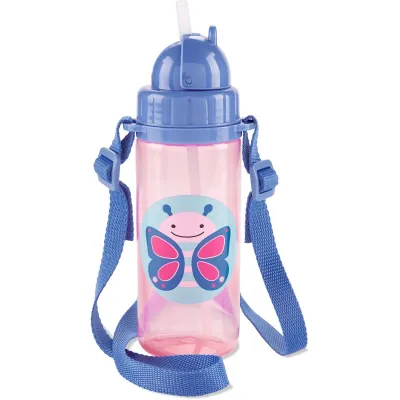
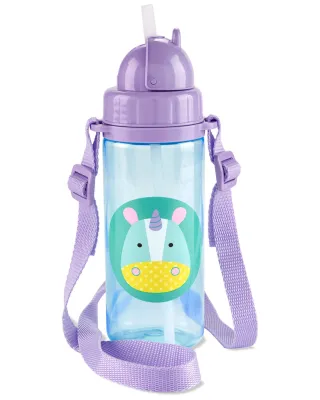
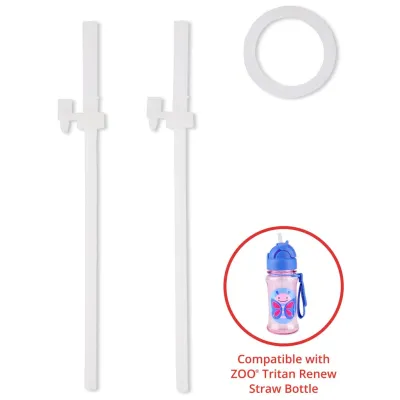
Prices are valid at publication and may change. Please refer to the product page for the latest price.
Silicone Bottles
Silicone is a popular modern material known for its soft, flexible texture that closely mimics the feel of skin. This tactile quality can be comforting for breastfed babies transitioning to bottle-feeding. Silicone bottles are naturally shatterproof, making them an excellent option for older infants who are beginning to hold their own bottles under adult supervision.
However, silicone is a porous material, which means it can sometimes absorb odors or oils from breast milk and formula if not washed promptly. It also tends to be more flexible, which some parents find makes it slightly more challenging to measure precise liquid volumes compared to rigid glass or plastic. When choosing silicone, check the manufacturer’s labels to verify the maximum temperature limits for sterilization.
Glass Bottles
Glass remains a traditional favorite for many parents due to its exceptional hygiene standards and longevity. It is entirely non-porous, meaning it will not absorb odors, colors, or chemical residues over time. Glass bottles are highly scratch-resistant, which prevents bacteria from harboring in tiny surface crevices during cleaning.
The primary trade-off with glass is its weight and fragility. Glass bottles are significantly heavier than plastic or silicone, which can cause wrist fatigue during long feeding sessions. They also pose a breakage risk if dropped on hard kitchen tiles or outdoor pavements. If you choose glass, look for borosilicate glass options, which offer better resistance to thermal shock during rapid temperature changes.
Plastic and PPSU Bottles
Plastic bottles are lightweight, highly portable, and virtually unbreakable, making them a staple for busy families on the go. However, not all plastics are created equal. Standard Polypropylene (PP) bottles are budget-friendly and widely available, but they tend to degrade faster, becoming cloudy or scratched after repeated sterilization cycles.
Polyphenylsulfone (PPSU) is a premium, medical-grade plastic easily identified by its natural honey-colored tint. PPSU combines the lightweight convenience of plastic with high durability and excellent heat resistance, allowing it to withstand frequent steam or UV sterilization without degrading quickly. While PPSU bottles generally carry a higher price tag than PP bottles, their longer lifespan often makes them a practical investment for daily use.
While modern baby bottles sold in Singapore are strictly regulated to be BPA-free, parents should still verify that any imported or online-purchased bottles explicitly state they are free from Bisphenol A (BPA) and Bisphenol S (BPS). These chemical checks are crucial for peace of mind, especially when exposing plastic bottles to high-temperature sterilization.
Skip Hop, Pigeon, and Philips Avent: Brand Material Focus
Each of these three prominent brands approaches bottle design and material selection with a distinct philosophy, catering to different parental preferences and infant needs.

Skip Hop
Skip Hop typically focuses on ergonomic, user-friendly designs that simplify the feeding process for parents. Their bottle designs often emphasize comfortable gripping surfaces and intuitive assembly. While they may offer specialized silicone or plastic options, their products are designed to integrate seamlessly into a modern, active lifestyle.
Skip Hop’s design philosophy often centers on multi-functional baby gear. Their bottles are engineered with parent-friendly features, such as wide openings that make scooping formula powder less messy. The ergonomic curves of their bottle bodies are designed to fit comfortably in both adult hands and smaller toddler hands, supporting developmental milestones as your baby grows. When considering Skip Hop bottles, it is important to inspect the product packaging or official documentation to verify the specific plastic or silicone grades used.
Pigeon
Pigeon is a household name in Singapore, widely recognized for its extensive research into infant sucking behaviors. The brand places a heavy emphasis on its SofTouch nipples, which are designed to encourage a natural latch. In terms of bottle materials, Pigeon offers a robust selection of both high-quality glass and premium PPSU bottles.
Pigeon’s research into infant peristaltic movement has led to highly specialized nipple designs that mimic the natural wave-like motion of a baby’s tongue. Their PPSU bottles are highly valued in Singapore’s humid climate because they dry quickly and resist the yellowing that often plagues standard PP bottles after multiple steam sterilization cycles. If your baby struggles with latching, Pigeon’s focus on nipple design combined with their durable material options makes them a strong candidate for your shortlist.
Philips Avent
Philips Avent offers a comprehensive range of bottles divided primarily into their Natural and Anti-Colic lines. They provide both borosilicate glass and high-quality plastic (PP) options. The Natural line features a wide, breast-shaped nipple designed to promote a natural latch, while their Anti-Colic range focuses on reducing air ingestion during feeds.
Philips Avent’s Natural Response nipple is designed to release milk only when the baby actively drinks, similar to breastfeeding. This design pairs exceptionally well with their borosilicate glass bottles, which are highly durable and can transition from cold storage to warm water without cracking. Their anti-colic system is integrated directly into the nipple valve, reducing the number of separate parts parents need to wash and sterilize. Parents should verify the compatibility of nipples and collars within the Avent ecosystem, as different product lines may require specific matching components.
Matching Bottle Materials to Your Feeding Routine
To determine which material fits your household best, consider your daily routine, your baby’s developmental stage, and who will be administering the feeds.
Choose Silicone If:
- You want a shatterproof, lightweight bottle that is easy for an older baby to grasp.
- Your baby is transitioning from breastfeeding and responds well to soft, skin-like textures.
- You travel frequently and need bottles that can be packed tightly without risk of cracking.
Choose Glass If:
- You prioritize maximum hygiene and want a material that will not scratch, stain, or retain odors.
- The bottles will primarily be used at home, where the risk of dropping them on hard surfaces is low.
- You want a long-lasting option that can be sterilized repeatedly for future siblings without material degradation.
Choose Plastic or PPSU If:
- You need a lightweight, highly portable option for daycare, travel, or quick feeds on the go.
- You want a budget-friendly option (PP) for temporary use, or are willing to invest in a highly durable, heat-resistant option (PPSU) for long-term daily use.
- Caregivers with limited hand strength or joint pain will be assisting with feeding sessions.
Before finalizing your choice, observe your baby’s feeding behavior. If your baby has specific latch issues or experiences excessive gas, consult a lactation consultant or pediatrician to ensure the bottle and nipple design support healthy feeding. Additionally, always supervise your baby during feeds, and never leave an infant unattended with a bottle, regardless of the material.
Safety, Cleaning, and Compatibility Checks
Maintaining your baby’s bottles properly is essential for their health and safety. Different materials require specific care routines to prevent premature wear and ensure proper hygiene.
First, always consult the manufacturer’s guidelines for sterilization. While glass can withstand almost any sterilization method, certain plastics and silicones can degrade faster under UV light or prolonged boiling. If you use a UV sterilizer, verify that your specific bottle material is rated as safe for UV exposure to prevent discoloration or structural weakening.
Second, inspect all bottle components regularly for signs of wear and tear. Replace plastic bottles immediately if they become cloudy, heavily scratched, or retain a persistent sour odor, as micro-scratches can harbor harmful bacteria. Check silicone bottles for thinning or stickiness, and inspect glass bottles before every single feed for hairline cracks, chips, or sharp edges. Nipples should generally be replaced every two to three months, or sooner if you notice tearing, softening, or a change in flow rate.
Finally, verify accessory compatibility before mixing brands. While some wide-neck bottles may look similar, nipples, collars, and anti-colic valves are rarely interchangeable across different brands. Using mismatched parts can lead to leaks, improper venting, or collapsed nipples during feeding. Keep your bottle systems organized and stick to brand-specific components to ensure a safe, leak-free feeding experience.
Frequently Asked Questions (FAQ)
Can I mix different bottle materials for the same baby?
Yes, many parents successfully use different bottle materials depending on the situation. For example, you might prefer using glass bottles at home for easy cleaning and transition to lightweight plastic or silicone bottles when traveling or sending your baby to daycare. The most critical factor is maintaining nipple consistency; ensure the nipple shape, texture, and flow rate remain the same across different bottle bodies to prevent feeding refusal or nipple confusion.
When should I transition from plastic to glass or silicone?
You may want to transition to glass if you find your plastic bottles are wearing out quickly, scratching, or retaining odors from formula. Conversely, transitioning to silicone or lightweight PPSU is highly beneficial when your baby reaches the developmental stage of wanting to hold their own bottle. Shatterproof materials prevent accidental breakage and injury if the baby drops or throws the bottle during a feed.
Are all these bottles compatible with standard bottle warmers?
Not all bottle materials heat at the same rate, and compatibility depends on the warmer’s design. Glass conducts heat efficiently but can experience thermal shock if subjected to sudden, extreme temperature changes. Silicone acts as an insulator, meaning it may take significantly longer for heat to penetrate the bottle and warm the milk inside. Always check the manufacturer’s instructions for both your bottle and your bottle warmer to ensure safe heating practices.

Community discussion
Share your experience or ask a question. Comments are reviewed before publication.