
Selecting the right skip hop backpack size is a balancing act between your child’s age, physical development, and daily routine. While a bag that is too small won’t fit essential gear, an oversized backpack can strain a young child’s developing spine and shoulders. Finding the perfect fit requires looking beyond cute animal designs to evaluate physical dimensions, carrying capacity, and ergonomic features. Matching the bag to your child’s current stage ensures they stay comfortable whether heading to preschool, packing for a weekend outing, or transitioning to early primary school.
Understanding Skip Hop Backpack Categories by Age Group
Skip Hop organizes its popular gear collections into distinct size tiers designed to align with a child’s developmental milestones. The progression typically starts with toddler-sized packs, often equipped with detachable safety harnesses or reins for early walkers. These transition into the signature preschool and kindergarten bags, which offer more storage space without overwhelming a young child’s frame. Finally, larger backpacks are designed for older children entering early primary school, featuring more structured compartments to hold standard school supplies.
A child’s physical development dictates their carrying capacity. Torso length, shoulder width, and overall physical strength change rapidly during the toddler and preschool years. A backpack that fits a five-year-old perfectly will likely engulf a two-year-old, causing the bag to sag, shift, and pull the child backward. Conversely, a toddler pack on a primary school student will sit too high and restrict arm movement.
Products mentioned in this guide
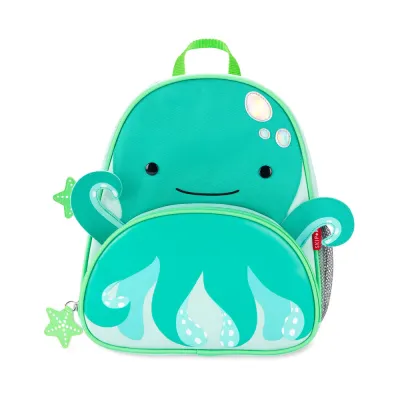
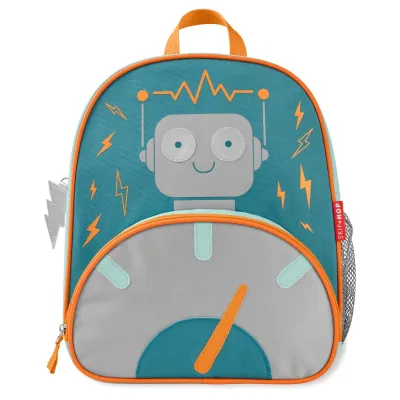
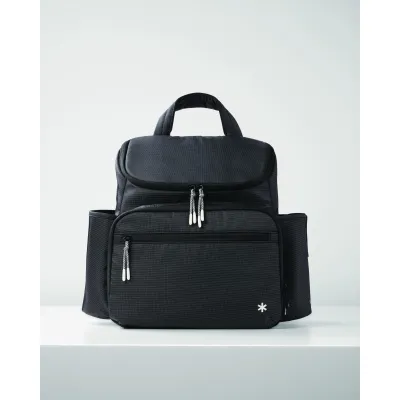
![[2 Yr Local Warranty] Skip Hop Forma Next Nappy Backpack](https://img.lazcdn.com/g/p/fa8751a3e183a531f09586dc0cadccb8.png_400x400q80.png_.webp)
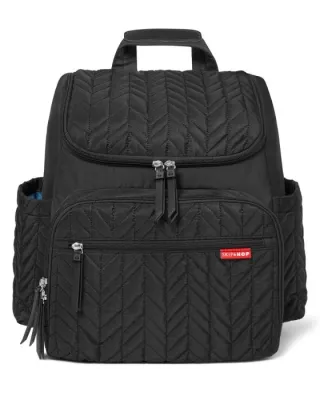
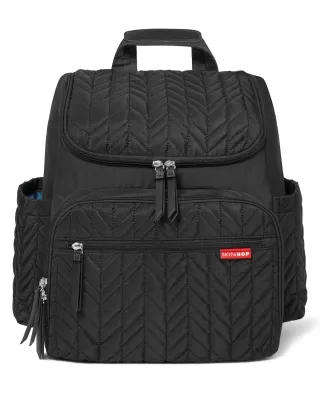
Prices are valid at publication and may change. Please refer to the product page for the latest price.
Because children grow at different rates, age recommendations are general guidelines rather than absolute rules. Parents must always verify the manufacturer’s recommended age, height, and weight limits on the specific product’s tag or official listing before purchasing. Sizing, strap lengths, and material weights can vary between different collections, special editions, and release years.
It is highly tempting to purchase a larger bag with the intention of letting your child “grow into” it, especially when investing in a quality brand. However, this is a counterproductive strategy for young children. An oversized backpack places unnecessary leverage on a child’s lower back and shoulders, forcing them to lean forward to compensate. Choosing a bag that matches your child’s current body proportions ensures safety, comfort, and a much better carrying experience.
Matching Backpack Capacity to Daily Activities
The ideal backpack volume is determined by what your child needs to carry on a typical day. A bag used for a structured school environment requires a very different capacity and layout compared to a lightweight pack meant for a casual family weekend outing. Evaluating these daily activities helps prevent both under-packing frustration and over-carrying strain.

Preschool and Childcare Essentials
In local Singapore preschools, infant care centers, and kindergartens, the daily packing list can be surprisingly extensive. Children are often required to carry a complete change of spare clothes (sometimes multiple sets for toilet-training toddlers), indoor shoes or non-slip socks, a lunchbox or snack container, and a communication book. Additionally, many centers regularly send home A4-sized worksheets, drawing pads, or creative art projects that parents prefer not to fold or crease.
For these environments, a mid-sized backpack with a wide main opening is highly beneficial. It allows preschool teachers, childcare educators, and young children themselves to easily pack and unpack bulky items without struggling against tight zippers or narrow fabric corners. A spacious main compartment ensures that wet bags, spare uniforms, and lunchboxes can sit flat, reducing the risk of accidental spills.
Before committing to a specific model, it is wise to check with your child’s childcare center or kindergarten regarding their specific bag policies. Some local schools have strict rules regarding maximum bag dimensions, while others have custom-built cubby holes or lockers that can only accommodate bags of a certain size. Verifying these physical constraints beforehand prevents the disappointment of buying a bag that cannot be stored properly at school.
Daily Outings and Weekend Trips
Casual weekend trips, visits to local indoor playgrounds, or family walks through Singapore’s parks demand a much lighter load. For these non-school scenarios, minimal carrying capacity is actually preferred. The child only needs to carry a small water bottle, a light snack, a favorite comfort toy, and basic hygiene items like wet wipes or pocket tissues.
A compact, lightweight toddler pack is ideally suited for these scenarios. In warm, humid tropical weather, carrying a heavy or bulky bag can quickly cause a child to overheat and tire during long walks. A smaller, streamlined bag keeps the physical burden low, allowing the child to run, play, and explore freely without feeling weighed down.
Furthermore, smaller toddler bags typically feature simpler designs with fewer compartments. This simplicity is highly practical for short trips, as it makes it easy for parents to quickly locate items without searching through multiple zippered pockets. It also encourages toddlers to take responsibility for their own small belongings without getting overwhelmed by complex organization.
Early Primary School Transitions
Entering formal primary education marks a major shift in a child’s daily carrying requirements. The simple items of preschool are replaced by larger textbooks, multi-subject folders, standard-sized notebooks, larger insulated water bottles, and bulky pencil cases. The sheer volume and weight of these academic supplies require a significant upgrade in backpack size.
To manage this transition, parents should look for a larger capacity backpack that offers structured support. Multiple compartments are essential at this stage to help children organize their supplies, keeping heavy textbooks close to the back and lighter stationery items in front. This structured layout prevents items from shifting during the walk to school or while riding on school buses.
Additionally, it is crucial to review the primary school’s specific bag guidelines. Many institutions in Singapore have strict rules regarding acceptable bag sizes, the use of trolley bags with wheels, or permitted branding and colors. Some schools mandate the use of official uniform bags, while others allow personal backpacks as long as they fit within specific dimensions that align with classroom desk hooks or locker storage.
Ergonomics and Fit: Ensuring the Backpack Suits Your Child's Body
An adorable design means very little if the backpack causes physical discomfort or strain. Ensuring a proper ergonomic fit is critical to protecting your child’s developing spine, neck, and shoulders. Taking a few minutes to measure your child and adjust the bag’s straps can make a dramatic difference in how they carry the weight.
To find the correct backpack size, start by measuring your child’s torso length. Have your child stand up straight and measure from the bony bump at the base of their neck (the C7 vertebra) down to the top of their hip bones (the iliac crest). The backpack should sit comfortably within this range. It should never extend above the child’s shoulders or drop more than two inches below their waistline. A bag that hangs too low pulls on the shoulders and strains the lower back.
When adjusting the shoulder straps, follow the general guidelines for a snug fit. The straps should be tightened so that the backpack sits flat against the child’s back without sagging or leaving a large gap. However, they should not be so tight that they pinch the armpits or restrict natural arm movement. Ensure the straps are adjusted equally on both sides to keep the load balanced and prevent the child from leaning to one side.
Look for key ergonomic features that assist with weight distribution. Wide, padded shoulder straps help spread the load across a larger surface area, preventing the straps from digging into the skin. Breathable mesh back panels are excellent for local tropical weather, as they improve airflow and reduce sweating. Adjustable chest clips or sternum straps are also highly valuable, as they keep the shoulder straps from slipping off narrow shoulders and help pull the bag’s center of gravity closer to the body.
Paying close attention to physical feedback is essential. If your child complains of back, neck, or shoulder pain, or if you notice red marks, chafing, or bruising on their shoulders after use, stop using the backpack immediately. You should reduce the carried load, re-verify the fit adjustments, and consult a pediatrician or qualified healthcare professional for advice on your child’s physical development and posture.
Common Sizing Mistakes Parents Make
Even with the best intentions, it is easy to make common errors when selecting and packing a child’s backpack. Recognizing these pitfalls can help you protect your child’s comfort and ensure the bag lasts for its intended lifespan.
The most frequent mistake is buying a backpack that is too large in an attempt to save money on future upgrades. While this makes financial sense on paper, an oversized bag poses real physical risks. Large bags encourage overpacking, and the improper weight distribution can lead to poor posture, rounded shoulders, and chronic back strain. A child carrying a bag that is too large will naturally lean forward to balance, which alters their natural gait and increases the risk of trips and falls.
Another overlooked factor is the empty weight of the backpack itself. Some bags feature heavy canvas, thick insulation, or elaborate metal hardware that makes them heavy before a single item is placed inside. When choosing a bag, opt for lightweight, durable materials. A heavy empty bag leaves very little remaining capacity for actual school supplies or daily essentials before reaching safe carrying limits.
Overpacking small toddler bags is also a common issue. Because these bags are compact, parents sometimes stuff them to their absolute limit, forcing zippers shut over bulky jackets or large toys. This excessive pressure strains the seams and zippers, leading to premature wear and tear. It also makes the bag rigid and uncomfortable, causing it to bounce awkwardly against the child’s back.
Finally, many parents forget to account for the weight of water. In a warm, tropical climate like Singapore, staying hydrated is essential, and children often carry water bottles everywhere. A fully filled water bottle is one of the heaviest items in a child’s bag. Failing to account for this weight and volume when estimating bag capacity can quickly lead to an overloaded, unbalanced backpack.
Key Features to Look for Beyond Dimensions
While dimensions and volume are critical, several practical design features can greatly enhance the daily usability of a child’s backpack. These small details often make the difference between a frustrating daily routine and an easy, independent experience for your child.
Hydration storage is a key consideration. Compare external side pockets against internal sleeves for water bottles. External mesh or elasticized side pockets are generally preferred because they keep liquids away from school books, homework, and electronic devices, preventing damage from accidental leaks. External pockets also help balance the load when positioned on both sides and provide quick, easy access during active play.
Accessibility is another crucial factor for young children who are still developing their fine motor skills. Look for backpacks with large, easy-grip zipper pulls, often made of textured rubber or durable fabric loops. Wide, structured openings allow the bag to stay open on a desk or floor, making it much easier for young children to practice independence by packing and retrieving their own items without adult assistance.
The choice of materials directly impacts maintenance. Look for bags with wipe-clean polyester or nylon interiors that can handle crushed snacks, leaked juice, or damp swimsuits. Water-resistant exteriors are highly beneficial for protecting school supplies from sudden tropical downpours during the daily commute.
Lastly, clear identification features are invaluable in busy school or childcare environments where many children carry similar bags. Look for built-in name tag windows, write-on internal labels, or dedicated loops for attaching personalized bag tags. This simple feature helps prevent mix-ups, lost items, and stressful searches at the end of the school day.
Frequently Asked Questions (FAQ)
What is the safe weight limit for a child's backpack?
According to general pediatric guidelines, a fully loaded backpack should typically not exceed 10% to 15% of the child’s total body weight. Carrying a load heavier than this threshold can lead to muscle strain, poor posture, and chronic back pain over time. Parents should regularly weigh their child’s packed bag on a home scale and remove non-essential items if the weight exceeds this safe limit.
Proper weight distribution inside the bag is just as important as the total weight. Always pack the heaviest items, such as textbooks, tablets, or full lunchboxes, closest to the child’s back to keep the center of gravity stable. Lighter items like stationery, tissues, and snacks should go in the front compartments. If you have specific concerns about your child’s posture, physical development, or persistent discomfort, consult a pediatrician or qualified healthcare professional for personalized guidance.
Community discussion
Share your experience or ask a question. Comments are reviewed before publication.