
Choosing between a single and double electric breast pump depends primarily on your pumping frequency, return-to-work status, and milk supply goals. If you plan to express milk multiple times a day or are returning to a busy workplace, a double electric breast pump is generally the most efficient choice to maintain your supply and save time. Conversely, if you primarily breastfeed directly and only need to pump occasionally—such as to relieve temporary engorgement or build a modest backup stash—a single electric breast pump offers a highly compact, budget-friendly, and straightforward solution.
Core Differences in Time, Output, and Portability
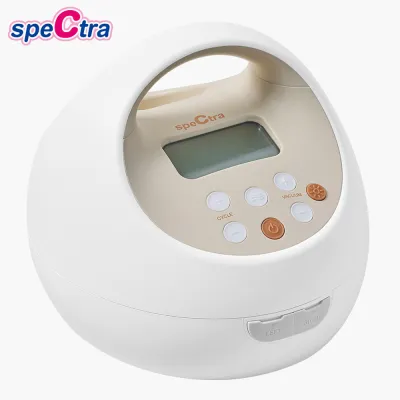
To make an informed decision, it is essential to understand how single and double electric breast pumps differ in their mechanical operation and daily utility. A single electric breast pump is designed to express milk from one breast at a time. This sequential method means that to complete a full session, you must pump one side for a set duration—typically 15 to 20 minutes—and then switch the accessories to the other side. Consequently, a single pumping session can take up to 40 minutes of active time, not including setup and clean-up.
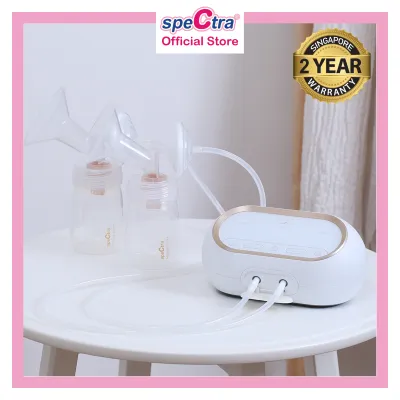
In contrast, a double electric breast pump utilizes a more powerful motor or a split tubing system to express milk from both breasts simultaneously. This simultaneous expression cuts your active pumping time in half, allowing you to complete a full session in roughly 15 to 20 minutes. For busy mothers balancing household duties, remote work, or a return to a physical office, this time-saving aspect is often the deciding factor.
Products mentioned in this guide
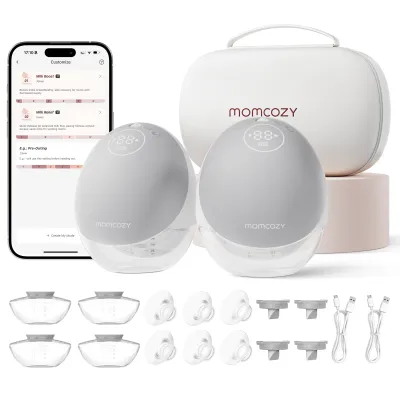
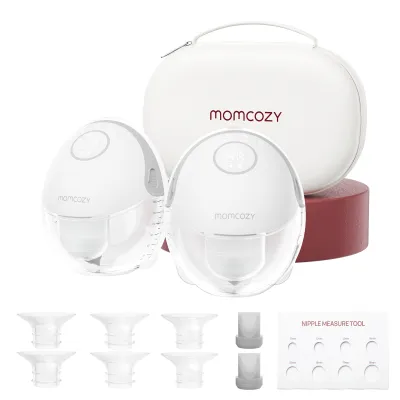
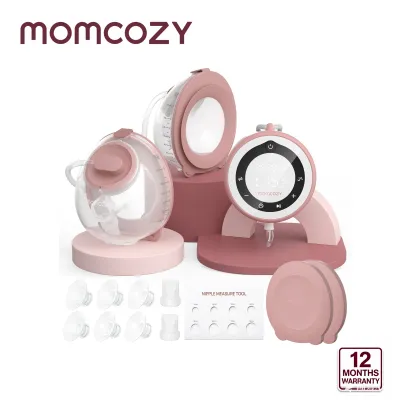
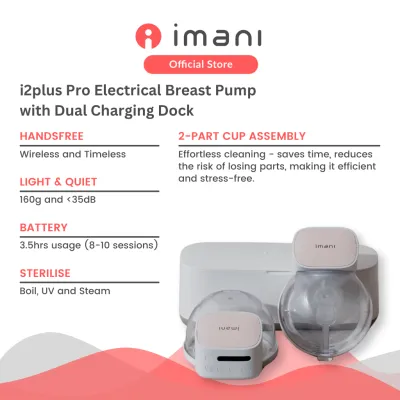
Prices are valid at publication and may change. Please refer to the product page for the latest price.
Beyond time efficiency, simultaneous pumping has physiological implications. Expressing milk from both sides at the same time mimics the natural feeding patterns of frequent nursing, which can trigger a more robust hormonal response. This simultaneous stimulation often leads to an additional let-down reflex, helping to maximize the volume of milk expressed during each session. For mothers focused on establishing, increasing, or maintaining a long-term milk supply, the double pump provides a distinct physiological advantage.
Portability and discretion also vary. Single electric pumps feature fewer components—typically one flange, one connector, one valve, and one bottle—making them highly compact and lightweight. They are easy to pack into a small diaper bag for occasional outings. Double electric pumps, while increasingly compact, still require double the accessories, including dual tubing and two collection sets. This extra gear can make the setup more conspicuous and slightly more complex to assemble, particularly when using public nursing rooms or workplace facilities.
When a Single Electric Breast Pump Is the Better Fit
A single electric breast pump is often the ideal choice for mothers whose breastfeeding goals center around direct nursing with occasional expression. If your daily routine allows you to feed your baby directly at the breast for most meals, you may only need a pump to manage temporary situations. For instance, a single pump is highly effective for relieving breast engorgement during the early weeks postpartum when your milk supply is adjusting to your baby’s demands. It is also an excellent tool for expressing a small backup stash of milk so that a partner or caregiver can handle an occasional bottle feeding.

One of the most appealing advantages of a single electric breast pump is its affordability. In the Singapore market, single electric pumps generally fall into a lower budget tier, typically ranging from under S$100 to S$200. This makes them a highly cost-effective option for families who do not want to make a large financial commitment to feeding equipment that may only see sporadic use.
In addition to cost savings, single pumps offer unmatched simplicity when it comes to daily maintenance. Because you are only using one set of expression parts per session, the time spent washing, sterilizing, and drying components is cut in half. For a tired parent, having fewer valves, membranes, and flanges to clean at the end of the night can significantly reduce daily stress.
However, the single electric pump does have clear limitations. If your circumstances change and you need to pump multiple times a day—such as when returning to full-time work—the sequential nature of a single pump can quickly become a burden. Spending up to 40 minutes per session, multiple times a day, can lead to physical fatigue and make it difficult to sustain your pumping routine over several months.
When a Double Electric Breast Pump Is the Better Fit
A double electric breast pump is specifically engineered for high-frequency use and is the standard recommendation for mothers who face regular separation from their babies. If you are planning to return to a workplace, a double pump is virtually essential. It allows you to efficiently express milk during designated office breaks, fitting a complete session into a standard 15-to-20-minute window. This efficiency ensures you can maintain your professional responsibilities without compromising your breastfeeding goals.
For mothers who are exclusively pumping—meaning the baby receives breast milk entirely via bottles—a double electric pump is non-negotiable. Exclusive pumping requires expressing milk every few hours, around the clock, to mimic a newborn’s feeding schedule. Attempting this with a single pump would require hours of active pumping each day, leaving very little time for rest, recovery, or caring for your infant. The double pump’s ability to stimulate both breasts simultaneously not only saves hours of time each day but also helps maintain a stable, long-term milk supply by consistently signaling the body to produce more milk.
Despite these clear benefits, double electric breast pumps come with specific trade-offs. The initial financial investment is higher, with quality double models generally priced between S$250 and S$600 or more. This higher cost may not be justified if you only plan to pump occasionally. Furthermore, double pumps require double the cleaning effort. Washing two sets of flanges, connectors, valves, and bottles after every session can feel overwhelming, especially during the demanding newborn phase.
Another practical consideration is the need for specialized accessories. To truly benefit from the time-saving aspects of a double pump, you will need to invest in a high-quality hands-free pumping bra. Without one, you would be forced to hold both bottles against your breasts for the entire session, leaving you unable to use your hands to read, work, or tend to your baby.
Essential Specifications and Safety Checks to Verify
When selecting any electric breast pump, it is vital to look beyond marketing claims and carefully verify the manufacturer’s technical specifications and safety features. First, check the adjustability of the suction strength and cycle settings. A high-quality pump should offer a stimulation mode (fast, shallow cycles to mimic a baby’s initial latch and trigger let-down) and an expression mode (slower, deeper vacuum cycles to draw out milk). Ensure the suction levels can be adjusted incrementally; using a suction level that is too high can cause nipple pain, tissue trauma, and actually restrict your milk flow by causing your body to tense up.
Second, pay close attention to flange sizing and compatibility. The flange is the funnel-shaped plastic shield that fits over your nipple. Most pumps come packaged with a standard size (usually 24mm), but nipple sizes vary widely. Using a flange that is too small or too large can lead to friction, swelling, blocked milk ducts, and inefficient milk expression. Before purchasing, check if the manufacturer offers alternative flange sizes or compatible silicone inserts, and measure your nipple according to the brand’s sizing guide to ensure a safe, comfortable fit.
Third, verify the pump’s internal design, specifically looking for a closed-system design. A closed system utilizes a physical barrier, such as a silicone diaphragm, to completely separate the expressed milk from the pump’s tubing and motor. This prevents milk particles and moisture from being drawn into the motor, where they can breed mold and bacteria that are impossible to clean out. An open-system pump lacks this barrier, posing a higher risk of contamination and making it unsuitable for sharing or resale.
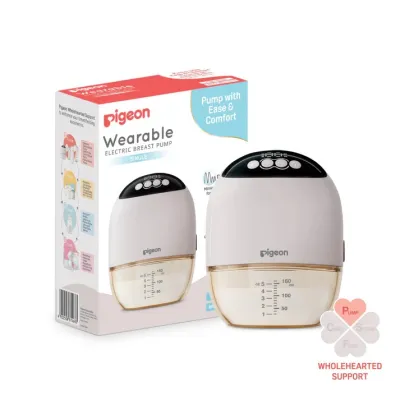
Fourth, evaluate the power source and battery specifications. If you plan to pump on the go, during your commute, or in workplaces without easily accessible power outlets, look for a model with a built-in rechargeable lithium-ion battery or USB charging capabilities. Check the manufacturer’s stated battery life per charge to ensure it can support your typical daily sessions.
Finally, always prioritize your physical well-being. While electric breast pumps are highly effective tools, they should never cause persistent pain or bruising. If you experience ongoing discomfort, skin damage, or struggle to express sufficient milk despite adjusting your pump settings, stop using the device and consult a certified lactation consultant or healthcare professional. They can help assess your pump fit, evaluate your technique, and provide personalized guidance to support your breastfeeding journey safely.
Frequently Asked Questions (FAQ)
Can I use a double breast pump as a single pump?
Yes, most double electric breast pumps can be operated as a single pump if the manufacturer explicitly supports this function. To switch to single pumping, you typically need to block one of the air ports on the pump motor or use a specific cap or plug provided with the tubing assembly. It is crucial to follow the manufacturer’s instructions for this conversion, as simply leaving one tube open will cause a complete loss of suction. Additionally, verify if using the pump in single mode alters the suction strength on the active side, as some motors automatically adjust vacuum pressure when only one port is engaged.
How often should I replace my electric breast pump parts?
To maintain optimal suction and hygiene, you must regularly inspect and replace the consumable silicone parts of your electric breast pump. Over time, washing, sterilizing, and the constant stretching from vacuum pressure will cause parts like valves, membranes, and backflow protectors to wear out, leading to a noticeable drop in pump performance. As a general guideline, check your manufacturer’s manual for specific replacement schedules; typically, duckbill valves and membranes require replacement every 1 to 3 months, while backflow protector diaphragms should be replaced every 3 to 6 months. Regardless of the timeline, replace any part immediately if you observe visible tears, warping, discoloration, or signs of mold.
Is a hospital-grade pump better than a personal double electric pump?
A hospital-grade breast pump is not necessarily better for every mother, as it serves a different primary purpose than a personal double electric pump. Hospital-grade pumps are heavy-duty, multi-user devices designed with highly durable motors and closed-system barriers to prevent cross-contamination, making them safe for multiple mothers to rent or share. They are typically recommended for initiating milk supply when a baby cannot latch, such as with premature infants, or for mothers facing severe supply challenges. Personal double electric pumps, on the other hand, are designed for a single user and prioritize portability, convenience, and daily maintenance. If you are experiencing medical complications or significant supply issues, consult a healthcare provider or lactation consultant to determine if renting a hospital-grade pump is necessary for your situation.
Community discussion
Share your experience or ask a question. Comments are reviewed before publication.