
In Singapore, road safety regulations mandate that anyone under the height of 1.35 metres must be secured with an approved child restraint or booster seat when traveling in a motor vehicle. This legal requirement is designed to protect young passengers from severe injuries during sudden stops or collisions. While age is often used as a general guideline, physical height remains the primary legal and safety benchmark for transitioning away from child safety seats.
Ensuring compliance with these laws is not just about avoiding penalties; it is about understanding how vehicle safety systems are engineered. Standard adult seat belts are designed for individuals who are at least 1.35 metres tall, meaning younger or smaller children require specialized support to position the belt safely. By understanding the specific criteria, testing methods, and product standards, parents can make informed decisions that keep their children secure on every journey.
Understanding the Official Criteria for Child Restraints in Singapore
To navigate Singapore’s traffic laws effectively, caregivers must understand the specific metrics used by authorities to evaluate child passenger safety. The Land Transport Authority (LTA) and the Traffic Police focus primarily on physical dimensions rather than age alone. While age milestones are helpful, they do not account for the wide variation in children’s growth rates, making height the most critical factor for legal compliance.
Products mentioned in this guide
![[SG] Foldable Child Safety Car Booster Seat Compact Travel Portable Baby Seat Blue Pink For 3-13 yrs](https://img.lazcdn.com/g/p/e4b0a56c751e7aef08c3a5f6c2dbb9e1.jpg_400x400q80.jpg_.webp)
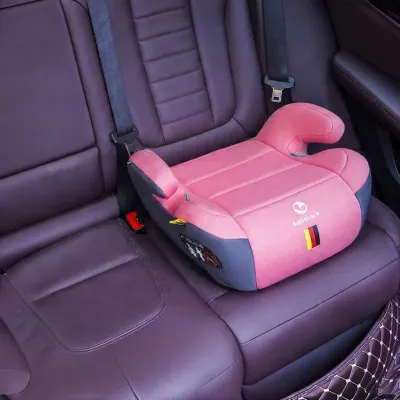
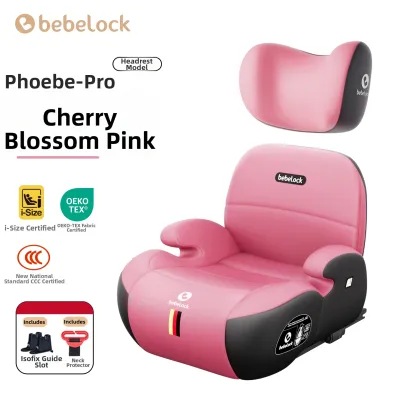
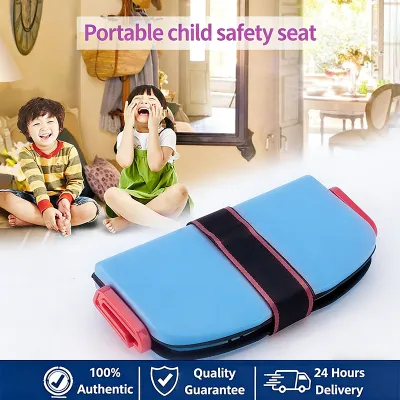
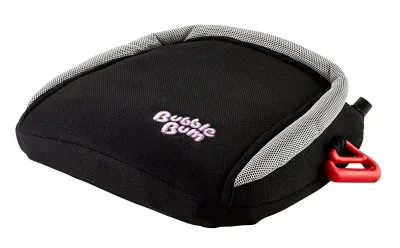
Prices are valid at publication and may change. Please refer to the product page for the latest price.
The primary legal threshold in Singapore centers on the 1.35-metre height limit. Regardless of age, if a child has not reached this height, they are legally required to use an approved child restraint or booster seat. This focus on height is directly linked to how adult seat belts function. A standard seat belt is designed to anchor across the strongest skeletal points of an adult body—specifically the pelvis and the collarbone. For a child under 1.35 metres, an adult belt will naturally rest across the soft abdomen and the neck, posing severe risks in a crash.
While weight ranges are specified by manufacturers to ensure structural integrity, Singapore’s traffic laws prioritize height as the ultimate legal determinant. Because regulations can be updated to reflect new safety research, parents should regularly consult official government portals, such as the Singapore Traffic Police or the Land Transport Authority website, to verify the exact current numerical thresholds and approved certification standards before purchasing travel gear.
How to Determine If Your Child Legally Needs a Booster Seat
Determining whether your child requires a booster seat involves more than just measuring their height. A practical, hands-on physical fit check is the most reliable way to evaluate if a child can safely transition to using a standard vehicle seat belt. This check must be performed in the specific vehicle the child will be traveling in, as seat designs, belt anchor points, and cushion depths vary significantly between car models.

To conduct a physical fit check, have your child sit completely back against the vehicle’s seat backrest. Observe the positioning of the seat belt across their body. The lap belt must sit low and snug across the child’s hips and upper thighs, touching the pelvic bones, rather than riding up onto the soft tissue of the stomach. Simultaneously, the shoulder belt must cross the center of the child’s shoulder and collarbone, resting comfortably away from the neck and face.
Prematurely transitioning a child to an adult seat belt carries significant physical dangers. If a child is too small for the vehicle’s seat, they will naturally slouch to allow their knees to bend over the edge of the seat cushion. This slouching causes the lap belt to slide upward onto the abdomen, a dangerous phenomenon known as “submarining.” In a collision, a belt positioned over the abdomen can cause severe internal organ damage, spinal injuries, or allow the child to slip out of the restraint entirely.
Even if a child has reached an age where some peers travel without a booster, they may still fail the physical height or fit criteria. Growth spurts occur at different times, and a child with a shorter torso or legs may still need the elevation of a booster seat to achieve a safe belt fit. If the seat belt does not rest perfectly across the shoulder and hips during your check, the child must continue using a booster seat.
Safety Risks and Legal Consequences of Skipping the Booster Seat
Neglecting to use a booster seat when a child is legally and physically required to do so exposes them to extreme physical risks during a collision. When a standard seat belt is poorly positioned on a small child, a crash can result in “seat belt syndrome.” This term describes a pattern of serious injuries, including abdominal bruising, lacerations to internal organs like the liver and spleen, and lumbar spine fractures caused by the force of the lap belt pressing into the midsection.
Additionally, if the shoulder belt is uncomfortable, children often tuck it behind their backs or under their arms. This leaves the upper body completely unrestrained, dramatically increasing the risk of head, neck, and facial impact with the vehicle’s interior, or even complete ejection from the vehicle. A booster seat prevents these outcomes by raising the child so that the vehicle’s safety systems can distribute crash forces across the strongest parts of their skeleton.
Beyond the physical dangers, failing to secure a child properly carries strict legal consequences in Singapore. Drivers operating a vehicle with unrestrained passengers under the legal height limit face penalties from the Traffic Police, including composition fines and demerit points. For repeat offenses or severe cases, drivers may face court prosecution, leading to heavier fines or license suspension.
It is vital for parents to recognize that legal compliance is merely the minimum baseline for road safety, not the ultimate guarantee of crash protection. While a child might technically meet a legal exemption under specific circumstances, physical readiness and proper belt fit should always dictate travel arrangements. Prioritizing physical safety over convenience ensures that your child remains protected, regardless of what the minimum legal requirements allow.
Choosing a Booster Seat That Meets Legal and Safety Standards
Selecting a booster seat requires careful attention to safety certifications and product designs. In Singapore, any child restraint system used must comply with recognized international safety standards. When shopping for a booster seat, parents should look for clear certification labels permanently attached to the seat shell or fabric cover.
The most widely recognized standards include the United Nations Economic Commission for Europe (UN ECE) regulations, specifically UN ECE R44/04 or the newer UN ECE R129 (often referred to as i-Size). Other equivalent standards from major jurisdictions, such as those from the United States, Australia, or Japan, may also be recognized, but caregivers must verify current local acceptance. These labels indicate that the seat has undergone rigorous crash testing, including frontal and rear impact assessments, to ensure structural integrity and occupant protection.
When choosing between a high-back booster and a backless booster, parents must weigh the safety benefits of each design:
- High-Back Booster Seats: These models provide built-in head, neck, and torso support, which is crucial in vehicles without adjustable rear headrests. They feature side-impact wings to protect the child's head and chest from lateral forces, and integrated belt guides to keep the shoulder belt perfectly positioned.
- Backless Booster Seats: These compact, highly portable options raise the child so the vehicle's seat belt fits correctly. While legally compliant and convenient for travel, they offer no side-impact protection or head support, making them best suited for older, taller children in vehicles with built-in headrests.
Before making a purchase, always check the manufacturer’s specified height and weight limits printed on the product packaging or user manual. These specifications outline the safe operating range for the seat. A booster seat that is too large or too small for your child’s current physical profile will not perform as intended during a crash, potentially compromising their safety.
When Can Your Child Safely and Legally Stop Using a Booster Seat?
Transitioning a child out of a booster seat is a major milestone, but it must only occur when they can safely and legally use an adult seat belt on its own. To determine if your child is truly ready, they must meet specific physical milestones that ensure the vehicle’s safety belt will protect them rather than cause harm.
Parents can perform a simple, five-step physical readiness test directly in the vehicle:
- Back against the seat: The child must be able to sit all the way back against the vehicle's seat backrest without slouching.
- Knees bend comfortably: The child's knees must bend naturally over the front edge of the vehicle's seat cushion while their back remains flat against the backrest.
- Belt across the shoulder: The shoulder belt must rest comfortably across the center of the collarbone and shoulder, not rubbing against the neck or slipping off the arm.
- Belt low on the hips: The lap belt must sit low and flat across the upper thighs and hips, touching the pelvic bones.
- Maintain position: The child must be mature enough to remain sitting in this correct position for the entire duration of the journey, without slumping, leaning sideways, or pulling the belt out of place.
If the child fails even one of these steps, they are not yet ready to ride without a booster seat. Because vehicle seat depths and belt configurations vary, a child might pass this test in a large sport utility vehicle but still require a booster in a compact sedan. Always re-verify the child’s fit in every vehicle they travel in, and consult the latest Traffic Police guidelines to ensure they have officially crossed the legal height threshold before removing the booster.
Frequently Asked Questions (FAQ)
Are Taxis and Private Hire Cars Exempt From Child Restraint Laws?
In Singapore, public taxis are legally exempt from child restraint requirements because passengers boarding a taxi on the street may not have access to a child seat. However, this exemption does not apply to private hire cars booked through ride-hailing mobile applications. Private hire vehicles are classified differently, and drivers are legally required to ensure that any passenger under 1.35 metres is secured in an appropriate restraint.
While taxis are legally exempt, traveling without a restraint still poses significant safety risks. Parents are strongly advised to practice safety best practices by using portable travel booster seats, booking specialized ride-hailing services that provide child seats, or bringing their own compact restraints.
What If My Child Outgrows the Weight Limit but Not the Legal Height?
If a child exceeds the maximum weight limit specified by their booster seat manufacturer but has not yet reached the legal height threshold of 1.35 metres, they cannot simply transition to an adult seat belt. Doing so would violate Singapore’s traffic laws and expose the child to severe injury risks due to poor belt fit.
In this scenario, caregivers must search for alternative restraint systems or booster seats designed with higher weight capacities. Many modern high-back and backless boosters are engineered to accommodate heavier weight ranges while still providing the necessary elevation for shorter children. Always prioritize finding a compliant seat that matches both your child’s weight and height to ensure continuous legal compliance and physical protection.
Community discussion
Share your experience or ask a question. Comments are reviewed before publication.