
In Singapore, road safety regulations mandate that any passenger under the height of 1.35 metres must be secured with an approved child restraint, booster seat, or adjustable seat belt when travelling in a motor vehicle. This legal requirement applies to all private cars and private hire vehicles, making height the primary determining factor rather than age alone. Ensuring compliance not only keeps you on the right side of the law but also provides critical protection for your child during every journey.
Understanding the Legal Height and Age Thresholds
The Road Traffic Act in Singapore establishes a clear physical benchmark for child passenger safety. The law requires any individual below 1.35 metres in height to use an appropriate child restraint system, which includes booster seats for older children. Once a child reaches or exceeds 1.35 metres, they are legally permitted to use the standard adult seat belt without any additional booster accessory.
While age is often used as a general developmental guideline by manufacturers, Singapore’s traffic laws prioritize physical height. This is because standard vehicle seat belts are designed to protect adult bodies, which typically start at a height of 1.35 metres. If a child who is shorter than this threshold uses a standard seat belt, the belt cannot sit across the strong skeletal points of the body, posing severe safety risks.
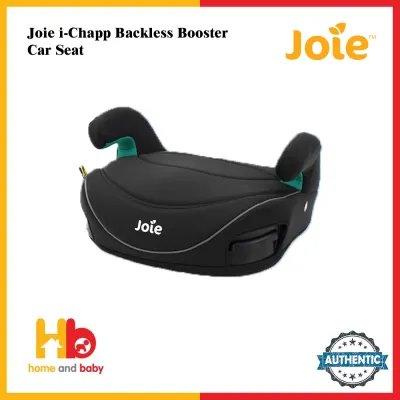
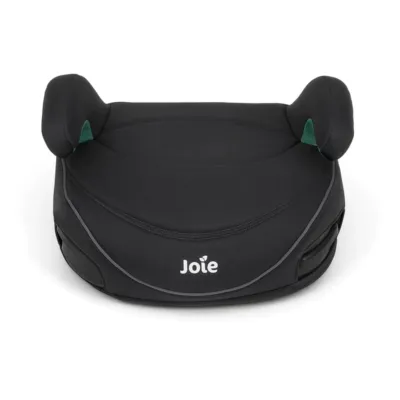
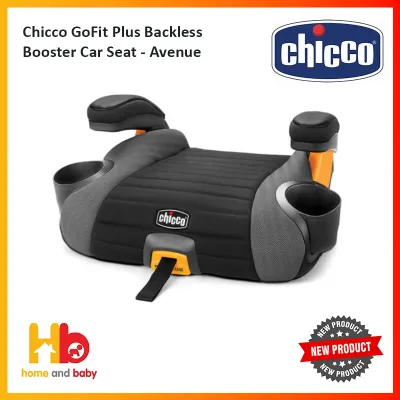
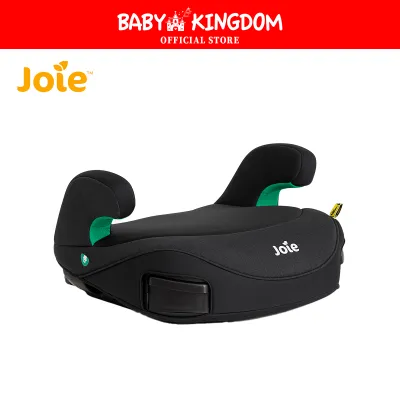
Products mentioned in this guide
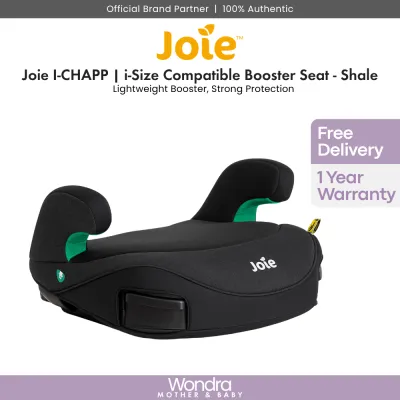
![[SG] Foldable Child Safety Car Booster Seat Compact Travel Portable Baby Seat Blue Pink For 3-13 yrs](https://img.lazcdn.com/g/p/64b57362b4b2ceb65045c329016802cd.jpg_400x400q80.jpg_.webp)
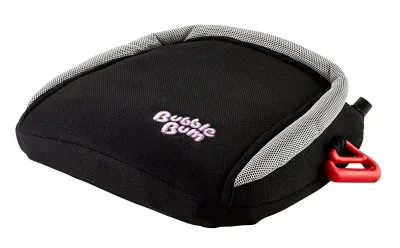
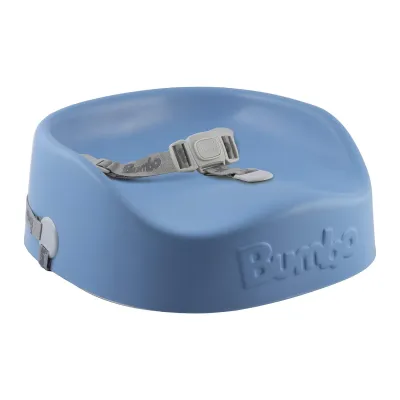
Prices are valid at publication and may change. Please refer to the product page for the latest price.
When a child is approaching the transition height, parents must make decisions based on actual physical measurements rather than age. A child who is nine years old but stands at 1.30 metres still legally requires a booster seat. Conversely, a tall seven-year-old who has already crossed the 1.35-metre mark can legally transition to the vehicle’s standard seat belt, provided it fits them safely.
To ensure you are always aligned with the latest legal standards, it is highly recommended to verify regulatory updates directly through official channels. The Singapore Traffic Police and the Land Transport Authority regularly publish updates regarding road safety rules and vehicle standards. Checking these official portals ensures you receive accurate, up-to-date information regarding any amendments to child passenger safety laws.
Types of Approved Child Restraints and Booster Seats
When selecting a booster seat to comply with Singapore regulations, parents generally choose between two primary designs: high-back boosters and backless boosters. High-back boosters feature an integrated backrest and head support, which help guide the vehicle’s shoulder belt across the child’s chest while offering additional lateral protection. Backless boosters simply raise the child’s seating position so the vehicle’s seat belt aligns correctly with their body.

To be legally compliant in Singapore, any booster seat used must meet recognized international safety standards. Parents should look for specific certification marks on the product labels before purchasing. Approved standards include the United Nations standard (ECE R44/04 or UN R129), the American standard (FMVSS 213), the British standard (BS 3254), the Australian standard (AS 1754), or the Japanese standard (JIS D0401). A booster seat lacking these certification labels may not meet local legal requirements.
Using second-hand or expired booster seats introduces significant compliance and safety risks. Booster seats are manufactured with plastic and foam materials that degrade over time, especially when exposed to the high temperatures and intense ultraviolet radiation common in Singapore’s tropical climate. This degradation can make the seat brittle and prone to cracking under the force of an impact.
Furthermore, a second-hand booster seat may have been involved in a previous collision, which can compromise its structural integrity without leaving visible external damage. Many manufacturers print an expiration date directly on the plastic shell of the seat, which typically ranges from six to ten years from the date of manufacture. Parents must verify this date and inspect the seat’s history thoroughly before allowing a child to use it.
Proper Installation and Usage for Legal Compliance
Securing a booster seat correctly is just as important as choosing the right model. For a booster seat to function as intended, the vehicle’s three-point seat belt must be routed precisely through the designated guides on the booster. The lap belt portion must sit low across the child’s hips and pelvis, anchoring against the strong pelvic bones rather than the soft abdominal area.
The shoulder belt must cross the middle of the child’s shoulder and chest, staying clear of both the neck and the face. To achieve this correct positioning, parents must carefully consult both the vehicle’s owner manual and the booster seat manufacturer’s instruction guide. Different vehicles have varying seat angles, belt anchor points, and headrest designs that can affect how a booster seat rests on the vehicle seat.
Common installation and usage errors can completely compromise the legal compliance and safety of an approved booster seat. One frequent mistake is allowing the seat belt to become twisted within the belt guides, which concentrates the force of an impact onto a narrow strip of webbing. Another error is routing the lap belt over the booster seat’s armrests instead of through the lower guides, which can cause the belt to ride up into the child’s abdomen during a sudden stop.
Parents should also actively supervise their children to ensure they do not tuck the shoulder strap behind their back or under their arm. This dangerous habit leaves the upper body completely unrestrained, leading to severe forward movement during a collision. Regularly checking the belt fit at the start of every journey helps maintain compliance and ensures the safety system works effectively.
Exemptions, Taxis, and Private Hire Cars
Navigating child restraint laws in Singapore requires understanding how different types of commercial passenger vehicles are treated under the law. Public taxis are legally exempt from the child restraint requirement. This exemption exists because taxis are considered public transport, and it is recognized that passengers may hail them spontaneously without carrying a booster seat. In a taxi, a child under 1.35 metres is legally permitted to travel in the rear seat using the standard seat belt.
In contrast, private hire cars booked through ride-hailing applications are not exempt from these regulations. Because private hire trips are pre-booked, drivers and passengers have the opportunity to plan ahead. Consequently, any child under 1.35 metres travelling in a private hire car must be secured in an appropriate child restraint or booster seat. Failing to do so constitutes a traffic offense for both the driver and the parent.
To manage this requirement, parents who frequently use private hire services can invest in highly portable, travel-friendly booster options. Several compact, foldable booster seats and wearable vest restraints meet approved international safety standards and can easily fit into a backpack or stroller basket. These portable solutions allow families to maintain legal compliance and safety while using ride-hailing services.
It is crucial to remember that a legal exemption does not equal a safety exemption. The physical forces involved in a vehicle collision remain identical whether the child is riding in a private car, a private hire vehicle, or a public taxi. Parents should assess the risks carefully and strive to use a portable booster seat or restraint system whenever possible, even when travelling in legally exempt vehicles.
Penalties for Non-Compliance and Safety Risks
Failing to comply with Singapore’s child restraint laws carries serious legal consequences for drivers. If a driver is caught transporting a passenger under 1.35 metres without an approved restraint or booster seat, they can face composition fines and demerit points. For serious or repeat offenses, the matter may be referred to court, where penalties can include higher fines or even custodial sentences under the Road Traffic Act.
Beyond the legal penalties, the physical risks to an unrestrained or improperly restrained child during a collision are severe. When a child who is too short uses a standard adult seat belt, a sudden deceleration can cause “seat belt syndrome.” This occurs when the lap belt slides up into the soft abdomen, causing internal bleeding and organ damage, while the shoulder belt can cause severe neck injuries.
In a high-speed collision, an improperly positioned seat belt may fail to hold the child in place, leading to dangerous contact with the vehicle’s interior or even ejection from the vehicle. These physical risks highlight why proper booster seat usage is a critical safety measure rather than a mere administrative rule.
Following any vehicle accident, even a minor bumper scratch, parents must perform a thorough inspection of the booster seat and the vehicle’s seat belts. The forces of a collision can stretch the seat belt webbing and cause microscopic fractures in the booster seat’s plastic frame. Most manufacturers recommend replacing a booster seat immediately after any accident, as its ability to protect the child in a subsequent impact may be severely compromised.
Frequently Asked Questions (FAQ)
Can my child use a backless booster seat in Singapore?
Yes, your child can legally use a backless booster seat in Singapore, provided they meet the minimum height and weight requirements specified by the seat’s manufacturer. Most backless booster models are certified for children who weigh at least 15 to 22 kilograms and have reached a height where the vehicle’s shoulder belt can be positioned safely across their chest.
While backless boosters are legally compliant and highly portable, they do not offer the same level of side-impact protection as high-back boosters. High-back models feature side wings and headrests that help absorb impact forces and keep the child’s head and torso aligned during a side collision. Parents should weigh these safety benefits against the convenience of a backless model when choosing a booster seat.
What happens if my child is tall but under the legal age limit?
In Singapore, physical height is the primary legal metric used to determine whether a child requires a booster seat. If your child has reached or exceeded 1.35 metres in height, they are legally permitted to use the standard adult seat belt without a booster seat, regardless of their age.
However, before transitioning your child fully to the vehicle’s seat belt, you should perform a manual fit test. Ensure that your child can sit with their back flat against the vehicle seat back, their knees bending comfortably over the edge of the seat cushion. The lap belt must rest low across their hips, and the shoulder belt must lie flat across the center of their shoulder. If the belt rides up onto their neck or face, they should continue using a booster seat for safety.
Community discussion
Share your experience or ask a question. Comments are reviewed before publication.