
In Singapore, child passenger safety is strictly regulated under the Road Traffic Act to protect young passengers from severe injury during travel. Anyone below the height of 1.35 metres, regardless of age, must be secured with an approved child restraint, booster seat, or adjustable seat belt helper when travelling in a motor vehicle. Failing to do so is a traffic offense that carries legal penalties for the driver.
The primary legal metric for child restraints in Singapore is height rather than age. Standard vehicle seat belts are designed for adults who are at least 1.35 metres tall. For children below this height, a standard seat belt cannot rest safely across the body, often riding up across the neck or abdomen, which can cause severe internal injuries in a sudden stop or collision.
Using a booster seat is a critical transition phase that bridges the gap between a harnessed car seat and the vehicle’s standard seat belt. By raising the child to the correct height, the booster seat ensures that the vehicle’s safety systems function as intended. Parents must understand how local laws define compliant restraints and how to transition their children safely through different seating phases as they grow.
Products mentioned in this guide
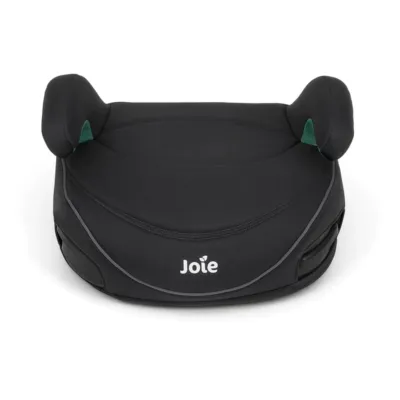
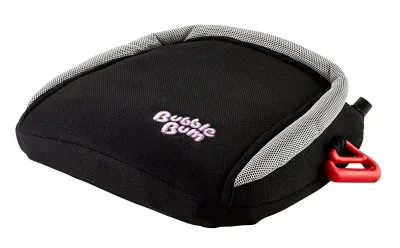
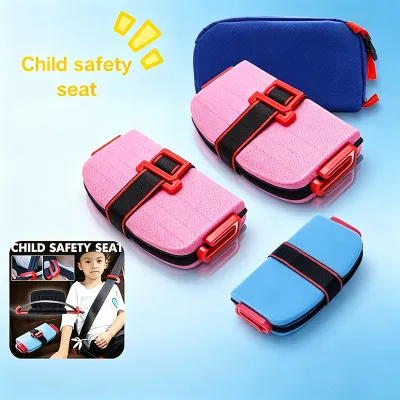
![Easyhome.sg [Child SAFETY] Baby Booster Car Seat Chair – Toddler Safety Travel Carrier for Children](https://img.lazcdn.com/g/p/8cf856890dd672e6f3804f0bc6e8503d.png_400x400q80.png_.webp)
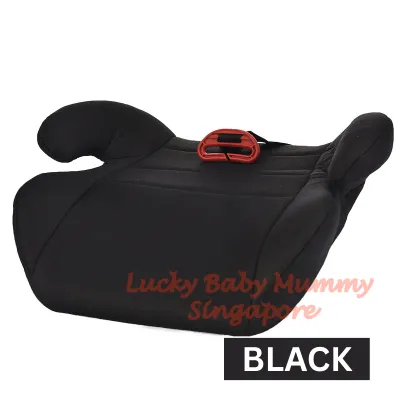
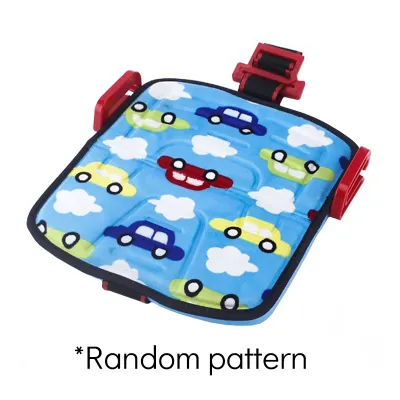
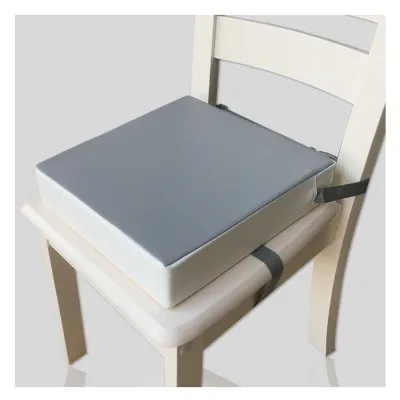
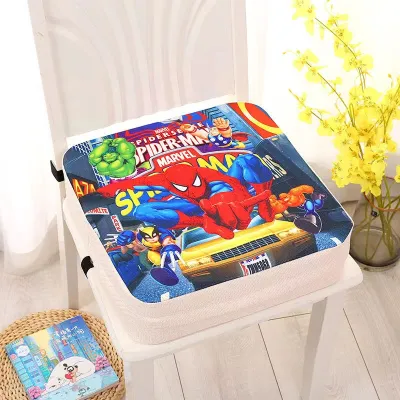
Prices are valid at publication and may change. Please refer to the product page for the latest price.
Understanding the Core Legal Mandate for Child Restraints
Under Singapore’s traffic regulations, any passenger under 1.35 metres tall must use an approved child restraint appropriate for their height and weight. While age is often used as a general developmental guideline by parents, the law prioritizes physical height to ensure seat belt effectiveness. This means even an older child who has not yet reached the height threshold must legally continue using a compliant booster seat.
The transition phases for child passengers typically follow a progression based on physical development. Children start in rear-facing infant car seats, transition to forward-facing harnessed seats, move to booster seats (high-back or backless), and finally transition to using the vehicle’s standard adult seat belt once they exceed 1.35 metres. Parents should consult official traffic police guidelines to verify the latest regulatory thresholds and definitions.
To be legally compliant, the restraint system used must be appropriate for the child’s build and must meet recognized safety standards. It is the driver’s responsibility to ensure that every passenger under the height limit is secured in a compliant device before starting the journey. Parents must verify the age, weight, and size suitability of any restraint using the manufacturer’s official documentation rather than relying on generic product names.
Because traffic laws and enforcement guidelines can be updated, parents should regularly check official government portals, such as the Singapore Police Force or Land Transport Authority websites, to confirm the exact current legal definitions and any amendments to child passenger safety mandates. Staying informed ensures that your family remains compliant and safe on local roads.
Approved Booster Seat Types and Safety Standards
When selecting a booster seat, parents generally choose between high-back boosters and backless booster cushions. High-back boosters provide additional side-impact protection and feature integrated belt guides that position the shoulder belt correctly across the chest. Backless booster cushions simply raise the child so the vehicle’s seat belt fits properly, making them more portable but offering less lateral support.

Both types are generally permitted under Singapore law, provided they meet recognized international safety standards. However, safety experts often recommend keeping children in a high-back booster for as long as possible, especially until they outgrow the height or weight limits specified by the manufacturer. High-back models offer crucial head and neck support that backless cushions cannot provide.
Compliant booster seats in Singapore typically carry certification marks from recognized international bodies. These include the European standard (such as UN ECE R44/04 or UN R129/i-Size), the American standard (FMVSS 213), or equivalent recognized certifications from Japan, Australia, or Great Britain. Parents must verify these certification labels on the physical product before purchase, as standards are dynamic and subject to updates.
Before using any booster seat, always inspect the manufacturer’s height and weight limits printed on the seat’s compliance label or detailed in the product manual. Never assume a seat is suitable based on a child’s age alone. If you are unsure about a product’s certification status or suitability, consult the manufacturer or a qualified child passenger safety technician for professional guidance.
Proper Usage and Installation to Ensure Compliance
A booster seat works by positioning the vehicle’s three-point adult seat belt correctly over the child’s body. The lap belt must sit low across the child’s hips and upper thighs, not across the soft abdomen. The shoulder belt must cross the center of the shoulder and chest, avoiding the neck and face. Incorrect belt routing can lead to severe injury during a collision and may be deemed non-compliant during police checks.
A frequent error is allowing the shoulder belt to slip behind the child’s back or under their arm, which completely compromises the restraint’s effectiveness. Another mistake is failing to secure the booster seat itself when it is unoccupied. An unsecured booster seat can become a dangerous projectile inside the cabin during a sudden stop, potentially injuring other passengers.
Under Singapore traffic laws, it is generally illegal for a child under 1.35 metres to travel in the front passenger seat unless they are secured in an approved child restraint. However, even with a booster seat, placing a child in the front seat is highly discouraged due to the extreme force of deploying passenger airbags. The rear seat remains the safest location for children.
If a child must ride in the front seat using an approved booster, the vehicle’s passenger airbag must be deactivated, and the vehicle seat should be slid as far back as possible. Parents should consult both the vehicle manual and the booster seat manufacturer’s instructions to verify if front-seat installation is permitted for their specific models. If you cannot deactivate the airbag, the child must ride in the rear.
Penalties for Non-Compliance and Vehicle Exemptions
Drivers who fail to ensure that passengers under 1.35 metres are properly secured face legal penalties. This typically involves a composition fine measured in S$ and demerit points added to the driver’s license. For serious or repeat offenses, drivers may be prosecuted in court, leading to significantly higher fines or potential jail time.
Because fine structures and demerit point allocations can change, drivers should consult the latest traffic police schedules on official government websites to verify current penalty rates. Keeping track of these updates is essential for maintaining a clean driving record and ensuring passenger safety.
Under Singapore law, public taxis are generally exempt from the child restraint requirement, allowing children under 1.35 metres to travel in the rear seat using standard seat belts. This exemption recognizes the impracticality of taxis carrying multiple child seats for spontaneous hires. However, parents are still encouraged to use portable booster seats or ride-sharing safety vests whenever possible to protect their children.
Unlike public taxis, private-hire cars booked via ride-hailing apps are not exempt from the child restraint law. Passengers travelling with children under 1.35 metres in a private-hire vehicle must provide their own compliant booster seat or book a specific ride-hailing service tier that includes an approved child restraint. Drivers of private-hire vehicles have the legal right to reject passengers who do not have appropriate restraints for their children.
Ultimately, the legal responsibility for passenger safety rests on the driver of the vehicle. Whether driving a personal car or operating a private-hire service, the driver must ensure all passengers are legally secured before moving, making it essential to understand and enforce these rules on every journey.
Frequently Asked Questions (FAQ)
Can my child use a booster seat in the front passenger seat?
While Singapore law permits children under 1.35 metres to ride in the front seat if they are secured in an approved child restraint, it is highly discouraged by safety experts. If you must use a booster seat in the front, you must ensure the passenger airbag is deactivated, as airbag deployment can cause severe injury to a child. Always check your vehicle’s manual and the booster seat instructions to verify compatibility and safety steps before placing a child in the front.
Are backless booster cushions still legal in Singapore?
Yes, backless booster cushions remain legal in Singapore, provided they carry an approved international safety certification label (such as UN ECE R44/04 or UN R129) and are appropriate for your child’s height and weight. However, parents should verify the manufacturer’s specific guidelines, as many backless boosters are only approved for children above a certain height or weight threshold. For optimal protection, especially against side impacts, safety professionals recommend using a high-back booster seat until your child outgrows its limits.
Community discussion
Share your experience or ask a question. Comments are reviewed before publication.