
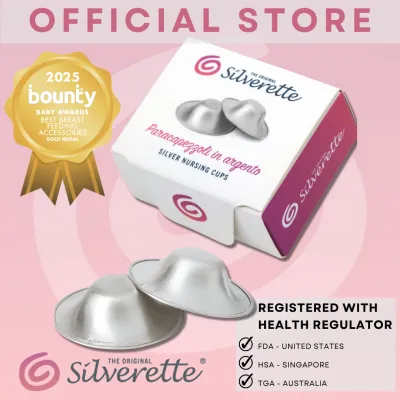
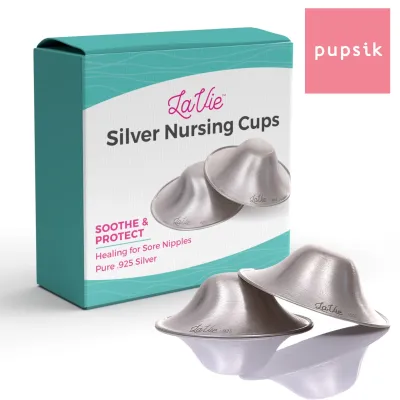
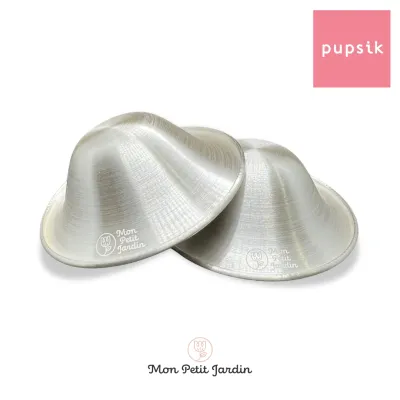
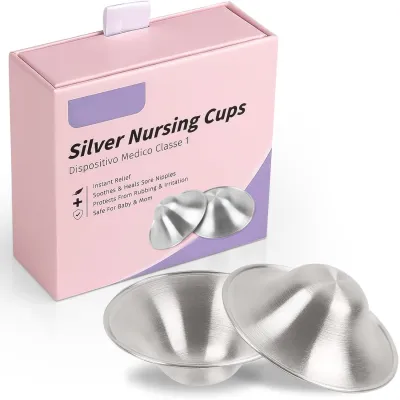
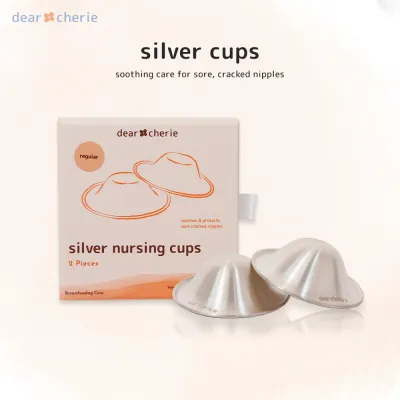
Breastfeeding is a deeply rewarding bonding experience, but the physical demands of the early weeks can sometimes leave your nipples feeling incredibly sore, tender, or even cracked. If you are searching for relief, you have likely come across the silver nursing cup—a small, dome-shaped shield designed to sit directly over your nipple inside your bra. These cups are primarily designed to act as a physical shield against the constant friction of clothing and to foster a moist healing environment between feeding sessions.
However, before purchasing a pair, it is crucial to understand what they can and cannot do. While they are highly effective at soothing surface irritation and protecting healing skin, they do not resolve the root causes of breastfeeding pain, such as an improper latch or an underlying infection. This guide will help you evaluate your specific symptoms, understand how these cups function, and determine whether they are the right addition to your breastfeeding journey.
How Silver Nursing Cups Work to Protect Sore Nipples
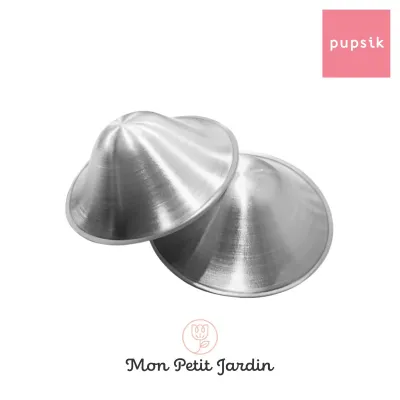
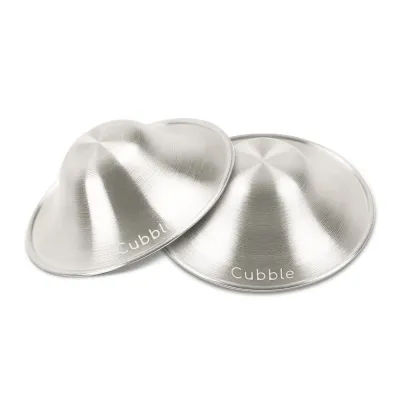
To understand whether these cups are right for you, it is helpful to look at the mechanics of how they interact with your skin. The most immediate benefit is purely physical. When your nipples are highly sensitized, even the softest organic cotton nursing bra or disposable breast pad can feel like sandpaper. A silver nursing cup acts as a rigid, protective dome. It creates a structural buffer that prevents fabric from touching, rubbing, or compressing the delicate nipple tissue, allowing it to rest and recover undisturbed between feeds.
Products mentioned in this guide
![[US Version] Silverette Silver Nursing Nipple Cups 1 Pair (2 Sizes)](https://img.lazcdn.com/g/p/f0ddf90c28d6a6aa4cff0afb63ae665f.jpg_400x400q80.jpg_.webp)
Prices are valid at publication and may change. Please refer to the product page for the latest price.
Beyond physical protection, these cups leverage the principles of moist wound healing. Traditionally, mothers were advised to let sore nipples dry out until they scabbed over. Modern clinical understanding, however, shows that skin heals more efficiently and with less scarring when kept in a clean, moist environment. By trapping a few drops of your own breast milk—which is naturally rich in protective antibodies—against the nipple, the cup prevents the skin from drying out. This prevents the formation of hard scabs that frequently stick to nursing pads and tear open again during the next feeding session, breaking the painful cycle of constant re-injury.
The material itself is another key aspect. Silver has been associated with natural antimicrobial properties across various cultures and historical periods. When exposed to moisture, silver ions are believed to help maintain a clean environment. However, because modern manufacturing processes and silver purity levels vary widely, you should always check the manufacturer’s specific specifications and material certifications. Rather than relying solely on antimicrobial claims, it is best to view the physical barrier and the moist healing microclimate as the primary, observable mechanisms that support your skin’s recovery.
Signs a Silver Nursing Cup Could Help Your Breastfeeding Journey
Mild to Moderate Nipple Soreness and Friction
In the first few weeks of breastfeeding, your body undergoes a massive adjustment. Even with a correct latch, the sheer frequency of feeds can leave your nipples feeling bruised, tender, or generally raw. This discomfort is often exacerbated by the constant movement of your clothes as you walk, tend to your baby, or go about your daily routine. If you find yourself flinching every time your shirt brushes against your chest, a silver nursing cup can provide immediate physical relief. By keeping your clothing completely suspended away from the sensitive skin, it allows the tissue to calm down and heal without continuous micro-abrasions from your bra.

Superficial Cracking or Scabbing
If your nipples have developed minor surface cracks, tiny cuts, or shallow grazes, you are likely familiar with the dreaded ‘sticking’ phenomenon. Traditional disposable or cloth nursing pads absorb breast milk leakage, but as that milk dries, it acts like a glue, bonding the fabric of the pad directly to your healing skin. When you pull the bra down to feed your baby, the scab or healing tissue is violently torn away, causing sharp pain and resetting the healing clock. Placing a silver cup over the nipple prevents any fabric contact. The small reservoir of milk kept within the cup ensures the skin remains pliable and soft, eliminating the risk of fabric adherence and allowing superficial cracks to mend continuously.
Extreme Nipple Sensitivity or Vasospasm
Some mothers experience intense sensitivity immediately after a feeding session, sometimes triggered by exposure to cool air or sudden temperature changes. This condition, which can sometimes manifest as vasospasm (where blood vessels constrict, causing the nipple to turn white, blue, or purple and burn or throb), is incredibly uncomfortable. In Singapore’s humid climate, the transition from warm outdoor air to air-conditioned indoor spaces can sometimes trigger these painful spasms. A silver nursing cup acts as an insulating shield, keeping the nipple protected from sudden drafts and maintaining a more stable, warm temperature. This protective buffer minimizes the environmental triggers that cause hyper-sensitive nerves to flare up.
When You Should Skip the Cup and Seek Professional Help
While silver cups are excellent supportive tools for superficial irritation, they are not a cure-all. Recognizing when your discomfort requires professional medical intervention is vital for your health and your baby’s nutrition.
Poor Latch and Positioning Issues
The most common cause of nipple pain and damage is an incorrect latch or poor positioning. If your baby is shallowly latched, their tongue and hard palate will compress the nipple tissue, causing deep bruising, misshapen nipples post-feed, and severe pain during the feed itself. While a silver cup can soothe the surface between feeds, it cannot correct a mechanical latch issue. Relying on the cup to mask the pain without addressing the latch can lead to progressive, deep tissue damage, clogged ducts, and a drop in your milk supply because the baby cannot transfer milk efficiently. If you experience severe pain while your baby is nursing, you should consult an International Board Certified Lactation Consultant (IBCLC) or a healthcare provider in Singapore to evaluate and correct the latch.
Signs of Infection, Mastitis, or Thrush
A physical barrier like a silver cup cannot cure or treat bacterial or fungal infections. If you develop thrush (a yeast infection of the breast and baby’s mouth) or mastitis (an inflammation or infection of the breast tissue), using a cup without medical treatment can worsen the condition. In fact, trapping moisture in a warm cup can sometimes create an ideal breeding ground for yeast if an infection is already present. You must monitor your breasts for red-flag symptoms. These include localized heat, spreading redness, swelling, flu-like symptoms, fever, deep shooting pains during or after feeds, or shiny, flaky skin on the areola. If you notice any of these signs, stop using the cups immediately and seek medical attention from a qualified healthcare professional.
Severe Tissue Damage or Deep Fissures
If your nipples have deep, bleeding cracks, open wounds, or chunks of missing tissue, a standard nursing cup is not sufficient. Deep fissures are highly vulnerable to bacterial colonization and require specialized wound care. Using a cup over a deep, actively bleeding wound without professional guidance can trap bacteria and delay proper healing. If your skin is severely broken, consult your doctor or a lactation specialist. They can recommend appropriate, sterile medical-grade dressings, prescription ointments, or alternative feeding therapies to keep you and your baby safe while your breast tissue heals.
Practical Guide: Choosing and Using Your Nursing Cup Safely
To get the most out of your silver nursing cups and protect your breast health, you must select the correct product and maintain strict hygiene practices.
When shopping, pay close attention to sizing. A cup that is too small will compress your nipple or press tightly into your areola, which can restrict blood flow, pinch milk ducts, and lead to painful blockages. Conversely, a cup that is too large may shift constantly, failing to provide a secure barrier. Most reputable brands offer sizing guides based on your bra cup size or areola measurements. Always measure yourself carefully according to the specific brand’s instructions rather than guessing your size.
Hygiene is paramount, especially in humid climates where bacteria and yeast thrive. To clean your cups safely without damaging the metal:
- Rinse them daily under warm, running tap water.
- Use a mild, fragrance-free dish soap if recommended by the manufacturer, but avoid harsh chemicals, bleach, or abrasive scrubbing sponges that can scratch the smooth metal surface.
- Do not boil the cups or place them in a steam sterilizer unless the manufacturer explicitly states it is safe to do so, as extreme heat can warp certain metals or degrade specialized finishes.
- Always dry them thoroughly with a clean, lint-free cloth before putting them back on.
Remember to always read and follow the specific care and usage instructions provided by your product’s manufacturer. If you experience increased pain, notice deep red indentations around your areola, or feel any localized throbbing while wearing the cups, remove them immediately. This is a clear stop-condition; you should reassess the fit or consult a professional before trying them again.
Frequently Asked Questions (FAQ)
Can I wear a silver nursing cup while sleeping?
Yes, you can wear silver nursing cups while sleeping, and many mothers find this incredibly helpful to prevent painful friction from pajamas or sheets as they toss and turn. However, you must ensure the cups fit loosely enough that they do not dig into your breast tissue when you lie down. If you sleep on your stomach or side, the pressure of your body weight can push the edges of the cup into your skin, potentially compressing milk ducts or restricting local circulation. If you wake up with deep indentations or discomfort, it is best to avoid wearing them overnight or adjust your sleeping position.
Do I need to wash my nipples before feeding if I use a silver cup?
Generally, you do not need to wash your nipples before every feeding session if you are using a clean silver cup. Breast milk contains natural protective factors, and a small amount of residue on your skin is safe for your baby. However, you should always follow the specific hygiene recommendations provided by your cup’s manufacturer. If you are using any nipple creams, ointments, or if you suspect any skin changes, wiping your breast gently with a damp, warm cloth before latching your baby is a sensible precaution.
How long should I wear a silver nursing cup each day?
Silver nursing cups are typically designed to be worn continuously between feeding sessions during the active healing phase. However, your skin also benefits from fresh air. It is a good practice to monitor your skin regularly for signs of excessive moisture buildup, such as maceration (where the skin becomes white, soggy, or overly soft). If you notice your skin looks waterlogged, remove the cups and allow your nipples to air-dry completely for a few hours. Once your nipples have fully healed and are no longer sensitive to clothing friction, you can stop using the cups entirely.

Community discussion
Share your experience or ask a question. Comments are reviewed before publication.