
Breastfeeding is a deeply rewarding bonding experience, but the early weeks often bring unexpected physical challenges. For many mothers in Singapore, sore, cracked, or sensitive nipples can make the nursing journey feel incredibly daunting. While addressing the root cause of discomfort is essential, finding immediate, soothing relief between feeds is a top priority.
A silver nipple shield—often referred to as a silver nursing cup—has become a highly recommended tool for postpartum recovery. Worn directly over the nipples inside a nursing bra, these small, dome-shaped cups protect damaged skin, harness the natural properties of silver, and promote faster healing. They offer a physical barrier against friction while maintaining a beneficial microclimate for the skin.
However, not all silver cups are created equal. When shopping for a silver nipple shield, you must evaluate specific material standards, sizing dimensions, and structural designs to ensure safety and comfort. Understanding how these shields function and what features to look for will help you make an informed decision for your breastfeeding journey.
Products mentioned in this guide
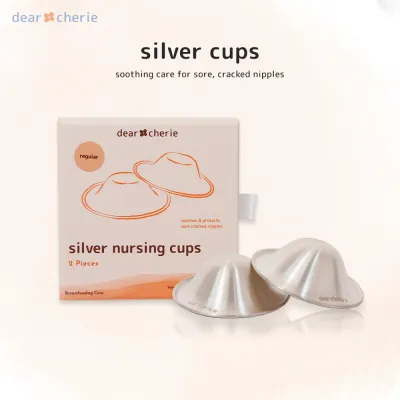
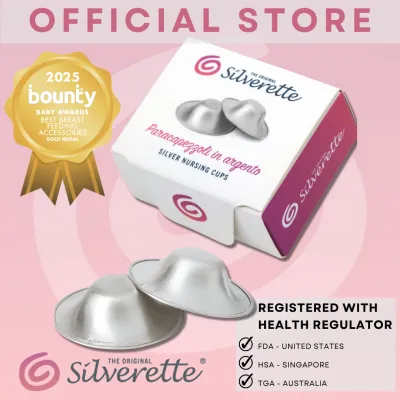
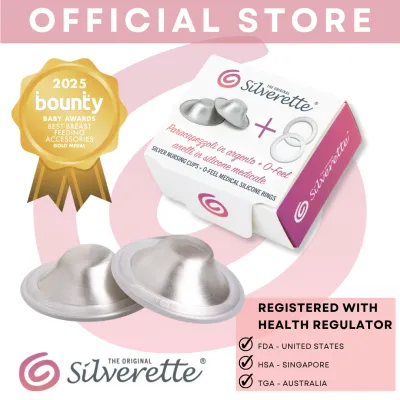
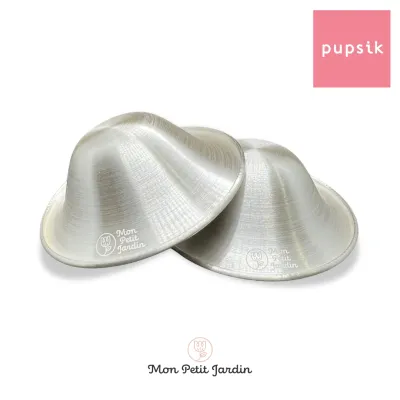
Prices are valid at publication and may change. Please refer to the product page for the latest price.
How Silver Nipple Shields Aid Breastfeeding Recovery
To understand why a silver nipple shield is so effective, it helps to look at how skin heals. Traditionally, mothers were advised to let cracked nipples air-dry or apply thick lanolin creams. Modern wound-care principles, however, show that skin heals more efficiently in a clean, moist environment. Silver nursing cups naturally facilitate this by trapping a few drops of your own breast milk against the nipple. Breast milk contains natural antibodies and nutrients that assist in skin repair, and keeping this area hydrated prevents the formation of hard scabs that painfully reopen during subsequent feeding sessions.
Beyond moisture retention, these cups serve as an indispensable physical shield. After a feeding session, even the softest cotton nursing bra or disposable breast pad can feel like sandpaper against raw skin. By placing a solid silver cup over the nipple, you eliminate all direct friction from clothing. This allows the skin to rest and regenerate without constant irritation, making daily movement and wearing structured clothing significantly more comfortable.
It is equally important to understand what a silver nipple shield cannot do. While they are exceptional at soothing and protecting damaged tissue, they are not a cure for underlying breastfeeding issues. Nipple damage is most frequently caused by a shallow latch, improper positioning, or anatomical factors such as an infant tongue-tie. Silver cups will treat the symptoms of this friction, but they will not correct the mechanical cause of the pain.
If you are experiencing severe, persistent, or worsening pain during or after nursing, you should consult a certified lactation consultant or a healthcare professional. A professional can evaluate your baby’s latch and ensure you are receiving the right clinical support alongside your physical recovery tools.
Key Selection Criteria for Silver Nipple Shields
Selecting the right silver nipple shield requires careful attention to product specifications. Because these cups sit directly against highly sensitive, compromised skin and come into contact with milk your baby will ingest, safety and quality standards must be verified before purchase.

Material Purity and Safety
When evaluating different brands, the purity of the metal is your most critical consideration. Look for products explicitly labeled as 925 sterling silver or 999 pure silver. Sterling silver contains 92.5% pure silver alloyed with other metals (usually copper) to provide structural strength, while 999 silver is almost entirely pure but much softer and more prone to bending.
You must carefully avoid unverified, low-cost alloys available on generic online marketplaces. These budget alternatives often contain trace amounts of nickel, lead, or other heavy metals. Nickel is a common skin allergen that can trigger contact dermatitis, worsening your inflammation and causing severe itching or rashes. Always check the manufacturer’s documentation for material safety certifications or food-grade compliance statements to ensure no harmful substances can leach into your breast milk.
Cup Depth and Diameter
Silver cups are not one-size-fits-all, and choosing the wrong size can lead to physical discomfort or restricted milk flow. Most brands offer at least two sizes: a standard size and an extra-large or maxi size. To find your fit, you need to consider both your areola diameter and the projection of your nipple.
If a cup is too shallow or narrow, the metal will press directly against the tip of your nipple or pinch the sensitive tissue at the base. This localized pressure can cause painful skin indentations, restrict blood circulation (leading to nipple blanching), or compress milk ducts, which may increase the risk of localized milk stasis. Conversely, a cup that is too large may shift constantly inside your bra, failing to maintain a secure seal over the areola. Measure your nipple base and overall areola size according to the manufacturer’s sizing guide before making your selection.
Edge Design
Pay close attention to the finish of the cup’s outer rim. The edges of the shield should be smoothly rolled, rounded, or tapered. When you wear a nursing bra, the bra cup presses the silver shield against your breast tissue. If the edges are sharp, flat, or poorly finished, they will dig painfully into your skin, leaving deep red rings and causing bruising, especially when your breasts become engorged with milk. A rolled edge distributes the pressure evenly, ensuring the shield remains comfortable during long periods of wear.
Thickness and Weight
A high-quality silver shield strikes a balance between durability and physical comfort. If the metal is too thin, the cups can easily warp, dent, or bend out of shape during routine cleaning or when packed in a diaper bag. Once a cup loses its symmetrical dome shape, it may no longer fit your breast anatomy correctly. However, the shield should not be excessively heavy. Heavy cups can drag down on sensitive breast tissue or slip out of place easily inside your bra, requiring constant manual adjustment.
Comparing Design Variations Available in Online Stores
As you browse online e-commerce platforms and specialty baby boutiques in Singapore, you will encounter several distinct design variations. Each variation caters to different levels of skin sensitivity, leakage volume, and lifestyle preferences.
Standard Solid Cups
Standard solid cups feature a continuous, unperforated dome design. These are the traditional option and remain the most effective choice for mothers dealing with severe cracking, bleeding, or intense soreness. By completely enclosing the nipple, they maximize moisture retention, ensuring that natural breast milk remains in constant contact with the damaged skin to accelerate healing. The primary drawback is that they do not allow for airflow, and if you leak heavily between feeds, milk can pool inside the cup, requiring you to empty and wipe them down frequently to avoid skin maceration.
Vented or Slotted Cups
To address the issue of excess moisture, some manufacturers offer vented or slotted silver cups. These designs incorporate small ventilation holes or slots near the top or sides of the dome. The primary benefit of vented cups is improved airflow, which helps keep the skin dry and comfortable in Singapore’s warm, humid tropical climate. It also allows excess leaked milk to escape into a disposable or washable breast pad worn over the cup. However, because they allow moisture to evaporate, they do not provide the same level of intensive, moist wound healing as solid cups, making them better suited for mild soreness or preventative wear.
Ergonomic or Contoured Shapes
Standard silver cups can sometimes create a distinct, pointed silhouette underneath thin or unpadded bras, which some mothers find visually noticeable. To address this aesthetic concern, contoured or anatomical designs are shaped to mimic the natural curve of the breast more closely. These cups sit flatter against the skin, offering a highly discreet profile under clothing while maintaining a protective dome over the nipple tip. They provide excellent physical protection and comfort, though they may carry a higher price point due to the more complex manufacturing process.
Design Comparison Matrix
To help you determine which style matches your current breastfeeding needs, consider the following comparison of key design characteristics:
| Design Type | Protection Level | Airflow | Moisture Retention | Best Use Case |
|---|---|---|---|---|
| Standard Solid Cups | Maximum physical barrier | None | High (keeps milk on skin) | Severe cracking, bleeding, and deep soreness |
| Vented or Slotted Cups | Moderate physical barrier | High | Low (promotes drying) | Mild soreness, heavy milk leakage, humid climates |
| Ergonomic Contoured | High physical barrier | Low to Moderate | High | Discreet daytime wear under thin clothing |
Proper Usage, Cleaning, and Maintenance Steps
To ensure your silver nipple shields remain hygienic and function effectively over time, you must establish a consistent routine for application, cleaning, and storage.
How to Position the Shield
Applying the shield correctly is straightforward but requires gentle handling. Before placing the cup on your breast, express a small drop of breast milk and smear it over your nipple and areola. Place the silver cup directly over the nipple, centering the dome so that your nipple sits comfortably in the middle without being bent or pinched.
Once the cup is in place, gently pull your nursing bra over it. The bra should be supportive enough to hold the cups securely against your skin without compressing them so tightly that the edges dig into your breast tissue. If you experience heavy leaking, place a nursing pad over the outside of the silver cup to catch any overflow.
Daily Cleaning Routine
Because breast milk contains fats and proteins, a film can quickly build up on the silver surface, creating a breeding ground for bacteria if not cleaned promptly. Clean your shields at least once a day using these steps:
- Rinse Immediately: After removing the cups to nurse your baby, rinse them under warm running water to remove fresh milk residue.
- Wash Gently: Use a small drop of mild, fragrance-free dish soap or a baby-bottle cleanser. Gently rub the interior and exterior surfaces with your fingers. Avoid using abrasive sponges, steel wool, or scrubbing brushes, as these will scratch the soft silver surface.
- Rinse Thoroughly: Wash away all soap residue with warm water.
- Dry Completely: Pat the cups dry with a clean, lint-free microfiber cloth or paper towel, or let them air-dry completely on a clean surface. Never store silver cups while they are damp, as residual moisture can encourage fungal growth.
Deep Cleaning and Sterilization
Before sterilizing your silver cups, you must check the manufacturer’s specific care instructions. Pure silver is a sensitive metal, and improper sterilization can permanently ruin the finish.
- Boiling: Many high-quality brands allow you to sterilize the cups by placing them in boiling water for 1 to 2 minutes. Do not leave them in boiling water for extended periods, and ensure they do not rest directly against the hot bottom of the pot.
- Avoid Harsh Chemicals: Never use chlorine bleach, highly acidic solutions, or harsh chemical sterilizing tablets. These substances will cause rapid oxidation, turning your silver cups black or stripping the protective finish.
- Steam and UV Sterilizers: Some manufacturers warn against using electric steam sterilizers or UV sterilizing cabinets, as the intense dry heat or specific light wavelengths can accelerate tarnishing. Always verify compatibility with your specific brand.
Storage Tips
When you are not wearing your silver shields, store them in a clean, dry, and breathable container. Most reputable brands provide a small cotton or linen drawstring pouch. Avoid storing them in airtight plastic containers while damp, as this traps humidity and can lead to tarnishing or bacterial accumulation. Keep them away from other metal items, keys, or jewelry that could scratch the silver.
Safety Boundaries: When to Stop and Seek Professional Help
While silver nipple shields are an excellent supportive aid, they are not appropriate for every situation. You must remain vigilant about how your body responds to the shields and recognize when it is time to seek professional medical or lactation support.
Recognizing a Poor Fit
If you experience any of the following symptoms while wearing or immediately after removing your silver cups, stop using them temporarily:
- Deep, painful red rings or indentations on your areola.
- Increased throbbing, burning, or shooting pain in your breast tissue.
- Nipple blanching, where the tip of the nipple turns white or blue due to restricted blood flow.
- A noticeable reduction in milk flow or difficulty with breast drainage during nursing sessions, which can occur if the cup edges are compressing your milk ducts.
These symptoms indicate that the cups are either too small, too shallow, or are being pressed too tightly against your breast by your bra. You may need to adjust your bra straps, switch to a larger cup size, or discontinue use.
Identifying Signs of Infection
Because damaged nipple skin provides an entry point for bacteria, you must monitor your breasts closely for signs of infection. Silver has antimicrobial properties, but it cannot prevent or cure a deep-tissue infection. Consult a doctor immediately if you notice:
- Worsening redness that spreads outwards from the nipple or areola.
- Breast tissue that feels hot to the touch, swollen, or unusually firm.
- Pus, yellow discharge, or foul-smelling fluid weeping from the cracked skin.
- Flu-like symptoms, including a fever, chills, body aches, and sudden fatigue.
These symptoms are classic indicators of mastitis or a localized bacterial infection, which require prompt medical evaluation and potential antibiotic treatment.
Distinguishing Skin Irritation from Thrush
If you develop a persistent, burning pain in both nipples that continues throughout the day, or if your baby develops white patches inside their mouth, you may be dealing with thrush (a fungal yeast infection). Thrush thrives in warm, moist, dark environments. Because solid silver cups trap moisture, continuing to wear them during a thrush outbreak can worsen the infection. If you suspect thrush, stop using the cups immediately, consult a healthcare provider for appropriate antifungal treatments for both you and your baby, and ensure your breasts are kept dry.
Ultimately, silver nipple shields should be viewed as a valuable comfort measure rather than a standalone solution. If your nipple pain does not begin to improve after a few days of use, or if your baby is showing signs of poor milk transfer—such as producing fewer wet diapers, failing to gain weight, or remaining constantly fussy after feeds—reach out to a certified lactation consultant. They can help you identify and resolve the root cause of your discomfort, ensuring a safe, healthy, and successful breastfeeding experience.
Frequently Asked Questions (FAQ)
Can I wear silver nipple shields while sleeping?
You can wear silver nipple shields while sleeping, provided you take a few safety precautions. First, check your specific manufacturer’s guidelines, as some brands advise against overnight wear due to the increased risk of the cup shifting and pressing into the breast tissue as you move. If you choose to wear them to bed, ensure you wear a soft, wire-free, and stretchy sleep bra that does not apply excessive pressure. If you experience heavy leaking overnight, monitor your skin regularly to ensure the constant moisture does not lead to skin maceration or irritation.
Do silver nipple shields affect milk supply or let-down?
No, silver nipple shields do not affect your internal milk supply or your let-down reflex when they are sized and positioned correctly. Because they sit entirely on the exterior of your breast between feeding sessions, they do not interfere with the hormonal signals or physical stimulation required for milk production. However, you must remove the silver cups completely before you begin nursing your baby or pumping, as they are not designed to be worn during active milk extraction.
How long should I wear them each day?
Generally, you can wear silver nipple shields throughout the day between your normal feeding or pumping sessions. For optimal skin health, it is highly recommended to remove the cups for a few hours daily to allow your skin to air-out and dry completely, particularly in warm climates. Always adhere to any specific wearing schedules outlined on your product’s packaging, maintain a strict daily cleaning routine, and discontinue use once your nipples have fully healed and are no longer sore.

Community discussion
Share your experience or ask a question. Comments are reviewed before publication.