
Breastfeeding is a deeply rewarding journey, but the physical demands of the early weeks can take a significant toll on your body. Nipple soreness, cracking, and chafing are incredibly common challenges as both you and your baby learn to coordinate a proper latch. When seeking relief, you will likely find yourself choosing between two highly discussed solutions: traditional lanolin cream and modern silver nipple cups, such as those made by Silverette.
Deciding which option is right for you depends largely on the severity of your discomfort, the condition of your skin, and your lifestyle preferences. Lanolin cream is generally sufficient for mild dryness, minor friction, and preventative daily care. It acts as a soothing emollient that keeps the skin pliable and hydrated.
On the other hand, silver nipple cups are typically considered when you are dealing with severe cracking, bleeding, persistent pain, or when even the light touch of your clothing feels unbearable. These cups provide a physical shield against friction while leveraging the natural properties of silver to support recovery. While both products can be valuable tools in your breastfeeding toolkit, persistent pain, deep wounds, or signs of infection require professional evaluation from a lactation consultant or healthcare provider rather than self-treatment.
Products mentioned in this guide
![[US Version] Silverette Silver Nursing Nipple Cups 1 Pair (2 Sizes)](https://img.lazcdn.com/g/p/f0ddf90c28d6a6aa4cff0afb63ae665f.jpg_400x400q80.jpg_.webp)
Prices are valid at publication and may change. Please refer to the product page for the latest price.
Assessing Your Nipple Pain: Signs You Need More Than Cream
Understanding the level of damage to your skin is the first step in choosing the right remedy. Nipple discomfort generally falls into distinct categories, and identifying where you land will guide your treatment strategy.
Mild Discomfort
During the first week or two of breastfeeding, it is common to experience slight soreness or tenderness at the beginning of a feed. This mild discomfort is often accompanied by slight redness or superficial dryness. The skin remains intact without any visible breaks, deep fissures, or bleeding. For this level of irritation, standard topical hydration like lanolin cream is usually entirely adequate to soothe the skin and prevent further chafing.
Moderate to Severe Damage
If you notice deep cracks, open fissures, bleeding, or blistering, your skin barrier has been compromised. This level of damage often causes intense pain that persists between feeding sessions, making even the contact of a loose t-shirt feel agonizing. When the skin is broken, standard creams may not provide enough physical protection from friction, and they can sometimes trap external debris in open wounds. This is the stage where upgrading to a physical barrier like silver nipple cups can provide substantial relief and allow the tissue to heal without constant interruption.
Red Flags (Stop and Consult a Professional)
It is vital to recognize when topical treatments are no longer appropriate or sufficient. If you experience sharp, shooting pain deep within the breast during or after feeds, or if your nipples appear shiny, flaky, or unusually pink, you may be dealing with thrush, a fungal infection.
Similarly, symptoms like a high fever, flu-like body aches, red streaks on the breast, or hard, painful lumps indicate potential mastitis. If you observe pus, green discharge, or extreme heat radiating from the breast, a bacterial infection may be present. None of these underlying medical conditions can be cured by lanolin or silver cups; you must stop self-treating and seek immediate medical attention from a doctor or a certified lactation specialist.
How Lanolin Cream Works (And When It Is Enough)
Lanolin has been a staple in postpartum care for decades. Understanding how this natural substance interacts with your skin can help you maximize its benefits and recognize its practical limits.

Mechanism of Action
Lanolin is a dense, deeply hydrating substance refined from sheep’s wool. When applied to the skin, highly purified lanolin creates a semi-occlusive, moisture-rich barrier. This barrier supports natural moist wound healing, which is widely recognized as more effective than letting wounds dry out and scab over. By keeping the skin hydrated, lanolin prevents the formation of hard scabs. This is crucial because scabs on the nipple are highly prone to tearing open again during the baby’s next feed, which restarts the painful cycle of injury.
Best Use Cases
Lanolin is highly effective as a preventative measure and for treating early-stage irritation. Applying a small, pea-sized amount after each feed helps lock in natural moisture and keeps the skin supple. It is excellent for soothing superficial dryness, windburn, or minor chafing caused by breast pads or nursing bras.
Limitations of Cream
While highly moisturizing, lanolin does not offer any physical structure. If your nipples are highly sensitive to touch, a layer of cream will not stop your bra or breast pad from pressing directly against the raw skin. Furthermore, because lanolin is thick and sticky, it can sometimes adhere to disposable breast pads, causing a painful pull when you remove your bra. It is also less effective for deep, open cracks where a sterile, undisturbed environment is needed for tissue regeneration.
Safety and Selection Checks
Before using any lanolin product, you must verify that it is highly purified, medical-grade, and specifically labeled as safe for breastfeeding. Look for products that are hypoallergenic and free from additives, preservatives, or artificial fragrances. Because lanolin is derived from sheep’s wool, individuals with a known wool allergy must avoid it entirely. You should also monitor your baby for any signs of an allergic reaction or aversion to the scent or texture of the cream.
How Silver Nipple Cups Work (And When to Upgrade)
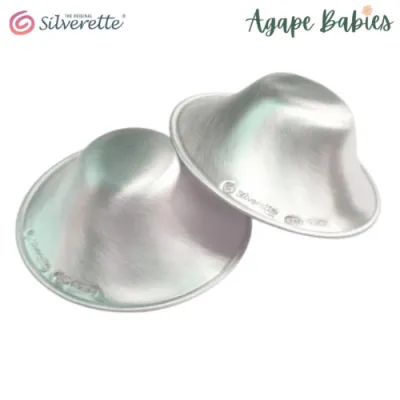
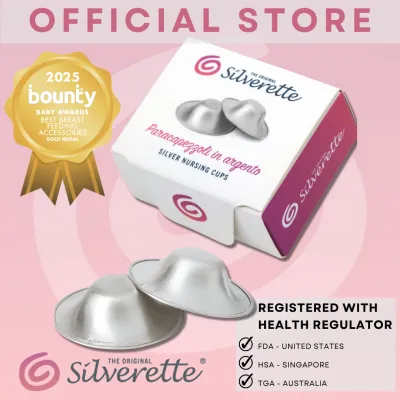
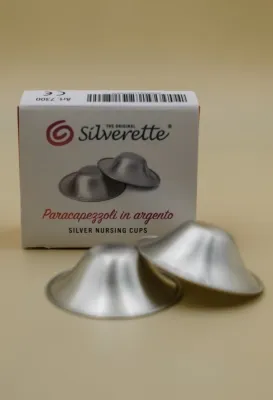
Silver nipple cups are small, dome-shaped cups crafted from sterling silver or trilaminate silver that fit directly over your nipples inside your nursing bra. They have gained immense popularity among breastfeeding mothers seeking an alternative to sticky topical creams.
Mechanism of Action
Silver has long been utilized in medical settings for its natural antimicrobial, antibacterial, and antifungal properties. When silver ions come into contact with moisture, they help inhibit the growth of microorganisms, which can be particularly beneficial when your skin is cracked and vulnerable to infection.
To use them, you express a few drops of your own breast milk into each cup before placing them over your nipples. Your breast milk contains natural antibodies and healing properties, and the cup holds this liquid in constant contact with the damaged tissue. This creates a highly effective, self-contained moist healing environment while physically shielding the nipple from fabric friction.
Best Use Cases
Upgrading to silver cups is highly recommended if you are experiencing severe cracking, bleeding, or extreme sensitivity. If you find yourself dreading the touch of your clothing or if your nipples are sticking to your breast pads, the physical dome of the cup provides an immediate, pain-free air gap. They are also an excellent investment for mothers who prefer a low-maintenance, chemical-free healing process that does not involve constantly reapplying creams.
Fit and Usage Constraints
To ensure comfort and effectiveness, you must choose the correct cup size. Most manufacturers offer standard and large (or XL) sizes. A cup that is too small can compress the areola or pinch the nipple, restricting blood flow and causing additional pain. The cup should comfortably cover the nipple and areola without digging into the surrounding breast tissue. Additionally, remember that these cups are strictly designed to be worn between feeding or pumping sessions; they must be removed entirely before you nurse your baby or apply a breast pump.
Silver Cups vs. Lanolin: A Quick Decision Guide
To help you decide which path to take, it is helpful to compare these two options across several practical dimensions.
| Dimension | Lanolin Cream | Silver Nipple Cups |
|---|---|---|
| Severity of Damage | Best for mild dryness, minor chafing, and daily prevention. | Best for moderate to severe cracks, bleeding, and intense soreness. |
| Physical Protection | Low; does not prevent clothing or breast pads from rubbing the skin. | High; provides a solid physical dome that shields the nipple from friction. |
| Upfront Cost | Low (typically S$15 to S$30 per tube). | Moderate to High (typically S$60 to S$90 per pair). |
| Ongoing Expense | Continuous; requires buying replacement tubes as you use them. | None; one-time purchase that can be reused for future children. |
| Convenience | Can be messy, stains clothing, requires manual application. | Easy to slip in and out; requires regular washing but no messy application. |
| Allergy Risks | Potential wool/lanolin allergy; check baby's skin response. | Extremely low; verify that the product is nickel-free. |
Can They Be Used Together?
It is generally recommended not to use lanolin cream and silver cups simultaneously. Applying a thick layer of cream before putting on the silver cups can create a barrier that prevents the silver metal from making direct contact with your skin and breast milk. This direct contact is necessary for the silver to release the ions that provide antimicrobial benefits. If you wish to use both, you can apply lanolin during times when you are leaving the cups off, but always check the specific manufacturer’s care and usage instructions for your brand of silver cups.
Addressing the Root Cause
While both products are excellent for managing symptoms and supporting skin recovery, it is crucial to remember that neither lanolin nor silver cups can fix the root cause of nipple pain. Persistent, severe pain is almost always a sign of an underlying issue, such as an improper baby latch, poor feeding positioning, or an incorrectly sized breast pump flange. If you do not address these mechanical issues, your nipples will continue to get damaged regardless of how many soothing products you apply.
Safety, Hygiene, and When to See a Lactation Consultant
Maintaining excellent hygiene and knowing when to seek professional guidance are essential steps to ensure a safe and comfortable breastfeeding experience.
Hygiene for Silver Cups
Because silver cups sit in a warm, moist environment inside your bra, regular cleaning is essential to prevent the buildup of milk residue and bacteria. Wash your cups daily using warm water and a small drop of mild, fragrance-free soap. Avoid using harsh chemical detergents, bleach, or highly abrasive scrubbing brushes, as these can scratch the silver surface or leave chemical residues that could irritate your skin or be ingested by your baby. Many manufacturers recommend polishing the cups occasionally with a paste made of baking soda and a few drops of water to restore their shine and remove tarnish.
Lanolin Safety
If you are using highly purified, 100% natural medical-grade lanolin, you generally do not need to wipe or wash it off before breastfeeding your baby. Wiping the area repeatedly can cause further irritation to already sensitive skin. However, you should always read the specific product label of the brand you purchase to confirm it is completely safe for infant ingestion.
Professional Support in Singapore
If your nipple pain does not begin to improve after a few days of consistent home care, or if you find yourself dreading every feed, it is time to seek professional support. In Singapore, you can access highly trained International Board Certified Lactation Consultants (IBCLCs) through private home-visit services or dedicated lactation clinics at major hospitals such as KK Women’s and Children’s Hospital (KKH), National University Hospital (NUH), or Singapore General Hospital (SGH). A professional can observe a feeding session, evaluate your baby’s latch and oral anatomy, and help you make the necessary adjustments to ensure pain-free breastfeeding.
Frequently Asked Questions (FAQ)
Can I use silver nipple cups while pumping?
No, silver nipple cups are designed exclusively to be worn between breastfeeding and pumping sessions. You must remove the cups before applying a breast pump flange to your breast. Wearing them during pumping would physically block the flange, prevent a proper vacuum seal, and interfere with the suction required to express milk safely and efficiently.
Do I need to wash off lanolin cream before breastfeeding?
If you are using 100% pure, medical-grade lanolin that is specifically formulated and labeled for breastfeeding, you do not need to wash it off before nursing your baby. These high-purity creams are safe for infants to ingest in tiny amounts. Washing or wiping your nipples before every feed can strip away natural oils and cause further skin irritation.
How long does it take for silver cups to heal cracked nipples?
The healing timeline varies significantly depending on the depth of the cracks and whether the underlying cause of the damage has been resolved. Many mothers report experiencing noticeable relief from friction pain almost immediately after putting the cups on, with visible skin healing occurring within a few days. However, if you do not see any improvement after three to four days, you should consult a lactation consultant to check your baby’s latch.

Community discussion
Share your experience or ask a question. Comments are reviewed before publication.