
Choosing the right kids fork for your toddler is a major milestone in their self-feeding journey, but the decision often comes down to a choice between silicone and stainless steel. The ideal material depends primarily on your child’s age, motor skill development, and current eating habits. For early self-feeders who are still teething and learning to coordinate their hands, soft silicone forks offer a gentle, injury-free introduction to utensils. Conversely, older toddlers who have mastered their grip and eat a wider variety of solid foods will benefit more from the piercing power and durability of stainless steel.
Understanding the distinct advantages and limitations of each material helps you create a safe, frustration-free dining environment. While silicone protects sensitive gums, it can struggle with firmer foods. Stainless steel excels at handling diverse textures but requires a level of physical control that very young toddlers might not yet possess. By evaluating your child’s developmental milestones against the physical properties of these materials, you can make an informed choice that supports their independence at the dinner table.
Key Safety and Practicality Factors to Compare
When evaluating kids forks, parents must look beyond attractive colors and marketing claims to assess the underlying safety and utility of the utensils. The first step is verifying the chemical safety of the materials. For silicone utensils, look for labels indicating 100% food-grade silicone, which should be free from bisphenol A (BPA), lead, phthalates, and other harmful chemical additives. When shopping for metal utensils, check the packaging for specific stainless steel grades, such as 304 (often labeled as 18/8) or 316 (18/10), which are highly resistant to corrosion and rust.
Products mentioned in this guide
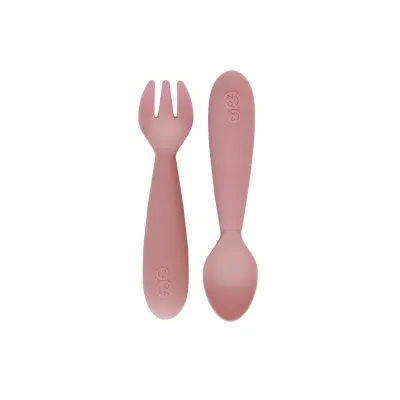
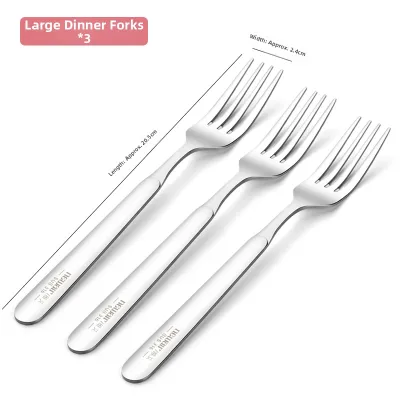
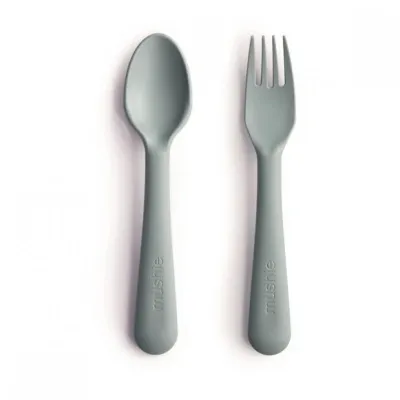
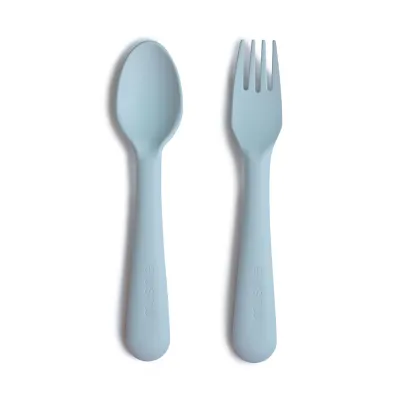
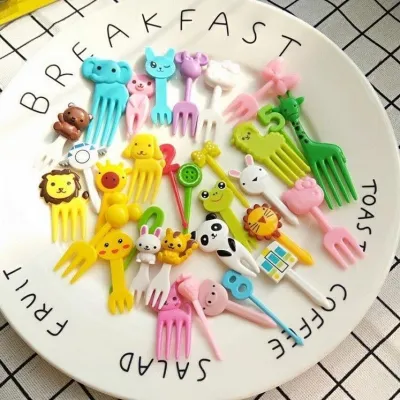
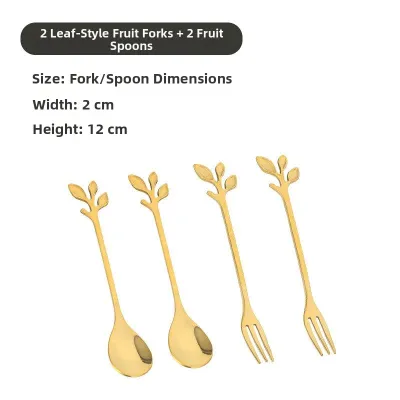
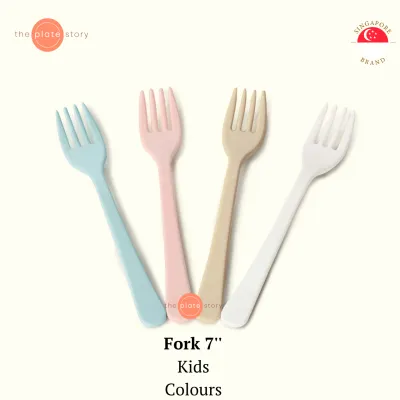
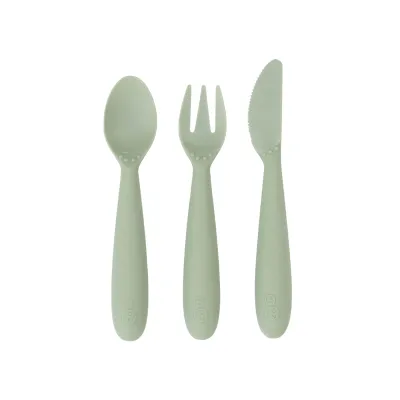
Prices are valid at publication and may change. Please refer to the product page for the latest price.
Physical design features play an equally critical role in preventing mealtime injuries and supporting motor skill development. Examine the tines of the fork; they must be blunt enough to prevent accidental punctures to the tongue or cheeks, yet defined enough to hold food. The handle should feature a textured grip or ergonomic contouring that fits comfortably in a toddler’s palmar grasp. Weight is another factor, as a utensil that is too heavy can cause hand fatigue, leading to frustration and a return to finger feeding.
Finally, consider the long-term maintenance and hygiene of the forks based on your household routine. Check the manufacturer’s care instructions to confirm whether the utensils are dishwasher-safe and capable of withstanding high-temperature sterilization. Some materials are prone to absorbing strong food odors or staining when exposed to tomato-based sauces or bright spices. Evaluating these cleaning and durability conditions beforehand ensures the forks remain hygienic over months of daily use.
Silicone Kids Forks: Best for Early Self-Feeding and Teething
Silicone forks are specifically engineered to support the transition from fingers to utensils, making them highly suitable for infants and young toddlers starting their weaning journey. The primary benefit of silicone is its soft, flexible texture, which is exceptionally gentle on tender, teething gums. Young children frequently misjudge the distance to their mouths, and a soft silicone tine eliminates the risk of painful dental or oral impacts. Additionally, silicone is lightweight and naturally slip-resistant, allowing small hands to maintain a secure hold even when wet or messy.

Despite these advantages, silicone forks have distinct limitations that parents should anticipate as their child’s diet expands. Because the tines are flexible, they often bend when pressed against firmer foods like steamed carrots, apples, or dense meats. This lack of piercing capability can frustrate toddlers who are eager to feed themselves but cannot successfully spear their food. Furthermore, silicone is a porous material that can absorb oils, strong food odors, and bright pigments from foods like pumpkin or pasta sauce, sometimes requiring specialized cleaning to resolve.
To ensure you are purchasing a high-quality silicone fork, always verify the manufacturer’s material specifications. Look for products certified as 100% food-grade silicone, and perform a simple twist test: if white creases appear when you twist the silicone, it may contain cheap plastic fillers. Additionally, look for silicone forks that feature an integrated nylon or stainless steel inner core. This internal reinforcement provides the necessary structural rigidity to prevent the fork from bending too easily, while keeping the outer surface soft and safe for teething mouths.
Stainless Steel Kids Forks: Best for Older Toddlers and Varied Diets
As toddlers grow and refine their fine motor skills, their dietary needs shift toward more complex textures, making stainless steel forks the logical next step. Stainless steel utensils are highly effective at piercing a wide variety of foods, from slippery pasta to firm meats and raw fruits. This capability fosters a sense of accomplishment at mealtime, as children can easily secure their food without it sliding off the plate. The material is also completely non-porous, meaning it will not retain stubborn food odors, harbor bacteria, or stain over time.
However, the transition to metal utensils introduces new safety and practical considerations for the household. Stainless steel forks are significantly heavier than their silicone counterparts, requiring more advanced hand-eye coordination and grip strength to maneuver safely. If a toddler is prone to throwing utensils, a metal fork can cause noticeable noise and potential damage to hardwood or tiled floors, which are common in many modern apartments. There is also a minor risk of dental chipping or gum irritation if a child who still habitually chews on objects bites down hard on metal tines.
When selecting a stainless steel kids fork, prioritize safety-focused design details over basic adult-style utensils. Confirm that the metal edges are thoroughly rounded and polished, with no sharp burrs on the tines. To bridge the gap between materials, look for stainless steel forks that feature thick, textured handles made from food-grade silicone or BPA-free plastic. These hybrid designs provide the superior piercing power of metal while offering the comfortable, slip-resistant grip that young hands need to maintain control.
Side-by-Side Comparison: Silicone vs Stainless Steel
To help clarify the practical differences between these two popular materials, the following comparison highlights how they perform across key developmental and household dimensions.
| Comparison Dimension | Silicone Kids Forks | Stainless Steel Kids Forks |
|---|---|---|
| Target Developmental Stage | Early self-feeding, active teething, and initial weaning | Older toddlers with established grip and coordination |
| Weight and Grip Ease | Extremely lightweight; naturally slip-resistant texture | Moderately heavy; benefits from silicone or plastic handle sleeves |
| Food-Piercing Capability | Low; tines bend against firm or dense food items | High; easily pierces a wide variety of food textures |
| Staining and Odor Risk | Moderate to high; can absorb food pigments and oils | Extremely low; non-porous surface resists stains and odors |
| Durability and Lifespan | High resistance to drops; may degrade over time if chewed heavily | Exceptionally high; virtually indestructible under normal use |
How to Decide: A Practical Selection Framework
Choosing the right fork involves matching the utensil’s material properties to your toddler’s current physical abilities and behavioral patterns. You should opt for a silicone fork if your child is under 18 months old, is actively teething, or frequently uses utensils as chew toys. Silicone is also the ideal choice if your toddler is in a phase of throwing items from the high chair, as it will not damage your floors or create loud, disruptive noises. This material provides a forgiving learning curve that builds confidence without the risk of minor mouth injuries.
On the other hand, a stainless steel fork is the better choice if your toddler is older, demonstrates stable grip strength, and has moved past the stage of putting everything in their mouth. If your child shows visible frustration when their soft fork fails to pick up pieces of food, upgrading to metal will immediately improve their mealtime experience. Stainless steel is also the preferred option for parents who prioritize effortless cleaning, as these utensils can be tossed into the dishwasher repeatedly without any risk of warping, staining, or retaining soap odors.
Before making a final purchase, it is important to consider any unique developmental factors your child may have. If your toddler experiences oral hypersensitivity, sensory processing differences, or motor skill delays, certain textures or weights may cause discomfort or resistance to feeding. In these situations, observing how they react to different textures at home can provide valuable clues. For personalized guidance tailored to your child’s specific physical development, consult a pediatrician or a pediatric occupational therapist to select the most supportive feeding tools.
Frequently Asked Questions (FAQ)
When should I transition my toddler from silicone to stainless steel forks?
The transition to stainless steel is guided by behavioral and physical milestones rather than a strict age limit. You can consider making the switch when your toddler stops chewing on their utensils and demonstrates the hand-eye coordination needed to guide a fork directly to their mouth without accidental facial impacts. Another clear indicator is when your child shows frustration during meals because their silicone fork bends instead of piercing firmer foods. If they can comfortably hold heavier objects and show interest in using adult-style cutlery, they are likely ready for stainless steel.
Are plastic kids forks a safe alternative to silicone or stainless steel?
Plastic kids forks are widely available, lightweight, and highly affordable, but they come with notable long-term drawbacks compared to silicone or stainless steel. If you choose to use plastic, it is essential to verify that the products are certified BPA-free and made from food-safe plastics. However, plastic utensils scratch easily during use and cleaning; these microscopic scratches can harbor bacteria and make thorough sanitization difficult. Over time, repeated washing and exposure to heat can cause plastic to degrade, potentially leading to microplastic shedding, making silicone or stainless steel more durable and hygienic long-term investments.
Community discussion
Share your experience or ask a question. Comments are reviewed before publication.