
Selecting the most suitable glass bottle brush is a key decision for maintaining the hygiene and longevity of your baby’s feeding equipment. While glass baby bottles are naturally more resistant to scratching than their plastic counterparts, they are not completely immune to surface wear. The brush material you choose—whether silicone, sponge, or nylon—directly impacts how effectively you can remove milk film and residue while preventing bacterial growth. By understanding the physical properties of each material and matching them to your daily cleaning habits, you can keep your glass bottles clean and safe for every feed.
Understanding Bristle Materials for Glass Bottles
To choose the right cleaning tool, you must first understand how different materials interact with glass surfaces. Each option offers a distinct physical profile that affects how it glides, scrubs, and holds soapy water.
Silicone brushes feature flexible, rubber-like bristles that do not absorb water. Because silicone is non-porous, these brushes resist moisture retention and do not harbor bacteria or mold easily. The bristles are typically spaced further apart, allowing them to bend easily around the contours of a bottle. While they do not create a thick lather with dish soap, their smooth surface provides a gentle wiping action that is highly protective of glass.
Products mentioned in this guide

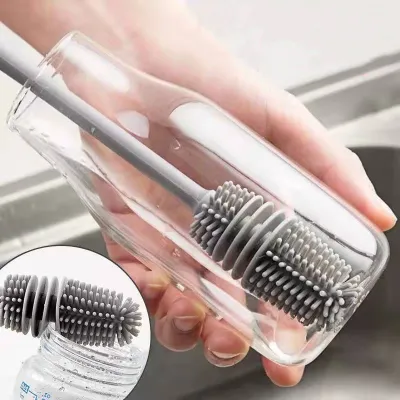
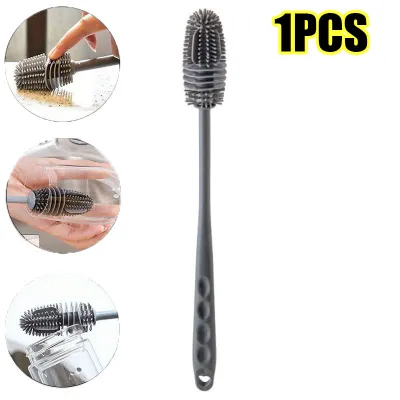
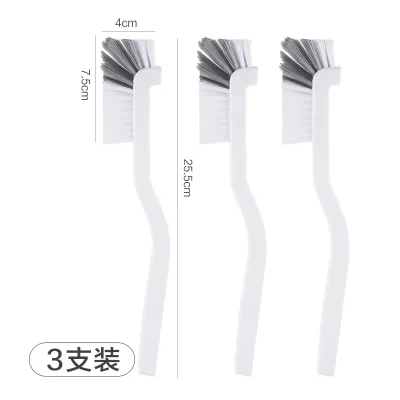
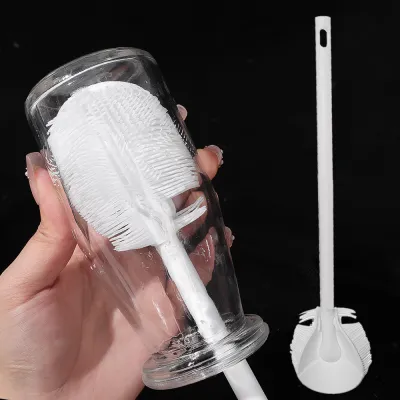
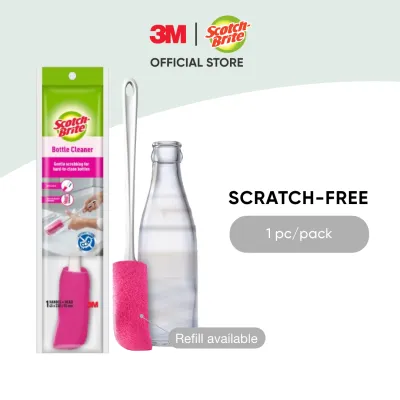
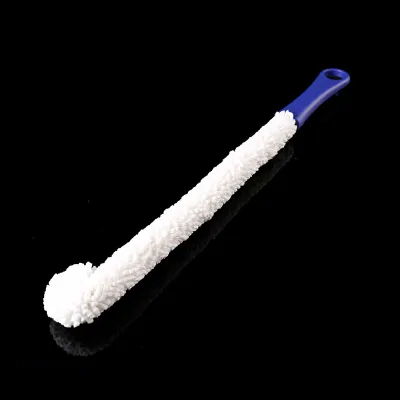
Prices are valid at publication and may change. Please refer to the product page for the latest price.
Sponge brushes consist of soft, highly porous foam heads designed to maximize contact with the bottle’s inner surface. The primary advantage of a sponge is its high absorbency, which allows it to hold a large volume of soapy water and create a rich lather. This soft structure easily conforms to tight corners, transitions, and the curved bottom of glass bottles, ensuring that no spots are missed during a quick wash.
Nylon brushes utilize synthetic plastic bristles anchored to a central wire core. These bristles are stiffer than silicone and sponge, providing a high level of mechanical scrubbing power. Nylon brushes are designed to flick away stubborn, dried-on milk or formula residue with minimal effort. However, the hardness of nylon can vary significantly, and the metal wire core can sometimes pose a scratching hazard if it becomes exposed through wear.
Comparing Scratch Risk, Cleaning Power, and Hygiene
Evaluating these materials requires balancing three critical performance areas: how well they protect the glass, how effectively they remove residue, and how hygienic they remain over time.

Scratch risk is a primary concern when cleaning glass baby bottles. Although high-quality borosilicate glass is highly durable, micro-scratches can still develop over months of daily scrubbing. Stiff nylon bristles, especially those that have become frayed or dirty, can introduce tiny abrasions on the glass surface. These micro-scratches are not just cosmetic issues; they can harbor microscopic milk proteins and bacteria that are difficult to sterilize. Silicone and sponge brushes present a much lower scratch risk, making them gentler options for long-term bottle preservation.
Cleaning power involves the mechanical removal of breast milk fats and formula proteins. Breast milk contains complex lipids that can leave a greasy film on the bottle walls if not properly emulsified by soap and friction. Nylon brushes excel at breaking up dried, stubborn residue due to the high density of their scrubbing bristles. Sponge brushes clean effectively by wiping away loose residue with continuous surface contact, though they may require more manual pressure to clear dried patches. Silicone brushes, while excellent for daily maintenance, sometimes struggle with dried-on residue because their smooth bristles tend to slide over hardened milk rather than scraping it away.
Hygiene and drying times are heavily influenced by your local environment. In warm, highly humid climates like Singapore, moisture control is a constant challenge in the kitchen. Sponges retain water for extended periods, creating a damp environment that is highly conducive to bacterial proliferation and mold growth. If a sponge brush does not dry completely between uses, it can transfer contaminants back onto the bottles. Silicone brushes dry almost instantly because they do not absorb water, making them a highly hygienic option in humid conditions. Nylon brushes dry relatively quickly compared to sponges, but water can still cling to the dense bristle clusters and the central wire.
Decision Framework: Which Material Fits Your Routine?
Choosing the right glass bottle brush is not about finding a universally superior option, but rather selecting the material that aligns with your cleaning habits and drying setup.
You should choose a silicone brush if your primary priorities are long-term hygiene, easy maintenance, and surface protection. Silicone is highly durable, resists tearing, and can often be sanitized in boiling water or a steam sterilizer. This material is ideal for parents who wash bottles immediately after feeding, before the milk has a chance to dry and harden. It is also a reliable choice if you live in a humid area where sponges struggle to dry.
You should choose a sponge brush if you prefer a rich, soapy lather and want to ensure that every curve of the bottle is wiped clean with minimal effort. Sponges are highly effective for fresh milk residue, but they require a strict maintenance routine. If you choose a sponge, you must commit to squeezing out excess water thoroughly after every wash and storing the brush in a well-ventilated, dry area. You must also be prepared to replace the brush head frequently to maintain hygiene.
You should choose a nylon brush if you frequently deal with dried-on formula or milk residue, such as when bottles are left in a diaper bag or daycare bin during the day. The mechanical scrubbing action of nylon makes quick work of hardened deposits. If you opt for nylon, you must monitor the brush closely to ensure the bristles do not become stiff or frayed, and verify that the metal wire core remains fully covered to prevent scratching the glass.
Before making a final purchase, always consult your glass bottle manufacturer’s instruction manual. Some manufacturers specify which brush materials are compatible with their glass or warn against specific types of bristles to preserve the integrity of the bottle’s thermal shock resistance.
Inspecting, Maintaining, and Replacing Your Bottle Brush
No matter which material you choose, a bottle brush is a temporary tool that requires regular inspection and proper maintenance to remain safe for your baby’s feeding gear.
Perform regular visual and tactile checks on your brush. For silicone brushes, look for torn or missing bristles where bacteria could hide. For sponge brushes, inspect the foam for discoloration, tearing, crumbling, or a sour odor, which indicates bacterial colonization. For nylon brushes, check for bent, frayed, or falling-out bristles, and ensure the protective plastic tip on the wire core is intact. If you feel any rough edges or notice structural degradation, it is time to discard the brush.
Cleaning and sanitizing your brush is just as important as cleaning the bottles. After each use, rinse the brush thoroughly under warm running water to remove all soap and milk debris. Shake off excess water and store the brush upright in a clean holder that allows for proper airflow. Depending on the manufacturer’s instructions, some silicone and nylon brushes can be washed in the dishwasher or sanitized in boiling water. Sponges, however, generally cannot withstand high heat sterilization and should be washed with warm, soapy water and air-dried completely.
Establish clear triggers for immediate replacement. As a general guideline, sponge brushes should be replaced every four to six weeks due to their high moisture retention. Nylon brushes typically last two to three months before the bristles lose their shape or the wire becomes exposed. Silicone brushes are the most durable and can often last up to six months, provided they show no signs of tearing or wear. Always replace any brush immediately if it has been used during a household illness or if you detect any persistent odors.
Frequently Asked Questions (FAQ)
Can I use a standard kitchen dish brush for glass baby bottles?
Using a standard kitchen dish brush for glass baby bottles is not recommended due to significant hygiene and safety risks. Kitchen brushes are often designed with much stiffer bristles intended for heavy cookware, which can easily scratch the delicate surface of glass baby bottles. Additionally, using the same brush for family dishes and baby bottles introduces a high risk of cross-contamination. Grease, food particles, and harsh chemical residues from standard dishwashing detergents can cling to the brush bristles and transfer directly into your baby’s bottles, potentially exposing them to harmful bacteria or chemical irritants. Dedicated baby bottle brushes should be kept separate and used exclusively for infant feeding equipment.
How do I know if my glass bottle has been scratched by a brush?
To determine if your glass baby bottle has sustained scratches, perform a thorough visual and tactile inspection in a well-lit room. Hold the clean, dry bottle up to a bright light source or window and look through the glass. Scratches will appear as fine, cloudy lines, hazy patches, or a dull finish on the interior surface. You can also run a clean finger or a soft cloth along the inside of the bottle; if you feel any roughness, ridges, or snagging, the glass has been compromised. If you detect micro-scratches or cloudiness, it is safest to retire the bottle. Damaged glass can harbor bacteria that survive standard washing, and scratches can weaken the structural integrity of the bottle, increasing the risk of cracking during sterilization.
Community discussion
Share your experience or ask a question. Comments are reviewed before publication.