
Choosing the safest baby straw bottle is not about finding a single, universally ideal material. Instead, it requires matching the material’s physical properties to your baby’s developmental stage, your daily routine, and your cleaning habits. While silicone, plastic, and glass each offer distinct benefits, their safety ultimately depends on how well they are maintained, inspected, and replaced. By understanding the unique characteristics of each material, you can make an informed decision that protects your child while fitting seamlessly into your busy lifestyle.
Understanding Material Safety Standards for Baby Straw Bottles
When shopping for a baby straw bottle, marketing buzzwords can easily overwhelm parents. Labels like “BPA-free” are standard on modern baby products, but it is essential to understand what these terms actually mean. Bisphenol A (BPA) is a chemical historically used to harden plastics, which has been phased out due to safety concerns. However, some manufacturers replace BPA with other bisphenols, such as Bisphenol S (BPS) or Bisphenol F (BPF), which may carry similar properties. To ensure comprehensive safety, look for products explicitly labeled as both BPA-free and BPS-free, and verify these claims by reviewing the manufacturer’s detailed material specifications.
Beyond bisphenol labels, parents should look for indications of material grade. High-quality silicone straws are typically labeled as food-grade or medical-grade, indicating they have undergone testing to ensure they do not leach harmful chemicals under normal use conditions. For plastic bottles, look for high-grade polymers such as polypropylene (PP), polyethersulfone (PES), or polyphenylsulfone (PPSU), which are known for their durability and heat resistance. Always cross-reference these material claims with the product’s official documentation rather than relying solely on front-of-pack advertising.
Products mentioned in this guide
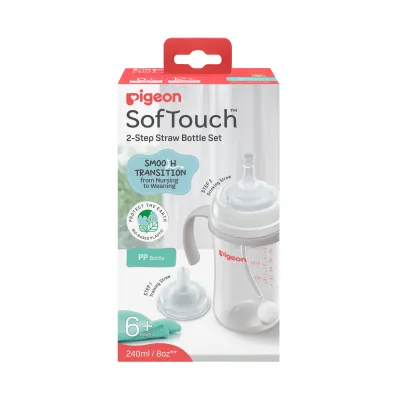
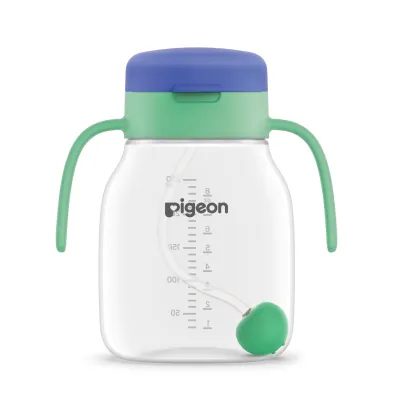
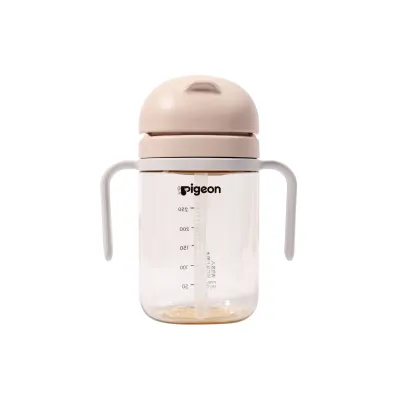
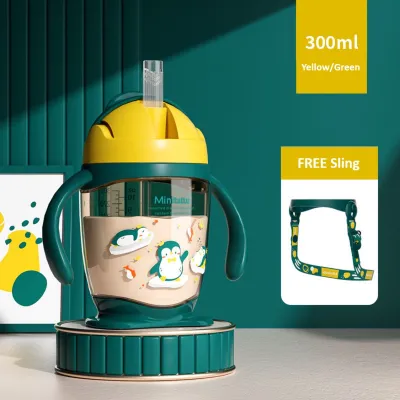
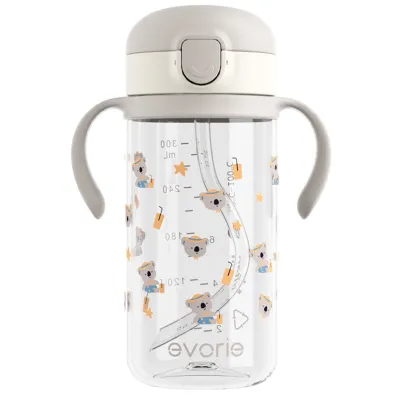
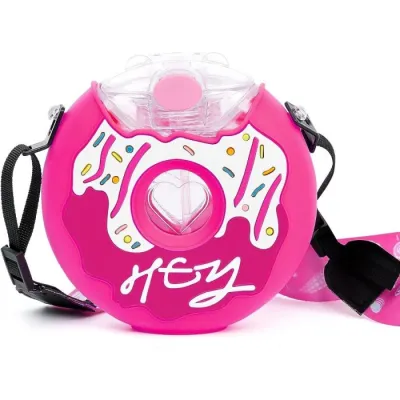
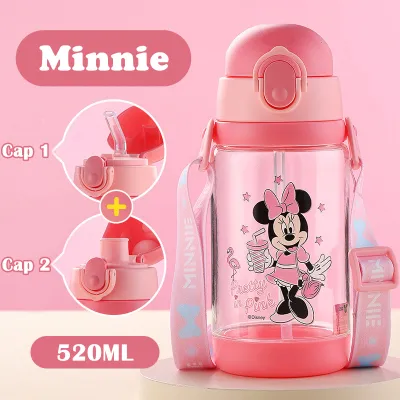
Prices are valid at publication and may change. Please refer to the product page for the latest price.
Safety standards are not static, and product integrity can change over time. It is crucial to regularly check for manufacturer recall notices and verify that the bottle’s age recommendations align with your baby’s current developmental stage. A bottle designed for an older toddler may feature a faster flow rate or a firmer straw that is unsuitable or unsafe for a younger infant who is just learning to transition from a teat.
Comparing Silicone, Plastic, and Glass Straws
To choose the right bottle, you must evaluate how silicone, plastic, and glass perform under daily wear and tear. Each material reacts differently to biting, dropping, washing, and sterilization. Understanding these physical differences allows you to select a bottle that matches your baby’s physical habits and your household’s cleaning routine.

Silicone Straws: Flexibility and Bite Resistance
Silicone is highly favored for baby straws due to its soft, rubbery texture, which is gentle on developing gums and primary teeth. For teething babies who tend to chew on everything, a flexible silicone straw provides a comfortable drinking experience without the risk of injuring sensitive oral tissues. However, this softness also means the material is susceptible to damage from sharp baby teeth. Parents must consult the manufacturer’s age guidelines to ensure the straw’s thickness and design are appropriate for their child’s biting force.
Because silicone is a porous material, it requires vigilant inspection. Over time, exposure to milk fats, juices, and saliva can cause the silicone to degrade. Parents should regularly inspect silicone straws for signs of aging, such as a sticky texture, persistent discoloration, or a cloudy appearance that does not wash away. If the straw feels tacky to the touch or shows tiny micro-tears near the tip where the baby bites, it must be discarded immediately to prevent small pieces from tearing off and becoming a choking hazard.
Cleaning silicone straws requires specialized tools and techniques. Because the material can easily trap residue and moisture, using a narrow, flexible straw brush is essential to scrub the entire interior length. Standard bottle brushes cannot reach the tight bends of a straw, leaving behind a thin film of organic matter that can quickly become a breeding ground for bacteria. Always allow silicone components to air-dry completely in a well-ventilated area to prevent moisture buildup.
Plastic Straws: Lightweight and Shatterproof
Plastic straw bottles are exceptionally popular for active families due to their lightweight construction and shatterproof nature. When a baby is learning to hold a bottle independently, drops and tosses onto hard floors are inevitable. A plastic bottle can withstand these impacts without breaking, making it a highly practical choice for travel, stroller outings, and daycare environments. The lightweight design also helps babies build confidence as they practice their grip and coordination.
Despite their durability against drops, plastic bottles and straws are highly susceptible to physical wear and tear. Over time, repeated washing and daily use will cause the plastic to scratch. These deep scratches, along with persistent cloudiness or visible bite marks on the straw, are critical signals that the bottle needs immediate replacement. Scratches create microscopic crevices where bacteria and mold can hide, making the bottle nearly impossible to sanitize thoroughly even with high-heat methods.
Sterilization is another area where plastic requires careful management. Different types of plastic have vastly different temperature tolerances. While high-performance plastics like PPSU can withstand frequent high-heat sterilization, standard polypropylene may degrade more quickly under extreme heat. Before attempting to boil, steam, or microwave-sterilize a plastic bottle, always verify the manufacturer’s specific temperature limits. Exceeding these limits can cause the plastic to warp, degrade, or leach chemicals, compromising the bottle’s structural integrity and safety.
Glass Straws: Hygiene and Temperature Sensitivity
Glass is widely considered a highly hygienic option because it is completely non-porous. Unlike plastic and silicone, glass surfaces do not absorb odors, retain stains, or leach chemicals, regardless of the temperature or acidity of the liquid inside. This makes glass straw bottles exceptionally easy to clean and sanitize, as milk fats and juices rinse away effortlessly without leaving a greasy residue. For parents prioritizing chemical purity and long-term hygiene, glass offers excellent peace of mind.
The primary drawback of glass is its vulnerability to breaking and its heavy weight. To mitigate the risk of shattering, many modern glass baby bottles come equipped with protective silicone sleeves. These sleeves absorb minor impacts and provide a non-slip grip for little hands. However, a sleeve is not a guarantee of absolute safety. Parents must regularly remove the sleeve to inspect the glass underneath for hairline cracks, chips, or structural weaknesses, especially after the bottle has been dropped or bumped.
Glass is also highly sensitive to rapid temperature changes, a phenomenon known as thermal shock. Pouring boiling water directly into a cold glass bottle, or placing a hot bottle immediately into cold water, can cause the glass to crack or shatter instantly. To prevent thermal shock, always refer to the product’s care instructions regarding safe heating and cooling rates. Allow the bottle to adjust to room temperature gradually before washing or sterilizing, and avoid exposing it to sudden, extreme temperature differentials.
Practical Decision Framework: Which Material Fits Your Routine?
Selecting the right straw bottle material depends heavily on your family’s daily lifestyle, your baby’s developmental stage, and where the bottle will be used most frequently. No single material excels in every scenario, so a conditional approach is best.
Choose silicone straw bottles if your baby is currently teething, has a strong urge to chew on objects, or is transitioning from a soft bottle teat. Silicone’s flexible, gentle texture is ideal for soothing sore gums and prevents self-injury if the baby stumbles while drinking. This material is highly suited for quiet, supervised home use and comfortable nighttime feeding, where a soft, quiet bottle is preferred.
Choose plastic straw bottles if your family is frequently on the go, travels often, or if your baby is in a phase of throwing objects from the highchair or stroller. The lightweight, shatterproof nature of plastic makes it the most practical choice for outdoor adventures, daycare, and independent drinking practice. It reduces the stress of accidental breakage while ensuring your baby can easily lift and tilt the bottle without fatigue.
Choose glass straw bottles if your primary concern is high hygiene standards, ease of sterilization, and long-term durability against stains and odors. Glass is ideal for parents who prepare bottles in advance, store them in the refrigerator, and want a material that can be sanitized repeatedly without any risk of material degradation. However, because of the weight and breakage risk, glass bottles are best reserved for closely supervised feeding sessions at home, ideally with a protective silicone sleeve firmly in place.
As your baby grows, their biting force and chewing habits will change. A soft silicone straw that was perfect for an eight-month-old may quickly wear out under the sharp teeth of an eighteen-month-old. Be prepared to transition between materials or upgrade to sturdier straw designs as your child’s oral development progresses.
Maintenance, Cleaning, and When to Replace
Proper maintenance is the single most important factor in ensuring the safety of any baby straw bottle. Regardless of the material you choose, establishing a strict daily cleaning routine is essential to prevent the buildup of harmful bacteria and mold. Always defer to the specific product’s care manual for detailed washing, boiling, or dishwashing instructions, as different brands utilize unique material blends with specific care requirements.
A thorough daily wash should involve completely disassembling all parts of the bottle, including the straw, collar, valve, and seals. Use warm, soapy water and specialized cleaning brushes to scrub every surface. Pay close attention to the interior of the straw and any anti-colic valves, as these small, enclosed spaces easily trap moisture and liquid residue. After washing, rinse all components thoroughly with clean water and lay them out to air-dry completely on a clean, elevated drying rack. In humid climates, such as in Singapore, ensuring complete dryness is particularly critical to prevent mold growth.
Knowing when to discard and replace a straw or bottle is vital for your baby’s health. You must stop using the product immediately and replace the affected parts if you observe any of the following definitive signals:
- Persistent, trapped mold or black spots inside the straw that cannot be scrubbed away.
- Structural tears, splits, or bite marks on silicone or plastic straws.
- Deep scratches, severe cloudiness, or warping in plastic bottles.
- Hairline cracks, chips, or rough edges on glass bottles.
Never rely on unverified home remedies or “hacks” to salvage a damaged or heavily contaminated straw. If you suspect that a straw cannot be thoroughly cleaned, or if the material shows signs of structural compromise, replace it immediately. Your baby’s health and safety should never be compromised by attempting to extend the lifespan of a worn-out feeding accessory.
Frequently Asked Questions (FAQ)
Can I boil plastic straw bottles to sterilize them?
Whether you can boil a plastic straw bottle depends entirely on the specific type of plastic used and the manufacturer’s instructions. High-temperature plastics like PPSU are generally designed to withstand boiling water, whereas standard polypropylene (PP) may warp or degrade if exposed to boiling temperatures for extended periods. Always check the product packaging or user manual for the maximum temperature limit before sterilizing. If boiling is permitted, ensure the bottle parts do not touch the bottom or sides of the pot, as direct contact with the hot metal can cause localized melting and structural damage.
How do I clean mold out of a silicone straw?
If you spot mold inside a silicone straw, inspect it closely under bright light. Because silicone is porous, mold spores can penetrate deep into the material, making surface cleaning ineffective. If the mold is extensive, persistent, or cannot be completely removed with a specialized straw brush and warm, soapy water, the safest course of action is to discard the straw and replace it with a new one. To prevent mold from forming in the future, always disassemble the bottle immediately after use, wash all parts thoroughly, and ensure they dry completely in a well-ventilated area.
Are glass straw bottles safe for babies who drop things?
Glass straw bottles can be used safely, but they require careful supervision and protective measures. While high-quality borosilicate glass is more resistant to thermal shock and minor impacts than standard glass, it can still shatter if dropped onto hard surfaces like tile or concrete. If your baby is in a phase of throwing or dropping objects, always use a thick, shock-absorbing silicone sleeve over the glass bottle. Additionally, restrict the use of glass bottles to supervised feeding times where an adult is present to intervene if the bottle is dropped, ensuring any accidental breakage is managed safely and immediately.
Community discussion
Share your experience or ask a question. Comments are reviewed before publication.