
Choosing the right straw material for your baby’s transition cup or feeding bottle is a pivotal decision in their oral development. When looking at the options for an Evorie straw, parents are typically faced with a choice between soft silicone and more rigid plastic alternatives. The ideal material depends heavily on your baby’s age, teething stage, and individual drinking style.
Understanding how these materials interact with your baby’s mouth, gums, and developing teeth will help you make an informed choice. Each material offers distinct physical properties that affect flow rate, durability, and ease of cleaning. By evaluating these factors alongside your child’s specific feeding habits, you can select a straw that supports comfortable, independent drinking while maintaining high standards of hygiene.
Material Differences: Silicone vs Plastic Straws
Silicone and plastic straws differ fundamentally in their physical properties, which directly impacts how your baby interacts with their bottle. Silicone is a highly flexible, rubber-like elastomer known for its soft, pliable texture. This flexibility makes it exceptionally gentle on a baby’s sensitive gums and newly emerging teeth. When a baby latches onto a silicone straw, the material conforms easily to their mouth, allowing for a natural and comfortable suction process that closely mimics the flexibility of natural feeding.
Products mentioned in this guide
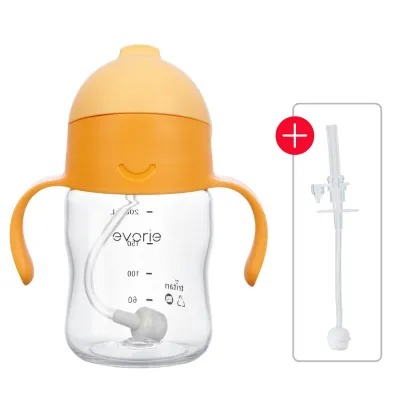
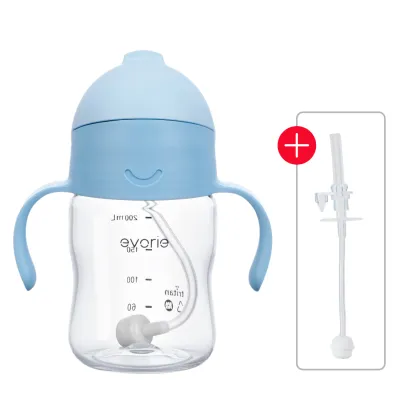
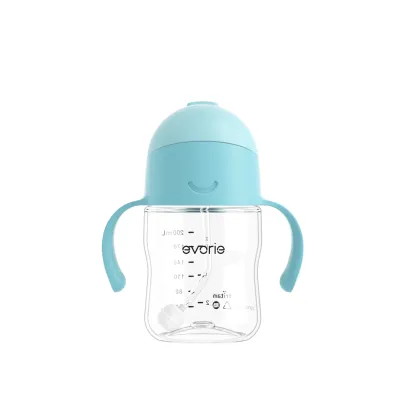
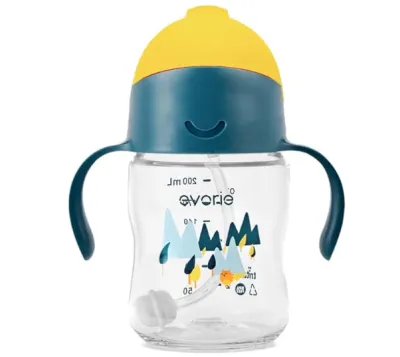
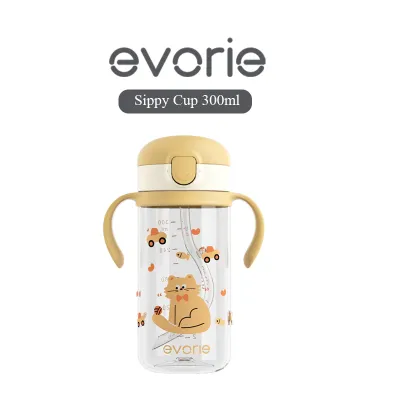
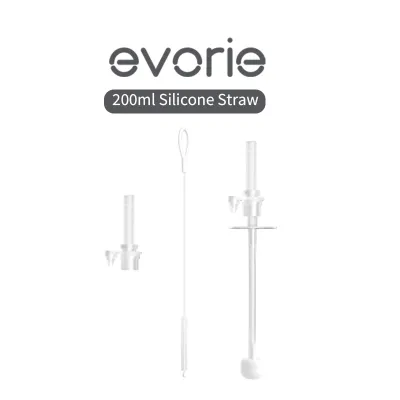
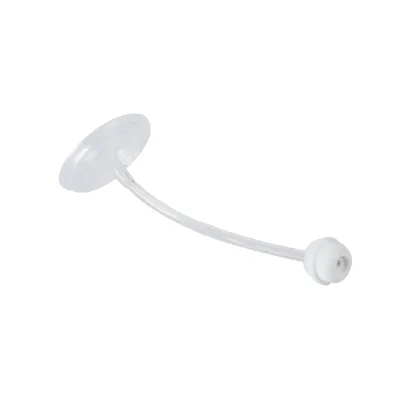
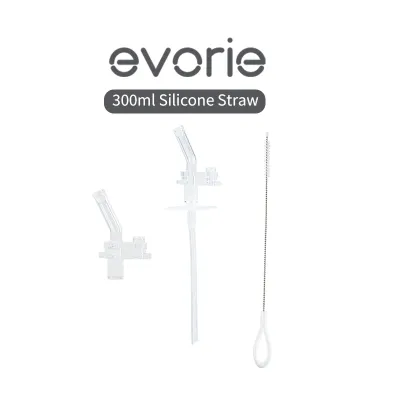
Prices are valid at publication and may change. Please refer to the product page for the latest price.
In contrast, plastic straws—typically made from food-grade polypropylene or similar rigid polymers—offer a firm, unyielding structure. This rigidity provides a stable pathway for liquids, ensuring that the straw does not collapse even under intense suction. While plastic straws do not offer the same cushioning effect as silicone, they provide a consistent flow rate because the internal diameter remains completely uniform during use. This makes plastic a common choice for older toddlers who have already mastered the basic mechanics of straw drinking and no longer require a soft texture to encourage latching.
Durability under repetitive biting is another critical point of comparison. Teething babies often use bottle straws as makeshift chew toys, applying significant pressure with their gums or sharp incisors. Silicone is highly resilient to compression, stretching, and bending, but it can eventually succumb to sharp teeth, resulting in small punctures or tears. Plastic straws, while resistant to tearing, can develop deep bite marks, deform under pressure, or even crack if subjected to aggressive, repetitive chewing.
The weight and flow rate of the straw are also influenced by the material’s inherent thickness. Silicone straws often feature thicker walls to maintain their tubular shape without collapsing, which can sometimes require slightly more suction effort from the baby unless equipped with a specialized cross-cut valve. Plastic straws, however, can be manufactured with much thinner walls while remaining structurally sound, often allowing for a lighter overall bottle weight and a highly responsive flow of liquid.
Safety and Hygiene: What to Verify on the Label
When selecting any feeding accessory, verifying the safety and chemical composition of the material is paramount. Parents should carefully inspect the product packaging or the manufacturer’s official digital listings for clear safety certifications. Look for explicit labels indicating that the straw is free from Bisphenol A (BPA), Bisphenol S (BPS), and phthalates. These chemical compounds, historically used in some plastics to increase flexibility or durability, are widely avoided in modern baby products due to potential health concerns, making verified chemical-free labels a non-negotiable standard.

Heat tolerance is another crucial factor that varies significantly between silicone and plastic. Before attempting to sterilize any straw, you must check the manufacturer’s stated maximum temperature limit. High-grade silicone generally boasts excellent thermal stability, often tolerating temperatures well above 120 degrees Celsius, which makes it compatible with boiling water, steam sterilizers, and microwave sterilization bags. Plastic straws, however, may have much lower heat thresholds depending on the specific polymer used; exceeding these limits can cause the plastic to warp, degrade, or release unwanted odors.
Maintaining hygiene in narrow straw tubes requires a dedicated cleaning routine to prevent the accumulation of milk residue and subsequent mold growth. Because straws are narrow and often contain internal valves to prevent leaks, standard bottle brushes cannot effectively clean their inner surfaces. Parents should verify that they have access to a specialized, ultra-thin straw brush that can reach the entire length of the tube. Regular inspection under good lighting is necessary to ensure no dark spots or film remain inside the straw after washing.
Ensuring Fit and Compatibility with Evorie Bottles
Using the correct straw for your specific Evorie bottle model is essential for maintaining a proper seal and ensuring a safe feeding experience. Baby bottles and transition cups are engineered as complete systems, where the bottle body, collar, straw, and venting valves work in harmony. Before purchasing a replacement straw, always consult the Evorie user manual or the brand’s official product guides to confirm that the accessory is explicitly approved for your exact bottle model.
Attempting to use mismatched third-party straws or generic aftermarket replacements poses several functional and safety risks. If a straw does not fit perfectly within the bottle’s collar, it can compromise the airtight seal, leading to persistent leaks during feeding or when the bottle is tipped. More importantly, an improper fit can disrupt the bottle’s anti-colic venting system. These venting systems rely on precise pressure equalization to prevent the baby from swallowing excess air, and a mismatched straw can cause the baby to inhale air bubbles, leading to gas, colic, or discomfort.
Furthermore, you must verify that the straw length, collar diameter, and valve design align perfectly with your bottle’s dimensions. A straw that is too long may bend awkwardly at the bottom of the bottle, blocking the flow of liquid, while a straw that is too short will leave your baby unable to drink the remaining liquid at the bottom. Ensuring that the collar size matches exactly prevents the straw from slipping out of place, which could otherwise present a choking hazard if a loose component enters the baby’s mouth.
How to Choose the Right Straw for Your Baby
Selecting the best straw material requires a careful assessment of your baby’s developmental stage, physical coordination, and personal feeding preferences. There is no single material that suits every child, so a conditional decision framework can guide your choice. By matching the material’s characteristics to your baby’s current behavior, you can ensure a smoother transition and a more comfortable feeding routine.
A silicone straw is highly recommended if your baby is currently teething or has a habit of aggressively chewing on the bottle spout. The soft, elastic nature of silicone provides a soothing texture for sore gums, reducing the risk of oral discomfort during feeding. Additionally, for babies who are just transitioning from breast or bottle nipples to a straw cup, the pliable texture of silicone feels more familiar and comforting, helping them adapt to the new drinking motion without frustration.
Conversely, a plastic straw may be more suitable if your baby has already mastered straw drinking and prefers a firm, stable structure. Older toddlers who drink quickly often benefit from the rigid pathway of a plastic straw, which does not flex or collapse under strong, rapid suction. If your child does not chew on their cups and requires a highly consistent, unrestricted flow of water or milk, the structural integrity of a plastic straw offers a reliable and lightweight solution.
Before making a final decision, it is important to consider any specific oral motor needs your baby may have. If your child is transitioning from a specialized trainer cup, or if you have concerns about their swallowing mechanics, consulting a pediatrician or a pediatric speech-language pathologist can provide valuable clarity. A professional can assess your baby’s oral development and recommend a specific straw texture or valve type to support their muscular coordination and safe swallowing habits.
When to Replace: Signs of Wear and Tear
Regularly inspecting your baby’s bottle straws is a vital practice to ensure ongoing safety and hygiene. Over time, exposure to repetitive biting, acidic juices, milk fats, and frequent sterilization cycles will inevitably cause both silicone and plastic materials to degrade. Establishing a routine weekly inspection will help you identify when a straw has reached the end of its usable lifespan and needs to be discarded.
Perform a thorough visual check of the straw under bright light. Look closely for micro-tears, deep bite marks, or rough edges along the tip of the straw where your baby’s mouth rests. These physical imperfections not only harbor bacteria that are difficult to clean away but can also weaken the material, increasing the risk of a small piece tearing off and becoming a choking hazard. Additionally, watch for persistent cloudiness, yellowing, or permanent discoloration that does not wash away, as these are clear indicators of material aging.
Next, conduct a tactile inspection of the straw’s components. Gently stretch silicone straws to check for micro-fissures that only appear under tension, and feel for any unusual stickiness, unexpected stiffness, or a loss of the material’s original elasticity. For plastic straws, feel along the tube for any sharp ridges caused by bite marks or structural warping. Always adhere to the manufacturer’s recommended replacement timeline, which typically suggests replacing straw components every two to three months, or immediately upon detecting any visible or tactile signs of wear.
Frequently Asked Questions (FAQ)
Can I use a silicone straw in a plastic Evorie bottle?
Yes, you can generally use a silicone straw in a plastic Evorie bottle, provided that the straw is officially designed and approved for that specific bottle model. The material of the bottle body (whether it is glass, PP, or PPSU) does not dictate the material of the straw. However, the connection seal, collar diameter, and internal venting alignment must match perfectly to prevent leaks and ensure proper air pressure regulation during feeding. Always verify compatibility by checking the product manual or the manufacturer’s official compatibility charts before assembly.
How do I properly clean the inside of a narrow baby straw?
To clean a narrow baby straw thoroughly, first disassemble all parts of the bottle and rinse the straw under warm running water to flush out loose liquid residue. Insert a dedicated, appropriately sized straw brush coated with a mild, baby-safe dish soap into the tube, gently scrubbing back and forth along the entire length of the straw. Pay special attention to any valve areas where milk residue tends to accumulate. Rinse the straw copiously with clean water, shake off excess moisture, and place it in a well-ventilated drying rack to air-dry completely before reassembling the bottle.
Community discussion
Share your experience or ask a question. Comments are reviewed before publication.