
Quick Answer: Which Material Is Better?
Choosing the right baby hair wash cover is a practical way to transform a stressful, tear-filled bath time into a calm and cooperative routine. Neither silicone nor PEVA is universally superior; the ideal choice depends on your child’s sensory preferences, head shape, and your daily maintenance habits.
Silicone covers generally offer superior durability, exceptional elasticity, and a soft, suction-like seal that conforms easily to growing heads. However, they are heavier and typically cost more. PEVA (polyethylene vinyl acetate) covers are incredibly lightweight and budget-friendly, making them excellent for highly sensitive babies who dislike any weight on their heads, though they are less stretchable and wear out faster.
Regardless of the material you choose, a label alone does not guarantee safety. Parents must always verify physical product packaging and manufacturer documentation for non-toxic certifications, BPA-free labels, and recommended age ranges to ensure a safe bathing experience.
Products mentioned in this guide
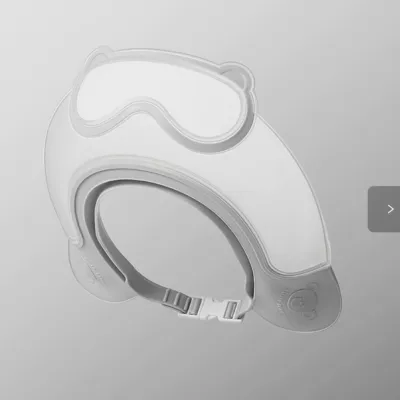
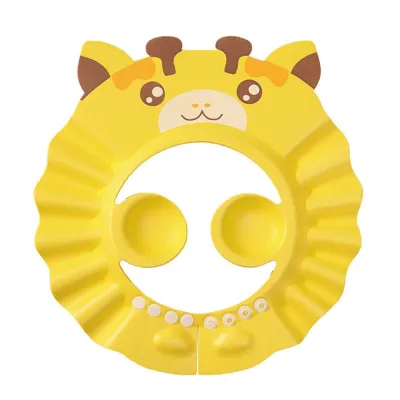
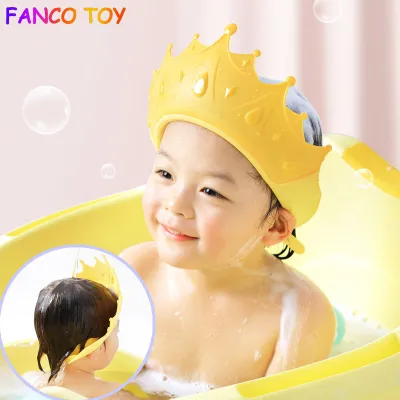
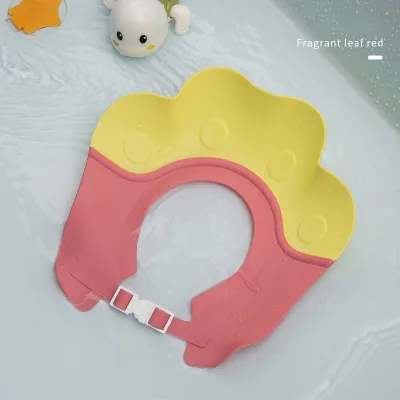
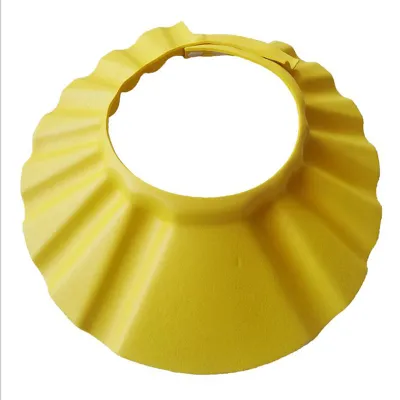
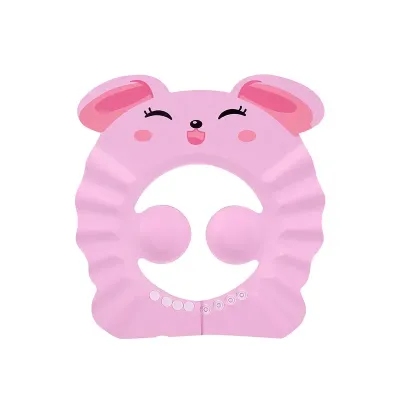
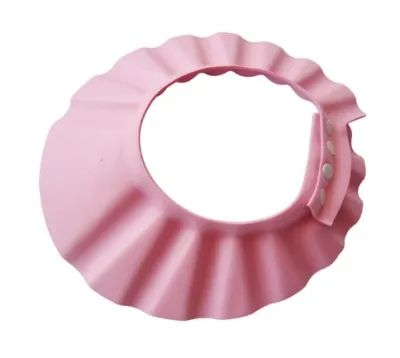
![[SG STOCK] Adjustable Baby Shampoo Bath Shower Cap Hat For Babies Kids and Children Wash Hair Shield Face](https://img.lazcdn.com/g/p/e04506701bf872b31da4074345285ca5.jpg_400x400q80.jpg_.webp)
Prices are valid at publication and may change. Please refer to the product page for the latest price.
Silicone vs PEVA: Comparing Key Features
To make an informed choice, it is helpful to understand how these two materials behave in a wet, active bath environment. While both serve the same primary purpose of keeping soapy water out of your baby’s eyes and ears, their physical properties differ significantly.

| Feature | Silicone Covers | PEVA Covers |
|---|---|---|
| Flexibility | High elasticity; stretches and molds to various head shapes naturally. | Moderate flexibility; relies on fasteners or specific sizing to fit. |
| Weight | Heavier; has a substantial, noticeable feel on the baby's head. | Extremely lightweight; barely noticeable to sensory-sensitive infants. |
| Durability | Excellent; resists tearing, stretching, and high temperatures. | Moderate; prone to creasing, folding, and wear over time. |
| Cleaning Ease | Highly heat-resistant; easy to wipe clean and sanitize. | Hand-wash only; sensitive to high heat and aggressive scrubbing. |
| Average Price Range | S$12 to S$25 (higher initial investment). | S$5 to S$12 (more budget-friendly). |
Flexibility and Comfort
Silicone is an elastomeric material, meaning it possesses natural rubber-like elasticity. When molded into a baby hair wash cover, this flexibility allows the inner band to stretch smoothly over your baby’s forehead. It creates a gentle, continuous seal that conforms to asymmetrical head shapes without requiring tight mechanical fasteners. This elastic quality distributes pressure evenly, minimizing the risk of localized discomfort while effectively blocking water bypass.
PEVA is a non-chlorinated vinyl copolymer that is widely used as a safer alternative to traditional PVC. While PEVA is soft and flexible to the touch, it lacks the inherent elasticity of silicone. A PEVA hair wash cover does not stretch significantly; instead, it relies on adjustable plastic snaps, hook-and-loop straps, or a separate elastic fabric band to secure it to the head. If the band is not adjusted perfectly, PEVA can bunch up, creating small gaps where soapy water can trickle down.
Durability and Maintenance
Silicone is highly inert and chemically stable, meaning it resists degradation from repeated exposure to water, baby shampoos, and body washes. It maintains its shape and elasticity even after years of daily stretching, making it an excellent long-term investment that can be passed down to younger siblings. Silicone can also withstand higher temperatures, allowing you to wash it in warm water to sanitize it thoroughly.
PEVA is a thinner, lighter material that is more susceptible to physical wear. Over time, repeated pulling, folding, or packing can cause permanent creases or minor tears along the seams. PEVA cannot tolerate high heat, so it must always be washed in cool or lukewarm water.
It is important to note that mold and mildew resistance is not determined by the base material alone. While silicone and PEVA themselves do not support mold growth, soap scum, skin cells, and trapped moisture in the crevices of the cover provide a perfect breeding ground for bacteria. In humid climates like Singapore, where bathroom humidity remains high, any cover with deep folds or fabric borders can develop mold if left damp. Proper drying habits are essential regardless of whether you choose silicone or PEVA.
Weight and Sensory Feel
Sensory processing varies greatly from baby to baby. Silicone is a dense material, and a typical silicone shampoo shield can feel relatively substantial on an infant’s head. Some babies find this physical pressure grounding and comforting, while others perceive it as a restriction and will immediately try to pull the cover off.
PEVA covers are exceptionally lightweight, often weighing only a fraction of their silicone counterparts. This minimal weight makes them highly suitable for younger infants or toddlers who are highly sensitive to tactile stimuli. If your baby dislikes wearing hats, headbands, or hair clips, a feather-light PEVA shield is much less likely to trigger a negative sensory reaction during bath time.
Safety and Fit: Beyond the Material
While choosing between silicone and PEVA is a major step, several design and fit characteristics are critical to ensuring the product actually works and remains safe to use.
Edge Design
The primary function of a baby hair wash cover is to redirect water. Look for a cover with a wide, reinforced, and sloped brim. The brim acts as a gutter, routing water and shampoo suds backward and outward, away from the face and ears. If the brim is too floppy, the weight of the water will cause it to collapse, dumping soapy water directly onto the baby’s face.
The inner edge—the part that directly contacts your baby’s skin—must be rounded, smooth, and free of sharp plastic seams. A poorly finished edge can scrape or irritate delicate skin, especially when the cover is pulled snug to prevent leaks.
Adjustability and Sizing
Babies grow rapidly, and a cover that fits perfectly at six months may be painfully tight at twelve months. Avoid fixed-size covers with non-adjustable elastic bands, as they often apply too much pressure or slip off entirely. Instead, prioritize designs featuring adjustable fasteners, such as multi-position snap buttons or sliding buckles.
Always measure your baby’s head circumference before purchasing and compare it to the manufacturer’s specified sizing range. When fitting the cover, check for signs of discomfort. If the cover leaves a deep, persistent red ring on your baby’s forehead after a few minutes of use, it is too tight. A tight band can cause localized pain, headaches, and a general aversion to bath time.
Material Verification
Do not rely solely on online product listings that claim a product is “safe” or “non-toxic.” Always inspect the physical packaging or the manufacturer’s official documentation for verified safety standards. Look for explicit labels indicating that the product is:
- BPA-free: Ensures the plastic is free from Bisphenol A.
- Phthalate-free: Confirms the absence of chemical plasticizers linked to health concerns.
- Lead-free and PVC-free: Guarantees the material does not contain heavy metals or toxic chlorinated plastics.
If a newly unboxed cover emits a strong, sweet, or pungent chemical odor, this is a sign of low-quality manufacturing or volatile organic compounds (VOCs). In such cases, stop use immediately and contact the manufacturer for clarification.
Decision Framework: Which Cover Should You Buy?
To help you make the final choice, use this conditional framework based on your baby’s specific needs and your household routine.
Choose Silicone if:
- You want a long-term investment: You prefer a durable product that will last through toddlerhood and can be reused for future children.
- Your baby has an irregular head shape: You need a highly elastic, conforming band that stretches naturally to create a reliable seal without complex adjustments.
- You prioritize easy sanitization: You want a material that can withstand warm water washes and frequent cleaning without warping.
- Your baby does not mind wearing hats: Your child is comfortable with a slightly heavier, snug-fitting accessory on their head.
Choose PEVA if:
- Your baby is highly sensory-sensitive: Your child dislikes any weight on their head and needs the lightest possible material to remain calm.
- You are on a budget: You want an affordable solution for occasional use, travel, or swimming pool transitions.
- You need a highly packable option: You travel frequently and need a thin, flat-folding cover that takes up minimal space in a diaper bag.
- You prefer quick, simple hand-washing: You do not mind hand-washing the cover in cool water and hanging it flat to dry after every use.
- Your baby is in a rapid growth phase: You want a low-cost temporary option before transitioning to washing hair without a cover.
Verify First if:
- Sizing is ambiguous: The product listing or packaging does not specify a clear head circumference range or age limit. Stop and consult the manufacturer to avoid purchasing an unusable size.
- The product has rigid seams: You notice sharp plastic edges on the inner band that could cause skin irritation.
- Safety labels are missing: There is no clear indication of BPA-free, phthalate-free, or PVC-free certifications on the packaging.
Practical Tips for a Tear-Free Hair Wash
Even the best hair wash cover will fail if the positioning is incorrect or if the baby is highly distressed. Combining the right material with proper technique is the key to a successful bath.
Positioning and Water Flow
To achieve a watertight seal, place the inner band of the cover just above your baby’s eyebrows and over the ears, ensuring all hair is pulled back and sits above the band. If hair gets trapped under the seal, it will act as a wick, drawing water down onto the face.
Once the cover is secure, gently tilt your baby’s head slightly backward. Use a low-pressure rinse cup or a gentle, handheld showerhead rather than a heavy flow of water. Pour the water slowly from the front of the crown toward the back of the head. This allows the sloped brim of the cover to channel the water away efficiently without overwhelming the seal.
Post-Bath Care
After every bath, rinse the cover thoroughly with clean, warm water to remove all soapy residue, shampoo, and body wash. Shake off excess water immediately.
In Singapore’s humid climate, leaving a wet cover in a closed bathroom invites mold and bacterial growth. Instead, hang the cover to air-dry in a well-ventilated area, preferably near a window or in an air-conditioned room. Avoid folding or storing the cover while it is still damp, as moisture trapped in the seams will quickly lead to black mold spots.
Routine and Distraction
If your baby is anxious about the hair wash cover, introduce it outside of the bath first. Let them play with it, put it on their favorite stuffed animal, or wear it during dry playtime. This familiarizes them with the object and reduces fear.
During the actual bath, keep your baby distracted with floating toys, bath crayons, or by singing their favorite songs. You can also let them hold a dry, folded washcloth over their eyes. This provides an extra layer of physical security and comfort, helping them stay still while you wash and rinse their hair.
Frequently Asked Questions (FAQ)
Can a baby hair wash cover completely prevent water from entering the eyes?
No baby hair wash cover can guarantee a 100% leak-proof seal. If your baby pulls at the brim, turns their head sharply, or if the water pressure is too high, water can easily slip past the barrier. The cover is designed as an aid to redirect water flow, not as an absolute waterproof seal. Parents must still maintain proper head positioning, control the water flow carefully, and provide constant supervision during the bath.
At what age should I stop using a hair wash cover?
There is no fixed age to stop using a hair wash cover, as it depends entirely on your child’s physical growth and developmental readiness. Many children naturally outgrow the need for a cover between the ages of three and five as they become more comfortable with water on their faces and learn to tilt their heads back independently. You should stop using a cover if your child outgrows the maximum adjustable size of the product, if the band becomes too tight, or if your child expresses a clear desire to wash their hair without it.
Community discussion
Share your experience or ask a question. Comments are reviewed before publication.