
Quick Answer: Which Bottle Brush Material Is Safest?
Food-grade silicone is widely considered the safest and most hygienic material for cleaning modern baby bottles. Its non-porous nature makes it highly resistant to bacterial colonization and mold growth, addressing a critical safety concern for infant feeding equipment. Unlike other materials, silicone does not absorb water, allowing the brush to dry rapidly after use and preventing the damp conditions that microbes need to thrive.
Furthermore, a bottle brush silicone head features soft, flexible bristles that clean gently without scratching. This is crucial because micro-scratches on the inside of baby bottles can harbor stubborn biofilms that are difficult to sterilize. While nylon brushes offer aggressive scrubbing power and sponge brushes provide rich lather, both carry higher hygiene and safety risks over time. Choosing food-grade silicone minimizes these risks, making it the most reliable choice for daily bottle maintenance.
What Makes a Bottle Brush Safe and Hygienic?
Evaluating the safety of a baby bottle brush requires looking beyond its immediate cleaning performance to understand how its material interacts with water, milk residues, and the bottles themselves. Baby bottles regularly come into contact with milk fats, proteins, and sugars, which form a stubborn residue if not thoroughly cleared. If a brush cannot be kept perfectly clean, it becomes a vehicle for cross-contamination, transferring harmful pathogens back onto the feeding equipment.
Products mentioned in this guide
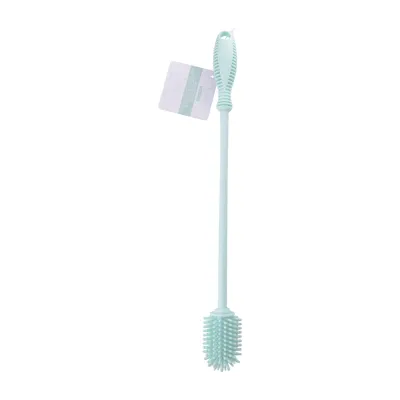
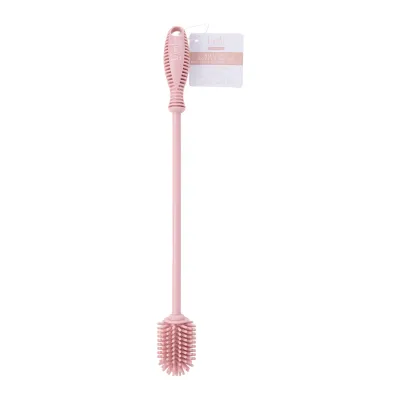
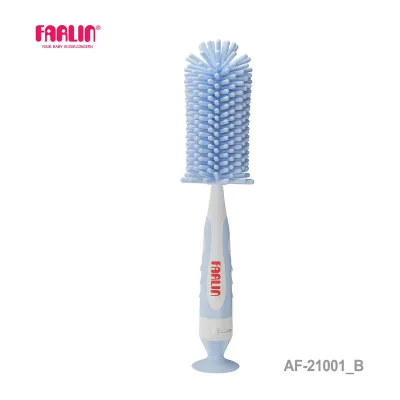
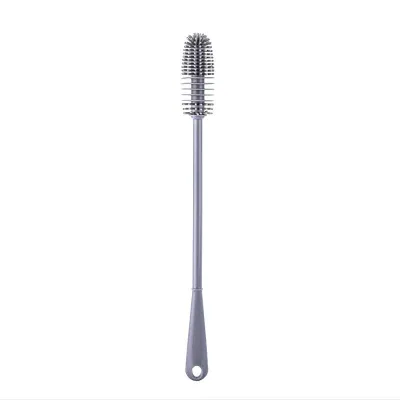
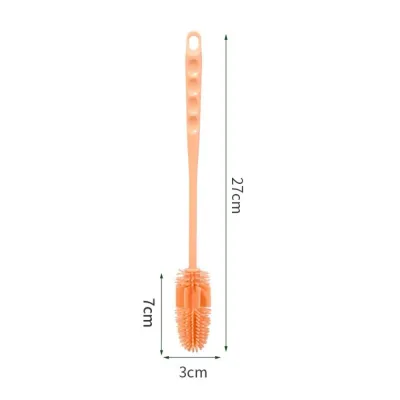
Prices are valid at publication and may change. Please refer to the product page for the latest price.

Hygiene and Bacterial Resistance
The physical structure of the brush material determines how easily bacteria can colonize it. Porous materials absorb water and organic matter, creating an ideal microenvironment for bacterial replication and mold growth. In warm, humid environments, such as Singapore’s tropical climate, wet surfaces remain damp for extended periods, accelerating microbial activity. A truly hygienic brush must dry quickly and resist water absorption to disrupt this growth cycle.
Bottle Surface Safety
Preventing physical damage to the bottle interior is a critical safety factor. Microscopic scratches on plastic (such as polypropylene or polyphenylsulfone) or glass surfaces act as protective crevices for bacteria. Once bacteria settle into these tiny grooves, they form a protective layer called a biofilm. Standard washing and even some sterilization methods may fail to penetrate these scratched areas, leaving pathogens behind to contaminate subsequent feeds.
Durability and Maintenance
A safe bottle brush must maintain its structural integrity under daily use and frequent sanitization. Materials that degrade quickly can shed small particles, which may pose a choking hazard or block bottle nipples. Additionally, the brush must withstand high temperatures from boiling water, steam sterilizers, or dishwashers without leaching harmful chemicals or warping, ensuring that the tool itself can be kept sanitary.
Silicone Bottle Brushes: Hygiene and Gentle Cleaning
Silicone bottle brushes have gained widespread popularity among parents seeking a low-maintenance, highly sanitary cleaning tool. Made from food-grade silicone, these brushes feature flexible, rubbery bristles designed to sweep away milk residue without damaging the underlying bottle material. Their physical properties offer distinct advantages for maintaining infant health.
Hygiene
The primary benefit of a bottle brush silicone design is its exceptional resistance to bacterial growth. Food-grade silicone is completely non-porous and hydrophobic, meaning it repels water rather than absorbing it. After you finish washing a bottle, water slides off the silicone bristles, allowing the brush to dry in a fraction of the time required by nylon or sponge. This lack of lingering moisture makes it incredibly difficult for mold or bacteria to establish a foothold.
Bottle Safety
Silicone bristles are soft and pliable, ensuring they glide smoothly over bottle walls without leaving abrasions. Whether you use standard plastic bottles, high-end PPSU bottles, or glass bottles, silicone cleans the surfaces without compromising their physical integrity. This preserves the smooth interior of the bottles, preventing the formation of micro-scratches where bacteria could otherwise hide.
Durability and Heat Resistance
High-quality silicone is highly durable and exhibits excellent thermal stability, often tolerating temperatures well over 200 degrees Celsius. This high heat tolerance allows you to sanitize the brush regularly in boiling water, steam sterilizers, or the top rack of a dishwasher. Unlike other materials, silicone does not become brittle, fray, or lose its shape after repeated heat exposure, ensuring a long and safe usable lifespan.
Limitations
The main trade-off with silicone is its mechanical scrubbing friction. Because the bristles are soft and spaced relatively far apart, they do not provide the same stiff scraping action as nylon. If breast milk or formula is allowed to dry inside a bottle, a silicone brush may require more time and effort to lift the dried film. To achieve the best results, you should rinse bottles immediately after feeding before the residue has a chance to harden.
Nylon Bottle Brushes: Heavy-Duty Scrubbing Power
Nylon bristle brushes are a traditional choice for bottle cleaning, valued for their stiffness and physical cleaning efficiency. These brushes feature dense clusters of synthetic nylon fibers attached to a central metal wire or plastic core, providing strong mechanical action against tough residues.
Scrubbing Efficacy
The primary strength of nylon is its superior scrubbing power. The stiff, dense bristles excel at scraping away dried-on formula, thick breast milk fats, and sticky residues from the bottom corners of bottles. This makes nylon highly effective for quick, heavy-duty cleaning when bottles cannot be washed immediately after use.
Bottle Safety Risks
While the stiffness of nylon is excellent for scrubbing, it poses a significant risk to plastic baby bottles. Over time, the abrasive action of nylon bristles creates fine, microscopic scratches on the inner walls of plastic bottles. These scratches dull the plastic and create deep crevices where milk proteins and bacteria can accumulate, making the bottles increasingly difficult to sanitize as they age.
Hygiene Considerations
Nylon bristles are typically bound in tight tufts along a twisted metal wire. This structural design creates microscopic gaps at the base of each tuft where water, soap scum, and milk particles can easily become trapped. Because these areas are dense and difficult to reach, they dry slowly and can harbor bacterial growth, requiring you to rinse and inspect the brush head with extra care.
Durability
Under daily use, nylon bristles are prone to physical wear. They gradually bend, splay, and lose their original shape, which reduces their cleaning coverage. Once the bristles splay, they can no longer reach the tight contours of the bottle effectively, signaling that the brush has reached the end of its useful life and must be replaced to maintain cleaning standards.
Sponge Bottle Brushes: High Absorbency but Hygiene Risks
Sponge-head bottle brushes consist of a soft, compressible polyurethane or cellulose sponge mounted on a plastic handle. While they offer a highly gentle wash, their physical structure introduces significant hygiene challenges that make them less suitable for long-term daily use.
Cleaning Action
Sponge brushes are popular for their ability to generate a rich, soapy lather with very little dish soap. The highly compressible sponge easily deforms to fit the exact shape of the bottle, wiping the bottom corners and dome surfaces clean without any risk of scratching. This makes them exceptionally gentle on both plastic and glass feeding equipment.
Hygiene Risks
The major drawback of sponge brushes is their open-cell structure. Sponges act like microscopic mazes, trapping water, organic milk fats, and proteins deep within their core. It is nearly impossible to completely flush out all milk residue from the center of a dense sponge head. In a humid climate, a damp sponge remains wet for hours, creating a perfect incubator for bacteria, yeast, and mold, which can quickly lead to unpleasant odors and safety hazards.
Durability
Sponges have very low physical durability. Exposure to warm water, dish soap, and physical friction causes the foam material to degrade rapidly. Sponge heads easily tear, crumble, or detach from their plastic handles during vigorous scrubbing. This degradation not only reduces their cleaning effectiveness but also risks leaving small foam particles inside the baby bottles.
Verdict
Due to these rapid degradation and hygiene concerns, sponge brushes are generally the least recommended option for daily baby bottle care. If you choose to use a sponge brush, you must treat the sponge head as a highly temporary tool, replacing it extremely frequently to prevent bacterial contamination and ensure your baby’s feeding equipment remains safe.
Silicone vs Nylon vs Sponge: Quick Comparison
This table summarizes the general properties of the three common bottle brush materials to help you evaluate their safety and performance characteristics.
| Material | Hygiene & Bacterial Resistance | Scrubbing Power | Risk of Scratching Bottles | Durability | Heat Tolerance |
|---|---|---|---|---|---|
| Silicone | High (Non-porous, dries rapidly) | Moderate (Requires prompt rinsing) | Low (Soft, non-abrasive bristles) | High (Resists tearing and wear) | High (Boiling, steam, dishwasher-safe) |
| Nylon | Moderate (Traps debris at bristle base) | High (Stiff bristles scrape easily) | Moderate to High (Can scratch plastic) | Moderate (Bristles splay over time) | Moderate (Check handle specifications) |
| Sponge | Low (Porous, retains moisture and fats) | Moderate (Good surface contact) | Low (Soft, non-abrasive foam) | Low (Tears and degrades quickly) | Low (Typically damaged by high heat) |
How to Choose the Right Brush for Your Baby Bottles
Selecting the safest and most effective bottle brush depends on the material of your baby bottles, your daily cleaning routine, and your commitment to maintenance.
Choose Silicone if:
- You primarily use plastic bottles (PP or PPSU) that are highly susceptible to micro-scratches.
- You prioritize maximum hygiene and want a brush that dries quickly to prevent bacterial growth.
- You typically wash or rinse bottles immediately after feeding, preventing milk residue from drying and hardening inside the bottle.
- You want a durable, long-lasting cleaning tool that can withstand regular heat sterilization.
Choose Nylon if:
- You exclusively use glass baby bottles, which are highly resistant to scratching from stiff bristles.
- You frequently deal with dried-on formula or breast milk residue that requires heavy mechanical scrubbing to remove.
- You are diligent about thoroughly rinsing the brush head and sanitizing it regularly to prevent buildup at the bristle base.
Avoid Sponge if:
- You want a low-maintenance, long-lasting, and highly hygienic cleaning solution.
- You live in a highly humid area where air-drying takes a long time, as this increases the risk of mold and bacterial growth inside the sponge.
- You are not prepared to replace the brush head every one to two weeks to maintain basic sanitary standards.
Verify First
Before purchasing any bottle brush, always consult your baby bottle manufacturer’s care and maintenance instructions. Some specialized bottles feature sensitive anti-colic valves, internal vent systems, or delicate inner coatings that can be easily damaged by stiff bristles or aggressive scrubbing. Ensuring compatibility between your brush and bottle material protects your investment and maintains the safety of the feeding system.
How to Clean, Sanitize, and Maintain Your Bottle Brush
To prevent your bottle brush from becoming a source of cross-contamination, you must care for the brush itself with the same diligence you apply to cleaning your baby’s bottles. Implementing a proper daily maintenance routine ensures the tool remains sanitary and safe.
Daily Care
Immediately after you finish washing your baby bottles, rinse the brush thoroughly under hot running water. Apply a small drop of dish soap to the bristles and massage them with clean hands to break down and flush away any trapped milk fats, proteins, or soap residue. Rinse the brush again until the water runs completely clear and no suds remain.
Drying
After rinsing, shake off as much excess water as possible. Store the bottle brush upright in a clean, well-ventilated holder or hang it by its handle hook to air-dry. Never leave a wet brush sitting flat on a sink countertop or resting in a puddle of water, as lingering moisture encourages rapid bacterial growth.
Sanitization
Sanitize your bottle brush regularly to eliminate any microscopic pathogens. For a silicone bottle brush, you can typically boil it in water for five minutes, run it through a steam sterilizer, or place it on the top rack of a dishwasher. For nylon or sponge brushes, check the manufacturer’s instructions first, as high heat can warp plastic handles or degrade adhesives; if heat is not recommended, use a cold-water sterilizing solution.
Replacement Signals
Inspect your bottle brush daily for physical signs of wear and tear, and replace it immediately if you observe any of the following indicators:
- Silicone brushes: Look for cracked, split, or sticky bristles, or any signs of physical tearing in the silicone head.
- Nylon brushes: Replace when the bristles become splayed, bent, or discolored, or if you notice rust on the wire core.
- Sponge brushes: Discard immediately if the foam begins to tear, crumble, develop a sour odor, or show dark spots of mold.
Frequently Asked Questions (FAQ)
Can I put a silicone bottle brush in the dishwasher?
Food-grade silicone is highly heat-resistant and generally safe for dishwasher use. However, you must verify the specific manufacturer’s care label before placing the brush in the dishwasher. While the silicone bristles can easily withstand high temperatures, the plastic handle, inner core, or adhesive joints may be made of materials like ABS or polypropylene, which can warp, crack, or degrade under intense dishwasher heat and drying cycles. If the manufacturer confirms it is dishwasher-safe, always place the brush on the top rack to keep it away from the heating element.
How often should I replace my baby bottle brush?
The replacement frequency depends on the brush material and how often it is used. As a general guideline, sponge brushes should be replaced every two to four weeks because their porous structure easily traps bacteria and degrades quickly. Nylon brushes typically last one to two months before the bristles splay, lose their scrubbing efficiency, or accumulate debris at the base. A high-quality silicone bottle brush is highly durable and can safely last between three to six months, provided you sanitize it regularly and the material shows no signs of tearing, stickiness, or degradation.
Community discussion
Share your experience or ask a question. Comments are reviewed before publication.