
Choosing the right tool to clean your baby’s bottles is more than a matter of convenience; it directly impacts your daily feeding routine and the hygiene of your baby’s equipment. When comparing silicone and nylon bottle cleaning brushes, there is no single option that fits every household. Instead, the ideal choice depends on your bottle material, how quickly you wash them after feedings, and your maintenance habits.
Nylon brushes are traditional favorites, known for their dense bristles that create a rich lather and scrub away stubborn, dried-on milk residue with ease. However, they can cause microscopic scratches on plastic bottles and tend to retain moisture, which increases the risk of bacterial growth. Silicone brushes, on the other hand, are highly durable, dry almost instantly, and are exceptionally gentle on delicate surfaces. Yet, they require a bit more physical effort to dislodge dried-on formula or breast milk fats. Understanding these physical differences and cleaning mechanics will help you select the brush that effectively protects your feeding equipment and keeps it sanitary.
Material Basics: Silicone vs Nylon Bristles
To understand how these brushes perform in the sink, it helps to look at the physical characteristics of their bristles. Nylon bristles are made of thin, synthetic fibers that are packed closely together. This high density gives the brush head a full, bushy appearance. Because individual nylon fibers are incredibly thin, they are highly flexible. When you push a nylon brush into a bottle, the bristles compress easily to slide through narrow bottle necks, and then flare out to fill the wider body of the bottle. This adaptability makes them highly effective at reaching the curved shoulders and bottom corners of various bottle shapes.
Products mentioned in this guide
![[SG Stock] Portable Baby Bottle Cleaning Brush Set With Drying Rack And Travel Storage Box](https://img.lazcdn.com/g/p/ed14427e94f9f2ac261a0d44cef26ea7.jpg_400x400q80.jpg_.webp)
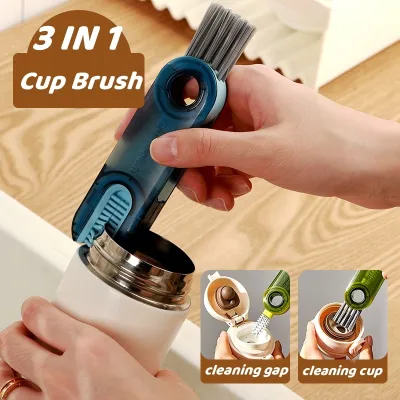
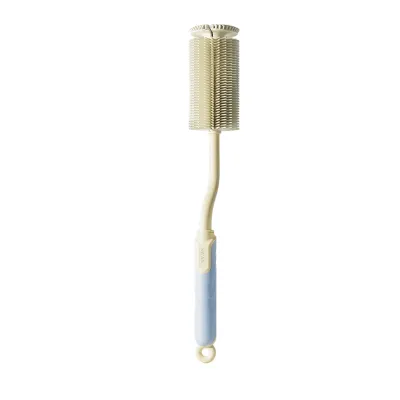
Prices are valid at publication and may change. Please refer to the product page for the latest price.
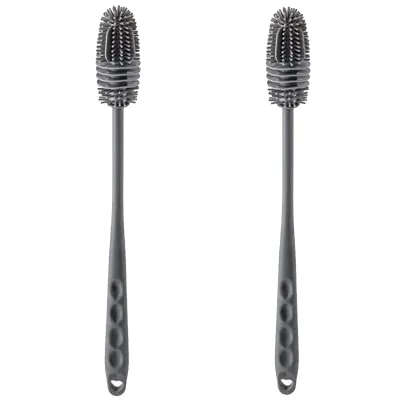
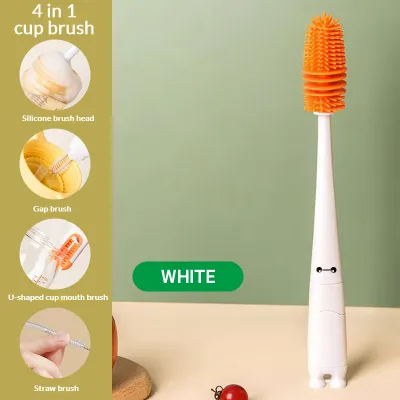
Silicone bristles are molded from food-grade silicone, resulting in thicker, rubber-like protrusions. These bristles are typically spaced further apart than nylon fibers. While silicone as a material is highly flexible, the individual thick bristles are more rigid than single nylon strands. This means a silicone brush head does not compress as easily as a nylon one. To compensate for this, manufacturers often design silicone brushes with tapered heads or flexible, paddle-like fins that can bend when passing through narrow openings.
When shopping for either type of brush, it is essential to look beyond the physical design and verify the safety of the materials. Always check the product packaging or manufacturer specifications to ensure the brush is certified food-grade and completely free of Bisphenol A (BPA). Since these tools directly contact surfaces that hold your baby’s milk, verifying these safety standards is a crucial first step before introducing any new cleaning tool to your kitchen.
Cleaning Power: Tackling Dried Milk and Grease
The primary job of a bottle brush is to remove milk fats, proteins, and carbohydrates that cling to the inner walls of the bottle. Breast milk and infant formula are complex emulsions; when they dry, they form a stubborn, greasy film that requires mechanical action to break down. The way each brush material applies this mechanical action differs significantly.

Nylon brushes excel at creating friction against dried-on residues. The thousands of fine, stiff nylon fibers act like tiny scrapers, digging under dried formula crusts and sweeping them away. Because the bristles are so dense, they hold onto soapy water exceptionally well, creating a thick, rich lather that helps dissolve milk grease. This high-friction scrubbing action means you can clean bottles quickly with minimal physical exertion, even if the bottles have been sitting in the sink for a few hours.
Silicone brushes approach cleaning with a gentler touch. The smooth, non-porous surface of silicone bristles glides easily over glass and plastic. While this is excellent for preventing damage, it means silicone has less natural grip on dried-on milk film. To dislodge stubborn spots, you will need to rely more heavily on the chemical action of your dish soap and apply more physical pressure during the scrub. Some parents find that rotating the silicone brush in a circular motion, rather than pushing it straight up and down, helps the silicone fins catch and lift residue more effectively. If you frequently wash bottles immediately after a feeding before the milk has a chance to dry, a silicone brush will easily sweep away the liquid residue without any extra effort.
Hygiene and Maintenance: Drying and Mold Risks
How a brush behaves after the washing is done is just as important as how it performs during the wash. The kitchen sink is a damp environment where bacteria and mold can thrive, making the drying speed of your cleaning tools a critical safety factor.
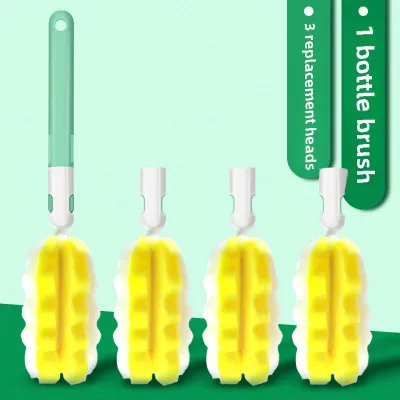
Nylon brushes are notorious for retaining moisture. The dense cluster of bristles creates hundreds of tiny pockets that trap water droplets. Because nylon fibers can absorb a small amount of water, the brush head remains damp for a prolonged period. In humid climates, such as in Singapore, a nylon brush can take many hours to dry completely. If stored in a cupboard or a poorly ventilated holder, this persistent dampness creates an ideal breeding ground for mold and bacteria. To mitigate this risk, you must shake out nylon brushes thoroughly after use and store them upright in an open, well-ventilated area with plenty of airflow.
Silicone brushes offer a significant advantage when it comes to hygiene. Silicone is naturally hydrophobic, meaning it repels water. When you finish washing and rinse a silicone brush, a quick shake is usually enough to shed almost all the water. The widely spaced bristles do not trap moisture, allowing the brush to dry completely in a fraction of the time it takes for nylon. This rapid drying dramatically reduces the risk of bacterial colonization and mold growth, making silicone a highly hygienic choice for busy parents.
Regardless of the material you choose, regular inspection and maintenance are vital. For nylon brushes, look out for fraying bristles, bent tips that no longer scrub effectively, or rust on the internal wire core. For silicone brushes, inspect the head for torn fins or splitting bristles where bacteria could hide. To clean the brushes themselves, wash them regularly in warm, soapy water, rinse thoroughly, and allow them to dry completely in a clean environment.
Bottle Compatibility: Glass, Plastic, and Scratches
The material of your baby bottles should play a major role in determining which brush you use. Baby bottles are generally made of glass or various types of plastic, such as polypropylene (PP), polyphenylene sulfone (PPSU), or polyethersulfone (PES). Each of these materials interacts differently with cleaning bristles.
Plastic bottles are relatively soft and susceptible to physical damage. Stiff nylon bristles, especially when worn or when the protective tip of the brush wears down to expose the metal wire core, can leave microscopic scratches on the inner walls of plastic bottles. Over time, these micro-scratches accumulate, giving the bottle a cloudy or hazy appearance. More importantly, these tiny grooves provide a common hiding place for milk proteins and bacteria, making the bottle increasingly difficult to sanitize. If you use plastic bottles, you must regularly inspect the interior under a bright light; if you notice cloudiness or fine scratches, it may be time to replace the bottles and switch to a gentler cleaning tool.
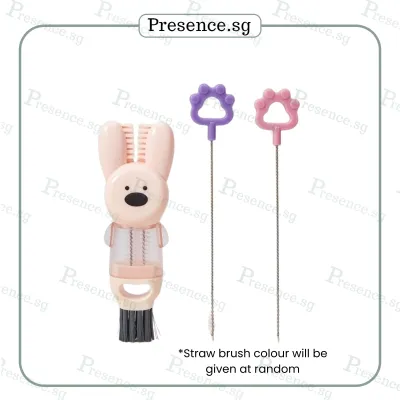
Glass bottles are highly scratch-resistant and can easily withstand the vigorous scrubbing of a nylon brush without any risk of surface damage. This makes nylon an excellent companion for glass feeding systems. However, many modern bottles also feature specialized anti-colic vent systems, delicate silicone nipples, and small valves. These delicate components can easily be torn or stretched by stiff nylon bristles. For these parts, a smaller, soft silicone detail brush or a dedicated nipple brush is highly recommended to ensure thorough cleaning without compromising the integrity of the valves. Always cross-reference your brush choice with the bottle manufacturer’s official cleaning guidelines to avoid accidentally voiding warranties or damaging specialized parts.
Decision Guide: Which Brush Should You Choose?
To help you make the final decision, consider how your daily routine and bottle setup align with the strengths and weaknesses of each material.
Choose a silicone brush if:
- Your feeding setup consists primarily of plastic bottles (such as PP or PPSU) and you want to prevent micro-scratches that harbor bacteria.
- You prefer a highly hygienic tool that repels water, dries rapidly, and carries a very low risk of mold growth.
- You practice immediate cleaning, washing bottles shortly after feedings before milk residues have a chance to dry and harden.
- You want a durable brush that will last a long time without fraying or losing its shape.
Choose a nylon brush if:
- You use glass bottles, which are highly resistant to scratching and benefit from vigorous scrubbing.
- You frequently have to wash bottles with dried-on formula or breast milk fats that require strong mechanical scrubbing action.
- You prefer a brush that easily compresses to fit through narrow bottle necks and creates a rich, soapy lather.
- You are committed to shaking out the brush thoroughly and storing it in a high-airflow area to prevent moisture retention.
In some scenarios, neither brush will solve the underlying issue. If your plastic bottles are already heavily scratched, cloudy, or discolored, they should be replaced entirely rather than cleaned with a new brush. When selecting any brush, also take a moment to evaluate the handle design. Look for an ergonomic handle with a non-slip grip or textured surface, which ensures you can maintain a secure hold even when your hands are covered in slippery dish soap. A comfortable grip and the right brush length will make this repetitive daily task much easier on your hands and wrists.
Frequently Asked Questions (FAQ)
Can I sterilize silicone and nylon bottle brushes in boiling water?
Before attempting to sterilize any bottle brush, you must check the manufacturer’s packaging or official website for specific temperature limits and sterilization instructions. Do not assume that all silicone or nylon brushes are universally safe for boiling water or dishwashers. While high-quality food-grade silicone can often withstand high temperatures, the plastic handle or the adhesive holding the brush head together may warp, melt, or degrade when exposed to extreme heat. Similarly, many nylon brushes feature a metal wire core that can rust or plastic handles that cannot tolerate boiling temperatures. Always verify the product specifications to ensure safe usage.
How often should I replace my baby bottle brush?
Rather than relying on a strict calendar timeline, you should replace your bottle brush based on observable physical signs of wear and degradation. For nylon brushes, replace them immediately if you notice frayed bristles, permanently bent tips, or if the protective tip wears away to expose the metal wire core. For silicone brushes, look for torn fins, split bristles, or a loose brush head. Regardless of the material, if you detect any signs of mold, persistent discoloration, or sour odors that remain even after a thorough washing and drying cycle, discard the brush immediately to protect your baby’s health.
Community discussion
Share your experience or ask a question. Comments are reviewed before publication.