
Choosing between silicone and NBR (Nitrile Butadiene Rubber) foam edge guards depends on your specific furniture materials, aesthetic preferences, and how your child interacts with their environment. Neither material is universally superior; instead, silicone offers low-profile durability and high tear resistance, while NBR foam provides thicker, softer cushioning for high-impact corners. In warm and humid climates like Singapore’s, selecting the right material also involves considering how adhesives perform over time and how easy the guards are to clean.
While baby-proofing products are excellent supportive tools for creating a safer home environment, they do not replace active caregiver supervision. As your child reaches new developmental milestones—from crawling to pulling themselves up on furniture—their interaction with household hazards changes. Understanding the physical properties of these materials allows you to make an informed decision that balances impact protection, durability, and the preservation of your home’s interior design.
Material Basics: Silicone vs. NBR Foam
Silicone edge guards are made from a dense, rubbery polymer known for its flexibility and high tensile strength. This material is typically extruded into relatively thin, low-profile shapes that hug the edges of furniture tightly. Because of its solid molecular structure, silicone does not compress easily under light pressure, maintaining its shape and structural integrity even after prolonged use.
Products mentioned in this guide
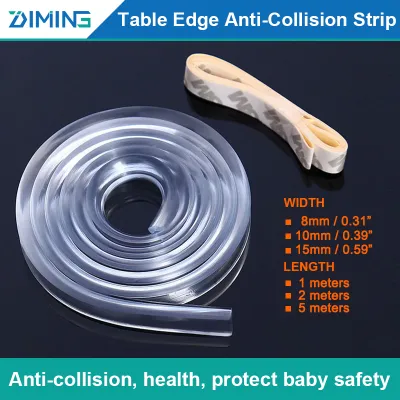
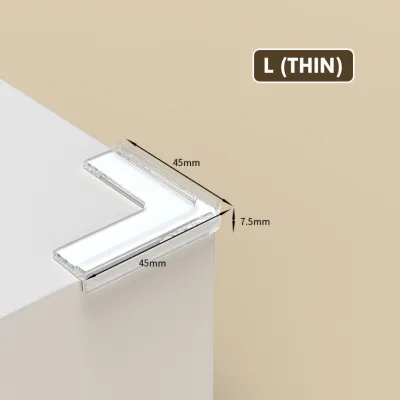
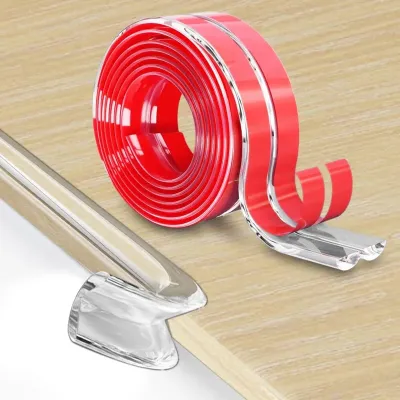
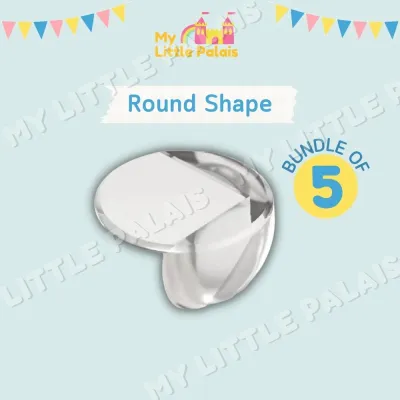
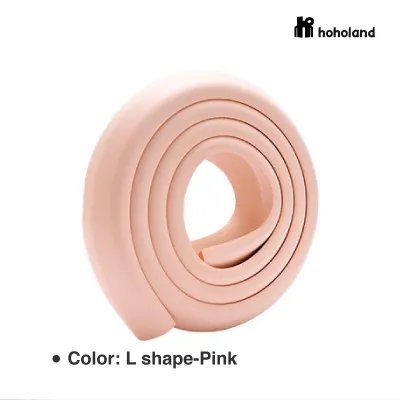
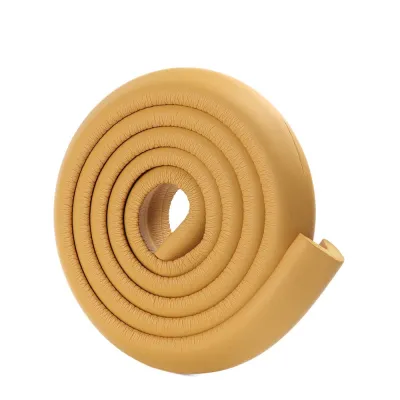

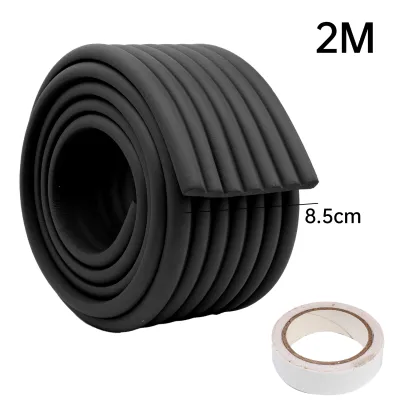
Prices are valid at publication and may change. Please refer to the product page for the latest price.
NBR foam, or Nitrile Butadiene Rubber, is a synthetic rubber processed into a cellular, air-filled foam structure. This manufacturing process results in a highly compressible, spongy material that is significantly thicker than silicone. The presence of tiny air pockets within the foam allows it to deform easily under pressure, providing a soft, yielding surface when impacted.
Both materials are commonly available in several standard configurations designed to fit different furniture profiles. L-shaped guards are ideal for standard 90-degree table edges and cabinet tops, while U-shaped guards wrap around both the top and bottom of thin surfaces like glass shelves or metal frames. Additionally, pre-molded corner protectors, often shaped as balls or blocks, are designed to cover the sharpest points of tables and desks where linear guards cannot easily bend.
Impact Protection and Safety Considerations
When evaluating impact protection, the two materials rely on fundamentally different physical mechanics to protect your child. NBR foam utilizes shock absorption through compression; when a falling toddler collides with the foam, the air cells collapse, slowing down the force of the impact over a fraction of a second. This soft deceleration makes foam highly effective for heavy, sharp-edged wooden furniture where high-impact bumps are a concern.

Silicone, by contrast, relies on material density to distribute force. Because it is solid and does not compress significantly, it acts as a tough, protective shield that prevents direct cuts and bruises from sharp corners. While it is highly effective at eliminating the sharpness of an edge, it does not offer the same soft, pillowy deceleration as thick NBR foam during a heavy fall.
Safety considerations also extend to how these materials withstand a child’s natural curiosity and teething habits. Soft NBR foam can be tempting for toddlers to bite, and a determined child can potentially tear off small pieces with their teeth, creating a serious choking hazard. Silicone is exceptionally tear-resistant and highly resilient against biting, making it a much safer option if your child is in an active teething phase and prone to chewing on household objects.
Regardless of the material you choose, verifying non-toxic safety claims on product packaging is essential before installation. Look for clear indications of compliance with recognized safety standards, such as BPA-free, phthalate-free, or food-grade material certifications. Because standards and chemical formulations can vary, caregivers should always inspect the manufacturer’s documentation and product labels rather than relying solely on generic marketing terms.
Durability, Adhesion, and Daily Maintenance
The long-term performance of any edge guard is heavily influenced by how well its adhesive bonds to your furniture under local environmental conditions. In Singapore’s year-round humidity, standard double-sided adhesives can sometimes soften or lose their grip over time. Silicone guards often require specialized, high-bond acrylic tapes to secure their dense structure, whereas lighter NBR foam can often be held in place with standard double-sided baby-proofing tape.
A child’s persistence is another factor that tests the durability of these guards. The bulky, textured profile of NBR foam provides an easy handhold for toddlers to grip, pull, and eventually peel away from the furniture. Silicone’s smooth, low-profile surface offers very little leverage for tiny fingers, making it much harder for a child to peel off once the adhesive has fully cured.
Daily maintenance and hygiene routines also differ significantly between the two materials. NBR foam is a porous material, meaning it can absorb spilled liquids, baby drool, and dust over time, making it difficult to sanitize thoroughly without degrading the foam. Silicone is entirely non-porous and waterproof, allowing you to wipe away spills, dirt, and sticky fingerprints easily with mild soap and a damp cloth without damaging the material.
Aesthetics and Furniture Compatibility
Balancing child safety with home aesthetics is a common priority for modern families. Silicone edge guards excel in visual subtlety because they are widely available in highly transparent or clear designs. When applied to glass coffee tables, modern metal frames, or minimalist furniture, clear silicone allows the natural design and color of the furniture to show through, keeping the baby-proofing measures nearly invisible.
NBR foam is inherently opaque and bulky, which can dramatically alter the appearance of your living space. While foam guards are available in a variety of solid colors—such as brown, grey, black, and cream—to help them blend with different wood tones, they still present a highly visible, padded look. This makes them less suitable for sleek, modern designs where maintaining a clean visual profile is preferred.
To achieve the best visual blend, consider matching the material to the specific furniture type. For dark wood or painted furniture, matching the color of NBR foam to the wood stain can soften its visual impact. For glass, metal, or high-gloss lacquered surfaces, clear silicone is almost always the superior aesthetic choice, as it avoids the heavy, mismatched look of colored foam strips.
Decision Framework: Which Edge Guard Fits Your Needs?
To finalize your baby-proofing plan, evaluate your home’s specific furniture types and your child’s current developmental stage. Rather than searching for a single best material, match the unique characteristics of silicone or NBR foam to the specific rooms and surfaces in your household.
You should choose silicone edge guards if you:
- Prioritize a discreet, low-profile appearance on glass, metal, or modern minimalist furniture.
- Have a child who is actively teething and prone to biting or chewing on soft household surfaces.
- Want a highly durable, non-porous material that is easy to wipe clean and resists humid conditions.
You should choose NBR foam edge guards if you:
- Prioritize maximum, soft cushioning for sharp corners on heavy wooden dining tables or TV consoles.
- Need to cover large areas or multiple rooms on a budget, as foam is highly cost-effective for long runs.
- Have highly irregular or curved furniture edges that require a flexible material that is easy to cut and customize.
Before applying any adhesive-backed guard, verify the stability of your furniture’s surface finish. Delicate wood veneers, antique finishes, or specialized paints can easily be stripped or damaged when removing strong adhesives. If you are baby-proofing high-value or antique pieces, consult the furniture manufacturer or test a small, hidden area with the adhesive before proceeding with full installation.
Installation and Damage-Free Removal Tips
Proper installation is critical to ensuring that your edge guards remain securely in place and perform effectively when needed. Begin by thoroughly cleaning the furniture surface with rubbing alcohol or a mild, residue-free cleaner to remove dust, oils, and furniture polish. Ensure the surface is completely dry before proceeding, as any trapped moisture or oil will severely compromise the adhesive bond.
When applying the guard, measure and cut the material to the exact length required, then apply the double-sided tape firmly to the guard first. Press the guard onto the furniture edge, applying firm, even pressure along the entire length for at least thirty seconds to activate the pressure-sensitive adhesive. For the strongest possible bond, allow the adhesive to cure undisturbed for twenty-four hours before allowing your child to interact with the area.
When it is time to remove the edge guards, taking a careful approach will help prevent damage to your furniture’s finish. Use a hair dryer on a low, warm setting to gently heat the adhesive underneath the guard, which softens the bond and makes it easier to peel away. Slowly pull the guard back at a shallow angle, and use a mild adhesive remover, vegetable oil, or warm soapy water to clean up any remaining residue, ensuring you verify first that the cleaning agent is safe for your specific furniture finish.
Frequently Asked Questions (FAQ)
Can I use clear silicone edge guards on glass tables?
Yes, clear silicone edge guards are highly suitable for glass tables because their optical clarity preserves the transparent look of the glass while covering sharp edges. When installing them on glass, it is important to use high-quality, transparent adhesives specifically rated for glass surfaces to ensure a secure, long-lasting bond that does not peel easily under daily use.
How often should I replace foam edge guards?
Foam edge guards should be replaced as soon as you observe physical signs of degradation, such as permanent flattening, cracking, tearing, or peeling away from the furniture. In humid climates, you should also inspect the porous foam regularly for deep-seated dirt or moisture buildup, and plan to remove or replace them once your child has outgrown the crawling and early toddling stages.
Are edge guards completely chew-proof?
No edge guard is entirely chew-proof, and a determined toddler can eventually damage even highly durable materials. While silicone offers excellent tear resistance compared to soft NBR foam, you must conduct regular visual inspections of all installed guards to check for bite marks or loose pieces, ensuring that any damaged sections are replaced immediately to prevent choking hazards.

Community discussion
Share your experience or ask a question. Comments are reviewed before publication.