
Deciding between a silicone and mesh baby food feeder is a common crossroads for parents embarking on the weaning journey. Both tools serve as an introductory bridge to solid foods, but they cater to different developmental stages, sensory preferences, and maintenance realities. While a mesh feeder excels at releasing fine juices and soft pulp for early taste exposure, a silicone feeder offers a sturdier, easier-to-clean alternative that doubles as a soothing teether. The ideal choice depends on whether your priority is smooth texture transition, gum relief, or hassle-free cleanup.
Understanding the Core Differences in Design and Function
To make an informed choice, it is essential to understand how these two types of feeders differ in their physical construction and how they deliver food to your baby. A silicone baby food feeder features a nipple-like sac made of flexible, food-grade silicone. This sac is perforated with multiple small holes. When your baby bites down or squeezes the silicone, the food inside is extruded through these holes in small, manageable amounts. The material is naturally firm and elastic, allowing the feeder to retain its shape even when it is empty.
In contrast, a mesh baby food feeder utilizes a small bag made of finely woven nylon or polyester fabric. Instead of passing through distinct holes, the food is filtered through the tiny spaces in the fabric weave. When your baby chews or sucks on the mesh bag, only the liquid juices and highly pulverized pulp can pass through, leaving seeds, skins, and larger fibers trapped inside. The mesh material is completely soft and pliable, conforming easily to the shape of your baby’s mouth, though it collapses flat once the food inside has been consumed.
Products mentioned in this guide
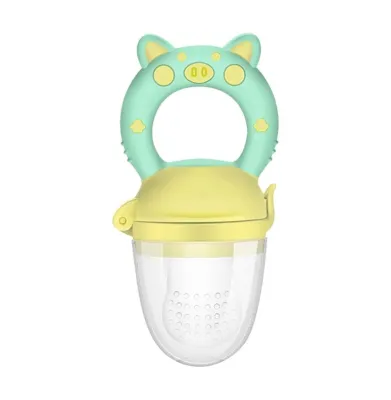
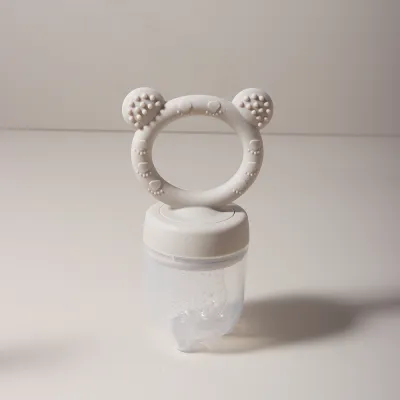
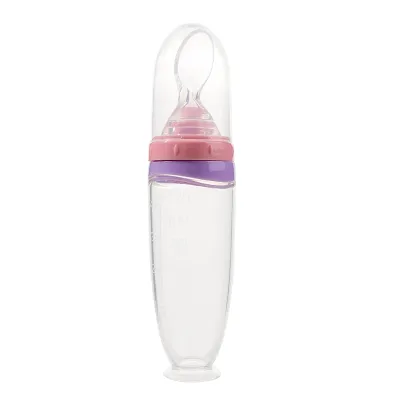
Prices are valid at publication and may change. Please refer to the product page for the latest price.
Both designs are engineered to act as a physical barrier that helps prevent choking hazards. By keeping large chunks of food safely contained within the sac, these feeders allow babies to explore the flavors and textures of fresh fruits and vegetables without the risk of swallowing a piece that is too large. This makes them a popular choice for parents who want to introduce self-feeding but feel anxious about offering whole finger foods right away.
The tactile experience also differs significantly between the two materials. Silicone provides a smooth, bouncy surface that feels familiar to babies who are used to bottle nipples or pacifiers. The firm resistance of silicone encourages active biting and chewing. Mesh, on the other hand, has a distinct textured feel that some babies find intriguing, while others may need time to get used to the fabric sensation on their tongue and gums.
Evaluating Safety and Suitability for Different Weaning Stages
As your baby grows, their feeding capabilities and oral motor skills change rapidly. Matching the feeder material to your baby’s developmental stage ensures a safer and more enjoyable weaning experience. During the early weaning stage, which typically begins around six months of age, babies are just learning how to swallow textures thicker than milk. Mesh feeders are highly suitable for this initial phase because the fine fabric weave acts as an ultra-fine filter. It ensures that only smooth purees and juices are released, preventing any accidental clumps from surprising a beginner.

Silicone feeders, while also excellent, have slightly larger pre-punched holes. Depending on the consistency of the food inside, small, soft clumps may occasionally pass through. While these clumps are generally safe for babies who have started solids, they require a bit more oral coordination to manage. Therefore, silicone feeders are often ideal for babies who have already had a few weeks of experience with purees and are ready for slightly more textured food.
When it comes to teething relief, silicone feeders offer a distinct advantage. The firm, rubbery texture of silicone provides excellent counter-pressure against sore, swollen gums. By filling a silicone feeder with chilled fruits, frozen breast milk, or cold vegetable purees, you can create a soothing teething toy. The baby can gnaw on the firm silicone to massage their gums while enjoying a cold, numbing sensation. Mesh feeders can also hold cold food, but the soft fabric collapses easily and does not offer the same firm, massaging resistance that teething babies often crave.
However, it is important to remember that baby food feeders are transitional tools rather than long-term feeding solutions. Over-reliance on feeders can sometimes delay chewing development. To learn how to chew and swallow safely, babies eventually need to practice moving real food around their mouths with their tongues and manipulating different textures. Using a feeder for too long may prevent them from developing these essential oral motor skills. Parents should use these tools to build confidence in the early weeks of weaning and gradually transition to soft finger foods. Always verify the manufacturer’s age and weight recommendations on the packaging to ensure the product aligns with your baby’s current milestones.
Comparing Cleaning, Maintenance, and Durability
The practical side of daily use is where the differences between silicone and mesh become most apparent. For many parents, the ease of cleaning is a deciding factor. Silicone feeders are highly praised for their low-maintenance nature. Because silicone is non-porous, it does not absorb food oils, colors, or odors easily. Most silicone models are dishwasher-safe and can withstand high-temperature sterilization in boiling water or steam sterilizers. However, parents should still pay close attention to the plastic rim and locking collar where the silicone sac attaches, as tiny food particles can sometimes hide in these crevices.
Mesh feeders, by comparison, require significantly more effort to clean. The fine fibers of the woven fabric easily trap pulp, seeds, and fibers from foods like bananas, berries, or avocados. If these food particles are allowed to dry, they harden and become incredibly difficult to remove. To keep a mesh feeder hygienic, you must rinse it under warm running water immediately after use and scrub the fabric thoroughly with a small, soft-bristled brush. Many parents find this cleaning process tedious, especially when managing multiple daily feedings.
In warm and humid environments, such as Singapore, hygiene and mold prevention are critical considerations. Any moisture left trapped in the fibers of a mesh bag or the tight joints of a silicone feeder can quickly become a breeding ground for mold and bacteria. After washing, it is vital to disassemble the feeder completely and allow all components to air-dry thoroughly in a well-ventilated area.
Durability and wear are also important safety factors to monitor. Mesh fabric is susceptible to fraying, tearing, and staining over time. Sharp baby teeth can eventually puncture or tear the mesh, creating a hazard where larger food pieces could escape. Silicone is generally much more durable and resistant to tearing, but it is not completely indestructible. You should regularly inspect both types of feeders before every use. Look for frayed threads or loose seams on mesh bags, and check for tears, stickiness, or discoloration on silicone sacs. Discard and replace any damaged parts immediately to ensure your baby’s safety.
Key Features to Verify Before Purchasing
Before purchasing a baby food feeder, there are several practical features you should verify to ensure the product is safe, functional, and easy to use. First and foremost is the locking mechanism. The clasp that secures the food sac to the handle must be strong and secure. As babies grow, they become surprisingly adept at manipulating objects with their hands. A weak latch could allow an older baby to open the feeder and access whole pieces of food, defeating the safety purpose of the device. Look for child-proof designs, such as double-lock latches or twist-and-lock mechanisms that require adult hand strength to open.
The handle design is another crucial element for encouraging self-feeding. The handle should be ergonomically shaped and sized appropriately for tiny hands to grip easily. Many feeders feature circular or textured loop handles that help babies develop their fine motor skills and hand-eye coordination. Some models also include a small loop or hole in the handle, allowing you to attach an anti-drop pacifier strap. This prevents the feeder from falling onto dirty floors when your baby inevitably drops or throws it.
Material safety is paramount when choosing any product that goes into your baby’s mouth. Always check the packaging for clear labels indicating that the feeder is made from non-toxic, food-grade materials. Look for certifications or declarations such as BPA-free, phthalate-free, and lead-free. If choosing a silicone feeder, ensure it uses high-quality, food-grade silicone.
Finally, consider the availability of replacement parts. Because the food-contact portions of these feeders are subject to wear, staining, and tearing, being able to buy replacement silicone sacs or mesh bags separately is highly convenient. Purchasing replacement parts, which typically cost only a few S$, allows you to extend the lifespan of the plastic handle and base, making it a more economical and sustainable choice for your household.
Decision Framework: Which Feeder Fits Your Needs?
To help you make the final decision, consider how each feeder type aligns with your daily routine and your baby’s current developmental needs.
Choose a silicone baby food feeder if:
- Your baby is actively teething and would benefit from a firm, textured surface to massage sore gums.
- You prefer a quick and easy cleanup routine, as silicone is dishwasher-safe and highly resistant to staining and odors.
- You want a durable, long-lasting feeding tool that can be easily sterilized at high temperatures.
Choose a mesh baby food feeder if:
- Your baby is in the very early stages of weaning and requires a highly filtered, liquid-like food release to prevent gagging on small textures.
- Your baby prefers a completely soft, flexible fabric texture in their mouth rather than firm silicone.
- You do not mind spending a bit of extra time hand-scrubbing the feeder immediately after each use to maintain hygiene.
Regardless of which material you choose, always verify that the product features a secure, child-proof locking mechanism and matches the manufacturer’s age guidelines. Introducing a baby food feeder can be a wonderful way to foster independence and sensory exploration during the exciting transition to solid foods.
Frequently Asked Questions (FAQ)
Can I put fresh fruit directly into a baby food feeder?
Yes, you can put fresh fruit directly into a baby food feeder, provided it is prepared safely. Soft fruits such as ripe bananas, strawberries, mangoes, avocados, and blueberries are excellent choices. You can also use steamed and cooled vegetables like sweet potato, carrot, or pumpkin. Always wash the produce thoroughly, remove any tough skins, seeds, or pits, and cut the food into pieces that fit easily inside the feeder sac without overfilling it. Avoid putting hard, raw fruits like apples or pears directly into the feeder, as they are difficult for the baby to mash and can damage the feeder. Most importantly, always maintain active adult supervision while your baby is using the feeder to ensure they use it safely.
At what age should I stop using a baby food feeder?
Most babies are ready to transition away from baby food feeders between eight and nine months of age. While feeders are excellent for introducing initial flavors and soothing sore gums, relying on them for too long can hinder oral motor development. To learn how to chew and swallow safely, babies need to practice moving real food around their mouths with their tongues. Signs that your baby is ready to move on include sitting upright independently, showing a strong interest in family meals, and successfully swallowing soft, mashed foods from a spoon. Consult your pediatrician or refer to official infant feeding guidelines to determine the best transition timeline for your child’s unique development.
Community discussion
Share your experience or ask a question. Comments are reviewed before publication.