
Choosing between silicone and latex Pigeon teats is a pivotal decision for parents navigating the bottle-feeding journey. The right material affects not only your baby’s feeding comfort and latch success but also your daily cleaning routine and ongoing household expenses. While silicone is a highly durable, clear, and firm synthetic material that resists high-heat sterilization, latex is a softer, amber-colored natural rubber that closely mimics the flexibility of human skin. Evaluating your baby’s developmental stage, sensory preferences, and any potential material sensitivities will help you determine the most suitable option for your family.
To make an informed choice, parents must understand how these materials behave under daily use and how to safely maintain them. Because infant feeding products directly impact oral development and safety, verifying product specifications and monitoring your baby’s feeding behavior are essential steps in selecting the right teat.
Silicone vs Latex: Key Material Differences for Pigeon Teats
Silicone and latex possess distinct physical properties that are immediately apparent when handling the teats. Silicone is a medical-grade, synthetic polymer known for its crystal-clear appearance. It is completely odorless and tasteless, which makes it highly acceptable to most infants from birth. When touched, silicone feels smooth, dry, and relatively firm, retaining its molded shape even under significant pressure.
Products mentioned in this guide
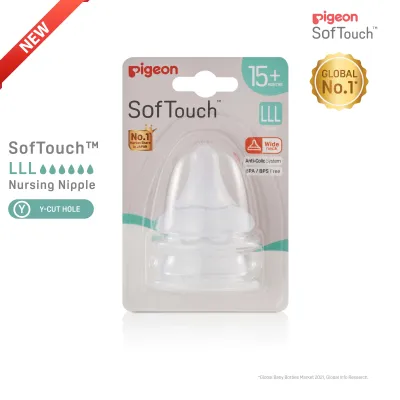
![[NEW] Pigeon SofTouch™ Wide Neck Nipple (Promo)](https://img.lazcdn.com/g/p/9ad1bd0730a6805e5e1f59444563dce2.jpg_400x400q80.jpg_.webp)
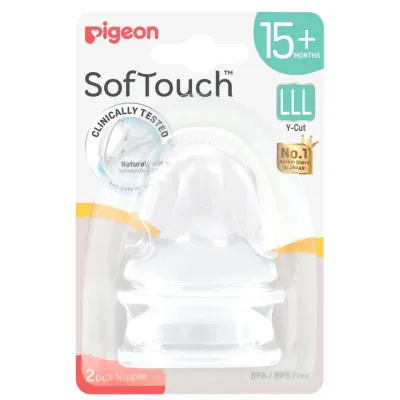
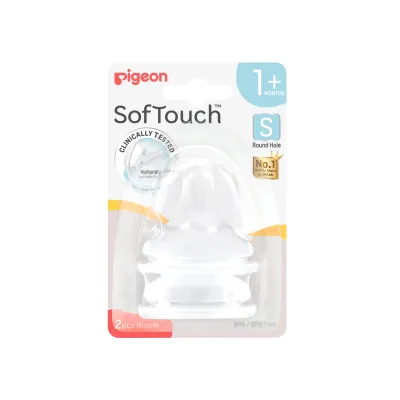
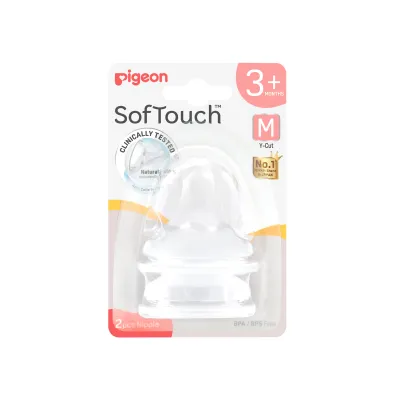
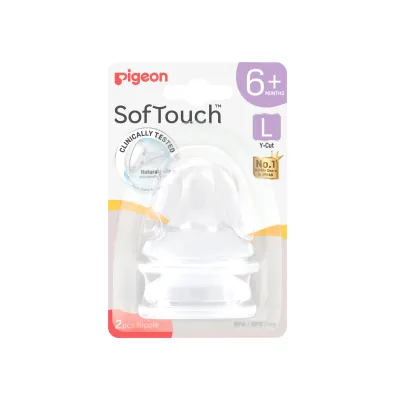
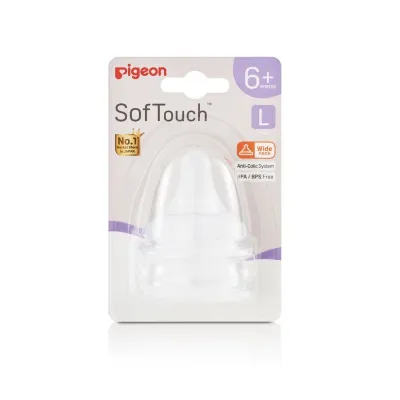
Prices are valid at publication and may change. Please refer to the product page for the latest price.
Latex, on the other hand, is manufactured from natural rubber sap, giving it a characteristic translucent amber or golden-brown hue. It has a distinct, slightly sweet rubber scent and taste that some babies find comforting, while others may reject it. Tactilely, latex is exceptionally soft, matte, and highly elastic, stretching easily in multiple directions when pulled.
These physical differences directly influence how each teat behaves during a feeding session. A latex teat is highly flexible and compresses easily, mimicking the natural movement and elongation of a mother’s breast during breastfeeding. This extreme pliability can make it easier for newborns with weaker sucking reflexes to extract milk. Conversely, a silicone teat provides a more structured, stable shape that resists collapsing under strong suction, helping older babies maintain a wide, consistent latch.
Heat resistance and sterilization compatibility also differ significantly between the two materials. Silicone has outstanding thermal stability, allowing it to withstand repeated exposure to high temperatures without warping, melting, or releasing chemicals. Latex is highly sensitive to heat, ultraviolet (UV) light, and environmental factors, which cause the natural rubber to degrade and soften over time. Parents must carefully read the product packaging to verify which sterilization methods—such as steam, boiling water, chemical solutions, or UV sterilizers—are approved for their specific teat material.
Durability, Cleaning, and Replacement Signs
The practical lifespan of a baby teat is heavily dependent on its material composition and how it is maintained. Silicone teats are highly durable and resistant to the fats and acids found in breast milk and infant formula. However, because silicone is a firmer material, it is susceptible to structural tearing if it is punctured by sharp objects, such as bottle brushes, or if an older baby bites down on it during feeding.

Latex teats degrade naturally and much more rapidly than silicone. Exposure to milk lipids, saliva, sunlight, and heat causes the natural rubber to break down chemically. Over time, a latex teat will lose its elasticity, become sticky to the touch, swell in size, or develop a dark, discolored appearance. This natural degradation means latex teats generally require far more frequent replacement than their silicone counterparts.
Cleaning routines must be tailored to the specific material to prevent premature wear. While silicone teats can easily tolerate standard bottle brushes and frequent cycles in electric steam sterilizers, latex teats require gentler handling. Harsh scrubbing or prolonged exposure to boiling water can accelerate the breakdown of natural rubber. Always consult the manufacturer’s instructions to confirm the maximum safe sterilization times and recommended cleaning tools for each material.
Regardless of the material chosen, performing a daily safety inspection is critical. Before every feeding, caregivers should wash their hands and thoroughly inspect the teat. For silicone, gently pull the bulb in all directions to check for hairline tears, punctures, or thinning around the tip. For latex, squeeze the material to check for stickiness, swelling, or an unusually soft, gummy texture. If you observe any physical changes, tears, or if the milk flows out in a continuous stream rather than steady drops, replace the teat immediately to prevent choking hazards.
Matching the Teat Material to Your Baby’s Feeding Stage and Needs
As babies grow, their oral anatomy, sucking strength, and feeding patterns change, making certain materials more suitable at different stages. Newborns often benefit from the ultra-soft, highly pliable nature of latex, which requires minimal jaw effort to compress and extract milk. This can be particularly helpful for infants transitioning between breast and bottle, as the flexibility of latex closely resembles natural skin.
As infants develop stronger jaw muscles and begin teething, their feeding needs shift. Older babies with a powerful suck can easily collapse a soft latex teat, disrupting their feeding rhythm and causing frustration. For these stages, firmer silicone teats are often more appropriate because they maintain their structural integrity under pressure. Furthermore, once a baby’s first teeth emerge, they may chew on the teat; silicone offers greater resistance to biting, though it must still be checked daily for damage.
Another critical factor to consider is the risk of natural rubber latex allergies. Because latex is derived from natural plant sources, it contains proteins that can trigger allergic reactions in sensitive individuals. Parents should monitor their baby closely during and after feeding for any signs of localized irritation, redness, swelling, or hives around the mouth. If there is a family history of latex allergies, or if you notice any unusual skin reactions, stop using latex teats immediately, switch to silicone, and consult a qualified healthcare professional.
Flow rates and teat shapes also interact with the material’s physical properties. Pigeon designs specific teat shapes, such as the slim-neck and wide-neck varieties, to support natural tongue movement. Because a soft latex teat stretches more during feeding, it may alter the actual flow rate under heavy suction compared to a firmer silicone teat of the exact same size category. Parents must verify the available material options within Pigeon’s specific sizing systems to ensure they can obtain the correct flow rate and shape required for their baby’s current developmental stage.
How to Choose: A Decision Framework for Parents
To help finalize your decision, consider the following conditional framework based on your household priorities and your baby’s specific feeding behavior:
Choose silicone teats if you:
- Prioritize long-term durability and want a material that resists tearing and wear.
- Prefer a clear, odorless, and tasteless material that does not retain food smells.
- Rely on high-heat sterilization methods, such as electric steam sterilizers or boiling water, and want a low-maintenance cleaning routine.
- Want to eliminate any potential risk of natural rubber latex allergies.
- Have an older baby who has started teething or has a very strong, vigorous suck.
Choose latex teats if you:
- Have a newborn or a premature baby who struggles with the firmness of silicone and needs a highly flexible, soft teat.
- Are transitioning a breastfed baby to a bottle and find they reject firmer synthetic materials.
- Do not mind a shorter product lifespan and are willing to budget for more frequent replacements.
- Are comfortable with gentler, low-heat cleaning methods and manual inspections before every feed.
Before purchasing, always perform a final verification step. Confirm that the specific Pigeon bottle line you own (such as the SofTouch wide-neck or the standard slim-neck series) is fully compatible with the teat material and size you plan to buy. While latex teats might seem comparable in initial price, the need for more frequent replacements can add up to a higher cost in S$ over several months, so factor both convenience and long-term value into your decision.
Frequently Asked Questions (FAQ)
Can I switch my baby from latex to silicone Pigeon teats?
Yes, you can transition your baby between materials, but it may require a brief adjustment period. Because silicone is noticeably firmer and less elastic than latex, your baby will likely detect the change in texture and mouthfeel immediately. To ease the transition, monitor your baby’s latch and feeding comfort closely. If they initially reject the silicone teat, try introducing it when they are relaxed or slightly sleepy, and ensure the flow rate matches their current developmental stage so they do not become frustrated by a flow that is too slow or too fast.
Do silicone and latex Pigeon teats fit the same bottles?
Teat compatibility is determined by the bottle’s neck design and collar size, not by the teat material itself. Pigeon manufactures bottles in standard (slim-neck) and wide-neck configurations. A wide-neck silicone teat will only fit a wide-neck bottle collar, and a standard latex teat will only fit a standard bottle collar. Always check the product packaging of both the bottle and the replacement teat to confirm explicit compatibility before making a purchase.
How often should I replace Pigeon teats regardless of the material?
As a general guideline, silicone teats are typically replaced every two to three months of regular use, while latex teats often require replacement every four to six weeks due to the natural degradation of rubber. However, these timeframes are only general estimates. You must inspect the teat before every single feeding session. Regardless of how long the teat has been in use, replace it immediately if you detect any signs of damage, stickiness, discoloration, tearing, or if the milk flows too rapidly, as worn-out teats pose a safety and choking hazard.

Community discussion
Share your experience or ask a question. Comments are reviewed before publication.